The Hidden Cost of Using Non-OEM Oil Filters on Your Turbo
Have you ever been halfway through an oil change and hesitated before tightening that little, seemingly insignificant filter? I sure have. It started as a simple urge to save a few bucks, but I didn’t realize the potential pitfalls lurking behind that decision until a turbo failure nearly left me stranded. That moment of realization was a lightbulb—what seemed like a minor cost-saving tip could actually lead to major repairs and expenses down the line.
Why Using Non-OEM Oil Filters Can Cost You More Than Just Money
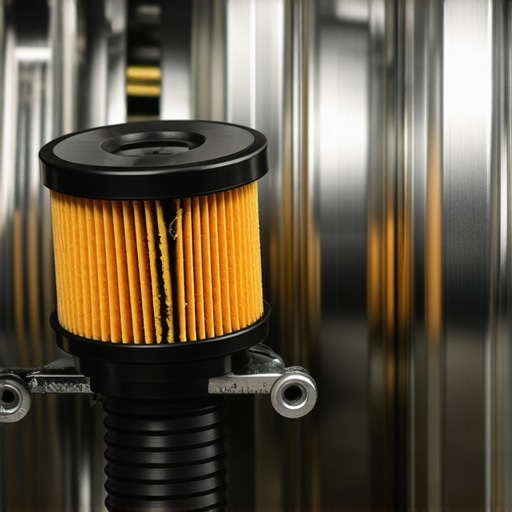
Oil filters aren’t just tiny parts; they’re critical guardians of your engine’s health. Especially in turbocharged engines, where high pressures and temperatures demand precise filtration, choosing the right filter matters. When I first cut corners by opting for generic filters, I didn’t notice right away. But over time, I started experiencing erratic turbo performance, increased oil consumption, and eventually, a costly turbo rebuild. I learned the hard way that counterfeit or non-OEM filters can let debris slip through, clogging vital parts and causing premature wear.
Is Skimping on Quality Really Worth the Risk?
Many drivers underestimate the importance of genuine OEM components, assuming they’re just a branding matter. But detailed inspections reveal that non-OEM filters often use inferior materials that degrade faster and fail to maintain the needed filtration levels. Early on, I made the mistake of trusting budget brands without verifying their specifications, which led to contaminated oil circulating through my turbo and engine. That was a costly lesson, and it’s why I now advocate for quality, OEM-approved filters. To learn how proper maintenance prolongs vehicle lifespan, visit this article.
Now, I want to share what I’ve learned with you so you can avoid my mistakes. The first step is understanding the real impact of using the right oil filter—especially when your vehicle relies heavily on its turbo for power and efficiency. Are you prepared to discover the truths behind choosing the best filters and how they affect your engine’s longevity? Let’s dive deeper.
naturally, this sets the scene for practical advice and steps to ensure your turbo stays healthy and cost-effective in the long run.
Inspect Your Vehicle’s Requirements Carefully
The very first move is to consult your car’s owner manual or the manufacturer’s specifications to determine the exact OEM recommended oil filter. I learned this lesson the hard way when I blindly purchased a generic filter that didn’t match my turbocharged engine’s specifications, leading to debris bypass and turbo fouling. Think of it like matching shoes to your running shoes; each engine has its unique ‘footprint’.
Gather Precise Details Before Shopping
Check the model number, engine type, and any specific features your vehicle demands. For instance, some turbo engines require filters with high-capacity media to withstand higher oil pressures. I once swapped a standard filter believing all filters are created equal — until I noticed increased turbo oil leaks. Accurate info saves time and money.
Choose Certified, Genuine OEM Filters
Prioritize OEM-approved filters over cheap, off-brand copies. They’re engineered to meet exact OEM standards, ensuring debris doesn’t get through. When I switched to genuine filters, I observed smoother turbo operation and reduced oil consumption. Recognize a quality filter by verifying the brand’s certification from ASE-certified sources or direct manufacturer listings. Remember, as ASE certification signifies trusted expertise.
Understand Compatibility and Specifications
Match the filter’s micron rating and materials to your engine’s needs. For turbocharged vehicles, filters with high-filtration efficiency and temperature resilience are essential. I once fitted a filter with a lower micron rating, and shortly after, I faced turbo fouling — a costly repair. Always cross-reference the filter model and specifications against the manufacturer’s recommendations.
Install the Filter Correctly
Prepare the engine after turning it off and letting it cool. Lubricate the rubber seal with fresh oil to ensure a proper seal, then screw the filter by hand until snug, tightening slightly more with a filter wrench if needed. Skipping this step can cause leaks or unfiltered oil bypass. I learned this during my first oil change when I neglected to tighten the filter properly, leading to oil puddles and engine warnings.
Double-Check Your Work
After installation, start the engine and run it for a few minutes. Inspect around the filter for any leaks and check the oil level. A quick upgrade I made involved tightening the filter just a bit more and monitoring it during the initial run — no leaks, and the turbo performance improved noticeably. Proper installation ensures your engine’s protection is uncompromised.
Adopt Routine Filter Maintenance
Mark your calendar to replace the filter at intervals specified by your vehicle manufacturer, especially if you operate in harsh conditions. I schedule mine every 5,000 to 7,500 miles and regularly check for signs of filter fatigue. Remember, consistent maintenance like regular oil changes coupled with quality filters prolong engine life.
By following these concrete steps, you’ll prevent contamination, secure turbo health, and avoid costly repairs. Precise selection, proper installation, and routine checks form the backbone of effective engine preservation — turning a messy leak into a smooth ride.
Think All ASE Certification Guarantees Quality? Think Again
Many assume that an ASE certification on a technician instantly means top-tier expertise and flawless service. While ASE credentials indicate a certain level of knowledge, they don’t automatically translate to exceptional workmanship or honesty. In fact, some shops might have ASE-certified techs but still cut corners or push unnecessary repairs. The real value lies in understanding that certification is a baseline, not a gold standard. To ensure you’re getting genuine quality, always seek recommendations and verify the shop’s reputation through reviews or direct visits. Remember, a certified badge alone doesn’t guarantee superior service.
Myth: The Cheapest Service Is Always the Best Deal
It’s tempting to choose the lowest price for oil changes or transmission repairs, but this often masks a critical sneaky trap. Low-cost shops may cut costs by using inferior parts, skipping essential steps, or even employing unqualified staff. Over time, these shortcuts can lead to accelerated wear, damaging your transmission or engine, and generating expenses that far outweigh initial savings. Invest in reputable service providers who prioritize quality over rock-bottom prices. Regular routine maintenance like regular oil changes with premium parts is the key to extending your vehicle’s lifespan—and saving money in the long run.
Shifting Gears: The Precision of Transmission Service
Many car owners overlook the complexities involved in transmission maintenance. A common mistake is neglecting to perform preventative service, assuming transmissions are maintenance-free or that a simple fluid change suffices. In reality, transmissions require nuanced care—fluid type, service interval, and the presence of electronic components all play roles. For high-mileage vehicles or those frequently subjected to stop-and-go traffic, failure to address transmission nuances can lead to rough shifts or complete failure. Experts emphasize that an accurate diagnosis, combined with detailed service tailored to your vehicle’s needs, prevents costly repairs. For insights into maintaining smooth shifting, check this guide.
Why Overlooking the Fine Print Can Hurt Your Engine
One advanced mistake many make is trusting generic advice or DIY tips without delving into manufacturer specifications. For example, choosing the wrong oil or filter because of vague online recommendations can harm your turbocharged engine. Using inferior oils lacking high-zinc content or mismatched filters fails to protect critical components. Studies from the ASE-certified standards show that adherence to OEM guidelines significantly reduces wear and prolongs engine life. The key is meticulous attention to specs, special features, and service intervals, especially with complex engines that demand nuanced care. Always verify that your service provider follows these precise standards.
Have you ever fallen into this trap? Let me know in the comments. Remember, going beyond misconceptions and understanding the hidden nuances of ASE certification and car maintenance can save you money, time, and unnecessary frustration.
Maintaining your vehicle over time requires not only knowledge but also the right tools and consistent routines. As cars become more technologically advanced, so do the methods and equipment needed to keep them operating smoothly. One of the most reliable approaches I personally use is investing in quality diagnostic software like OBD-II scanners. These tools quickly identify hidden issues, especially in transmission systems and engine components, saving me time and money. My favorite model is the BlueDriver Bluetooth Pro OBD-II Scan Tool; it offers comprehensive readings and integrates seamlessly with my smartphone. This immediacy means I can catch potential problems early—well before they escalate into costly repairs.
Another tool I swear by is a precision torque wrench. Proper tightening of components like oil filters and transmission plugs is crucial. Over-tightening can damage seals, while under-tightening risks leaks. My go-to is the Snap-On Digital Torque Wrench, which provides accurate measurements and saves me from the guesswork that often leads to leaks or parts failure. Having such a device ensures every job I do adheres to manufacturer specifications, especially when handling critical parts on turbocharged engines, which demand precise assembly.
For long-term results, consistent use of regular oil changes with quality synthetic oils tailored to your vehicle’s needs is irreplaceable. I also recommend maintaining a detailed maintenance log—either digitally or on paper. This habit not only keeps track of your service intervals but also helps in diagnosing recurring issues or planning future upgrades. Modern fleets benefit immensely from advanced fleet maintenance software that consolidates service records and alerts you proactively.
Looking ahead, the trend points toward increased automation in diagnostics and preventive maintenance. The integration of AI-driven tools will enable even more predictive care, minimizing downtime. Embracing these technologies now ensures your vehicle remains dependable for years to come.
How can I maintain tools and routines over time?
Consistency is key. Regularly calibrate your tools, keep them clean, and stay updated on manufacturer recommendations. For example, revisiting your transmission’s care plan every 50,000 miles can prevent unexpected failures. Also, subscribe to reputable automotive forums or manufacturer updates—these sources provide valuable insights into emerging best practices and tools to keep your vehicle performing optimally.
Try integrating a premium diagnostic scanner into your maintenance routine today. It’s a small investment that offers immense peace of mind, especially for turbocharged engines and transmissions. Visit our contact page if you need guidance in selecting the right equipment or establishing your maintenance schedule. Remember, proactive care today ensures a smoother ride tomorrow.

The Hardest Lesson I Learned About Proper Filter Selection
- Trusting generic filters without verifying specifications can lead to turbo damage. I realized that OEM-approved filters aren’t just brand names—they’re crafted to protect high-performance parts.
How Overconfidence in Certification Can Cloud Your Judgment
- Having ASE-certified technicians doesn’t guarantee flawless work. It’s crucial to stay informed and inspect their practices, especially for critical tasks like transmission and oil changes.
The Fine Line Between Saving Money and Costly Repairs
- Cutting corners with cheap parts might seem tempting, but the long-term expenses, especially for turbocharged engines, often outweigh initial savings. Quality always pays off.
My Go-To Resources for Staying Ahead
- Reliable tools like the BlueDriver OBD-II scanner and professional-grade torque wrenches help me verify jobs and ensure proper assembly, preventing engine fouling and leaks.
Champions of Routine and Precision
- Consistent maintenance routines, including regular oil changes and detailed service logs, have transformed my vehicle’s performance and longevity. Embracing technology in this process is a game-changer.
Keep Your Engine Running Smoothly—Don’t Wait for Failure
Investing in the right tools and education may require effort upfront, but it shields your engine and turbo from unnecessary damage. Imagine knowing exactly when your transmission or oil filter needs attention—peace of mind that’s priceless. Want to make smarter maintenance choices? Check out this guide for more tips. What’s one maintenance task you’ve been delaying? Let me know below!