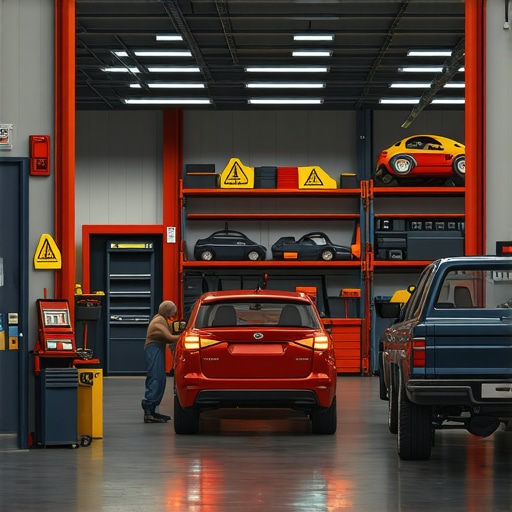
Why your Libertyville oil leak might actually be a cracked pan from a winter pothole
Why Your Libertyville Oil Leak Might Actually Be a Cracked Pan from a Winter Pothole
If you have lived in Libertyville for more than a single winter, you know the drill. The temperature fluctuates wildly, swinging from a deep freeze to a deceptive thaw and back again. While we worry about our heating bills and shoveling our driveways, our roads are taking a silent beating. By the time March rolls around, Milwaukee Avenue looks less like a suburban thoroughfare and more like a lunar landscape. For local drivers, this “pothole season” brings more than just the risk of a blown tire or a bent rim. At AutoLab Libertyville, we are seeing an increasing number of vehicles coming in for what the owner thinks is a standard oil leak repair, only to discover that the culprit isn’t a worn-out gasket – it is a cracked oil pan caused by a violent encounter with a Libertyville pothole.
A “stealth” oil leak can be devastating. Unlike a slow seep from a valve cover gasket that might take months to drop your oil level, a cracked pan can fail catastrophically. Whether you are driving a precision-engineered German machine requiring specialized bmw oil leak repair or a rugged SUV, the impact of a winter crater can compromise your engine’s lifeblood in seconds. Understanding why this happens, how to spot the signs, and why professional auto repair libertyville il is essential can save you thousands of dollars in engine replacement costs.
The Science of the “Libertyville Pothole”: Why Winter is Brutal on Oil Pans
The geography of the North Shore makes it a prime breeding ground for the dreaded freeze-thaw cycle. When snow melts during a sunny Libertyville afternoon, the water seeps into microscopic cracks in the asphalt. As night falls and the temperature drops below freezing, that water expands by approximately 9%. This expansion forces the pavement apart, creating voids. When heavy traffic – from commuters heading to the libertyville vw dealership to delivery trucks – passes over these weakened spots, the asphalt collapses. The result is a deep, sharp-edged crater that is often hidden by slush or standing water.
But why does this matter for your oil pan? In the quest for better fuel economy and better weight distribution, modern automotive engineering has changed the way oil pans are constructed. While older vehicles often featured heavy stamped-steel pans that would merely dent upon impact, many modern vehicles, particularly those from European manufacturers like Volkswagen and BMW, utilize thin-cast aluminum or even high-tech composite plastics. These materials are excellent for heat dissipation and weight reduction, but they are brittle. When you hit a significant pothole at speed, the suspension compresses fully, and the “bottoming out” effect can send the oil pan directly into the pavement or a loose piece of road debris. Instead of a dent, these pans shatter or develop hairline fractures.
At Auto Lab, we’ve seen cases where a driver didn’t even realize they hit a hole hard enough to do damage until they parked and noticed a growing dark stain. This is why choosing the right car service for your vehicle’s needs is critical; you need a technician who understands the specific vulnerabilities of your vehicle’s undercarriage during an Illinois winter.
Symptoms: Is it a Gasket Seep or a Pothole Crack?
Distinguishing between a natural wear-and-tear leak and impact damage is vital for prioritizing your repairs. Most oil leaks develop slowly over thousands of miles as rubber seals harden and shrink. However, a cracked pan from a pothole often presents with more urgent symptoms. If you suspect an issue, the first step is a visual inspection, but knowing what you are looking for is half the battle.
- Hairline Cracks: These are the most deceptive. A hairline fracture in a cast aluminum pan may only leak significantly when the engine is at operating temperature. As the metal expands with heat, the crack opens, allowing oil to spray out under pressure. You might notice a burning smell as oil hits the exhaust, or a consistent drip that only appears after a long commute.
- The “Shatter” Effect: In composite plastic pans, a hard hit can cause a spiderweb of cracks. This often leads to a heavy, immediate loss of fluid. If you see a large puddle forming within minutes of parking, do not attempt to drive the vehicle.
- Oil Pressure Warnings: If your oil light flickers during hard braking or cornering, your oil level is likely dangerously low because it is sloshing away from the pickup tube in a compromised pan. This is a red alert. At this stage, you are beyond a simple oil pan repair; you are at risk of total engine seizure.
- Transmission Fluid Confusion: Sometimes, an impact that cracks an oil pan also damages the transmission cooling lines. If you see red or pink fluid, you may need transmission leak repair fluid services alongside your engine repairs.
Regular maintenance is your best defense against missing these signs. We often tell our customers that why regular oil changes extend your car’s lifespan isn’t just about the fresh oil – it’s about the professional eyes on your undercarriage that can spot a weeping crack before it becomes a blowout. If you’ve noticed your oil looks unusual, such as the reason your oil looks like coffee grounds on the dipstick, it could indicate severe contamination or overheating caused by low fluid levels from a leak.
The Hidden Danger: When Potholes Damage More Than Just the Pan
A pothole impact violent enough to crack a structural engine component rarely stops there. The kinetic energy of hitting a six-inch-deep hole at 40 MPH on Milwaukee Ave travels through the entire vehicle. Often, when we perform an oil leak repair at Auto Lab, we find secondary damage that the driver hadn’t yet noticed.
One common victim is the evaporative emission system (EVAP). The charcoal canister and associated lines are often located low in the chassis. An impact can crack these plastic components, leading to an evap system leak detected code and a stubborn “Check Engine” light. This requires specialized evaporative emission system repair to ensure your vehicle passes Illinois emissions testing and runs efficiently.
Furthermore, your suspension takes the brunt of the force. If your car feels like it is vibrating specifically at sixty miles per hour after hitting a pothole, you likely have more than just a leak. You could have a bent rim, a shifted belt in your tire, or damaged control arm bushings. This is why a comprehensive inspection at a trusted libertyville car repair shop is non-negotiable after a hard road impact. We don’t just fix the leak; we ensure the entire vehicle is safe for the road.
Navigating MaxCare and CarMax Servicing in Libertyville
Many drivers in the Libertyville and Vernon Hills area purchase their vehicles from large national retailers and carry extended warranties like MaxCare. While your first instinct might be to search for a carmax service department or a carmax repair shop, many owners don’t realize they have choices. Auto Lab is a premier alternative for carmax servicing in the 60048 zip code.
We frequently work with MaxCare and other third-party warranty providers to ensure our customers get the high-quality repairs they deserve without the long wait times often found at a massive carmax car service center. Whether you need a carmax oil change or a complex engine repair, our team handles the paperwork and communication with the warranty company for you. We also accept Synchrony Car Care, providing flexible financing options for those unexpected mid-winter repairs. When you search for the best jeep service near me or specialized European care, remember that independent expertise often provides a more thorough, personalized experience than a high-volume dealership environment.
Why DIY “Stop Leak” Products are a Dangerous Mistake
When faced with a puddle of oil in the driveway, many well-meaning DIYers head to the local auto parts store for a “leak repair” additive. While these products claim to soften seals and stop leaks, they are fundamentally incapable of fixing a cracked oil pan. A crack is a structural failure of the material, not a shrinking gasket issue.
Using these chemicals can actually cause more harm than good. These additives work by causing rubber components to swell, but they can also gum up narrow oil passages and interfere with the variable valve timing systems found in modern engines. The secret to keeping your engine clean internally between changes is using high-quality synthetic oil and avoiding unnecessary additives. If you have a cracked pan, the only solution is a physical oil pan repair or replacement. Pouring “stop leak” into a shattered BMW or VW pan is like putting a Band-Aid on a broken leg – it ignores the structural reality of the damage and risks clogging your engine’s internal components.
For those looking for top oil change tips for safe driving in 2025, the number one piece of advice is: if it’s leaking, fix the source. Don’t mask it with chemicals.
The Auto Lab Difference: 3-Year/36,000-Mile Peace of Mind
At Auto Lab, located at 400 S. Milwaukee Ave in Libertyville, we understand that an unexpected oil leak repair can be stressful. Under the leadership of Yony Turcios, our shop has built a reputation on transparency and technical excellence. We don’t just want to fix your car today; we want to be your partner in automotive health for the life of your vehicle.
What sets us apart from the carmax service department or local dealerships? It’s our industry-leading 3-year/36,000-mile warranty on most repairs. When we replace a cracked oil pan or perform a bmw oil leak repair, we stand behind our work with a guarantee that far exceeds the industry standard. We use high-quality parts that meet or exceed OEM specifications, ensuring that your repair holds up against the next round of Libertyville potholes.
Whether you are coming in for a routine oil change carmax warranty service or a major engine overhaul, you receive the same level of meticulous attention. Our technicians are trained to look beyond the immediate problem to identify potential future issues, giving you a complete picture of your vehicle’s health.
Conclusion & Call to Action
A winter pothole in Libertyville is more than just a nuisance; it is a genuine threat to your vehicle’s engine. A cracked oil pan can turn a routine commute into a roadside emergency in a matter of seconds. If you have hit a significant pothole recently, or if you’ve noticed even a small spot of oil on your garage floor, don’t wait for the “Low Oil Pressure” light to seal your engine’s fate.
Trust the experts at AutoLab Libertyville to provide a fast, accurate diagnosis and a repair that is backed by the best warranty in the business. From evap system leak detected codes to complex structural oil pan repair, Yony Turcios and the team at Auto Lab are here to keep you on the road. Call us today at 847-367-4488 or stop by our shop at 400 S. Milwaukee Ave. Libertyville, IL 60048. Let’s make sure your car is ready to handle whatever the Illinois roads throw at it.