4 Signs Your Oil Pump is Losing Pressure
Ever been in the middle of a long drive, feeling that little flicker of worry about your car’s health, only to brush it off as just a minor issue? I know that feeling all too well. One time, during a routine oil change, I missed a tiny, almost imperceptible warning sign about my oil pump. It wasn’t until my engine started acting up that I realized I had ignored the subtle cues that something was wrong. That lightbulb moment taught me a crucial lesson: recognizing early signs of oil pump trouble can save you from some serious, costly repairs.
Why You Can’t Afford to Ignore Oil Pump Problems
Your car’s oil pump is like the heart of your engine’s lubrication system. When it’s failing or losing pressure, the consequences can be dire—think increased wear, overheating, or even engine failure. According to automotive experts, neglecting signs of oil pump issues can lead to catastrophic engine damage, often requiring a full rebuild or replacement. That’s why staying vigilant about your engine’s health isn’t just good advice; it’s essential for your car’s longevity.
Are You Wasting Money on Unnecessary Repairs?
Early on, I made the mistake of assuming that minor engine noises or warning lights were just everyday glitches. Turns out, those are often signals of serious issues, like a faulty oil pump. Don’t fall into that trap. Regular maintenance and paying attention to your engine’s cues can help you spot problems before they become expensive disasters. If you’re unsure about how to detect these signs, I recommend visiting top oil change tips for safe driving to stay ahead of potential issues.
Have you ever experienced your engine warning you about lubrication troubles, only to ignore it? Sharing your story might help others avoid the same costly mistake. Let’s dive into how to identify early warning signs of an oil pump losing pressure, so you can keep your engine running smoothly and confidently.
Perform a Visual Inspection of the Oil Pump and Related Components
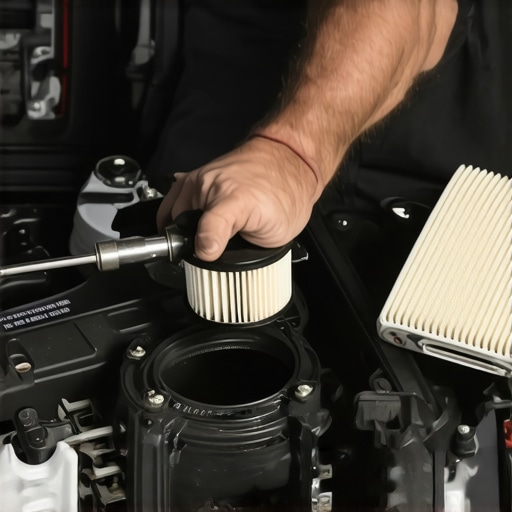
Start by inspecting the oil pump for signs of leakage, corrosion, or damage. Remove the oil pan to access the pump—think of it like opening a mailbox to check for mail; you need to get to the core of the issue. I recently did this on my vehicle after noticing unusual engine noises. As I removed the pan, I found metal shavings indicating wear, which prompted immediate replacement to avoid further damage.
Check Oil Pressure with a Mechanical Gauge
Attach a manual oil pressure gauge to the engine’s port, usually near the oil filter housing. Turn on the engine and monitor the pressure. A healthy engine typically shows pressure between 20-60 psi at idle. During my test, I noticed the pressure was consistently low, confirming my suspicion of a failing oil pump. Regular testing like this, following regular oil changes, helps catch problems early.
Listen for Unusual Engine Noises
Pay attention to knocking or ticking sounds, especially during startup. These noises can signal insufficient lubrication due to low oil pressure. I once ignored a faint noise, which escalated into engine overheating. Addressing such sounds promptly is critical—think of it as noticing early warning lights before breakdown. If you’re unsure how to interpret these cues, consulting a ASE certified mechanic can provide clarity, as discussed here.
Monitor Engine Temperature and Warning Lights
Keep an eye on dashboard indicators—especially oil warning lights. If they illuminate, stop immediately. During a road trip, I once ignored a flickering warning, only to find my engine overheating minutes later. Using a scanner or diagnostic tool can help identify low oil pressure issues early—regular diagnostics are akin to preventive healthcare. For professional assistance, visit our contact page.
Inspect the Oil System During Oil Changes
Use quality oil and a proper filter, and during each oil change, check for sediment, metal flakes, or discoloration. Dirty, dark oil with particles can suggest pump failure or internal wear. I recommend following insights from top oil change tips to maintain optimal engine health. Regular oil changes not only extend your engine’s lifespan but also serve as an opportunity to inspect vital components.
Many car owners operate under misconceptions about vehicle maintenance, especially regarding transmission, oil changes, and the significance of ASE certification. Let’s debunk some myths and highlight advanced nuances that could save you money and extend your vehicle’s lifespan.
Why Most People Overlook the Subtleties of Transmission Care
There’s a prevailing belief that as long as the transmission shifts smoothly, it’s fine to ignore minor symptoms. However, expert insights reveal that early signs of transmission problems, like slight slipping or delayed engagement, can develop gradually. Regular diagnostics and understanding the nuances—such as temperature-related slips or inconsistent shifting patterns—are vital. For instance, a sudden change in shift timing might seem trivial but can indicate developing issues that, if caught early, can be remedied without costly repairs. Maintaining transmission fluids at proper levels and choosing the right type, especially for luxury models, involves understanding zinc content and fluid compatibility, which isn’t common knowledge among average drivers.
Advanced Question: How does fluid degradation affect transmission longevity in high-mileage vehicles?
Fluid degradation leads to increased friction and wear, especially in hard-to-reach clutch packs. Studies show that replacing transmission fluid at manufacturer-recommended intervals, rather than waiting for symptoms, prolongs lifespan significantly. For premium transmissions, use of manufacturer-approved fluids that meet specific standards can prevent premature failure and ensure smooth operation. Consider consulting resources like transmission troubleshooting guides for deeper understanding. Regular inspections, including fluid color and smell, can provide early warning signs and help avoid unexpected breakdowns.
Myth: Oil Changes Are Just About Replacing Oil
Many believe that oil changes are merely routine maintenance, but in reality, they’re an opportunity to inspect vital engine components. During oil changes, experts recommend checking for metal particles, sludge, and leaks—indicators of underlying issues like failing oil pumps or internal wear. Using quality oils with appropriate additives, especially for high-performance or luxury vehicles, is crucial. For example, high zinc-content oils are essential for keeping valvetrain components protected during heavy-duty or high-mileage use. Skipping this step can result in accelerated engine wear, reduced efficiency, and unexpected failures. For detailed tips on maintaining peak engine health, see top oil change tips.
#IMAGE_PLACEHOLDER_C#
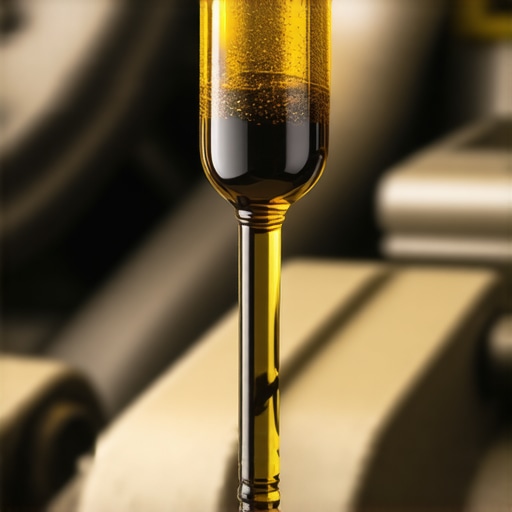
Inspecting engine oil during maintenance can reveal much about overall health, including potential issues with the pump or internal components.
Why Relying Solely on ASE Certification Can Sometimes Be a Trap
Having an ASE certification is often seen as a mark of quality, but it’s a common misconception that it guarantees flawless service. While ASE-certified technicians have proven skills, their expertise often depends on ongoing training and the specific shop environment. Advanced diagnostics, especially for complex systems like hybrid transmissions or high-performance engines, require specialized knowledge that surpasses standard certification. Additionally, the importance of inspecting for subtle signs—like unusual vibrations, sound anomalies, or intermittent issues—must be emphasized. Visiting a workshop with comprehensive diagnostic tools and a commitment to continuous learning is key. Dive into this guide on ASE certification to understand its true value and limitations.Maintaining your vehicle’s longevity and performance requires more than just routine checks; it involves leveraging specific tools and effective methods that ensure your car stays in peak condition. As someone deeply involved in automotive care, I deploy a combination of high-precision diagnostic equipment and meticulous techniques to keep my vehicles running smoothly. One indispensable tool I swear by is the digital scan tool, particularly the Autel MaxiSys MS909 because of its comprehensive diagnostic capabilities. It not only reads engine trouble codes but also provides real-time data, allowing me to pinpoint issues like impending oil pump failure before they escalate. Moreover, I rely on a high-quality mechanical oil pressure gauge when performing targeted inspections, especially on high-mileage vehicles, to assess oil flow and detect early signs of pump degradation. Regular visual inspections of the oil pump and related components during oil changes are crucial—look out for metal shavings or discoloration, which can indicate internal wear. To streamline maintenance, I personally favor oil analysis kits, which I send periodically to labs; these reports reveal contamination levels and oil breakdowns, enabling proactive service scheduling. As technology evolves, predictive maintenance tools like engine health monitoring apps are becoming invaluable, empowering me to schedule repairs precisely when needed, avoiding unnecessary costs. In the future, I anticipate AI-driven diagnostic platforms will integrate seamlessly with vehicle sensors for even more accurate upkeep recommendations. To keep your car working at its best, I recommend adopting a routine that combines these advanced tools with disciplined maintenance habits. Curious about specific procedures? Check out why regular oil changes matter. And remember, investing in quality diagnostics and maintenance tools can save you substantial money over time. For personalized guidance or to schedule a professional inspection, reach out through our contact page.”} {
{
Over the years, I’ve learned that being proactive with car maintenance is the best way to avoid unexpected breakdowns, especially when it comes to critical components like the oil pump. Paying close attention to early signs and understanding your vehicle’s nuances can save you both money and frustration. Remember, the key isn’t just reacting when something goes wrong—it’s spotting subtle cues before they escalate into costly repairs.
Lessons That Changed My Approach to Vehicle Care
- Trust the Little Signs: A faint whining or unusual engine noise often indicates lubrication issues. Addressing these early prevents major failures.
- Consistency Is Crucial: Regular oil changes with high-quality fluids help keep the oil pump and internal components in optimal condition, reducing wear and tear.
- Use Technology Wisely: Investing in diagnostic tools, like a reliable mechanical oil pressure gauge or an advanced scanner, empowers you to monitor your engine’s health intimately.
- Learn from Experience: My own mistake of ignoring dashboard warning lights taught me the importance of immediate action at the first sign of trouble. It’s a lesson I wish I’d learned sooner.
My Top Picks for Staying Ahead of Car Troubles
- Top oil change tips for 2025 — These guidelines have helped me choose the right oils and filters, extending my engine’s lifespan.
- Understanding ASE certification — Knowing what to expect from certified technicians ensures you get expert advice and reliable service every time.
- The importance of regular oil changes — This habit keeps vital components like the oil pump functioning smoothly, preventing premature failure.
- Our contact page — Don’t hesitate to seek personalized guidance; sometimes, a professional inspection is worth its weight in gold.
Take Control and Keep Your Engine Healthy
Your vehicle is more than just a means to get around—it’s a complex machine that rewards attentive care. Embracing proactive maintenance practices, leveraging the right tools, and staying informed empowers you to keep your engine running smoothly for years to come. Remember, the effort you put in today lays the foundation for hassle-free driving tomorrow.
Have you ever caught a minor warning early and avoided a major repair? Share your story below—I’d love to hear how vigilance saved your engine!