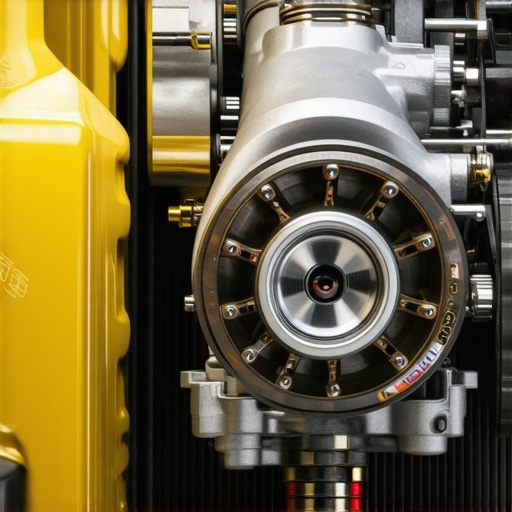
Why Cheap Synthetic Oil Might Be Ruining Your Turbocharger
It started with a faint whistle under the hood, then a sudden loss of power during my morning commute. I shrugged it off as just another typical engine hiccup—until I took a closer look and realized my turbocharger might be suffering because of something as seemingly harmless as the oil I was using. That lightbulb moment made me confront a hard truth: not all synthetic oils are created equal, and skimping on quality could be silently destroying one of the most critical parts of my engine.
Why Saving a Few Dollars on Oil Might Cost You Dearly
I’ve learned the hard way that choosing cheap synthetic oil can lead to severe turbocharger damage over time. Turbochargers operate under extreme conditions—they pressurize the intake air to boost performance, but they rely heavily on proper lubrication to keep moving parts from grinding themselves to ruin. When inferior oil breaks down quickly or doesn’t provide the necessary lubrication, it can cause increased wear and even catastrophic failure.
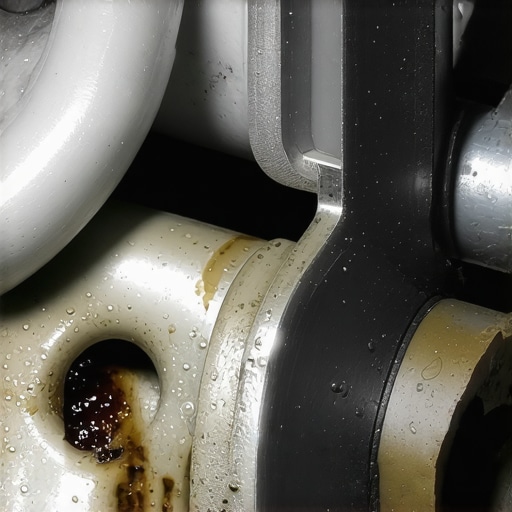
Early on, I made the mistake of assuming all ‘synthetic’ oils provide the same protection. I was lured by lower prices and assurances from budget oil brands, but experience proved otherwise. The result? Sludge buildup inside my turbo and increased engine temperatures, which could have been avoided with better oil choices. For a detailed look at how sludge accumulates in engines due to poor oil, check out this informative article.
Now, I pay closer attention when I choose my engine oils. It’s not just about price—it’s about protecting a significant investment and maintaining performance. As a car enthusiast and mechanic, I can tell you that synthetic oils vary greatly in quality, and cheap options often lack the necessary additives to prevent wear during the high-stress operation of turbocharged engines.
Are You Still Using Cheap Synthetic Oils? Here’s Why You Should Think Twice
If you’ve ever experienced rough starts, reduced throttle response, or mysterious engine noises, your oil quality might be to blame. The good news? Addressing this issue now can save you a lot of money down the line. But first, you need to understand the risks and how to select the right product for your turbocharged vehicle. Curious if your current oil is adequate? You might find this guide on selecting genuine ASE-certified products handy.
So, have you faced similar issues, or are you still rolling the dice with cheap synthetic oils? Stick around, because I’ll walk you through how to make smarter choices that won’t just improve performance—they’ll preserve your turbocharger for the long haul. Ready to dive into the practical steps? Let’s get started, starting with how to spot a quality oil that’s worth every penny.
Identify High-Quality Synthetic Oils Your Engine Trusts
Start by scrutinizing oil labels. Look for brands that meet or exceed API SN+ or ILSAC GF-6 standards, which indicate superior additive packages essential for turbocharged engines. I once mistakenly bought a cheap synthetic oil, thinking all synthetics are equal, but that decision led to increased sludge buildup, making my turbo feel sluggish within a few months. To avoid this, check for detailed specifications and certifications like the ASE certification that confirms quality assurance. Remember: investing in the right oil today saves costly repairs tomorrow.
Perform Proper Oil Changes with Precision
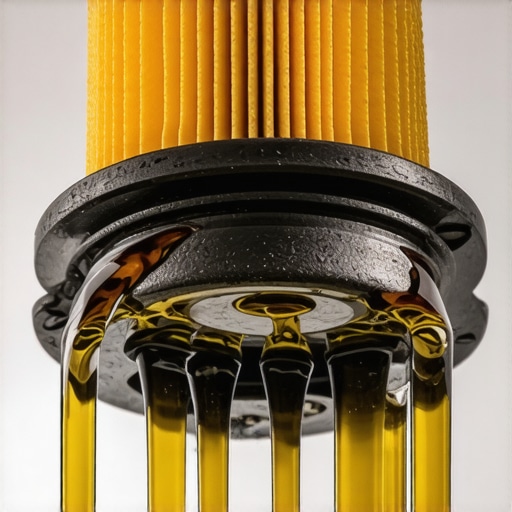
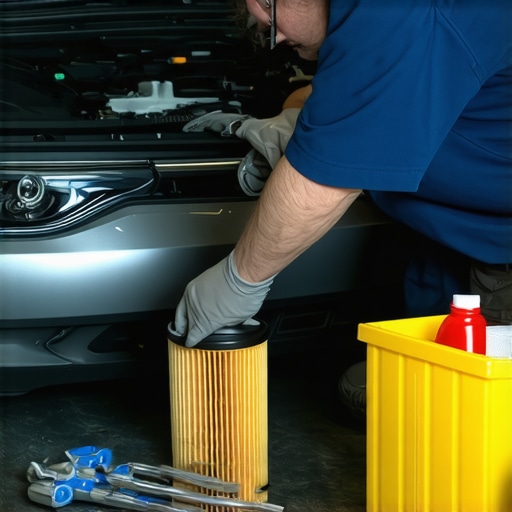
Drain the old oil fully, ensuring no residual contaminants remain. Use a clean, high-quality oil filter—preferably a magnetic filter—since particles like metal flakes can accelerate wear in turbo systems. I once skipped changing the filter during an oil swap, which resulted in a quick blackening of the new oil—signaling contamination and poor lubrication—highlighting the importance of meticulous filtering. For guidance on verifying if your filter was replaced correctly, consult this checklist. Ensure your oil change process is thorough to uphold engine health.
Ensure Correct Oil Viscosity and Additives
Choosing the right viscosity grade—like 5W-30 or 0W-40—is crucial for turbo engine performance. Low-viscosity oils, such as 0W-20, might sound appealing for fuel economy but can cause increased wear and oil dilution in high-stress turbo conditions. I learned this firsthand when my engine started hunting for gears, prompting a switch back to a thicker grade after consulting signs of low viscosity. Recommended additives like detergents and anti-wear agents help keep sludge at bay and protect turbo components from premature failure. Always check that your oil contains these vital additives—it’s like giving your engine a protective armor.
Practice Regular Oil Monitoring and Top-Ups
Consistently check your oil level—preferably once a month. Use a clean dipstick and verify the level against the markings. A subtle drop in oil level might seem insignificant but can signal leaks or increased consumption, which accelerates wear. I experienced this when a minor leak caused my oil to drop between changes, making my turbo noise louder. To preempt such issues, consider using oil monitoring devices and alert systems. For more about oil longevity, explore how to interpret oil life monitors. This habit helps catch potential problems before they escalate into costly repairs.
Adopt ASE-Certified Maintenance Strategies
Always choose ASE-certified technicians for oil changes, transmission services, and other maintenance. An ASE-certified shop guarantees adherence to industry standards and uses genuine parts and fluids. I once tried a quick oil change from an unverified mechanic, only to discover a counterfeit filter that caused oil starvation, leading to turbo damage. Read this guide to identify genuine ASE certification. Proper certification is your best assurance that your engine gets the care it deserves, extending the lifespan of your turbocharger and engine as a whole.While many car owners rely on popular practices like regular oil changes and trusting ASE-certified technicians, there are nuanced pitfalls that often go unnoticed. One common misconception is the oversimplification of what ASE certification truly guarantees; many assume it signifies flawless service, but in reality, it mainly indicates that the technician has passed a strict exam, not that they’ve performed the repair without oversight or shortcuts. This misconception can lead owners to overlook signs of subpar work, such as missed preventive measures against engine sludge accumulation, which I discuss in detail here.
Keeping it working: My top tool recommendations
Maintaining your vehicle’s health over the long term requires the right tools and a strategic approach. I personally rely on a high-quality scan tool like the Autel Maxisys Elite. This device allows me to access and clear error codes, monitor live sensor data, and perform advanced diagnostics on systems like transmission and turbochargers. Its compatibility with a wide range of vehicle makes and models makes it indispensable for both DIY enthusiasts and professional mechanics.
Another tool I consider essential is a magnetic drain plug. Installing one ensures I catch metal particles that can indicate wear, especially in turbocharged engines prone to sludge buildup. This small addition can provide early warning signs and save on costly repairs by alerting me to issues before failure occurs. For oil analysis, I use a portable spectrometer like the OIL-X, which helps me identify contaminants and assess oil condition without sending samples to a lab—a game-changer for proactive maintenance.
When it comes to routine inspections, a borescope camera is invaluable. I use a compact, flexible camera to peek into engine cylinders, valve covers, and transmission fluid chambers. This allows me to spot sludge, metal flakes, or leaks without dismantling complex components, making regular maintenance more efficient and less invasive. For instance, catching early sludge accumulation in turbo systems can prevent performance degradation—check out this article for insights on sludge Risks.
What’s the future of car maintenance tools?
Predicting upcoming trends, I believe AI-powered diagnostic systems will become standard, providing real-time analysis and predictive maintenance alerts. Augmented reality glasses might guide technicians through complex repairs, reducing errors and speeding up service. As sensors become more integrated into vehicles, tools that can interface directly with onboard systems will revolutionize our ability to keep cars running smoothly for the long haul.
How do I maintain long-term performance with these tools?
Regularly calibrate your diagnostic equipment to ensure accuracy, and keep software up to date. Incorporate routine checks like oil analysis to catch issues early, particularly in high-stress components like turbochargers and transmissions. Using the right tools consistently will help you identify potential problems before they escalate, ultimately prolonging your vehicle’s lifespan and saving costs.
If you haven’t yet, try implementing a magnetic drain plug in your next oil change. It’s a simple upgrade that can provide early detection of engine wear particles, significantly enhancing your maintenance routine. Remember, investing in quality tools now pays off in the form of fewer breakdowns and longer vehicle life, especially as cars become more technologically advanced and require precise care. Want to dive deeper? Explore more about how to spot genuine ASE certifications here for added confidence in your maintenance choices.
What I Wish I Knew About Protecting Turbochargers Early On
My journey taught me that even small details in oil selection and maintenance can mean the difference between a turbocharged engine roaring smoothly or grinding to a halt. The biggest lesson? Prioritize quality over cost; cheap synthetic oils might save money today but cost you a fortune tomorrow. From experience, I found that the right additive package and certifications like API SN+ truly matter, ensuring your turbocharger is well-lubricated through all those high-pressure cycles. Ignoring this can lead to sludge buildup and accelerated wear, which might not be obvious until costly repairs are needed—something I learned the hard way, referencing this insightful article.
Secrets Only the Pros Know About Oil Changes
One of the most underrated aspects of engine longevity is meticulous oil change routines. Using magnetic drain plugs and verified quality filters can make early signs of engine wear visible, saving you from surprise breakdowns. I once skipped detailed filter checks—big mistake that resulted in metal flakes clogging my turbo’s delicate bearings. The takeaway? Regular, precise oil change procedures combined with carefully selected fluids are your best defense, as explained in this step-by-step guide.
Innovative Tools That Transformed My Maintenance Approach
Investing in diagnostic tools like a high-quality scan device or a borescope camera opened my eyes to deeper engine insights. These tools not only track real-time data but also help spot subtle sludge or metal buildup before it turns into a failure. I rely on them regularly, including a spectrometer for oil analysis, which reveals issues that otherwise might have gone unnoticed—more details available in this recommended resource. Embracing such technology empowers proactive care, extending turbocharger life exponentially.
Why Cutting Corners on Synthetic Oil Is a False Economy
Skimping on synthetic oil quality might feel like saving money initially, but it’s a fast track to turbo failures. The additives in premium oils protect under extreme conditions—something my turbo system desperately needs after countless high-stress drives. Low-quality oils break down faster, leading to increased sludge and heat, accelerating wear. Recognizing your oil’s qualities, like viscosity grades and certifications, is crucial; this guide helped me distinguish genuine protection from false promises. Protect your engine’s heart and avoid costly repairs by making informed oil choices.