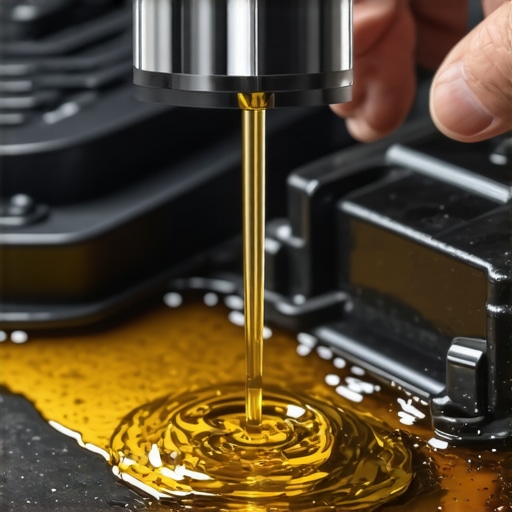
The Real Cost of Ignoring That Slow Oil Drip in Your Driveway
I remember the moment vividly—a slow, almost unnoticeable drip forming on my driveway each morning. At first, I brushed it off, thinking, “Just a little leak. It’s probably nothing.” But as weeks went by, that tiny drip became a small puddle, and my concern grew. I finally realized that ignoring this small sign could cost me more than I ever imagined. Have you ever seen that tiny oil spot and wondered if it’s worth worrying about? Today, I want to share my journey and shed light on why that slow drip is more than just a nuisance—it’s a warning sign that could save you from costly repairs down the line.
Why That Little Oil Leak Can Hit Your Wallet Harder Than You Think
Most of us tend to overlook minor leaks, assuming they’re just part of aging or a quick fix. But what if I told you that neglecting a slow oil drip can lead to catastrophic engine damage, expensive repairs, and even compromise your safety on the road? That tiny drop is essentially your car’s way of throwing up a red flag. Over time, losing even a small amount of oil can cause insufficient lubrication, increasing wear and tear on vital engine components. I learned this lesson the hard way—early on, I made the mistake of assuming a little leak was no big deal, only to end up footing a hefty bill for engine repairs. Regular oil changes are crucial for keeping your engine healthy, but spotting and addressing leaks early is equally important. For a comprehensive guide on maintaining your engine, check out top oil change tips for safe driving in 2025.
Is Overlooking Leaks Really That Dangerous?
Initially, I thought my leak was just a minor annoyance, nothing more. But I ignored it for a few months, and then, suddenly, my engine started overheating. The leakage had become a serious problem—oil wasn’t circulating properly, causing friction and heat. According to automotive experts, neglecting oil leaks and low oil levels significantly shortens engine lifespan and can lead to complete engine failure. It’s a mistake I see too often—assuming minor issues will resolve themselves. Trust me, delaying repairs only adds to your expenses. So, if you’ve ever hesitated to diagnose that lingering drip, consider this your sign to take action now. Proper maintenance, including regular inspections, can help prevent these costly surprises. Learn more about how regular oil changes extend your car’s lifespan at why regular oil changes extend your car’s lifespan.
Now that I’ve shared my story, I’ll walk you through the practical steps to identify, assess, and fix that stubborn oil leak before it takes a toll on your vehicle. Ready to protect your investment and keep your car running smoothly? Let’s dive in.
Start with a Visual Inspection
Begin by parking your car on a level surface and letting the engine cool down completely. Open the hood and check for obvious signs of oil leaking from seals, gaskets, or the oil pan. Use a flashlight to spot any fresh oil spots or drips underneath your vehicle. This initial step helps you identify the general area of the leak, making the next steps more straightforward.
Assess the Severity and Source of the Leak
Once you’ve located the leak, determine whether it’s a minor seepage or a significant drip. Loose or damaged components often cause leaks. For instance, a worn valve cover gasket can cause oil to seep onto the engine’s exterior, while a cracked oil pan might result in a more substantial leak. To get a clearer picture, clean the engine area with a degreaser, then run the engine for a few minutes to observe where fresh oil appears.
Use a UV Dye for Hard-to-Spot Leaks
If the leak source isn’t obvious, apply a UV dye designed for automotive oil leaks. Add the dye to your engine oil following the product instructions. After running the engine for a while, use a UV flashlight to inspect the engine bay; glowing spots indicate the exact leak point. This technique is highly effective for pinpointing hidden leaks without disassembly.
Plan Your Repair: DIY or Professional Help
Decide whether you can tackle the repair yourself or if it’s better to consult a professional. For minor leaks like a loose oil drain plug or a degraded valve cover gasket, a simple DIY fix might suffice. However, if the leak stems from more complex issues such as a cracked oil cooler or a damaged oil pump, professional service is advisable.
Gather the Necessary Tools and Parts
For basic fixes, you’ll need standard tools: socket wrenches, screwdrivers, and possibly a torque wrench. For gasket replacement, get a quality replacement gasket suitable for your vehicle model. Always refer to your vehicle’s service manual for specifications and torque values to ensure proper assembly.
Executing the Fix Effectively
Start by draining the oil if you’re replacing gaskets or seals that require engine oil removal. Carefully remove the faulty component, clean the mating surfaces thoroughly to prevent future leaks, and install the new gasket or sealed part. When reassembling, tighten bolts to the manufacturer’s torque specifications. For example, when replacing a valve cover gasket, tightening in a crisscross pattern ensures even pressure and prevents leaks.
Restore Engine Oil and Check for Leaks
After reassembly, refill with fresh oil using quality oil recommended by your manufacturer—consider synthetic options for better protection. Start the engine and let it run for a few minutes to circulate the new oil. Conduct a visual inspection again to confirm the leak has been resolved. Keep an eye out for any signs of fresh oil appearing around the repaired area. Regular oil changes are also vital—check out top oil change tips for safe driving in 2025 to ensure ongoing engine health.
Monitor and Maintain
Even after fixing the leak, periodically inspect your engine for signs of oil seepage, especially after long drives or during routine oil changes. Maintaining proper oil levels and replacing gaskets or seals at the first sign of deterioration can save you from costly repairs later. For a comprehensive understanding of engine maintenance, visit why regular oil changes extend your car’s lifespan.
Many car owners operate under misconceptions that could cost them dearly. Contrary to popular belief, not all car services are created equal, and understanding the hidden nuances can make a significant difference in vehicle longevity. For instance, a common myth is that regular oil changes alone guarantee engine health, but recent studies highlight the importance of using the right type of oil and timing it correctly for your specific vehicle, especially in extreme climates. Skipping or delaying oil service, even by a few thousand miles, can lead to sludge buildup, reducing lubrication efficiency and accelerating engine wear. For advanced insights on optimizing oil change intervals, check out top oil change tips for safe driving in 2025. On the transmission front, many believe that transmission fluids last forever or only need replacement when symptomatic. However, experts warn that neglected fluid maintenance can cause shuddering, slipping, or complete transmission failure. Regular inspections and using certified technicians ensures that these vital components receive appropriate care. Interestingly, a significant oversight is inadequate understanding of ASE certification. Many assume that ASE-certified technicians are infallible, but in reality, not all certificates are equal—some technicians might have limited experience or specialize in specific areas. It’s wise to verify ASE credentials and ask about specific training, especially for complex repairs like transmission work. For more on what ASE certification truly signifies, visit what does an ASE certification mean for your car’s maintenance. Another frequent misunderstanding involves car service packages. Many think that all ‘full-service’ checkups cover every aspect of vehicle health, but some standard packages omit critical components like transmission or coolant system evaluations. Always scrutinize what’s included—overlooking these can lead to unexpected failures. An advanced tip is to request a comprehensive multi-point inspection that probes beyond obvious issues. Now, let’s address a common
Maintaining your vehicle over time isn’t just about replacing worn-out parts—it involves the right tools, consistent methods, and an understanding of long-term strategies. One of my go-to tools is an automotive scan tool like the AUTEL MaxiCOM. I personally prefer this device because it provides comprehensive OBD-II diagnostics, allowing me to identify issues before they escalate into costly repairs. Regularly scanning my vehicle helps me catch sensors or emission problems early, saving me both time and money. Using a quality scan tool isn’t just for professionals; with advancements in automotive technology, many modern tools are user-friendly and affordable for enthusiasts.
Beyond diagnostics, consistent oil maintenance proves vital. I recommend synthetic oils like Mobil 1, which excel under extreme driving conditions and extend engine life. Implementing scheduled oil changes, typically every 5,000 to 7,500 miles for synthetic oils, ensures optimal engine health. Pairing this with a reliable oil filter, such as the Wix Spin-On, helps prevent contaminants from circulating within the engine.
What about tools for transmission care?
For transmission health, I regularly use a dedicated transmission fluid tester like the OTC 4659. It allows me to verify fluid condition without draining, helping me determine if a full flush or partial change is needed. Experts recommend maintaining your transmission with proper fluid checks to avoid slipping and shuddering, especially in older models.
Looking ahead, I believe the trend in vehicle maintenance will lean heavily on smart diagnostics and predictive analytics. With IoT integration, sensors will monitor vital components constantly, alerting owners via smartphone apps before issues become critical. Embracing tools like OBD-II adapters that connect to apps such as Torque Pro will become standard for proactive care.
How do I maintain transmission health over time?
Creating a schedule based on your vehicle’s manual and using dedicated tools to monitor fluid quality can make all the difference. Regularly inspecting for leaks, checking fluid color and smell, and scheduling professional service before problems manifest will keep your transmission shifting smoothly for hundreds of thousands of miles. For a detailed guide, explore transmission maintenance tips.
Don’t overlook the importance of certified expertise. Verifying that your mechanic is ASE-certified adds a layer of confidence, especially when dealing with complex systems like transmissions. For insights into technician qualifications, visit the significance of ASE certification.
Finally, stay ahead of the curve by adopting tools and methods designed for long-term results. Investing in a quality scan tool, using top-tier oils and filters, and keeping records of maintenance work act as a foundation for your vehicle’s longevity. I highly recommend trying an advanced diagnostic procedure—like conducting a UV dye test—to precisely locate hidden leaks, which can prevent major damage. Remember, proactive care today saves you from costly repairs tomorrow.
Uncovering Hidden Costs of Neglecting Small Leaks
One of the most important lessons I learned was that overlooking minor oil leaks can lead to severe engine damage. It’s easy to dismiss a tiny drip, but that seemingly insignificant leak often indicates a larger problem waiting to escalate. Small leaks can cause reduced lubrication, resulting in increased engine wear and eventual failure. Recognizing this early and acting promptly saves both money and vehicle longevity.
Why Choosing Certified Technicians Matters More Than You Think
Initially, I believed any mechanic could handle transmission repairs or oil changes. However, I discovered that ASE-certified technicians bring a depth of expertise and a commitment to quality that amateur repairs can’t match. Their advanced training ensures that complex issues are diagnosed accurately and fixed effectively, preventing recurring problems and costly overhauls.
Realizing the Power of Proper Diagnostic Tools
Investing in top-tier diagnostic tools like the AUTEL MaxiCOM transformed how I approached vehicle maintenance. These tools help identify hidden issues before they become costly repairs, especially for modern vehicles with intricate systems. Using the right equipment empowers you to maintain your car proactively, not reactively, which is the key to long-term savings.
The Unexpected Impact of Regular Oil Changes
What surprised me most was how consistent oil maintenance directly correlates with engine performance and lifespan. Synthetic oils, combined with quality filters, protect vital components and keep the engine running smoothly. Regular oil changes prevent sludge buildup and ensure optimal lubrication, which is crucial for engines operating in diverse climates and driving conditions.
Curated Resources for Better Car Care
- Top Oil Change Tips for 2025: Learn about the latest synthetic oils and filtering techniques to maximize engine health. I rely on this resource for up-to-date practices that keep my vehicle in top shape.
- Understanding ASE Certification: Knowing what ASE certification entails helps me select reliable technicians. This knowledge ensures I entrust my car’s maintenance to qualified professionals.
- Transmission Troubleshooting Guides: These guides help me recognize issues like slipping or shuddering early, enabling timely intervention and avoiding major repairs.
- Official Privacy Policy and Vehicle Maintenance Articles: These sites provide vital information on vehicle warranties, service intervals, and trusted car care strategies that I follow regularly.
Embrace Preventive Car Care and Watch It Pay Off
Taking control of your vehicle’s maintenance with proper tools, knowledge, and regular inspections can dramatically extend your car’s life and reduce expenses. Start today—use a UV dye to locate those sneaky leaks or invest in a quality scan tool to catch issues early. When you prioritize preventive care, you’re not just fixing cars; you’re protecting your journey ahead. Are you ready to make your car maintenance smarter and more proactive? Share your experiences below—what’s the one improvement you plan to implement?