The Real Reason Your New Brake Pads Are Squealing Already
It was a typical Saturday morning when I finally decided to tackle that brake squeal that had been driving me nuts. I had just replaced my brake pads the week before, expecting smoother braking and peace of mind. But as soon as I hit the pedal, that high-pitched squealing kicked in—louder than I remembered. I felt a mix of frustration and disbelief. How could new brake pads be squealing so quickly? That lightbulb moment led me down a rabbit hole of surprising truths about brake installation and maintenance that I wish I’d known earlier.
The Real Reason Your New Brake Pads Are Already Squealing
If you’ve recently installed new brake pads and you’re already hearing that annoying squeal, you’re not alone. It’s a common issue that leaves many car owners scratching their heads, thinking they got a defective product or that their mechanic did something wrong. The truth is, there are several factors at play, from the quality of the pads to installation quirks—some of which I made the mistake of ignoring early on.
Are Cheap Brake Pads to Blame?
One of my biggest early mistakes was choosing budget brake pads without doing proper research. I thought I was saving money, but I ended up with a set that wasn’t designed to play nicely with the rotor, causing immediate squealing. High-quality ceramic brake pads tend to be quieter and last longer, but they do come at a higher price point. If you’re in a hurry to fix the noise, it’s tempting to go cheap—but that often backfires. To learn more about how quality affects brake performance, check out why regular oil changes matter.
Is Proper Installation Really Critical?
Another obstacle I ran into was rushing through the installation process. Even minor mistakes—like not applying anti-squeal lubricant correctly or skipping the rotor cleaning—can cause squealing right out of the gate. Ensuring that components are properly lubricated and fitted is crucial. If you’re unsure about your technique, consulting a professional or an ASE-certified technician can save you from future headaches. Learn more about what ASE certification means for your vehicle at ASE certification insights.
So, why does this matter to you now? Well, understanding the causes of brake squeal helps you avoid unnecessary repairs and keeps you safe on the road. Plus, it saves you from the frustration of noise that just won’t quit. Are you experiencing this right now? If so, don’t worry—there’s a way to fix it, and I’ll walk you through the practical steps soon. But first, let’s talk about the common mistakes that can make or break your brake performance.
The next section will cover the key pitfalls to avoid and how to ensure your brakes are installed and maintained for maximum quiet and efficiency.
Prepare Your Workspace and Gather Necessary Tools
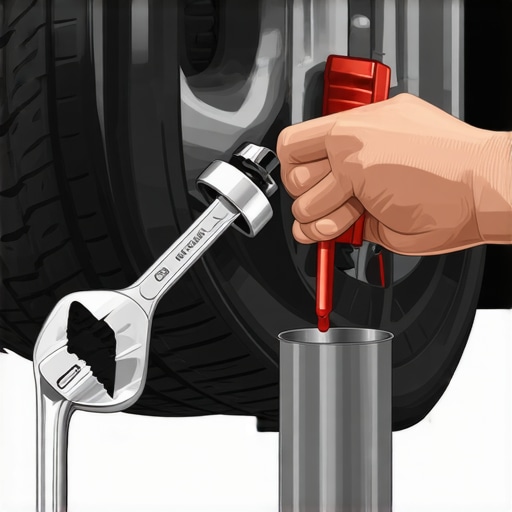
Before diving into the repair, ensure your vehicle is on a flat, stable surface. Engage the parking brake and wear safety gloves and goggles. You’ll need a socket set, brake lubricant, a wire brush, and possibly new brake clips or anti-squeal shims. Remember, proper tools and safety gear make the process smoother and safer.
Remove the Wheel and Access the Brakes
Loosen lug nuts slightly before jacking up your car. Use a reliable jack and secure the vehicle with jack stands. Carefully remove the wheel to reveal the brake assembly. This step is crucial; rushing or improper jacking can cause injury or damage.
Inspect and Clean the Components
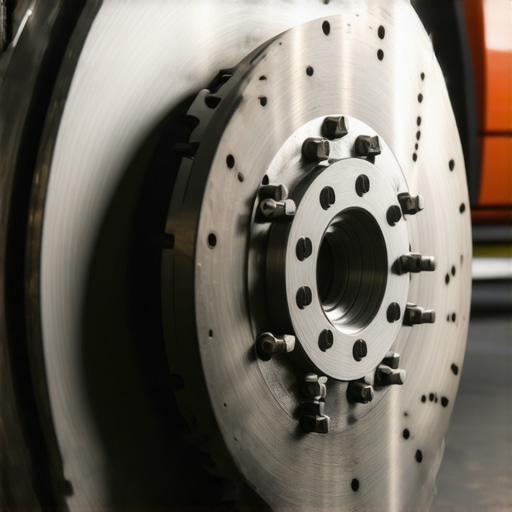
Examine the brake rotor, pads, and clips for wear or damage. Use a wire brush to clean rust or debris from the rotor surface. Dirty or rusty parts can cause squealing; a thorough cleaning ensures better contact and quieter operation. For a detailed rotor cleaning technique, refer to this guide.
Apply High-Temperature Brake Lubricant
Spray brake lubricant on the back of the new pads and any contact points where the pads meet the caliper and clips. This reduces vibration and noise. Be cautious not to get lubricant on the braking surface of the pads or rotor; contamination here reduces braking effectiveness.
Install Anti-Squeal Shims or New Clips
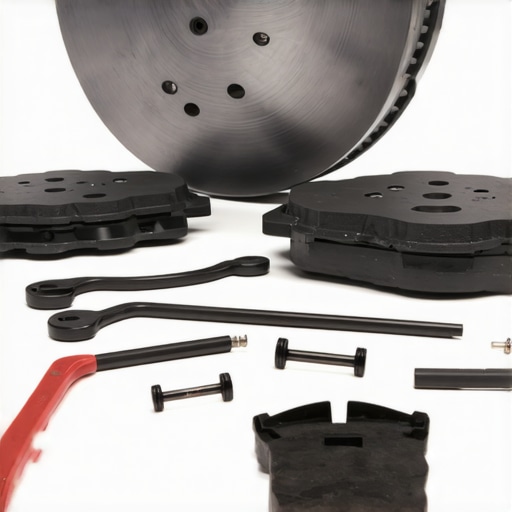
If your brake system uses shims or clips, replace or reinstall them correctly. These small parts dampen vibrations that cause squeal. During my last repair, I neglected this step and immediately noticed the noise returned—adding the shims made a noticeable difference.
Reassemble and Test
Reassemble the brake components in reverse order, ensuring everything fits snugly. Mount the wheel back, tighten lug nuts, lower the vehicle, and torque the lug nuts to manufacturer specifications. Take a cautious test drive, applying gentle braking. If squeal persists, recheck the assembly, as sometimes even a small misalignment causes noise. Regular inspections and maintenance help keep your brakes whisper-quiet and reliable.
For more insights into maintaining your vehicle’s braking system, visit this comprehensive guide on choosing the right service.
Many car owners believe that basic knowledge suffices when it comes to vehicle service, but in my extensive experience, the devil truly is in the details. A common misconception is that an ASE certification guarantees flawless service. While this certification confirms a technician’s competence, it doesn’t necessarily mean they’re experts in all niches, especially when dealing with complex components like transmissions or engine management systems. For example, a technician might be ASE-certified for general diagnostics but lack specialized training in transmission repairs. Relying solely on certifications without verifying specialization can lead to overlooked issues or subpar repairs.
Another prevalent myth surrounds the simplicity of routine oil changes. Many think that if they change their oil on time, their engine will remain healthy indefinitely. However, the real nuance is understanding which type of oil suits your driving conditions and how the quality of oil impacts engine longevity. Skimping on high-quality synthetic oils or neglecting oil filter replacements can cause premature engine wear, despite timely oil changes. Advanced mistakes often involve neglecting the importance of the oil filter seal failure, which can starve the engine of lubrication if overlooked.
What about transmission service? Is a flush always enough?
Many drivers assume that a simple transmission fluid flush restores perfect shifting. In reality, aggressive flushing can sometimes dislodge debris that damages sensitive components. Moreover, more nuanced transmission issues often require detailed inspection beyond just fluid replacement. It’s crucial to know when a flush is a preventive measure or a sign of deeper problems. A flawed approach here can lead to increased repair costs down the line.
Moreover, a common trap involves underestimating the impact of road salt and environmental factors. For example, the undercarriage can corrode quietly from salt buildup, leading to leaks and structural compromise. Regular decontamination and inspection prevent costly repairs, but only if you recognize the subtle signs early. Check out how salt damages brake lines for more insight.
In conclusion, mastering the intricacies of vehicle maintenance demands more than just basic knowledge. Knowing the limits of certifications, comprehending the specialized nature of repairs, and paying attention to environmental factors are vital. Don’t fall into the trap of oversimplification; your vehicle’s health depends on it. Have you ever fallen into this trap? Let me know in the comments and share your experiences.
Investing in the Right Equipment for Reliable Maintenance
Having the proper tools is the backbone of effective car maintenance. I personally rely on a high-quality torque wrench set to ensure lug nuts are tightened to manufacturer specifications, preventing uneven wear and potential wheel issues. A certified technician’s expertise often hinges on attention to torque precision, which is crucial during wheel installations or brake work. Additionally, I use a digital OBD-II scanner like the BlueDriver to diagnose issues immediately, saving time and avoiding unnecessary repairs. As vehicle electronics become more complex, owning an advanced scanner helps me stay ahead of potential problems before they escalate, especially in modern turbocharged engines that require precise diagnostics.
Utilizing Software and Apps for Ongoing Vehicle Care
Complementing physical tools, I recommend smartphone apps like MyCars or Torque Pro to track maintenance schedules and monitor real-time data. These apps sync with your vehicle’s ECU to provide insights into oil quality, transmission health, and other critical parameters. As technology advances, expect more integration of telematics and predictive analytics—think of these as your vehicle’s personal health dashboard. Future trends point toward AI-driven diagnostics that will alert you of issues before you even notice symptoms, enabling preemptive maintenance and avoiding costly breakdowns.
How do I maintain my car over time?
Consistency is key. Regular oil changes, such as the routine oil changes, help prolong engine life and prevent sludge buildup. Scheduling these at appropriate intervals—every 5,000 to 7,500 miles depending on your driving conditions—keeps your engine clean and responsive. Using quality synthetic oils and monitoring oil level and viscosity periodically ensures optimal lubrication. Additionally, inspecting critical components like transmission fluid, brake lines, and suspension parts every 10,000 miles can identify early signs of wear, preventing emergencies. Investing in a proper maintenance routine not only extends the lifespan of your vehicle but also boosts safety and resale value.
Scaling Up Your Maintenance Efforts for Longevity
If you own multiple vehicles or manage a fleet, adopting a standardized maintenance protocol is invaluable. I recommend creating detailed checklists and leveraging fleet management software to schedule routine inspections and repairs. Proper documentation and timely servicing reduce down-time and ensure ASE-certified technicians perform all work, which research shows can extend vehicle lifespan significantly. As maintenance technology evolves, predictive maintenance systems will become mainstream—using IoT sensors to forecast failures before they happen. By embracing these innovations early, you will stay ahead in vehicle care, reducing long-term costs and enhancing safety.
Upcoming Trends in Automotive Maintenance
The future of vehicle upkeep is heading toward automation and AI diagnostics. Imagine your car alerting you of transmission fluid deterioration before it causes slipping or shuddering, similar to advanced transmission insights. With the rise of connected vehicle data, proactive maintenance tailored to your driving habits will become accessible even to individual owners. Staying adaptable and investing in current diagnostic tools now will prepare you for the shift toward more intelligent, less reactive car maintenance practices.
Try using a high-end diagnostic tool like the BlueDriver to run a comprehensive health check on your vehicle today. It could reveal hidden issues with your transmission or engine that simple visual inspections might miss, saving you money and time down the line.
For personalized advice or more information on maintaining your vehicle efficiently, don’t hesitate to contact us.
The Hardest Lesson I Learned About Car Service, ASE Certified, Transmission, Oil Change
One of the most eye-opening insights I gained was realizing that certifications like ASE don’t always guarantee flawless repairs; they indicate competence but not specialization. This taught me to look beyond certifications and seek out technicians with niche expertise, especially for intricate systems like transmissions or engine electronics.
3 Myths About Car Service, ASE Certified, Transmission, Oil Change That Held Me Back
I used to believe that routine oil changes alone could keep my engine trouble-free forever. However, I learned that the type of oil, the quality of filters, and timely inspections are equally critical. Believing in simplistic fixes can cause neglect of nuanced maintenance aspects that matter most in the long run.
What Experts Won’t Tell You About Car Service, ASE Certified, Transmission, Oil Change
Many overlook the environmental factors impacting vehicle health, like road salt causing unseen corrosion. Regularly decontaminating undercarriages and inspecting sensitive components can prevent costly repairs, a tip that isn’t commonly emphasized during routine service but has saved me thousands.
My Essential Toolkit for Car Maintenance
Equipping myself with a high-quality torque wrench and an advanced OBD-II scanner has made a huge difference. These tools allow me to verify that repairs are performed correctly and catch potential issues early, giving me peace of mind that professionals are maintaining my vehicle properly.
Where to Go from Here
If you’re serious about extending your car’s lifespan, invest in reliable tools and educate yourself on environmental influences like road salt or oil quality. Regularly consulting trusted resources, such as this guide on oil changes, will empower you to make informed decisions and prioritize genuine vehicle health over quick fixes.
Your Turn to Act on Real Knowledge
The real takeaway is understanding that detailed care and informed choices dramatically impact your vehicle’s longevity and safety. Don’t settle for surface fixes—delve into the details, ask the right questions, and stay proactive. Your car’s health depends on it. Have you ever overlooked a small detail that saved you from major repairs? Share your experience below and join the conversation!
,