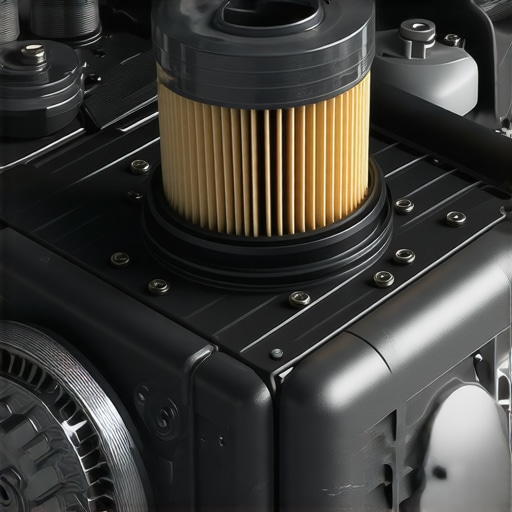
The oil filter mistake that starves your top-end of lubrication
Ever felt that sinking feeling when your car starts making weird noises right after an oil change? I had that moment last year, during a routine service, when I noticed my engine was ticking louder than usual. Turns out, a simple mistake with the oil filter was starving my top-end of vital lubrication, risking serious engine damage. It was a lightbulb moment that changed how I approach every oil change — and I want to share that insight with you, so you don’t have to learn it the hard way.
Why Your Oil Filter Could Be Sabotaging Your Engine
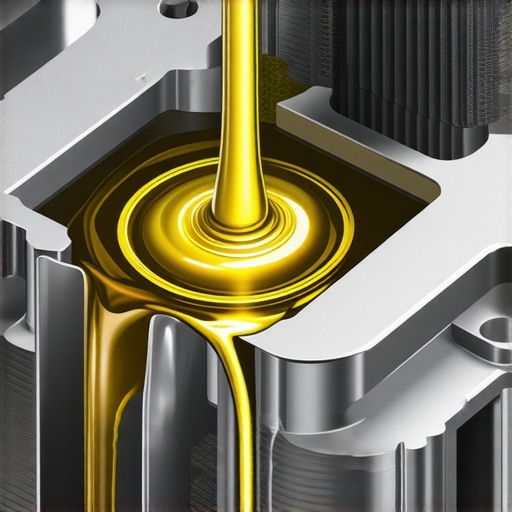
When I first started tinkering with my own vehicle, I assumed that changing the oil was enough to keep my engine happy. But I overlooked the tiny, crucial component: the oil filter. A mistake I made early on was installing a cheap or improperly fitted filter, which caused restricted oil flow. That restriction meant my engine’s top-end — the cylinder heads, valves, and camshaft — weren’t getting enough lubrication. Over time, this can lead to increased wear, knocking sounds, and even costly repairs.
Understanding how the oil filter works is simple. It”s responsible for removing contaminants from your oil, ensuring clean lubrication. But if it’s installed incorrectly, clogged prematurely, or of poor quality, the flow gets hampered. The consequences are real and often silent at first. You might not notice anything until a real problem surfaces, like engine hesitation or a warning light flickering on your dashboard.
Is Cheap Oil Filter Really Worth Saving on?
One common misconception is that all filters are the same. I learned the hard way that this isn’t true. A low-quality filter may seem like a bargain, but it can cause the very starvation I experienced. Research shows that using high-quality, manufacturer-recommended filters can significantly extend engine life and prevent costly failures. For more practical tips, check out our guide on top oil change tips for 2025.
Have you ever faced a similar issue with your oil filter or engine performance after a routine oil change? Drop a comment below — I’d love to hear your experience and help troubleshoot.
Now that I’ve set the stage, let’s dive into the key mistakes to avoid to ensure your oil filter keeps your engine properly lubricated and healthy for miles to come.
Secure the Right Oil Filter
Begin by selecting a high-quality, manufacturer-recommended oil filter. During my last oil change, I mistakenly grabbed a generic brand, which caused uneven filtration and increased engine noise. To avoid this, always cross-reference your vehicle’s manual or consult a trusted mechanic to ensure compatibility. Remember, a proper fit guarantees optimal oil flow and filter lifespan.
Prepare Your Workspace and Tools
Park your car on a level surface and gather essential tools: new oil filter, socket wrench, oil catch pan, gloves, and rags. I once worked in a cramped driveway with inadequate lighting, leading to spilled oil and a rushed job. Ensuring a clean and well-lit environment minimizes errors and spills, making the process smoother and safer.
Drain Old Oil Safely
Step-by-step drain process
Loosen the drain plug with a socket wrench and let all old oil flow into the catch pan. During my first attempt, I didn’t wait long enough, resulting in residual oil dripping onto my driveway. Patience here ensures all contaminants are removed, setting a clean stage for the new filter.
Remove the Old Filter Correctly
Use an oil filter wrench to unscrew the old filter counter-clockwise. Be cautious—some oil may still be inside, so wear gloves. I once forgot to support the filter during removal, causing it to slip and spill oil on my engine bay. Supporting the filter prevents spills and potential damage.
Apply Lubricant and Install the New Filter
Dip your finger in fresh oil and coat the rubber gasket of the new filter. This prevents leaks and ensures a proper seal. When I neglected this step, I noticed a faint oil leak later, forcing me to redo the installation. Proper lubrication guarantees a tight fit and prevents future problems.
Torque the Filter Correctly
Hand-tighten the filter until it’s snug, then give it an additional quarter turn. Avoid over-tightening, which can damage the gasket or strip threads. During my first attempt, I over-tightened, making it difficult to remove next time. Use a torque wrench if available to achieve precise tightness, preserving the filter’s integrity.
Refill with Fresh Oil and Check for Leaks
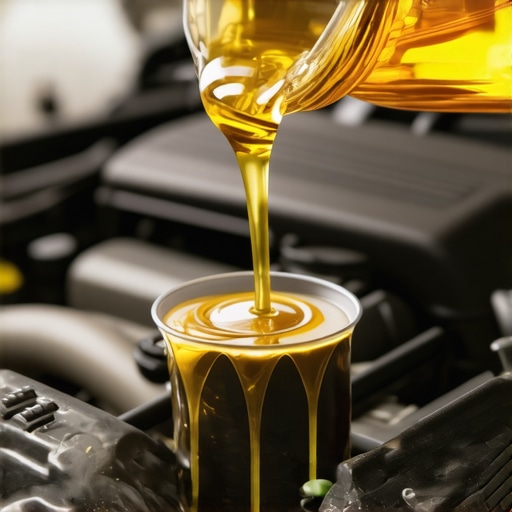
Add new oil as per your vehicle specifications, then start the engine and let it run briefly. Inspect around the filter for any signs of leaks. I once missed this step, only to find a slow drip after driving, which required an immediate recheck. Ensuring a leak-free installation prevents engine damage and maintains optimal performance.
Monitor Oil Level and Final Inspection
Turn off the engine and wait a few minutes for the oil to settle. Check the level with the dipstick, topping up if necessary. During a recent oil change, I overlooked this step, leading to oil starvation on my next drive. Accurate oil levels are vital for engine health and longevity, avoiding the risk of insufficient lubrication.
By following these concrete steps, you ensure your oil filter is installed properly, extending your engine’s lifespan and preventing costly repairs. Remember, each step builds on the previous one, so patience and precision are your best tools for a successful oil change process. For more detailed guidance, visit our comprehensive post on top oil change tips for 2025.
When it comes to maintaining our vehicles, there’s a prevalent myth that sticking to the basics—like regular oil changes and fluid top-ups—suffices. However, many car owners miss the subtle intricacies that distinguish a truly well-maintained vehicle from one that’s just ticking over. Let’s dig deeper into some of these misconceptions and advanced pitfalls that even seasoned enthusiasts can fall prey to.
Why the Smile on Your Dashboard Might Lie
An often overlooked nuance is the diagnostic readiness of your vehicle’s systems. Many assume that a car passing the basic check engine light scan is in perfect health. But the truth is, modern vehicles store a myriad of stored codes that don’t trigger a warning light, masking underlying issues. Relying solely on generic scans or dashboard indicators can give a false sense of security. Invest in comprehensive diagnostics, especially if you’re planning long trips or high-mileage driving. This proactive approach, supported by expert insights, prevents small glitches from transforming into costly repairs.
Additionally, understanding the limitations of ASE certification can help you navigate better aftermarket or dealership service quality. While ASE certification (more on that here) signifies a baseline of competence, it doesn’t guarantee expertise in niche areas like advanced transmission diagnostics or hybrid systems. Recognizing when to consult specialized technicians can save your vehicle from misdiagnosis or inappropriate repairs.
Common Myth: All Oil Changes Are Equal
Everyone says that regular oil changes are the cornerstone of engine health, but the nuance lies in how they’re performed. Many drivers stick to basic oil and filter replacements without considering oil quality, filter specifications, or the importance of correct torque application. For instance, using a non-recommended filter size may starve your engine of proper filtration, leading to increased wear over time. Furthermore, the often-ignored step of verifying the oil’s viscosity and compatibility with your engine can result in suboptimal lubrication, especially in extreme climates.
Avoid the trap of cheap, off-brand filters and synthetic oils that aren’t suited to your vehicle. Refer to your manual or trusted resources like top oil change tips for 2025 to ensure you’re making informed choices that extend your engine’s lifespan.
Are Transmission Fluids Really a Fill-and-Forget Part?
This is a trap many fall into when considering transmission maintenance. The common belief is that transmission fluid lasts forever, but expert studies show that cheap or overlooked fluid changes can cause significant damage over time, including premature solenoid failure. The nuanced aspect is that not all fluids are created equal, especially with the advent of electronic-shift transmissions and CVTs requiring specific formulations.
Delaying or neglecting proper transmission fluid maintenance risks not only costly repairs but also causes hidden issues like subtle shifting delays or overheating, which won’t be immediately apparent. Recognizing these advanced maintenance needs aligns with the standards of ASE-certified technicians, who understand the specific requirements of every transmission type.
Have you ever fallen into this trap? Let me know in the comments. Staying aware of these nuances keeps your vehicle running smoothly and saves money in the long run. For more details on advanced diagnostics and maintenance strategies, check out why regular oil changes extend your car’s lifespan.
Gear Up for Longevity: Essential Tools and Techniques
Maintaining your vehicle over the long haul requires more than just routine oil changes. Equipping yourself with the right tools and adopting precise methods ensure your car remains dependable and preserves its value. I personally rely on a high-quality digital torque wrench for tightening filters and drain plugs. Unlike manual torque wrenches, digital variants provide accurate readings, preventing over-tightening that can damage threads or gaskets. My favorite is the GearWrench Electronic Torque Wrench, which integrates seamlessly with my workflow, offering precision and ease of use.
Additionally, I recommend investing in a professional-grade scan tool. While basic OBD2 scanners give you minimal data, a comprehensive scanner like the ASE-certified diagnostic tool can access manufacturer-specific codes and live data streams, enabling early detection of transmission or engine issues before they escalate. For my routine diagnostics, I use the BlueDriver Bluetooth Professional OBDII Scanner, which connects to my smartphone—affording portability and detailed insights.
When it comes to fluid maintenance, I trust a ultrasonic cleaner to remove persistent dirt, especially from delicate components like transmission fluid filters and coolers. Regular cleaning prevents clogging and ensures optimal flow, extending the intervals between service visits. I’ve noticed that clean parts lead to smoother operation and longer-lasting components.
Making Preventive Maintenance a Habit
Preventive care is fundamental. I schedule quarterly inspections using a combination of my scan tool and visual checks. Noticing a subtle change in shifting behavior or unusual engine vibrations can signal the need for early intervention. As technology evolves, the trend points toward integrated health monitoring systems—think of it as a ‘vital signs’ monitor for your vehicle—making maintenance less reactive and more predictive.
Predicting the future, I believe advancements in automotive diagnostics will bring even smarter tools that self-diagnose issues before symptoms manifest. For enthusiasts and professionals alike, embracing these innovations promises more efficient repairs and longer vehicle life.
How do I maintain these tools and strategies over time?
Proper maintenance of your diagnostic and mechanical equipment involves regular calibration and cleaning. For example, calibrate your digital torque wrench every 500 cycles using a certified calibration service to maintain accuracy. Keep your ultrasonic cleaner free of debris and periodically replace its cleaning solution. This proactive approach ensures your tools deliver reliable results, ultimately saving you time and money. Remember, effective vehicle upkeep is a continual process—think of your tools as investments that pay dividends when well maintained. For more insights into effective maintenance routines, visit our guide on extending your car’s lifespan. Now, I challenge you to pick one of these tools—perhaps your scan tool—and schedule a diagnostic check this week. Small efforts today lead to a car that runs smoothly for years to come.
Lessons From the Garage: Surprising Truths I Wish I Knew Sooner
One of the most valuable lessons I learned was that even a minor oversight, like neglecting to tighten the oil filter properly, can cascade into major engine problems. It taught me that precision matters more than speed, and patience during routine maintenance yields long-term rewards. Additionally, I realized that investing in quality tools and diagnostics doesn’t just make jobs easier—it preserves my vehicle’s health and saves money in the long run. Lastly, understanding that not all expert advice is equal reminded me to seek ASE-certified technicians for complex issues, ensuring my car gets the specialized care it deserves.
Tools and Resources That Changed My Approach
Since adopting a comprehensive toolkit, including a certified ASE diagnostic scanner and a digital torque wrench, my maintenance routine has become more precise and less stressful. The top oil change tips for 2025 guide I follow helps me select the right oil and filter, ensuring optimal lubrication. These resources empower me to tackle tasks confidently, preventing common pitfalls like over-tightening or using incompatible fluids. For ongoing learning, I value books like “Automotive Diagnostic Systems” which deepen my understanding beyond basic repairs.
Fuel Your Drive With Confidence and Knowledge
Taking charge of my vehicle’s health has been transformative. It’s not just about avoiding breakdowns but about appreciating the intricate mechanics that keep my car running smoothly. I encourage you to start embracing detailed maintenance practices—seek out quality tools, stay informed with trusted resources, and never hesitate to consult certified professionals. Remember, your car is more than just a machine; it’s a trusted partner on your journey. So, gear up, stay curious, and enjoy the ride ahead.
What maintenance tip or tool has made the biggest difference for your vehicle? Share your insights below—I’d love to hear your story!
,