Why Your Car Pulls to the Right After Hitting a Pothole
I remember the exact moment it happened—driving home after a routine oil change at my local shop when I hit a nasty pothole. Instead of a smooth ride, my car suddenly veered to the right. That lightbulb moment made me realize: something was off, and I needed to figure out what.
Dealing with a Car That Pulls to the Right After a Pothole
It’s frustrating, isn’t it? One minute, everything’s fine during your daily drive, and the next, your vehicle is fighting you, pulling to one side. If you’ve experienced this, you’re not alone. It’s more common than you might think, especially after driving over a road hazard like a pothole. The question is, what’s actually causing your car to veer off course, and what can you do about it?
The good news is that, often, the fix isn’t as complicated as it seems. Early on, I made the mistake of ignoring the subtle signs, thinking it was just a coincidence. But neglecting these issues can lead to uneven tire wear, shakiness, or even dangerous steering problems. That’s why understanding the root of this pull is crucial.
In this post, I’ll walk you through how to identify whether the issue is a minor misalignment or something more serious, like a damaged suspension component. Plus, I’ll share practical tips from my personal experience and credible sources—like [this guide from AutoFix Clinic](https://autofixclinic.com/why-your-ase-certified-tech-wont-rebuild-your-old-water-pump)—to help you tackle the problem safely and effectively.
So, if your car has been tugging to the right after that rough pothole encounter, don’t worry. We’ll explore the common culprits and lay out a straightforward plan to get your vehicle back on track. Ready to regain control? Let’s dive in.
Inspect Your Tires for Damage
Begin by examining your tires visually and manually. Look for cuts, bulges, or uneven wear patterns. I once discovered a sidewall bulge after hitting a pothole, which was a clear sign of internal damage. Replacing a damaged tire is crucial, as driving on it can cause further steering issues.
Check Your Wheel Alignment
Misalignment often causes pulling. Use a professional alignment machine if you have access, or schedule a visit with a trusted mechanic. Alignment involves adjusting the angles of your wheels so they meet the manufacturer’s specifications. I had a similar experience where a quick alignment corrected the pull, restoring proper steering response. Regular alignment checks are recommended—consider doing this after noticing irregular tire wear or steering problems.
Understanding Now Your Alignment Points
Proper alignment ensures your tires wear evenly and your car steers accurately. If your car drifts after hitting a pothole, alignment usually needs correction. Remember, vaccines are a part of preventive maintenance for your car’s health.
Inspect the Suspension Components
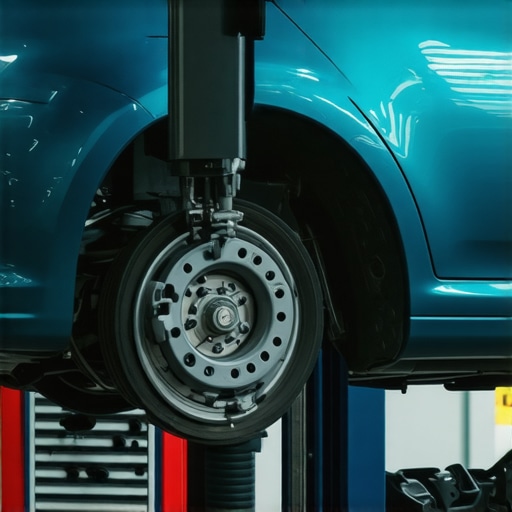
Suspension parts like struts, shocks, and control arms absorb impacts and keep your tires in contact with the road. A damaged or bent control arm can cause steering pull. I once noticed a knocking sound and uneven tire wear after a pothole encounter, leading me to replace a bent control arm. Use a jack and stands to inspect suspension parts for any visible damage or looseness—wobbly or broken parts demand immediate replacement.
Test and Replace Worn-out Components
Worn ball joints and tie rods can contribute to pulling. Use a pry bar to check for excessive play—move parts gently to feel for looseness. If you feel any movement or observe torn boots or corrosion, replacing these parts can fix your steering alignment. This step keeps your steering responsive and safe.
Get a Professional Wheel Alignment
After inspecting and repairing damaged parts, schedule a professional alignment. An ASE-certified [technician](https://autofixclinic.com/what-does-an-ase-certification-mean-for-your-cars-maintenance) uses specialized tools to fine-tune your wheel angles, correcting any misalignment caused by the pothole impact. The process typically takes an hour and ensures your car drives straight again.
Consider Your Steering System
If issues persist, the steering gear or rack-and-pinion may have sustained damage. Symptoms include excessive play, stiff steering, or unusual noises. Having a certified mechanic diagnose and replace faulty steering components prevents further damage and safety risks.
Schedule Regular Maintenance Checks
Staying on top of routine maintenance, like oil changes, suspension inspections, and wheel alignments, keeps your vehicle in top shape. Regular checks can catch issues early before they escalate into dangerous driving conditions.
Applying these steps requires a bit of patience and mechanical curiosity, but they form a reliable roadmap to restoring your car’s steering precision after a pothole mishap. Remember, keeping your vehicle maintained not only improves safety but also prolongs its lifespan—the fundamentals of responsible ownership.
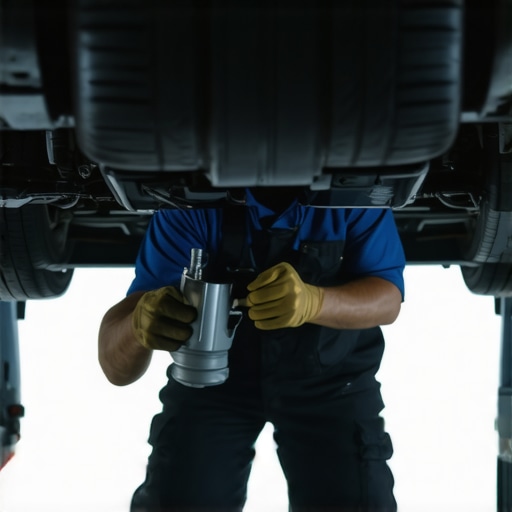 Many car owners assume that all ASE-certified technicians provide the same level of quality, but that’s a misconception that can lead to costly mistakes. While ASE certification indicates a mechanic has passed certain rigorous tests, it doesn’t automatically guarantee superior service or honesty. In fact, some shops leverage this badge as a marketing ploy, masking subpar work or unqualified staff. To truly benefit from ASE certification, ask about the technician’s experience with your specific vehicle and the certifications they hold—this nuance often gets overlooked in favor of surface-level trust. Similarly, there’s a common myth that frequent oil changes are unnecessary if the car isn’t visibly dusty or leaking. However, regular oil maintenance is vital because synthetic oils degrade over time, and contaminants accumulate even during low-mileage use. Skipping or delaying oil changes might seem cost-effective, but it risks engine wear and decreased efficiency. On another note, the assumption that all car services are equally comprehensive is inaccurate. Many drivers opt for basic oil changes or quick lube services, unaware that they often overlook critical components like transmission health or brake systems. Advanced issues, such as slipping transmissions, can often brew beneath the surface for months before manifesting symptoms, making a routine thorough Inspection essential. When it comes to selecting the right car service, seeking shops that invest in proper diagnostic tools and ongoing technician training can be a game-changer. Don’t assume that a low price equates to quality; sometimes, pay now to save later. Furthermore, many are unaware of the nuances in transmission maintenance. A simple fluid replacement isn’t enough if the system shows signs of internal wear or contamination; detailed diagnostics are necessary for proper restoration, which many quick service centers fail to provide. Remember, just because a mechanic states your vehicle is ‘fine’ after a quick look doesn’t mean underlying issues aren’t present. If neglected, these can lead to expensive repairs or dangerous breakdowns. To avoid these pitfalls, educate yourself about transmission health and demand that your service providers adhere to comprehensive diagnostics. Lastly, an often-overlooked factor is the difference in oil types and their appropriateness for your vehicle’s engine. Using the wrong viscosity or synthetic blend can compromise lubrication, especially under extreme conditions, leading to increased wear. Knowing the specifics of your vehicle’s needs and communicating them clearly can prevent premature engine issues.
Having a solid understanding of these nuances helps you make informed decisions rather than falling for common myths or superficial service promises. You’re in a unique position to optimize your vehicle’s longevity and safety by recognizing that car maintenance isn’t just about routine tasks but about targeted, expert-driven care. Have you ever fallen into this trap? Let me know in the comments. Moreover, for a deeper dive into expert-certified maintenance practices, check out what ASE certification truly entails and how it impacts your vehicle’s upkeep.Maintaining your vehicle’s health over time goes beyond routine checks; it calls for precision tools and strategic methods that ensure durability and optimal performance. One indispensable piece of equipment I personally rely on is a high-quality OBD-II scanner. I prefer models like the BlueDriver because they provide detailed diagnostics in plain language, making it easier to identify underlying issues before they turn costly. Regularly, I use this device to monitor codes related to transmission or engine management, especially after a long trip or intense driving conditions. Another critical tool in my kit is a hydraulic lift, which allows for safe, quick access under the vehicle. Unlike jack stands, a hydraulic lift stabilizes the car entirely, reducing risk when inspecting suspension components or changing transmission fluid. This equipment is invaluable for performing detailed inspections or repairs that require precise adjustments—investing in a reliable lift pays off in safety and efficiency, especially when scaling up maintenance routines. For software solutions, I utilize maintenance management platforms like ServiceBridge to keep track of service intervals, oil changes, and component inspections. Such tools help me stay ahead of potential issues, scheduling preventive maintenance at optimal times. Looking ahead, the trend points toward even smarter diagnostics—AI-enhanced sensors that predict failures before symptoms manifest, revolutionizing vehicle maintenance. As these become more accessible, vehicle owners and professional technicians will leverage real-time data to extend component lifespan significantly. Curious about how to keep your car running smoothly long-term? Focus on proactive diagnostics using tools like an OBD-II scanner and invest in equipment that improves access and safety during repairs. Trying out a diagnostic scan after every major trip can reveal hidden issues early, ultimately saving money and preventing breakdowns. For more insights into expert-certified maintenance practices, visit [this resource](https://autofixclinic.com/what-does-an-ase-certification-mean-for-your-cars-maintenance). Remember, maintaining your car thoughtfully isn’t just about fixing problems—it’s about preventing them before they start, ensuring your vehicle is reliable for years to come.
What I Wish I Knew Before Ignoring the Signs
One of my biggest lessons was realizing that even minor pulling after a pothole can hint at deeper issues—delaying inspection only worsened the problem. Trusting superficial fixes like quick alignments without checking suspension or steering components cost me more in the long run. Now, I understand that taking immediate, thorough action preserves vehicle safety and longevity.
Another insight: not every mechanic has the same expertise, even if they hold ASE certification. I learned to ask specific questions about my car’s unique needs and to seek out specialists for complex issues, which saved me time and money.
Finally, I discovered that proactive maintenance—like routine tire inspections and timely suspension checks—is far more effective than waiting for symptoms to escalate. Investing in these habits keeps your car running smoothly and prevents unexpected failures on the road.
Tools and Resources That Have Changed My Approach
My go-to tool for early detection is a reliable OBD-II scanner, like the BlueDriver. It supplies clear diagnostic codes and helps me understand underlying issues before they turn into costly repairs. I also lean on professional alignment services from trusted shops, ensuring that all wheel angles are correctly set after pothole impacts.
For expert guidance, I turn to [AutoFix Clinic](https://autofixclinic.com/what-does-an-ase-certification-mean-for-your-cars-maintenance), where I learn what ASE certification truly entails and how to choose the right technician for my vehicle’s needs. Their insights have empowered me to make informed decisions for ongoing maintenance.
Lastly, I follow reputable automotive blogs and forums, which keep me updated on best practices and new diagnostic tools, such as AI-driven sensors that predict failures early. Staying informed is the best way to ensure your vehicle stays dependable and safe.
Your Next Drive Starts with Confidence
The journey to a well-maintained car after hitting that pothole is all about awareness and action. Embrace routine checks, leverage smart diagnostic tools, and seek expert advice—it’s a small investment that yields big safety and reliability dividends. Remember, each step you take today ensures smoother, safer drives tomorrow.
What’s the biggest lesson you’ve learned about vehicle maintenance after a roadside mishap? Share your stories below, and let’s help each other stay on the road safely!