The one noise that means your alternator is about to quit
One chilly morning, I turned my key, expecting my usual reassuring roar of the engine. Instead, I was greeted with a faint, almost indiscernible whine that seemed out of place. It wasn’t a loud screech or a rhythmic squeal—just a subtle, high-pitched whine that sent a chill down my spine. My heart sank. That tiny noise was my car’s way of whispering a serious warning: my alternator was on its last leg.
Why Trust That Car Noise? It Might Save Your Day
I’ll be honest—early on, I dismissed strange sounds as minor quirks or typical aging noises. Boy, was I wrong. That unassuming whine was a sign of impending alternator failure, which could leave me stranded at the worst moment. Recognizing such signals isn’t just about avoiding inconvenience; it’s about safety and avoiding costly repairs. I learned the hard way that catching these signs early can make all the difference, especially when you’re miles from home.
Ever Thought That Slight Whine Was Just In Your Head?
Many car owners, including myself initially, tend to overlook these minor noises. I once ignored a similar sound, believing it was just the radio or road noise. That mistake cost me a hefty repair bill because I didn’t catch the problem early. The lesson? Never ignore that faint noise—it could be your vehicle’s way of begging for attention before it leaves you stranded. For more on avoiding costly repairs, check out why regular oil changes matter.
In the following sections, I’ll guide you through how to identify that tricky warning sign, so you can address it before it escalates. Trust me—being proactive can save you both money and stress.
Test Your Battery and Alternator with a Multimeter
Before diving into complex diagnostics, I recommend using a multimeter to check your battery’s voltage. With the engine off, a healthy battery should read around 12.6 volts. Start the engine and observe the voltage—it should increase to approximately 13.8 to 14.4 volts, indicating the alternator is charging properly. This simple step can prevent you from wasting time on unnecessary repairs if the battery’s voltage is low or fluctuates wildly.
Perform a Visual Inspection for Wear and Damage
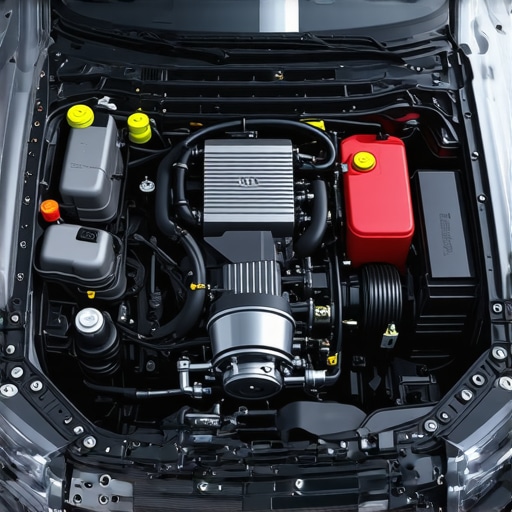
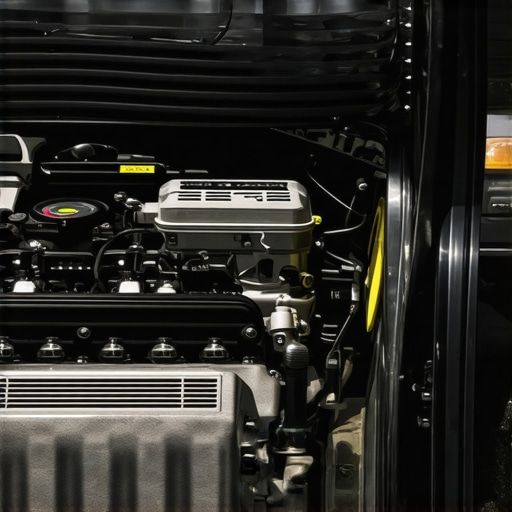
Next, open your hood and visually inspect the alternator and belt. Look for signs of corrosion, loose wires, or frayed belts. If the belt is slipping or cracked, it can cause the alternator to whine or fail prematurely. I once discovered a loose belt on my vehicle, which, once tightened, resolved the warning signs. Think of the belt as the engine’s heartbeat—if it’s compromised, the whole system suffers.
Check for Obvious Signs of Alternator Failure
Turn on your headlights and observe if they flicker or dim when you accelerate. Flickering lights could point to a failing alternator failing to provide consistent power. Also, listen for unusual noises like squeals or high-pitched whines that may indicate bearing wear. In my case, noticing the squealing sound prompted me to replace the alternator before it caused further damage.
Perform a Load Test Under the Hood
If you have access to a car battery load tester or can visit a professional, performing a load test will help determine the alternator’s capacity. During this test, the vehicle’s electrical accessories should be turned on (lights, radio) while the engine runs. If the voltage drops below 13 volts during the test, it’s a sign the alternator can’t sustain proper charging. This step is akin to testing a water pump under high demand—if it falters, it’s time for a replacement.
Consult a Certified Mechanic for Deep Diagnostics
If you’re unsure after basic tests, schedule a visit with an ASE-certified technician. They can perform more precise diagnostics, such as checking the condition of the alternator’s internal components or scanning for electronic faults. Remember, a professional diagnosis can save you time and prevent unnecessary part replacements.
In my experience, catching an alternator issue early through these practical steps saved me from roadside breakdowns and costly repairs. Regular checks and awareness of warning signs keep your vehicle reliable—think of it as giving your car a wellness check-up before symptoms worsen.
 While many vehicle owners follow the basic advice of changing oil regularly or seeking ASE-certified mechanics, there are nuanced pitfalls and myths that can undermine your car’s longevity and performance. One widespread misconception is that synthetic oils are always superior and can be changed less frequently. In reality, the suitability of synthetic versus conventional oils depends on your vehicle model and driving habits. Experts emphasize adhering to manufacturer recommendations, which consider specific engine tolerances and oil formulations, as detailed in top oil change tips. Moreover, many think that a transmission fluid change is a simple drain-and-fill procedure. However, a full transmission flush can sometimes dislodge deposits that clog delicate channels, causing more harm than good if performed indiscriminately. To understand when a flush is beneficial, consult transmission maintenance insights. Advanced car owners are increasingly aware of the dangers of neglecting subtle symptoms, like erratic shifting or slipping, which often stem from overlooked fluid conditions or internal wear—issues that require professional diagnostics, often performed by ASE-certified technicians. But here’s the kicker: not all ASE certifications are equal. Some shops may display the blue seal, but their specialization matters. As explained in the significance of ASE accreditation, certifications in specific areas like transmission or electrical diagnostics show a technician’s true expertise. Making assumptions about general certification can lead to missed issues or unnecessary repairs.
Why do certain car problems persist even after routine servicing?
This often results from overlooking nuanced causes like electronic sensor faults, specialized fluid requirements, or internal component wear that demands more than a quick fluid change or superficial check. For example, modern transmissions, especially CVTs, demand specific non-standard fluids, or they risk premature failure, as discussed in CVT fluid essentials. Recognizing these advanced nuances can save you from costly repairs down the line. Don’t fall for the trap of assuming that obvious symptoms are all that’s needed to diagnose issues—sometimes, the devil is in the details. Remember, regular maintenance is crucial, but understanding the intricacies can distinguish an aesthetic fix from a long-term solution. Have you ever fallen into this trap? Let me know in the comments.
Invest in Expert-Quality Equipment for Long-Term Maintenance
When it comes to maintaining your vehicle, investing in professional-grade tools ensures precision and reliability. I personally rely on a digital multimeter with high accuracy and a dedicated automotive scan tool that connects seamlessly with my smartphone. The advanced diagnostic scanner I use allows me to read complex codes without visiting a mechanic, saving both time and money. These tools have become essential as vehicles incorporate more electronic systems, making DIY diagnostics more accessible and accurate. Prediction-wise, as automotive technology becomes more sophisticated, expect these diagnostic tools to integrate AI for predictive maintenance, further extending vehicle lifespan.
Maintain with a Systematic Approach
Establishing a routine inspection schedule using these tools prevents small issues from escalating. For example, regularly checking battery voltage with your multimeter, especially before long trips, can flag impending alternator failures. Additionally, tracking fluid condition and level with precise measurement tools helps identify early signs of wear. I recommend recording these readings over time; patterns often reveal hidden problems that static inspections might miss. This proactive approach complements scheduled service intervals, like those outlined in regular oil changes and transmission flushes.
How do I keep my car functioning smoothly over the years?
The key is combining high-quality tools with consistent, methodical checks. Use diagnostic software for electronic systems and physical tools for fluid levels and mechanical parts. Regularly perform visual inspections and diagnostic tests, especially before long drives or after noticing unusual noises. Leveraging ASE-certified diagnostic techniques enhances reliability, as comprehensively explained in ASE certification insights. Also, stay ahead by integrating data from these tools into your maintenance schedule, ensuring issues are caught early. For instance, I’ve found that upgrading my diagnostic software to include vehicle-specific modules enables me to spot subtle electronic faults, like failing sensors, before they trigger warning lights on my dash.
A recent breakthrough I adopted is using a dedicated air leak detector for brake lines, which can precisely identify elusive leaks that aren’t visible to the naked eye. The air leak detector I use has saved me from costly brake service calls. I encourage you to try this method—detecting such issues early keeps your brakes responsive and safe.
Looking ahead, automation and AI-driven diagnostics are poised to revolutionize automotive maintenance, enabling more accurate and predictive repairs. By embracing these tools now, you set a foundation for extended vehicle life and fewer unexpected breakdowns. Remember, combining technology with routine physical inspections and professional guidance ensures your vehicle remains dependable for years to come.
Over the years, my journey through car maintenance has been filled with revelations that challenge common myths and deepen my understanding. One of the most profound lessons I learned is that quick fixes and superficial checks often overlook the nuanced issues lurking beneath the surface. For instance, relying solely on visual inspection without understanding the intricate workings of modern transmissions can lead to missed warning signs that only expert diagnostics catch. Real expertise comes from acknowledging the complexities involved, something I discovered by investing in quality tools and continuous learning.
Lessons Car Owners Don’t Usually Hear About Maintaining Longevity
- Myth Busting: Synthetic oils aren’t a cure-all—manufacturer recommendations still reign supreme. Knowing the specific requirements of your vehicle can save you from premature engine wear.
- Beyond Routine: Regular fluid checks are crucial, but understanding the type of fluid, especially for specialized components like CVTs, makes a significant difference, as detailed in CVT fluid insights.
- Certification Matters: Not all ASE certifications are equal—specializations such as L1 advanced diagnostics enable technicians to identify issues beyond basic electrical faults, a fact I’ve seen firsthand in the significance of ASE seals.
- Patience and Precision: Jumping to replace parts without proper diagnostics can be costly. Embracing advanced tools and knowledge ensures repairs target the real problem, not just the symptoms.
- Proactive Over Reactive: Early detection through meticulous monitoring, like checking alternator output with a multimeter, prevents breakdowns, emphasizing that prevention trumps repair.
My Essential Arsenal for Cutting-Edge Car Care
- Multi-Functional Diagnostic Scanner: A dependable scanner that connects to my smartphone keeps me ahead of electronic glitches, as explained in diagnostic tools.
- Accurate Digital Multimeter: Consistently measuring voltage helps me verify the health of my battery and alternator, preventing surprises on the road.
- Specialty Fluids and Oil Testing Kits: Using the right fluids based on manufacturer specs ensures longevity, supported by advice from oil change guidelines.
- Visual Inspection Tools: Quality flashlights and magnifiers reveal hidden wear or leaks, turning routine checks into insightful diagnostics.
Charge Your Confidence and Embrace Smarter Maintenance
Taking control of your vehicle’s health requires curiosity, patience, and commitment to continuous learning. Each diagnostic session and check-up reinforces your bond with your car and enhances its reliability. Remember, modern vehicles are complex systems that reward those who invest in understanding their nuances. Empower yourself with the right tools and knowledge, and your car will thank you with smoother rides and fewer surprises. Your proactive approach today paves the way for a more dependable, stress-free driving experience tomorrow.