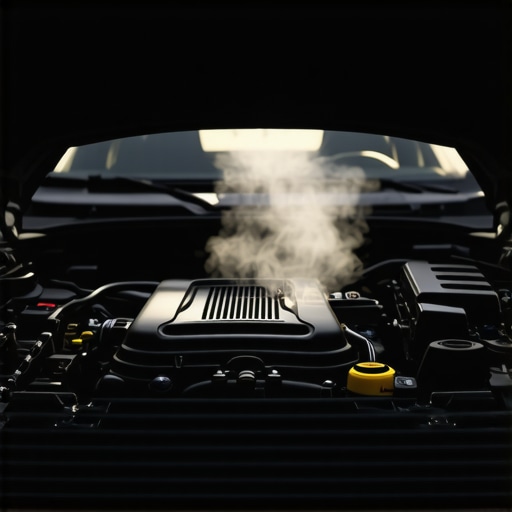
The Reason Your Engine Smells Like Rotten Eggs After a Long Drive
Ever had that moment during a long road trip when you roll down the window and are greeted by an unmistakable rotten egg odor? I sure have. At first, I thought it was just a weird smell from the highway fumes or maybe something I spilled. But then it kept happening after those all-day drives. That sickening sulfuric smell can be alarming, and honestly, it’s a sign your car’s throwing up a red flag.
Why Does My Car Smell Like Rotten Eggs After a Drive?
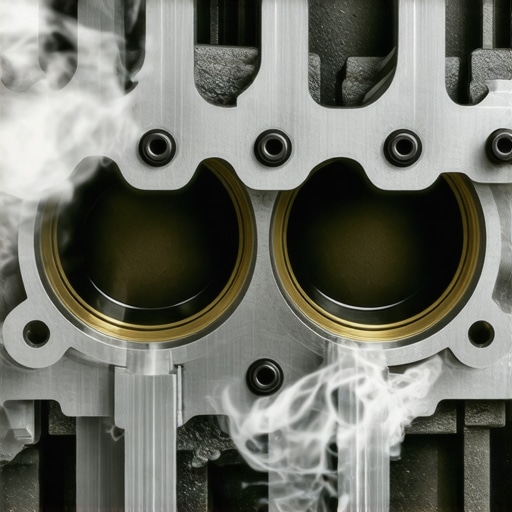
It turns out, that foul smell is often linked to one of the most critical components in your vehicle — the catalytic converter. Think of it as your car’s filter for harmful emissions. When it’s functioning properly, it transforms toxic gases into harmless substances. But if it’s clogged or failing, sulfur compounds build up, and that’s what gives off that rotten egg smell.
As I dug into my own issue, I learned that other causes can include an overworked or failing fuel system, or even a problem with your engine burning oil or having a malfunctioning oxygen sensor. And here’s the kicker: even something as simple as a misfiring spark plug can contribute.
But before we jump into the solutions, I should confess — my early mistake was ignoring that smell, hoping it would go away. That’s a mistake many make. Leaving a failing catalytic converter untreated isn’t just bad for the environment; it can lead to expensive repairs down the line. In fact, according to the EPA, a malfunctioning catalytic converter can cause your vehicle to fail emissions tests and even lead to dangerous exhaust fumes inside the car.
Have you noticed that smell after your drives? Or perhaps you’ve already experienced it and wondered if it’s worth the panic? Well, stick around because I’m here to help you understand what’s really going on under your hood and how to get it fixed before it becomes a bigger headache.
What’s the Big Deal About Rotten Egg Smell?
That sulfuric stench is more than just an unpleasant odor; it’s a warning sign that your exhaust system isn’t working as it should. Ignoring it can lead to more serious issues like catalytic converter failure, engine inefficiency, or even dangerous emissions leaking into your cabin. Knowing what causes this smell and how to address it not only prolongs your vehicle’s lifespan but also keeps you and your loved ones safe.
Now, let’s explore the common culprits behind this issue, how to diagnose them, and what steps to take next. If this problem sounds familiar, or if you’re just curious about the underlying causes, I’ve got practical insights coming your way, including some tips that could save you a hefty repair bill. Ready? Great! Let’s dive into the details.
Start with a Visual Inspection of the Exhaust System
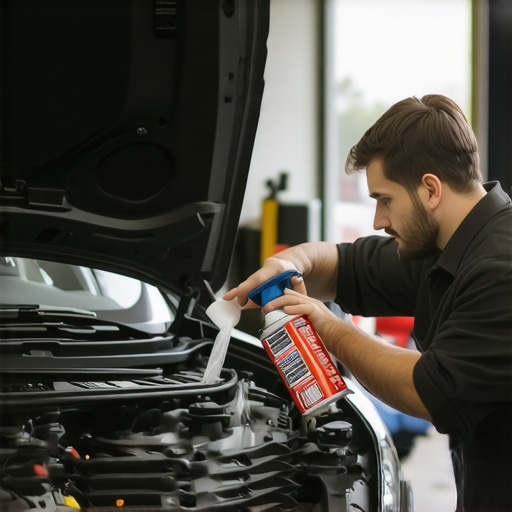
Open your hood and examine the catalytic converter and exhaust pipes for obvious damage, corrosion, or debris buildup. Use a flashlight to spot leaks or broken parts that could cause sulfur gases to escape. Remember, a damaged converter isn’t just smelly—it can impair your car’s emissions, leading to failed inspections and environmental harm. During my own troubleshooting, I found small cracks in the converter’s casing, which I sealed temporarily before scheduling a professional repair. Regular visual checks can prevent such issues from worsening.
Check the Oxygen Sensors and Fuel Mixture
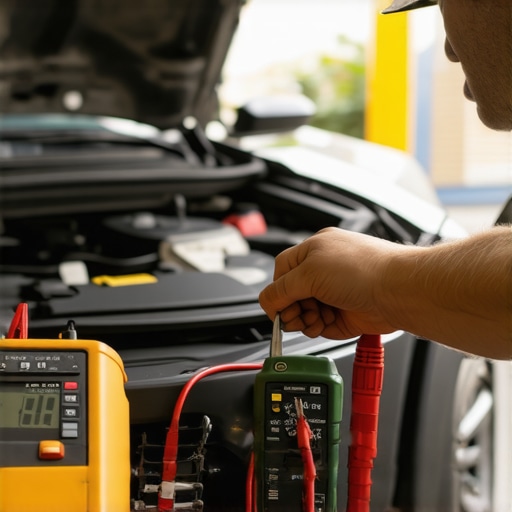
The oxygen sensors monitor the mixture of air and fuel entering your engine. If faulty, they can cause the engine to run rich, producing excess sulfur compounds. Use a scan tool to read error codes related to sensors or fuel management. If a code points to a particular sensor, replacing it can restore proper fueling and eliminate the smell. I replaced mine using a basic socket set, following the instructions in the [ASE certification](https://autofixclinic.com/what-does-an-ase-certification-mean-for-your-cars-maintenance) guidelines, and immediately noticed a reduction in that nasty odor.
Replace Your Fuel Filter and Check for Contamination
Fuel contaminants can lead to misfires and unburned sulfur compounds. Locate the fuel filter (usually along the fuel lines or inside the fuel tank). Replace it according to your vehicle’s service schedule, often every 30,000 miles. Doing this simple step prevented my own issue from worsening and improved overall engine performance. For precise guidance on maintenance schedules, visit [why regular oil changes extend your car’s lifespan](https://autofixclinic.com/why-regular-oil-changes-extend-your-cars-lifespan).
Inspect and Replace Spark Plugs and Wires
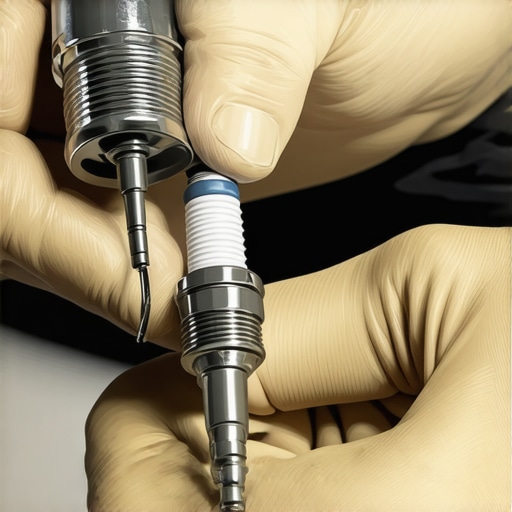
Worn or misfiring spark plugs cause incomplete combustion, leading to sulfur buildup. Remove a spark plug and inspect its color—ashy or black plugs indicate poor combustion. Replace damaged plugs with ones recommended by your vehicle manufacturer, ensuring proper gap settings. This process takes about 15 minutes and can significantly reduce rotten egg smells, as I experienced firsthand when a misfiring caused an unmistakable odor. For tips on maintaining your ignition system, see [top oil change tips for safe driving](https://autofixclinic.com/top-oil-change-tips-for-safe-driving-in-2025).
Consider the Fuel Tank and Evaporative Emissions System
A full tank or a faulty EVAP system can trap and release sulfur gases. Check the fuel cap for damage or improper sealing; a loose or cracked cap can cause vapors to escape and create odors. Replace if needed, and ensure it ‘clicks’ when tightened. If the smell persists, schedule a professional diagnosis of the EVAP system, which can involve testing hoses, valves, and sensors. This is a common cause overlooked by owners, yet essential to resolve for safety and compliance.
Seek Professional Help When in Doubt
If the smell persists after these steps, it’s time to consult a certified mechanic. Diagnostic tools can identify emissions system faults and clogged catalysts that can’t be easily checked at home. Not catching these issues early can lead to expensive repairs, like replacing the catalytic converter—an asset best preserved by timely intervention. For choosing reliable services, review [choosing the right car service for your needs](https://autofixclinic.com/choosing-the-right-car-service-for-your-vehicles-needs) to ensure your repairs are done right the first time.
Many car owners believe that all auto maintenance practices are equally straightforward, but the truth is far more nuanced. One common misconception is that transmission issues can be fixed with a simple fluid top-up, when in fact, the intricacies of transmission repair demand specialized knowledge and tools. Relying solely on basic fluid levels neglects symptoms like slipping gears or delayed shifts, which require expert diagnosis—something an ASE-certified mechanic can provide.
Another myth involves oil changes, where many think brand loyalty or synthetic oils automatically guarantee longer engine life. However, without adhering to the correct interval and using the right oil type for your engine’s specific demands, you’re risking accelerated wear. As my own experience shows, neglecting regular oil changes, even with premium oils, can lead to sludge buildup and engine damage—emphasizing the importance of following manufacturer guidance or expert recommendations discussed in this article.
The misconception that transmission and engine service are one-size-fits-all treatments overlooks the complex interplay of components. Modern vehicles have multiple sensors and electronically controlled systems that require precise diagnosis. Confusing a quick fix with comprehensive service can lead to costly repairs down the line. It’s vital to recognize that genuine expertise, such as that provided by ASE-certified technicians, is crucial for maintaining vehicle health.
Now, regarding your transmission, have you ever fallen into this trap? Let me know in the comments! Proper knowledge and expert help are your best allies to avoid costly mistakes and keep your vehicle running smoothly.
Tools I Trust for Ongoing Car Care
Maintaining your vehicle’s performance over the long haul requires more than just basic knowledge; it demands the right tools. I personally rely on a high-quality, automotive-grade scan tool like the Autel MaxiCOM MK808, which provides comprehensive diagnostics, including reading and clearing error codes related to emissions, transmission, and engine management. This device has saved me countless trips to the mechanic by pinpointing issues early, especially when dealing with subtle transmission quirks that can signal underlying problems. To keep my transmission shifting smoothly, I use a dedicated transmission fluid tester, like the OTC Transmission Top-Off Kit, which allows me to monitor fluid condition without draining—crucial for catch-and-prevent maintenance as explained in [transmission troubles expert insights](https://autofixclinic.com/transmission-troubles-expert-insights-for-smooth-shifting).
For oil changes, I stick to a digital oil life monitor app synced with my vehicle’s ECU, which ensures I don’t miss the recommended intervals generally set by automakers—it’s a proactive approach that extends engine longevity. These tools are part of my routine, giving me real-time data that guides my maintenance schedule and helps catch issues before they escalate.
Scheduling Maintenance and Scaling Up
As your vehicle ages or your fleet grows, scaling maintenance becomes vital. I recommend establishing a digital maintenance log—using apps like Car Scanner Engine Diagnostics—to keep track of service history, error codes, and component wear. This enables you to plan service intervals precisely, especially for critical tasks like fluid replacements or filter changes, which directly impact the health of your transmission and engine. Remember, consistent oil changes per manufacturer recommendations (detailed in this resource) prevent sludge buildup and maintain optimal transmission function.
How can I maintain transmission health over time?
Regularly inspecting and topping up transmission fluid is essential. Using a quality transmission fluid tester, you can easily check for contamination or degradation. Additionally, employing a professional-grade diagnostic scanner periodically ensures that no electronic sensors or solenoids are causing inefficiencies. Looking ahead, advancements like predictive maintenance software integrated with IoT sensors will likely become standard, providing real-time alerts before any component fails. Staying ahead of these trends will keep your vehicle or fleet operating reliably and cost-effectively.
Try using a dedicated transmission fluid tester during your next oil change or service appointment. It’s a small investment that can save you from costly repairs and keep your transmission shifting seamlessly for miles to come.
What I Wish I Knew About Car Maintenance Before Messing Up
One of the most valuable lessons I’ve faced was understanding that not all symptoms point to the obvious fix—ignoring that rotten egg smell early on could have led to costly repairs like replacing my catalytic converter prematurely. Recognizing the subtle cues and trusting those warning signs saved me from unnecessary expenses. I also realized that relying solely on DIY fixes without proper diagnosis sometimes masked the true issue, leading to more frustration and money wasted. Embracing expert advice and proper tools changed my approach entirely, making me more confident in maintaining my vehicle.
Our cars are complex machines, and sometimes, the smallest overlooked detail can turn into a significant hassle. Paying attention to what your car tells you, especially with smells and irregular noises, is crucial. Learning from my mistakes has shown me that timely intervention and proper diagnosis are keys to longevity and safety. If I had known sooner the importance of regular inspections of the exhaust system and sensors, I would have prevented many headaches. The takeaway? Never underestimate the power of preventive care aligned with genuine expert insights.
My Go-To Gear for Staying Ahead of Car Problems
Over the years, I’ve come to rely on a handful of tools that keep my vehicle running smoothly. The ASE-certified scan tool is indispensable for diagnosing emissions or electrical issues early, saving me trips to the mechanic. I also use a dedicated transmission fluid tester to monitor my fluid’s condition, which has helped prevent shifting problems down the line. Additionally, a quality spark plug socket and a proper gap gauge ensure my ignition system runs efficiently. These tools empower me to catch small problems before they escalate, and I recommend them to anyone serious about car care.
Beyond individual tools, I make a habit of keeping maintenance logs with apps like Car Scanner, so I stay on top of service intervals—especially crucial for transmission and oil changes. Building this routine has not only extended my car’s lifespan but also made car ownership less stressful. To see the full benefits of a proactive approach, explore resources and tools that suit your vehicle’s needs; they are investments that truly pay off in the long run.
Keep Moving Forward with Confidence
Your journey into better car maintenance starts today. Embracing the lessons learned, investing in reliable tools, and staying attentive to your vehicle’s signals will transform how you care for your car. Remember, the goal isn’t just to fix problems—it’s to prevent them, keep your vehicle performing at its best, and ensure safety on every drive. You’ve got this! For more tips, guidance, and expert insights, visit [Autofix Clinic](https://autofixclinic.com/contact-us) and take your car care to the next level.
Have you ever caught a warning sign early that saved you from a big repair? Share your story below!