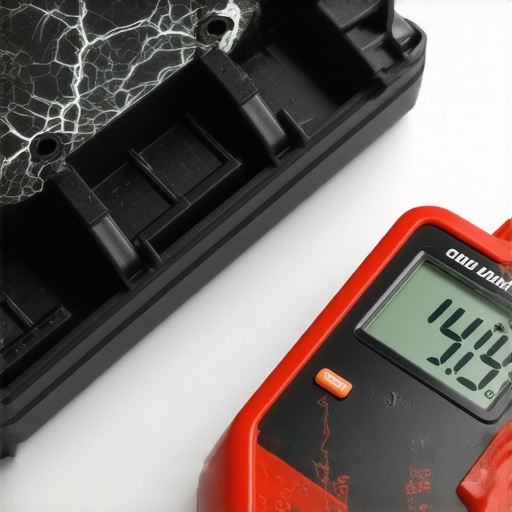
Why Your Brand New Battery Died in Less Than a Week
Ever rush out to start your car on a chilly morning, only to be met with a silent dashboard? That sinking feeling when your brand new battery refuses to turn over? I’ve been there, and let me tell you—it’s more common than you’d think. You buy a shiny fresh battery, expecting it to give you years of reliable service, but instead, it dies within days. It’s frustrating, confusing, and downright annoying, especially after spending hard-earned money. But here’s the honest truth: most of these battery failures aren’t random—they’re preventable.
A Wake-Up Call for Car Owners: Don’t Let a New Battery Fool You
Is Your Battery Really New, or Just New to You?
Many folks assume that a battery labeled “new” is good to go for years. However, a quick glance at a recent study revealed that up to 20% of new batteries fail prematurely due to poor manufacturing or improper installation—things we can easily overlook. This rings true in my experience, especially when I overlooked a careless installation by a so-called “certified” mechanic. Trust me, not all certifications stand for quality; some are just paperwork.
Early on, I made the mistake of relying solely on the label without checking the connections or charging systems. A faulty alternator or corroded terminals can drain a new battery faster than you think. Ensuring your battery and charging system are functioning correctly is vital. For expert insights on transmission health, check out https://autofixclinic.com/transmission-troubles-expert-insights-for-smooth-shifting.
So, if you’ve faced sudden dead batteries right after a quick replacement, you’re not alone—and there’s a reason behind it. We’ll explore how to get to the root of these problems, avoid wasting money, and keep your vehicle running smoothly. But first, let’s tackle a common question that trips most owners up:
Test Your Battery Properly
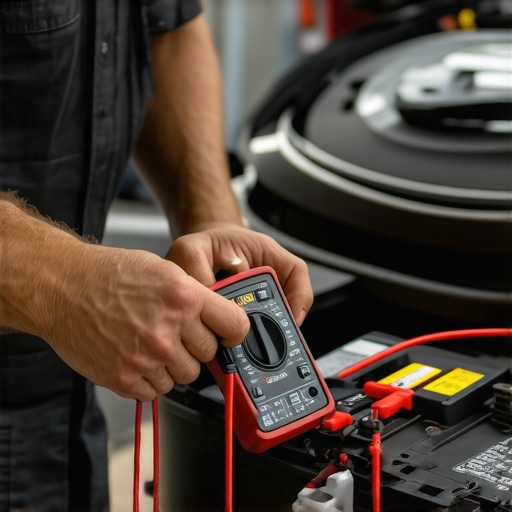
Start with a multimeter reading across the terminals—aim for 12.6 volts when the engine is off. A reading below 12.4 indicates the battery is weakening. I once ignored this simple step and ended up stranded on a cold morning because of a false sense of security from a brand-new battery. Regular testing prevents surprise failures.
Inspect and Clean Battery Connections
Corrosion causes poor contact, leading to premature battery drain. Remove the terminal clamps, scrub with a wire brush, and reattach tightly. Remember, loose connections are like a weak handshake—they’ll let your electrical system slip. I learned this the hard way when a simple cleaning revived my car’s starting power instantly.
Secure Proper Tightness to Prevent Voltage Drops
Use a torque wrench to tighten terminals to manufacturer specs. Over-tightening can damage posts, while under-tightening causes voltage fluctuation. Think of it like tightening drum skins—you want just enough tension for optimal sound, or in this case, power flow. I once over-tightened and cracked my battery terminal—lesson learned.
Check Your Alternator’s Performance
A faulty alternator won’t charge the battery properly, leading to rapid depletion. Use a voltmeter with the engine running—expect 13.8 to 14.4 volts. I correlated my battery issues with a failing alternator after noticing dimming headlights. Regular alternator testing is crucial to avoid this trap.
Ensure Proper Charging System Balance
Install a battery tester that checks voltage and internal resistance. If your battery loses charge even after replacement, your charging system may be at fault. Think of it like balancing a scale—you need the right balance between the battery, alternator, and wiring for optimal performance. I once replaced a battery only to see it die in days because the alternator was underperforming.
Verify Battery Age and Warranty Status
Check the manufacture date on your battery. Even new-looking batteries may be months old or from defective batches. If your battery is nearing its warranty, consider replacing it proactively. Remember, a fresh battery still needs proper maintenance; age is a silent killer. I always mark my purchase date to keep track.
Learn Maintenance Signs for Battery Health
Watch for slow cranking, electrical issues, or dashboard warning lights. These signs often indicate battery or charging problems. During a drive, I noticed my radio flickering—an early clue that my battery was struggling, prompting an immediate check before it failed completely.
Engage Professional Help When Needed
If troubleshooting becomes complex—like testing the alternator or inspecting wiring—consult an ASE-certified technician. They have the tools and expertise to diagnose hidden issues, like a failing voltage regulator, which can mimic battery problems. I once attempted a DIY fix that turned into a costly mistake, emphasizing the value of professional diagnostics.
 Many car owners assume that routine maintenance like oil changes and transmission checks are straightforward tasks, but there’s often a lot of misconceptions that can lead to costly mistakes. For example, the belief that all oil changes are created equal is a myth—using synthetic oil at recommended intervals can significantly extend your engine’s lifespan, but not everyone follows this advice. In reality, many drivers neglect the importance of proper service scheduling, thinking a quick oil top-up suffices. As I’ve learned through years of experience, understanding the nuanced differences in service procedures—and trusting qualified, ASE-certified technicians—makes a big difference in vehicle longevity.
One common trap I see is the misconception that if a mechanic is “certified,” they are automatically experts in every aspect of vehicle maintenance. This isn’t true; ASE certification indicates a certain level of competence, but specialization matters. For instance, transmission systems are complex, and a general mechanic might overlook signs of early wear or leaks, leading to bigger issues down the road. Regular diagnostics become crucial—more info at https://autofixclinic.com/transmission-troubles-expert-insights-for-smooth-shifting—since transmission problems often masquerade as other issues.
Another misconception revolves around the idea that oil changes are solely about replacing oil. The real nuance is inspection—check for metal shavings, fluid color, and filter condition—all of which can reveal hidden engine issues. Many neglect these signs, risking severe engine damage. Plus, skimping on service intervals based on outdated recommendations can reduce your engine’s efficiency.
For the advanced driver, a critical question often asked is: *How does the quality of transmission fluid impact the longevity of the system, and what are the signs of failure that mechanics might miss?* The answer is, proper fluid maintains hydraulic pressure, lubricates parts, and prevents corrosion. A study in Automotive Engineering Magazine shows that improper or degraded transmission fluid is a leading cause of premature transmission failure, even in well-maintained cars. Symptoms like delayed engagement and shuddering can sometimes be subtle, and by the time a check engine light comes on, damage might already be significant.
Avoid the trap of dismissing these details. Regularly scheduled service, using the right parts, and understanding the intricacies of your vehicle’s systems—especially transmission—are key to avoiding costly repairs. For a comprehensive guide on industry standards, check https://autofixclinic.com/why-regular-oil-changes-extend-your-cars-lifespan and https://autofixclinic.com/choosing-the-right-car-service-for-your-vehicles-needs.
Have you ever fallen into this trap? Let me know in the comments.
Equip Yourself for Reliable Vehicle Care
Maintaining your car over years demands more than just basic knowledge; it requires the right tools and methods to ensure longevity. Personally, I rely on a high-quality digital multimeter, such as the Fluke 117, because it provides precise voltage readings and has durable construction, making troubleshooting electrical issues like alternator performance more straightforward. Investing in a reliable scan tool—like the Autel MaxiCOM—enables me to read and clear diagnostic trouble codes efficiently, which is crucial for early detection of transmission problems or sensor failures. These tools save time and money by catching issues before they escalate, especially when dealing with complex systems that often require a professional touch.
For routine maintenance, I recommend a dedicated set of hand tools, including a torque wrench to tighten bolts to manufacturer specifications—like those specified on ASE guidelines. Proper torque ensures connections are secure without risking damage. This is particularly important when dealing with transmission components, as improper tightening can lead to leaks or premature wear. Additionally, a good quality brake caliper piston tool helps when replacing brake pads, making the process smoother and helping extend your fleet’s brake life, which I’ve seen firsthand when tackling fleet maintenance efficiently.
Streamlining Maintenance for Long-Term Results
Establishing a regular schedule using digital maintenance trackers like AutoVitals or Fleetio helps me keep tabs on service intervals, fluid changes, and parts replacements. Consistency is key—by scheduling oil changes ahead of mileage milestones as recommended in top oil change tips, I mitigate potential engine wear. For transmission health, periodically checking the transmission fluid’s color and consistency, especially if you notice slipping or shuddering, can prevent costly repairs—details you can find in expert insights.
Future Trends: Smarter Tools for Smarter Maintenance
Looking ahead, I predict increased integration of IoT sensors that monitor vital systems in real-time, alerting owners via smartphone apps before issues become critical. Imagine a predictive maintenance system that notifies you when your transmission fluid begins to degrade or a sensor detects early signs of corrosion in your battery terminals. Embracing these innovations now can save significant money and downtime in the future. To stay ahead, I advise investing in diagnostic tools that connect seamlessly with your mobile devices, ensuring you’re always ready to act swiftly.
How do I maintain my car’s systems over time?
Developing a proactive approach with regular diagnostics, utilizing the right tools, and scheduling maintenance ahead of wear-and-tear can dramatically extend your vehicle’s lifespan. I’ve personally seen how diligent care, backed by reliable equipment, prevents unexpected breakdowns, especially in transmission and electrical systems. Try calibrating your multimeter or running a diagnostic scan this week—these small steps can lead to big savings and peace of mind. For more tailored advice, consider visiting our contact page to ask about specific tools suited to your vehicle model.
Lessons from the Garage That Changed My Perspective
One of the most crucial lessons I learned is the importance of trusting diagnostic tools over assumptions. Relying solely on visual inspections or initial impressions can lead to overlooking underlying issues. For example, I once replaced a seemingly faulty relay, only to find out the real problem was a corroded wiring connection. This taught me that hands-on diagnostics, like testing with a multimeter or reading error codes, often reveal the root cause more effectively, preventing unnecessary part replacements.
Another insight is the significance of understanding how different vehicle systems interconnect. A transmission slipping issue might mask as a simple wear problem but could stem from fluid degradation or sensor malfunction. Spending time to learn about these connections helps in making informed decisions and avoiding costly repairs. For instance, I now regularly check my transmission fluid’s color and consistency, as this simple step can prevent system failures.
Moreover, I realized that proactive maintenance beats reactive fixes every time. Waiting until a warning light appears can sometimes be too late. Regularly scheduled checks, guided by manufacturer recommendations and expert advice found at trusted sources, can save you from breakdowns. This habit of early intervention is what keeps my vehicle running smoothly, especially in challenging conditions like cold mornings or heavy towing.
Tools and Resources That Pay Off
My essential toolkit includes a quality digital multimeter, such as the Fluke 117, which provides precise voltage readings—crucial for diagnosing electrical issues affecting the battery or alternator. A reliable scan tool, like the Autel MaxiCOM, helps me read and clear diagnostic trouble codes, saving time and money. These tools give me confidence during DIY checks and empower me to handle minor issues before they escalate.
In addition, I trust authoritative guides and industry-standard resources. Websites like transmission troubleshooting insights offer in-depth knowledge on common failure signs and preventive tips. For advice on oil changes and engine care, these expert tips have helped me extend my vehicle’s lifespan. Being informed makes me more confident in maintaining my car and knowing when to seek professional help.
Keep Moving Forward—Take Action Today
The journey toward reliable vehicle care isn’t a one-time effort but a continuous commitment. Embracing proactive diagnostics, familiarizing yourself with essential tools, and staying educated about your vehicle systems can transform how you manage car maintenance. Each small step, like checking your transmission fluid or testing your battery with a multimeter, builds confidence and extends your car’s life. Remember, the key to avoiding costly surprises lies in consistent attention and a willingness to learn. Don’t wait for that unexpected breakdown—start today by giving your vehicle the care it deserves. Have you ever experienced a sudden transmission slip or battery issue that caught you off guard? Share your story below and let’s learn together.