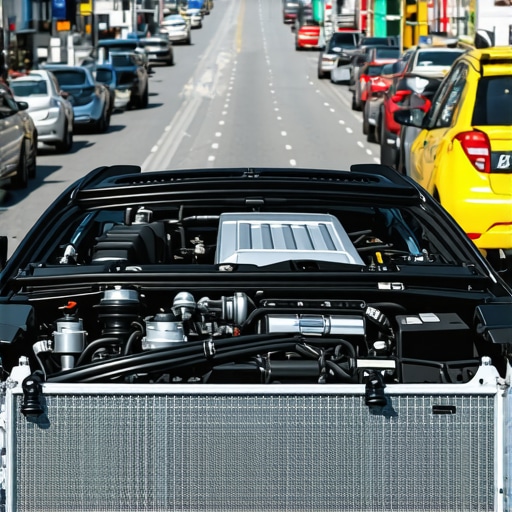
Why Your Engine Temp Spikes Only When Idling in Traffic
Ever been stuck in traffic and suddenly felt your engine temperature creeping up, just when you least need it? I remember the first time it happened to me—creeping along in a jam, the needle inching higher, my stomach tightening as I worried about a costly repair. That moment was a lightbulb for me: this isn’t just a little overheating; it’s a sign something’s off, and ignoring it could lead to real engine trouble.
The Hidden Reasons Behind Engine Temp Spikes When Idling
When your car’s engine starts to heat up only during those long, slow traffic jams, it’s easy to dismiss it as normal. But trust me, it’s not. I once thought it was just the summer heat, but after some digging and a few costly lessons, I realized it’s often a sign of underlying issues like coolant system problems or a failing radiator fan. These components are crucial for keeping your engine at the right temperature, especially when the airflow isn’t doing its job.
Did you know that according to automotive experts, running your engine regularly with cooling issues can lead to severe damage, including warped cylinder heads or blown head gaskets? That’s why understanding why your engine temp spikes is vital for every driver.
If you’re like me, jumping straight to a mechanic without understanding the cause can be a costly mistake. Early on, I replaced parts without proper diagnosis, which only drained my wallet. So, before you rush to the shop, it’s worth getting to the root of the problem.
In this post, I’ll share practical steps based on what I’ve learned—so you can troubleshoot and maybe even fix this issue yourself, saving time and money. Plus, I’ll help you recognize when it’s time to seek professional help, like from certified experts who know their transmission troubles from their oil changes. Because honestly, the biggest step in avoiding engine disaster is catching the signs early.
Ready to dive into the real reasons your engine heats up only when idle, and how you can address it before things get serious? Let’s start by understanding what’s happening under that hood during those traffic jams.
Check Coolant Levels and Quality
Begin by inspecting your coolant reservoir. A low or contaminated coolant can hinder heat transfer, leading to overheating. Remove the cap carefully while the engine is cool; a low level or rusty fluid indicates a need for top-up or flush. Remember, old coolant loses its effectiveness, so consider flushing the system and replacing with fresh coolant, as recommended in top oil change tips for safe driving in 2025.
Test the Radiator Fan Operation
Observe the radiator fan while the engine idles. If the fan doesn’t switch on when the engine warms up, it’s a red flag. You can test the fan by disconnecting the temperature sensor and manually activating the fan relay with a jumper wire, or better yet, consult an ASE certified technician. Faulty fans can cause heat buildup during prolonged idling, much like a transmission slipping in third gear—both require timely attention.
Inspect and Replace the Thermostat
The thermostat regulates coolant flow based on temperature. A stuck-closed thermostat prevents coolant circulation, causing engine heat to spike. To check, locate the thermostat housing and remove the thermostat to test in boiling water; if it doesn’t open, replace it immediately. Think of it as a gatekeeper: if it doesn’t open, heat gets trapped, similar to an unresponsive transmission that doesn’t shift properly. Regular maintenance can prevent this issue from catching you off guard.
Assess the Coolant Pump and Hoses
Next, examine the water pump for leaks or noise, which indicates failure. Also, inspect hoses for cracks or blockages that restrict coolant flow. A failing water pump won’t circulate coolant effectively, letting engine temperatures soar during idling. Remember, the water pump is like the heart of your cooling system; if it’s weak or broken, your engine suffers. Having a mechanic verify the pump’s integrity ensures you catch issues early rather than risking costly repairs later.
Evaluate the Radiator and its Fins
Over time, debris and corrosion can clog the radiator fins, impeding airflow. Use a gentle brush or compressed air to clean dirt and bugs from the fins. If the radiator is damaged or corroded beyond cleaning, replacing it is essential. Think of the radiator as a heat exchanger—its job is to shed heat efficiently. A clogged radiator turns your car into a mini oven during communities like traffic jams, which can be dangerous and costly if neglected.
Observe for Transmission or Oil System Issues
Symptoms like overheating can sometimes stem from transmission problems or oil system deficiencies. Ensure your transmission fluid is at optimal levels and in good condition, as old or contaminated fluid hampers heat dissipation. Check your oil level and quality; dirty or low oil contributes to higher engine temperatures. Know that comprehensive vehicle diagnostics includes transmission and oil systems, as neglecting them is like ignoring warning signs—eventually, costs escalate.
Conduct a Professional Diagnostic
If these steps don’t resolve the overheating issue, it’s time to consult a professional. An ASE-certified technician can perform detailed diagnostics using specialized tools, ensuring accurate diagnosis and repair. While some fixes are simple, complex cooling system failures require expert attention, just like transmission troubles—they often look similar but demand different solutions. Preventative care, including regular checkups, keeps your vehicle running smoothly and avoids breakdowns caused by overlooked problems.
Many drivers believe they fully understand their vehicle’s needs, but in reality, there are common misconceptions that can lead to costly mistakes. One widespread myth is that following the manufacturer’s recommended service intervals strictly is unnecessary; however, neglecting these guidelines can accelerate wear and tear, especially on critical systems like the transmission and oil circulation. An ASE certification indicates a technician’s advanced knowledge, yet some car owners underestimate its importance, assuming a standard mechanic is equally qualified. The truth is, ASE-certified experts are trained to diagnose nuanced issues that might elude the average technician, ensuring your vehicle receives precise care, especially for complex repairs like transmission servicing. Many think that an oil change every 3,000 miles is a hard rule; in reality, modern synthetic oils can extend this interval to 7,500 or even 10,000 miles, provided the vehicle’s condition warrants it, as detailed in top oil change tips. Overlooking this nuance might result in unnecessary oil changes, increasing both cost and environmental impact.
A common mistake is believing that transmission repairs are only necessary when the car refuses to shift. However, subtle symptoms like delayed engagement or slipping between gears often precede major failure. For insights on diagnosing such issues early, visit transmission troubleshooting. Many drivers also overlook the significance of proper maintenance for their brakes and cooling systems, assuming those parts are ‘self-sustaining’ until a problem manifests visibly. But preventive measures, including regular fluid checks and system flushes, are critical in preventing breakdowns, as emphasized in our maintenance guides.
What most people get wrong is underestimating the complexity of vehicle systems, often thinking a simple oil change or a quick check-up suffices for optimal performance. The reality is that modern vehicles are intricate assemblies demanding specialized knowledge, and skipping routine diagnostics can hide emerging issues until they become expensive repairs. Regular inspections by an ASE-certified technician can catch problems early, extending your car’s lifespan and ensuring safety.
Have you ever fallen into this trap? Let me know in the comments! The key takeaway is that understanding and respecting the nuances of car maintenance—not just sticking to basic routines—can save you money and headaches down the road.
Maintaining your vehicle effectively requires more than just routine oil changes and visual inspections; it demands the right tools and methods to ensure longevity and performance. As someone who’s worked extensively on vehicles, I’ve developed a set of reliable equipment and techniques that help me diagnose, repair, and maintain cars efficiently. Investing in quality tools not only saves time but also reduces the risk of causing unintended damage during repairs.
Why I swear by a Digital Infrared Thermometer
This device allows me to quickly assess engine hotspots, radiator temperatures, and transmission temperatures without contact. It’s invaluable for diagnosing overheating issues, especially during long drives or after an oil change. For example, when I suspect coolant flow problems, I check the radiator and hoses with it to verify if the system is functioning correctly. Predicting where heat might be sticking helps me prevent more serious failures. I recommend a professional-grade infrared thermometer for its accuracy and durability.
Using a Quality Multimeter for Electrical Health Checks
Understanding your vehicle’s electrical system is crucial, especially for issues like battery drains or sensor faults. My Multimeter is essential for testing battery voltage, alternator output, and even checking fuses. I prefer a multimeter with a min/max function to catch transient voltage drops. For instance, I regularly verify the alternator’s performance with it, following tips from expert advice on alternator testing. Proper diagnostics with a multimeter can prevent costly repairs down the line, and it’s an investment worth making.
Why I Trust a Stethoscope for Listening to Engine Sounds
Yes, the same medical tool can be surprisingly useful in auto repair. Using a mechanic’s stethoscope, I can pinpoint unusual noises—like knocking, hissing, or whining—allowing me to identify worn bearings, vacuum leaks, or failing belts. This technique saves time compared to拆拆 replacing parts blindly. When combined with visual checks, it creates a comprehensive approach to diagnostics. If you’re serious about DIY maintenance, a good automotive stethoscope is a game-changer.
Predictions for the Future of Car Maintenance Tools
Advancements like integrated sensor diagnostics and AI-driven predictive maintenance are shaping how we keep vehicles running smoothly. I see a future where your car’s onboard systems will continuously monitor critical components, alerting you via a connected app when preventive measures are needed. Until then, combining proven tools like infrared thermometers, multimeters, and listening devices with regular professional checkups ensures your vehicle stays reliable for years to come.
How do I maintain long-term vehicle health with these tools?
Consistency is key. Incorporate these tools into your routine checks—monitor coolant flow, battery health, and engine sounds regularly. Also, keep detailed logs of your findings; they help identify patterns and prevent small issues from becoming major failures. For comprehensive maintenance, schedule periodic inspections with ASE-certified technicians who can interpret readings more precisely, especially for complex systems like transmissions. Remember, early detection is your best ally in maintaining your vehicle’s performance and safety. Want to take your maintenance game up a notch? Try using your infrared thermometer to spot subtle dashboard temperature changes after oil changes—small clues can prevent big problems. For more personalized guidance, don’t hesitate to contact an expert through our contact page.
Looking back, one of the most eye-opening lessons I learned about car maintenance is how seemingly minor issues can escalate if left unchecked, especially when it comes to engine overheating during idling. Early on, I ignored the warning signs, thinking it was just a temporary glitch. But over time, I realized that paying close attention to those symptoms, like rising engine temperature in traffic, can save you from costly repairs and breakdowns. Trust me, the knowledge gained from these personal experiences is invaluable for any car owner committed to longevity and performance.
The Unexpected Rewards of Regular Cooling System Checks
One lesson I’ve embraced is the importance of sticking to routine coolant and radiator inspections. Simple steps like verifying coolant levels, inspecting hoses, and ensuring the radiator fins are free of debris can prevent overheating episodes. These tasks might seem trivial, but they act as early warning systems, giving you peace of mind. After all, a well-maintained cooling system is like a health check-up for your engine—not something to neglect if you want your vehicle to serve you reliably for years.
Don’t Overlook Electrical Aspects and Fans
Another crucial insight is understanding how integral the radiator fan and electrical components are in controlling engine temperature. I learned to test the fan’s operation and ensure sensors and relays are functioning properly. A malfunctioning fan during prolonged idling is a silent culprit that could lead to overheating, much like a slipping transmission sneaks up on you. Embracing preventive checks on these parts can often prevent emergencies that catch many drivers off guard.
Tune Into the Thermostat and Pump Health
The thermostat and water pump are often overlooked until they cause real trouble. My experience taught me that a stuck thermostat or a failing water pump can trap heat within the engine as effectively as ignoring transmission issues like those detailed on slipping gears. Regular testing and timely replacement are your best defenses against sudden overheating, especially during stressful conditions like traffic jams or long trips. Remember, proactive maintenance can often keep your engine’s temperature within safe limits without surprises.
Radial Care for the Radiator and Cooling Fins
From my own routine, cleaning the radiator fins and assessing the cooling system’s physical condition is a game-changer. Over time, dirt, bugs, and corrosion can clog fins, reducing airflow and cooling capacity. Regular cleaning isn’t just aesthetic—it significantly impacts your engine’s ability to shed heat during idling or slow traffic. Think of your radiator as a vital heat exchanger—the more efficient it is, the less likely you’ll experience those dreaded temperature spikes.
Absorbing Lessons from Transmission and Oil System Health
Overheating issues sometimes stem from transmission or oil system deficiencies. I learned to monitor transmission fluid levels and condition, understanding that neglecting these can increase engine temperatures and lead to severe damage. Maintaining proper oil pressure and cleanliness ensures the engine stays cool and efficient. For a deep dive into these vital systems, explore our transmission troubleshooting guide. Early detection here often prevents those frustrating overheating episodes during long idling periods.
Recognize When Professional Help Is the Best Move
No matter how much I learn, some issues like complex cooling system failures benefit from expert diagnostics. Having an ASE-certified technician perform thorough inspections can reveal hidden problems—like subtle coolant leaks or electrical glitches—that DIY checks might miss. Investing in professional evaluation, especially when your engine still overheats despite routine maintenance, is a wise decision. It’s the difference between temporary fixes and long-term solutions that keep your vehicle running smoothly.
Throughout this journey, the key takeaway has been the power of informed, proactive care—knowing what to check, how to do it, and when to bring in the pros. This approach not only preserves your engine during those long traffic jams but also extends your vehicle’s lifespan. For resources and further guidance, remember to revisit our comprehensive car service selection tips.