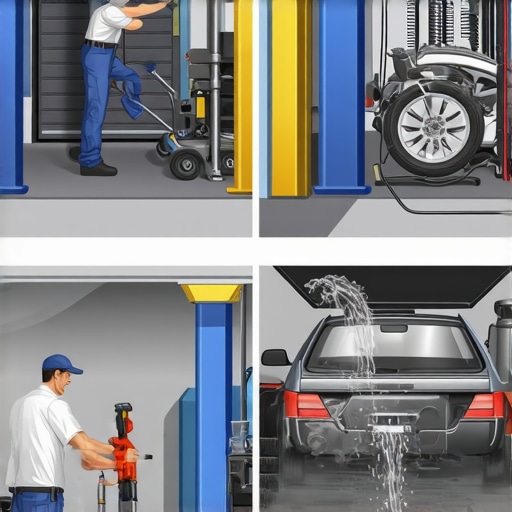
The Difference Between a Transmission Flush and a Simple Pan Drop
Ever popped the hood for an oil change and felt overwhelmed by the myriad of options? I remember the first time I faced my car’s transmission service. I was staring at the list of procedures, and honestly, I felt like I needed a PhD in automotive repair to skip the confusion. It struck me how many shops push one method over another without truly explaining the difference, leaving car owners like us scratching our heads and wondering if we’re making the right choice.
Why Knowing the Difference Matters for Your Car’s Health
Understanding whether your transmission needs a simple pan drop or a full flush can save you money—and more importantly, prevent costly repairs down the line. When I initially went in for what I thought was just a routine service, I didn’t realize that choosing the wrong method could potentially accelerate wear and tear, or even cause damage.
Is It Worth the Hype, or Just a Marketing Gimmick?
Many drivers are skeptical, and rightfully so. After all, the auto industry isn’t short on marketing buzzwords. I’ve learned from personal experience that a lot of misinformation circulates, especially when shops talk about the “latest and greatest” transmission technology. Early on, I made the mistake of assuming all transmission services are created equal—spoiler: they’re not. The key is knowing what your vehicle truly needs, which is what I aim to help you figure out today.
Now, let’s dig into what each service involves, how they differ, and which option might be best for your car. Whether you’re a weekend warrior or rely on your vehicle daily, making an informed decision can extend your transmission’s lifespan and keep your wallet happy. Ready to cut through the marketing noise and get to the facts? Let’s start with the basics of each method and what you should know before telling your mechanic what to do.
Prepare Your Workspace and Gather Tools
Before diving into the transmission service, ensure your vehicle is parked on a level surface with the parking brake engaged. Gather all necessary tools, such as a socket set, screwdrivers, a drain pan, and safety gloves. I once attempted to change my transmission fluid without gloves, and the resulting mess made me regret rushing — always prioritize safety and cleanliness.
Access the Transmission Pan
Start by safely lifting your vehicle using jack stands or a lift, following manufacturer guidelines. Locate the transmission pan beneath your car. Remember, consulting your owner’s manual helps in identifying the exact location. When I first did this, I struggled a bit with the plastic undercovers, but careful removal saved me from damage and allowed better access to the pan.
Drain the Old Transmission Fluid
Place a drain pan underneath the transmission drain plug or pan edge. Remove the drain plug carefully, letting the fluid flow out. Be prepared for hot fluid—wear gloves and eye protection. Once I learned this, I avoided burns and the escape of messy fluid. Proper disposal of used transmission fluid is crucial; never pour it down the drain—check your local regulations.
Remove and Inspect the Transmission Pan
Unscrew the remaining bolts holding the transmission pan, then carefully lower it. Remove the filter (if accessible) and inspect the pan for metal shavings or debris, which may indicate internal wear. I once found small metal particles stuck to the magnet in the pan; it was a sign I needed to seek professional help before further damage occurred.
Replace or Clean the Transmission Filter
If your vehicle has a replaceable filter, install a new one following the manufacturer’s instructions. Some models have a screen that can be cleaned—gentle cleaning with solvent can extend its life. Using a genuine filter ensures proper flow and reduces risk of transmission issues. For example, a faulty filter often causes slipping, which can be mistaken for other problems.
Refill the Transmission with New Fluid
Reinstall the transmission pan with a new gasket, tightening bolts in a crisscross pattern to prevent leaks. Then pour in the manufacturer-recommended transmission fluid via the dipstick tube or fill port. Remember, overfilling can harm your transmission—use a funnel and check fluid levels carefully. I once overfilled slightly, leading to foaming and reduced performance, so precise measurement is key.
Check for Leaks and Test Drive
After refilling, start your engine and let it warm up. Move through all gear positions slowly to circulate the new fluid. Inspect underneath for leaks; tightening bolts or gasket replacement may be necessary if leaks are found. A short test drive helps confirm smooth shifting. During my first attempt, listening for unusual noises and paying attention to shifting behavior saved me from future repairs.
Final Tips for Success
Always consult your vehicle’s manual for specific procedures and fluid types—using the wrong fluid or technique can cause severe damage. If unsure, consider seeking advice from an ASE-certified mechanic for assistance. Regular transmission maintenance preserves your car’s longevity and keeps you confident on the road. Remember, knowing how to perform this routine yourself saves money and empowers you as a car owner.Many car owners believe they fully understand their vehicle’s needs, but in reality, a few misconceptions can lead to costly mistakes. One common myth is that all oil changes are equal, but choosing the wrong type of oil or neglecting proper service intervals can accelerate engine wear. Many assume that a quick, inexpensive oil change suffices, but high-quality synthetic oils and correct procedures are essential for modern engines—especially with complex systems like turbochargers or direct injection.
Why Do Even Certified Technicians Sometimes Miss the Nuances?Keep Your Car Running Smoothly with the Right Tools and Routine Maintenance
Maintaining your vehicle over many years requires more than just occasional visits to the shop; it demands the right tools, consistent checks, and data-driven decision-making. Personally, I rely on a few specialized pieces of equipment that have saved me time, money, and headaches. For example, having a high-quality scan tool like the BlueDriver Bluetooth Pro OBD2 Scanner allows me to read and clear engine codes quickly, ensuring I catch minor issues before they escalate. Its Bluetooth connection makes diagnostics straightforward, and the detailed reports guide me on whether I can handle the repairs myself or seek professional help.
Beyond scanning, a reliable cabin air filter tester helps keep the climate system efficient, preventing poor airflow that can wear out your A/C system prematurely. I also recommend investing in a high-quality torque wrench—for example, the Tekton Digital Torque Wrench. Proper torque application when replacing components like the transmission pan or wheel lug nuts prevents leaks and uneven wear, which are common pitfalls for DIY enthusiasts.
Tools That Make Routine Maintenance Easier and More Accurate
When it comes to oil changes, a fluid extractor pump like the unequaled MityVac makes the process cleaner and more thorough, especially for vehicles with complex drain setups. Regular oil analysis kits are an underrated tool; they enable you to assess oil wear and contaminants, giving insight into engine health beyond just seeing the oil color. Over time, I’ve found that tracking these metrics helps plan preventive interventions and avoid unexpected breakdowns.
Future-Proofing Your Maintenance Routine
Looking ahead, the trend is moving towards diagnostic apps integrated with your smartphone that provide real-time data on vehicle performance, ensuring you can maintain optimal health without frequent shop visits. As electric and hybrid vehicles become more prevalent, specialized tools like diagnostic software for EV batteries will become part of routine maintenance, emphasizing the importance of staying ahead with the latest equipment.
How do I maintain my vehicle’s health over time? Be proactive with regular checks and invest in accurate diagnostic tools, like the BlueDriver scanner or oil analysis kits. Remember, matching your tools to your car’s specific needs—not just generic products—makes the biggest difference. For instance, using genuine transmission fluid ensures long transmission life, especially if you routinely analyze fluid condition. Try calibrating your torque wrench periodically—this small step maintains precision and prevents over-tightening, a common source of leaks. Building a systematic approach to maintenance, combined with these tools, can significantly extend your vehicle’s useful life.What I Wish I Knew Before My First Transmission Service
One of the biggest lessons I learned early on is that not all transmission services are equally beneficial. rushing into a full flush when a simple pan drop might suffice can do more harm than good. Listening to experienced professionals and understanding your vehicle’s specific needs has saved me time and money, and I hope it does the same for you.
Tools That Transformed My Maintenance Approach
Investing in quality diagnostic tools like the BlueDriver Bluetooth Pro OBD2 Scanner revolutionized how I monitor my vehicle. It allowed me to catch minor issues early, especially with complex systems like transmissions, preventing costly repairs. The right tools can empower any car owner to take charge of their vehicle’s health.
The Emotional Power of Staying Proactive
Maintaining a vehicle isn’t just about avoiding breakdowns; it’s about cultivating confidence in your daily drive. The small investment in proper maintenance routines and diagnostic knowledge can turn fear into assurance. Every time I perform a routine oil change or check my transmission fluid, I remind myself that proactive care truly pays off in safety and longevity.
Remember, Your Car Deserves Personalized Care
Every vehicle is unique, and so is its maintenance routine. Skimping on guidance or relying solely on generic advice can lead to unexpected surprises. Trust your manual, seek advice from certified experts, and don’t hesitate to explore specialized tools or procedures that cater specifically to your car’s model and usage. Tailoring your approach makes a difference that lasts.
Feel Proud of Your Maintenance Journey
Embracing the nuances of car care transforms a mundane task into a rewarding experience. Whether you’re replacing a transmission filter or diagnosing a mysterious noise, each step builds your confidence and understanding. Remember, the more you learn and do yourself, the more equipped you’ll be to keep your vehicle running smoothly for miles to come.