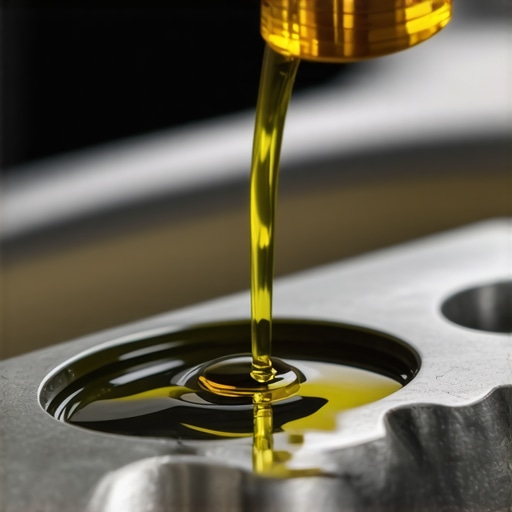
Why Your Synthetic Oil is Turning Black Faster Than Usual
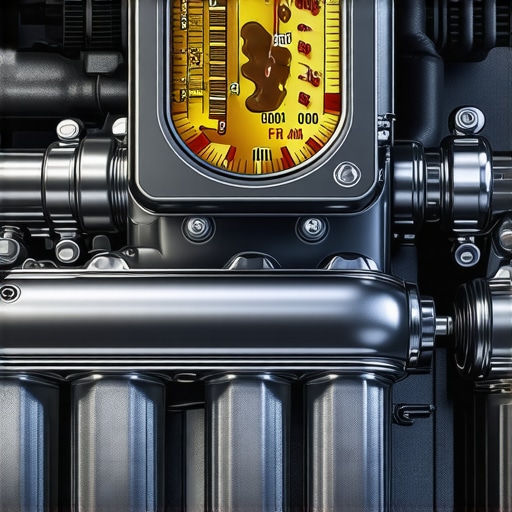
It was a chilly Saturday morning when I popped open my hood, expecting to see the usual clean, amber-colored synthetic oil shimmering under the light. Instead, I was greeted by a thick, dark sludge glaring back at me—a stark reminder that my engine’s lifeblood was turning black way too fast. Talk about a gut punch! That’s when I realized I wasn’t alone in this struggle. Many car owners, even those diligent about regular oil changes, find themselves puzzled by this rapid darkening.
Why Is My Synthetic Oil Turning Black So Quickly?
The first time I noticed my oil change sticker still fresh on my windshield but the oil itself looking almost pitch black, I felt a wave of confusion. I’d just changed it a few thousand miles ago! Turns out, there are several reasons why synthetic oil can darken faster than expected, and understanding them can save your engine from unnecessary wear—and your wallet from premature repair bills.
One common culprit is engine deposits. Over time, tiny combustion byproducts, dirt, and metal particles accumulate in the oil, turning it darker. Yet, even with synthetic oils designed to resist sludge and varnish, excessive engine idling, short trips, or poor maintenance habits can accelerate contamination.
But here’s the kicker: a sudden, rapid darkening can sometimes signal underlying issues like turbocharger deposits or oil burning—serious concerns that shouldn’t be ignored. Interestingly, a study from the International Journal of Automotive Technology highlights how engine deposits can increase friction and reduce efficiency, leading to higher emissions and fuel costs.
Early in my own experience, I made the mistake of ignoring this warning sign, simply assuming I needed a longer interval before my next oil change. That was a costly lesson. Regularly checking oil color and consistency can alert you to problems before they escalate, similar to how [ASE certified](https://autofixclinic.com/what-does-an-ase-certification-mean-for-your-cars-maintenance) technicians diagnose engine health.
So, how do you tell if this darkening is normal or a sign of trouble? That’s what we’ll delve into next. If you’ve been puzzled by your synthetic oil blackening faster than it should, stay tuned. We’ll walk through practical steps to diagnose and address this issue—because your engine’s health depends on it.
Check Your Oil Regularly
Pull out the dipstick at least once a month, wipe it clean, and dip it back into the tube. Observe the color and level. If it looks black and opaque shortly after an oil change, note the date and mileage. I personally learned this the hard way when I ignored early signs and faced costly engine issues later.
Inspect for Deposits and Contamination
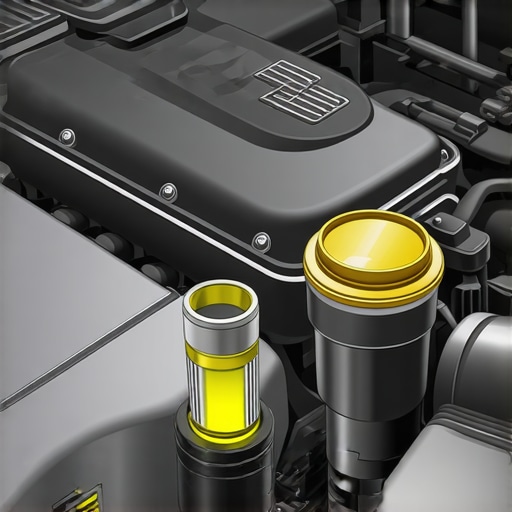
Remove the oil fill cap and look for sludge or thick buildup. If deposits are present, your engine is likely generating more deposits than usual, which can darken oil rapidly. Use a microfiber cloth to wipe the inside of the cap gently. This step helped me realize my engine was overdue for a tune-up, saving me from further damage.
Perform a Combustion Gas Test
Use a chemically impregnated test kit or have a professional do it. This detects if combustion gases are leaking into the oil, indicating issues like worn piston rings or valves. I once had this test done at my local ASE-certified shop (learn more about what ASE certification guarantees) and discovered minor piston ring wear, prompting timely repairs.
Assess Oil Consumption Patterns
Track how much oil you add between changes. Excessive consumption might point to engine problems like turbo deposit buildup or oil burning. Recording these details helped me identify a faulty turbocharger, which I then addressed with professional help.
Test for Engine Deposits
Remove the oil fill cap and look for varnish or sludge, especially around valves and pistons. A clean engine runs cleaner. I remembered to do this after noticing my oil was darkening faster than usual, leading me to schedule a comprehensive engine cleaning.
Monitor Exhaust Smoke and Smell
Black smoke or a burnt smell from the exhaust can signal oil burning. If observed, visit a mechanic promptly. During one inspection, the mechanic diagnosed oil burning due to piston ring wear, reinforcing the importance of paying attention to these signs. For expert advice, consider consulting an ASE-certified technician.
Schedule a Professional Inspection
If your checks reveal abnormal signs, don’t delay. Book an appointment with a qualified mechanic familiar with synthetic oils and engine diagnostics. Proper diagnosis can prevent costly repairs down the line. When I faced persistent darkening of my oil, a professional inspection revealed deposit buildup in the turbocharger, which I had cleaned to restore engine health.
Use Quality Oil and Filters
Ensure you use bulk-grade synthetic oils suitable for your engine, and trust reputable brands with high-quality filters. This minimizes contamination and deposit formation. Investing in genuine filters and oils, as favored in professional shop recommendations, can extend your engine’s lifespan.
When it comes to car maintenance, many enthusiasts and even seasoned owners fall into traps rooted in misconceptions. Let’s dig deeper into some of these myths, reveal hidden nuances, and highlight advanced mistakes that could cost you dearly.
Are All Transmission Flushes Beneficial or Could They Cause More Damage?
One widespread belief is that flushing your transmission fluid is always a good idea. However, recent industry insights suggest that in older or high-mileage vehicles, aggressive flushing might dislodge accumulated debris, clogging delicate valves or filters, and causing shifting issues. According to automotive experts, a partial change might sometimes be safer, especially if the transmission hasn’t been serviced regularly.
Myths often lead owners to ignore the importance of professional diagnostics. An ASE-certified mechanic’s expertise isn’t just a label; it ensures your vehicle gets the nuanced service it needs. Learn what ASE certification really means and why it matters.
One common trap is believing that synthetic oils make all engines run cooler or last forever. While synthetics do provide superior oxidative stability, they won’t fix fundamental issues like leaks or deposits. In fact, improper oil selection or over-reliance on synthetic oil without regular maintenance can mask serious problems, leading to costly repairs down the line. Proper oil change intervals, as discussed in this article, are critical regardless of the oil type.
Advanced car owners ask: How do I know if my oil change was done correctly or if the mechanic cut corners? This is where attention to detail matters. For instance, using OEM filters, verifying oil levels after service, and reviewing maintenance records ensures that your engine stays protected. A seemingly small mistake during oil change—like not tightening the drain plug properly—can lead to leaks or even oil loss.
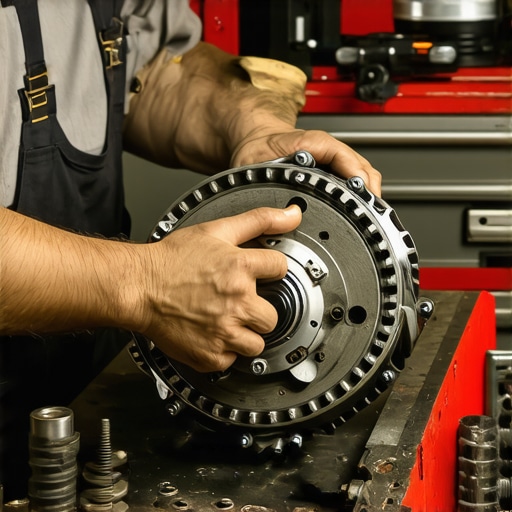
Some believe ASE certification guarantees flawless service. But the truth is, experience and continued education are key. Mechanics certified by ASE are trained to handle complex diagnostics and advanced repairs, reducing the risk of common mistakes like misfiring spark plugs or incorrect transmission adjustments. Trusting an ASE-certified expert rather than a generic shop can save you money in the long run.
Are you aware of the hidden pitfalls in routine maintenance? For example, neglecting small symptoms like delayed shifts or subtle oil burning can escalate into major issues. Regularly consulting knowledgeable professionals, staying informed, and avoiding shortcuts are critical steps to keep your vehicle reliable.
Have you ever fallen into this trap? Let me know in the comments.
Keeping Your Car Running Smoothly with Precision Tools and Methods
To ensure your vehicle remains reliable over the years, investing in the right diagnostic and maintenance tools is crucial. Personally, I rely on an advanced OBD-II scanner like the BlueDriver to access comprehensive engine codes and real-time data. Unlike generic code readers, this device pairs via Bluetooth with my smartphone, providing detailed insights into issues like transmission misfires or sensor failures without needing to visit the shop. This proactive approach aligns with the trend towards smart diagnostics and helps prevent minor problems from escalating into costly repairs.
Another must-have in my toolkit is a mechanic’s stethoscope. This simple yet effective device allows pinpointing unusual engine noises—be it a ticking valve or a whining transmission—saving me from unnecessary disassembly. In my experience, combined with a ASE-certified technician’s expertise, these tools empower me to identify potential issues early, ensuring long-term vehicle health.
Battery testers are also non-negotiable. I prefer a digital multimeter with a built-in load tester to evaluate my battery’s health accurately. Batteries can fail silently, and using a reliable tester helps determine if replacement is overdue, especially before extreme weather seasons. Regular testing extends beyond assuming a battery is fine because it starts the engine; it’s about confirming its capacity to sustain long drives.
Looking ahead, I predict that car maintenance will increasingly incorporate AI-driven diagnostic platforms. Devices capable of connecting to your vehicle’s ECU and providing predictive analytics will become standard, reducing downtime and repair costs. For now, however, combining traditional manual inspections with modern electronic tools remains the most effective approach.
How do I maintain tools and practices over time?
Consistency is key. Regularly calibrate your diagnostic tools, update their firmware, and familiarize yourself with vehicle-specific parameters. Just like oil quality affects engine longevity, maintaining your toolkit ensures accurate readings and reliable diagnostics. For instance, I schedule quarterly firmware updates for my OBD-II scanner, which not only extend its capabilities but also ensure compatibility with the latest vehicle models. Remember, possessing the right tools is only part of the equation; proper usage and upkeep are what truly keep your car in top shape. Want to learn more? Contact a trusted professional through our contact page to explore advanced maintenance strategies tailored for your vehicle. Try implementing a digital multimeter check this week—small steps can lead to big savings and peace of mind.
Lessons Only Experienced Car Enthusiasts Discover
- After years of neglecting my gut feelings, I finally realized that sudden oil darkening often masks deeper engine issues, like worn piston rings or turbo deposits, which can escalate into costly repairs if ignored. Listening carefully saved me thousands.
- Trusting professional diagnostic tools and the expertise of ASE-certified technicians revolutionized how I approach vehicle health. They teach you to read the subtle clues your car gives—like unexpected oilcolor changes or strange engine noises—and act before disaster strikes.
- Preventive maintenance isn’t just a routine—it’s a proactive mindset. Regularly checking oil levels, inspecting deposits, and conducting combustion gas tests can turn minor symptoms into early warnings, prolonging your engine’s lifespan and saving money in the long run.
Tools and Resources That Elevated My Maintenance Game
- The BlueDriver OBD-II scanner became my digital detective, offering real-time engine insights and diagnostics that helped me catch issues early. Its compatibility with smartphones made vehicle health checks quick and accessible, avoiding unnecessary trips to the mechanic.
- I rely on high-quality oil filters from trusted brands like Bosch or K&N to keep contaminants at bay. Coupled with premium synthetic oils, these filters provide peace of mind, reducing deposit formation and maintaining oil clarity longer.
- Guidance from reputable online communities and authoritative blogs, such as the one at autofixclinic.com, helped me understand complex engine behaviors. They emphasize the importance of trusting ASE-certified technicians for advanced diagnostics and repairs, a key step in safeguarding your vehicle.
Take Charge and Keep Your Engine Thriving
Remember, your car’s health hinges on your attention and action. Small, consistent checks and timely repairs make a significant difference—so don’t wait for warning lights to flash or oil to turn black. Embrace a proactive maintenance routine with the right tools and trusted experts, and your engine will thank you for years to come. Curious about how your own vehicle stacks up? Share your experiences or ask questions below, and let’s keep the conversation rolling.