The Hidden Reason Your Engine Oil Level Is Rising Instead of Falling
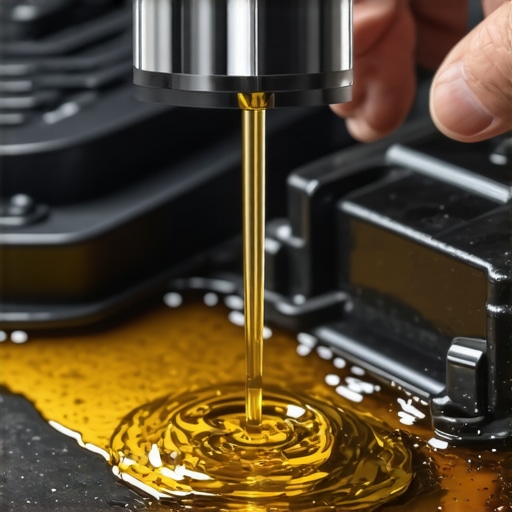
I remember the frustration vividly. I was waiting in line for an oil change, my car running smoothly—until I checked the dipstick later that evening. To my surprise, the oil level had actually gone up instead of down! At first, I thought I made a mistake, maybe misread the dipstick. But as I dug deeper, I realized something odd was happening. If you’ve ever experienced this baffling situation, you’re not alone—and it can be a real sign that something more serious is brewing beneath the hood.
Decoding the puzzled engine: When oil level rises, instead of falling
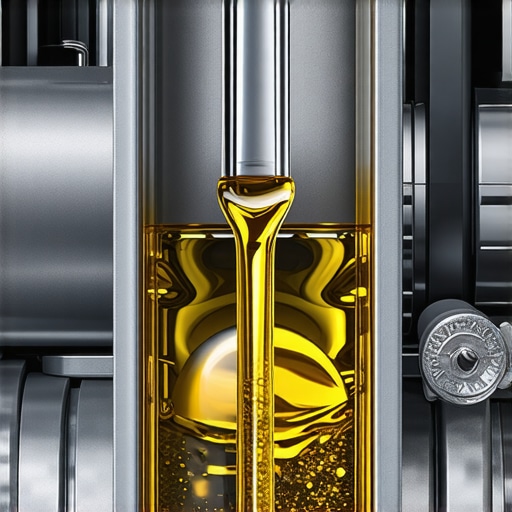
The first time my oil seemed to magically increase, I was convinced I had added too much during my last top-off. It wasn’t until I started doing some research that I uncovered the truth: elevated oil levels can be a symptom of engine blow-by or coolant leaks, both of which can lead to costly repairs if left unchecked. This surprising phenomenon often confuses car owners, especially when the common assumption is that oil should always decrease with use. In fact, understanding why this happens is crucial for maintaining your engine’s health and avoiding preventable breakdowns.
Are you currently facing this strange issue with your vehicle? If so, know that you’re not alone, and there are specific reasons behind it that you can address.
Is this problem really as serious as it sounds?
Early on, I made the mistake of ignoring the rising oil level, thinking I could top it off and be fine. But that’s a common misstep. Overfilling can cause pressure issues, and if coolant or contaminants are getting into your oil, your engine suffers silently. According to expert mechanics, rising oil levels often point to coolant leaking into the crankcase—a serious problem that can lead to engine damage if not diagnosed promptly. For a comprehensive overview of why your 2026 engine might be suffering from such issues, check out this detailed article on carbon clogging and engine performance.
So, how do you tell if your rising oil level is a mere anomaly or a warning sign? That’s what we’ll get into next. But first, it’s important to recognize that early detection can save you thousands in repairs and keep your engine running smoothly for miles to come.
Check Your Oil Levels Regularly
Start by establishing a routine to monitor your oil. Park your car on a level surface, turn off the engine, and wait for at least 10 minutes to let the oil settle. Remove the dipstick, wipe it clean with a cloth, then reinsert it fully before pulling it out again to read the level. This simple step prevents false readings, much like getting a clear picture when checking blood pressure during a consistent measurement process.
Inspect for Coolant Contamination
Elevated oil levels can indicate coolant leaks. Remove a small amount of oil from the dipstick and look for a milky or mousse-like appearance—a sign of coolant mixing with oil. If detected, avoid driving and schedule a diagnostic with a ASE-certified technician. Coolant intrusion is akin to water mixing into a dishwash cycle—if unchecked, it damages the entire system.
Perform a Compression Test
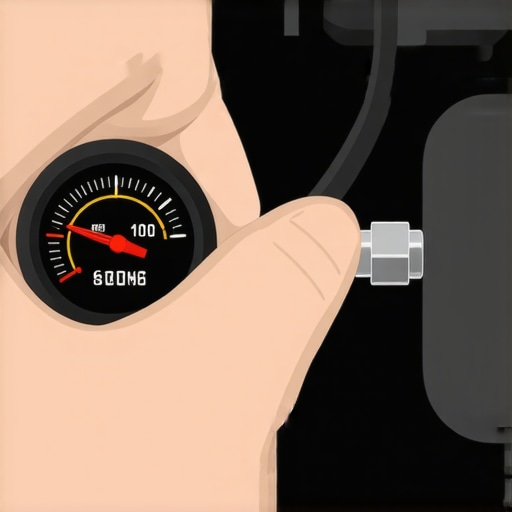
To identify internal engine issues, conduct a compression test. This involves removing the spark plugs, attaching a compression gauge, and cranking the engine in gear. A low reading in one or more cylinders indicates possible head gasket failure or piston ring problems. It’s like testing the integrity of the building’s foundation before further renovations, ensuring the engine can handle internal pressures.
Check for Signs of Blow-by
Signs include excessive oil vapor or smoke from the crankcase vent. Use a borescope to inspect piston rings and cylinder walls if possible. Blow-by occurs when combustion gases escape past worn piston rings, increasing oil volume. Think of it as a leaky valve in a plumbing system—if ignored, it causes pressure build-up and potential damage elsewhere.
Test for Combustion Gas in the Oil
Use a specialized tester to detect if combustion gases have penetrated your oil—another indication of head gasket issues. This test effectively confirms internal leaks without large disassembly, similar to a quick scan revealing hidden problems in a computer code. Addressing this early prevents severe engine damage.
Consider a Professional Inspection
If these tests show anomalies, it’s crucial to consult an ASE-certified mechanic. They can perform a detailed diagnostic, including cooling system pressure tests and leak-down assessments, to pinpoint the exact cause. Think of it like bringing in a specialist to diagnose a complex electrical problem—saving you time and preventing further damage.
Follow Through with Repairs
Depending on the diagnosis, repairs may involve replacing a head gasket, piston rings, or repairing a coolant leak. Regularly scheduled maintenance, such as using high-quality oil like nano-lube oil, can help prevent these issues from recurring. Maintenance is like regular health check-ups—crucial for long-term engine vitality.
When it comes to vehicle maintenance, many drivers rely on misconceptions that can lead to costly repairs down the line. One common myth is that all transmission issues are due to low transmission fluid levels, but in reality, data from experts shows that overfilling or using the wrong type of fluid can be just as damaging—see how improper fluid practices impair performance and longevity. Another mistake is trusting untrained or uncertified technicians; research indicates that ASE-certified mechanics have a significantly higher success rate in diagnosing complex transmission problems correctly, emphasizing the importance of certification when scheduling service. Many assume that routine oil changes are interchangeable and don’t require attention to specifications, yet using substandard or incorrect oil can accelerate engine wear, especially in advanced vehicles like the 2026 models, which demand nano-lube oils for optimal performance—find more insights on this here. Let’s also debunk the myth that a quick, 10-minute oil change shop provides the same quality as a full-service garage; evidence suggests that shortcuts taken at such outlets often overlook critical diagnostics, leading to overlooked issues like carbon buildup in GDI engines, detailed in this comprehensive article.
For advanced enthusiasts, understanding the nuances, such as the impact of bio-synthetic oils on engine lifespan or the importance of proper transmission flush methods, can make a tangible difference. Did you know that neglecting proper transmission service intervals can cause the clutch packs or bands to wear prematurely, resulting in slipping or delayed engagement? Recognizing these signs early through specific diagnostics can save considerable expenses. Moreover, a common trap many fall into is assuming all car service brands are equal; selecting an ASE-certified shop ensures the technicians have up-to-date training, which is vital given the rapid advancements in vehicle technology—like hybrid or turbocharged engines that require specialized knowledge.
So, why do these misconceptions persist? Often, it’s a mix of misinformation from less-than-ethical shops and a lack of awareness among drivers. My advice is to educate yourself on your specific vehicle’s needs—reading up on manufacturer recommendations and trusted expert advice can pay dividends. Remember, routine maintenance is not just about ticking boxes; it’s about understanding what your car truly needs to perform at its best. And the more you know, the better equipped you’ll be to make informed decisions, avoiding costly errors and ensuring your vehicle’s health for miles to come. Have you ever fallen into this trap? Let me know in the comments.
Elevating Maintenance with Precision Tools
To keep your vehicle running smoothly over the years, investing in the right equipment is crucial. I personally rely on a high-quality digital torque wrench, such as the Peak Atlas, because it ensures accurate tightening of critical components like head bolts and transmission fasteners, preventing over-tightening or under-tightening that could lead to future issues. Additionally, I use an advanced onboard diagnostic scanner like the BlueDriver because it seamlessly connects via Bluetooth to my smartphone, providing real-time fault codes, live data, and customization options—saving me trips to the mechanic and enabling proactive maintenance.
Leveraging Diagnostic Software for Predictive Care
Modern vehicles, especially the 2026 models, benefit greatly from sophisticated diagnostic software like OBDLink. I’ve found that regular scans using this tool reveal subtle issues—such as early transmission slippage signs or coolant leak indicators—that might not be apparent during routine visual inspections. This software highlights trends over time, allowing me to schedule repairs before problems escalate. As vehicle complexity increases, such data-driven approaches become invaluable for maintaining long-term health—think of it as a health monitor for your car.
Implementing Effective Maintenance Procedures
Scheduled fluid changes, especially for delicate oil types like nano-lube oils, are fundamental. I personally follow a meticulous process: I warm the engine for 10 minutes, then use a gravity drain method, which I prefer over pumps as it reduces the chance of contamination or incomplete drains. Post-change, I run the engine briefly and perform a diagnostic scan to confirm the proper operation of sensors and internal systems. Over time, diligent maintenance like this can dramatically extend engine and transmission longevity, preventing costly rebuilds.
Future of Vehicle Maintenance and Scaling Up
Looking ahead, I predict that AI-powered diagnostic tools will become mainstream, offering predictive analytics based on vehicle usage history and real-time sensor data—much like a personalized health app. This trend will empower car owners to prioritize repairs intelligently, reducing downtime and costs. To stay ahead, I recommend integrating software solutions with your physical tools for comprehensive vehicle care.
How do I maintain my vehicle over time?
Consistent use of precise torque tools, regular diagnostic scans, and data-backed maintenance planning are key. For example, ensuring your engine oil is changed using Nano-lube oils suitable for 2026 engines and verifying proper component torque with a digital wrench can prevent early wear. Adopting these practices, along with staying informed via expert resources, helps maintain performance and avoid unexpected failures. Remember, proactive care is your best strategy for long-term vehicle health—try setting a monthly diagnostic check to spot issues early and save money in the long run.
Lessons That Transformed My Approach to Transmission Care
One of the most impactful lessons I learned was the danger of assuming my car’s symptoms were always straightforward. Addressing a slipping transmission, I once replaced the fluid without checking for deeper issues like internal wear. That oversight nearly led to a costly rebuild. Now, I know that understanding the root causes—sometimes hidden beneath the surface—can save time and money. Another lightbulb moment was realizing that using the right tools, like an ASE-certified diagnostic scanner, uncovers problems early, before they escalate beyond repair. Finally, I’ve seen that regular maintenance isn’t just a routine—it’s a chance to collect vital data, anticipate failures, and act proactively. These insights have genuinely elevated my skill and confidence in maintaining my vehicle’s transmission health.