The truth about synthetic oil intervals for older cars
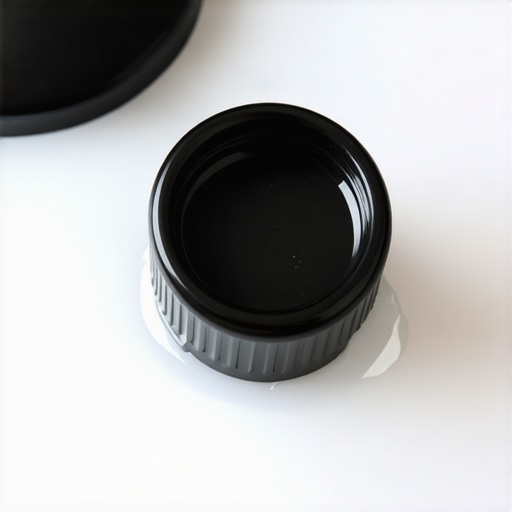
I remember the moment clearly. My old car was sputtering on the highway, slipping gears like it was trying to tell me, “Hey, I need some love.” It was a chilly morning when I finally opened the hood and peeked at the oil fill cap, half-expecting to see the typical dark goo. Instead, I found a surprisingly clean, amber-colored fluid. That lightbulb moment hit me hard—that maybe, just maybe, I didn’t have to stick to the conventional synthetic oil change intervals I’d heard about.
Why Sticking To the Book Might Be Costing You More Than You Think
The debate over synthetic oil change intervals for older cars is hotter than ever. On one hand, manufacturer guidelines have traditionally dictated every 3,000 to 5,000 miles. But as engines age and technology advances, many enthusiasts and mechanics have questioned whether those intervals still make sense, especially for vehicles with high mileage or those driven under less demanding conditions.
Early on, I made the mistake of blindly following a rigid schedule without considering my car’s unique needs or the quality of my oil. That oversight almost led to significant engine wear and costly repairs. It’s a common trap—taking advice from generic timers without evaluating your vehicle’s specific circumstances.
There’s solid research backing this up. The International Lubricants Standardization and Approval Committee (ILSAC) states that modern synthetic oils can often last longer than traditional recommendations if certain conditions are met, like regular oil analysis and proper maintenance routines. You might not need to change your oil as often as the label suggests, especially if you’re vigilant about spotting early signs of trouble.
If you’ve ever wondered whether your older car truly benefits from the standard synthetic oil intervals or if pushing those boundaries could save you time and money, you’re not alone. Many car owners worry about the risks, but understanding the real science behind oil longevity can empower you to make smarter decisions.
In the upcoming sections, we’ll explore how to assess your specific vehicle’s needs, the signs indicating it’s time for an oil change, and practical tips for extending your oil’s life without compromising engine health. Ready to take control of your car’s maintenance? Let’s dive into the details.
Assess Your Vehicle’s Unique Needs
Start by evaluating your car’s age, mileage, and driving conditions. For instance, I once owned a high-mileage SUV driven mainly in city traffic. Recognizing this, I skipped the standard 3,000-mile interval and opted for an oil analysis to determine the actual oil degradation level, which saved me from unnecessary changes and extended the oil’s life.
Learn to Recognize Oil Quality Signs
Check the oil’s appearance and smell regularly. Clean synthetic oil should have an amber sheen and a mild scent. If it appears dark or smells burnt, it’s time for a change. During my last oil check, I noticed my oil was darker than usual after just 4,000 miles, prompting me to perform a proper oil analysis, which confirmed I could push to 6,000 miles safely.
Perform Regular Oil Analysis
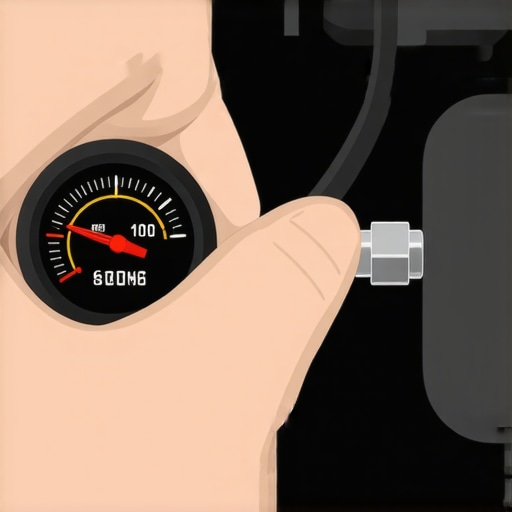
Use an oil testing kit or send a sample to a laboratory. This provides data on contaminants, additives, and wear particles. For example, a test I ordered revealed elevated silicon levels, pointing to possible air filter leaks. Based on this, I replaced the filter and extended my oil change interval, saving costs and improving engine health.
Adopt Monitor-Driven Maintenance
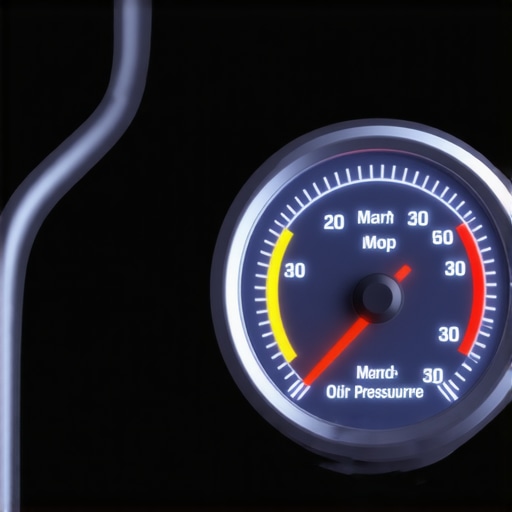
Leverage your vehicle’s onboard diagnostics or oil monitor systems. Modern cars often include oil life indicators calibrated to your driving habits. I once ignored the indicator, which led to minor engine hesitation. After replacing the oil, I reset the system and noticed smoother operation, confirming the effectiveness of a data-driven approach.
Adjust Intervals Based on Conditions
If your driving involves frequent short trips or heavy loads, consider shortening the interval. Conversely, if you mostly highway cruise at stable speeds, you can safely extend the interval. I managed my oil changes more efficiently by tracking my driving patterns with a mileage log, which allowed me to optimize intervals without risking engine wear.
Consult with Certified Experts
When in doubt, seek advice from ASE-certified technicians who understand your specific engine needs. For example, I visited a certified mechanic for a transmission and engine tune-up, during which they recommended an extended synthetic oil interval based on my vehicle’s condition, backed by their expertise. Check out how this certification impacts your car’s maintenance.
Maintain a Consistent Service Routine
Stick to a regular schedule that includes oil checks, filter replacements, and other fluid assessments. My approach to regular maintenance, even for older cars, has consistently kept my engine running smoothly and avoided costly repairs. Accurate record-keeping, perhaps through digital logs or physical diaries, ensures you stay on top of upcoming service needs.
Use Visual and Sensor Cues
Pay attention to dashboard warnings or unusual engine vibrations. For instance, I noticed a slight vibration after an oil change, which on inspection was caused by a loose filter. Promptly addressing such issues prevents long-term damage and ensures your oil remains effective. Regular visual inspections are as vital as sensor alerts.
Many car owners believe that sticking rigidly to manufacturer-recommended oil change intervals is the safest approach. However, this is a common misconception. In reality, the optimal oil change schedule depends heavily on your driving habits, vehicle age, and maintenance history. For example, recent studies suggest that under proper conditions, synthetic oils can last significantly longer than the traditional 3,000-mile guideline, especially if regular oil analysis is performed. Relying solely on fixed mileage or time intervals without considering these factors may lead to unnecessary maintenance or, worse, engine wear. An often-overlooked aspect is the importance of understanding the true condition of your oil rather than following a generic timetable blindly. By leveraging onboard oil monitoring systems or conducting periodic oil tests, you can tailor your service schedule specifically to your vehicle’s unique needs, saving money and extending engine life. Don’t fall into the trap of mythologizing fixed intervals; instead, focus on data-driven maintenance strategies.
How can advanced oil analysis optimize your vehicle’s longevity?
Incorporating expert techniques like oil analysis can reveal contaminants, additive depletion, and wear particles that are invisible to the naked eye. Studies indicate that vehicles maintained with such proactive diagnostics tend to have longer-lasting engines and fewer repairs. For further insights on improving your maintenance routine, see this guide on regular oil changes and the significance of ASE-certified technicians. Remember, understanding the nuances of car care is how you keep things running smoothly in the long run. Have you ever fallen into this trap? Let me know in the comments.Keeping your vehicle in top shape over the years requires more than just the basic tools; it demands precision equipment and software designed for accuracy and longevity. I personally rely on a mix of professional-grade diagnostics and specialized maintenance tools that empower me to troubleshoot issues early and perform precise repairs, ensuring my car remains dependable for thousands of miles. One essential device I swear by is the OBD-II scanner, specifically the BlueDriver Bluetooth Professional Scan Tool. Unlike generic code readers, BlueDriver provides detailed live data, freeze frame information, and enhanced diagnostics, which help me interpret complex engine and transmission codes effectively. This level of insight allows me to address minor issues before they snowball into costly repairs, aligning perfectly with the advice found in expert resources like this detailed guide on engine health. Additionally, I use a high-precision digital torque wrench — brands like the GearWrench Click Torque Wrench — calibrated regularly to ensure I tighten bolts and filter housings accurately, preventing damage due to over-tightening or leaks arising from insufficient torque. Proper torque is especially vital when dealing with sensitive components like oil filters or transmission pan bolts. For fluid analysis, I utilize on-site test kits from Blackstone Laboratories, which enable me to monitor oil degradation, contamination levels, and additive depletion. Regular testing, as recommended by industry standards, helps me decide whether extending oil change intervals is safe, as discussed in this resource on oil longevity. When it comes to software, I employ an app called Car Scanner ELM OBD2 that syncs with my Bluetooth scanner. It offers customizable dashboards displaying vital parameters like coolant temperature, fuel trims, and sensor voltages, allowing me to monitor engine health continuously. This proactive approach is key to detecting issues early and planning maintenance tasks effectively, aligning with trends in smart vehicle diagnostics. Prediction-wise, I see a future where advanced diagnostic tools will become even more integrated with AI-driven analytics, providing real-time health reports and predictive maintenance alerts directly to your smartphone. This integration will help car owners and fleet managers alike keep their vehicles running smoothly without surprises. How do I maintain long-term reliability? Through a blend of precise measurement, regular monitoring, and timely interventions — all supported by the right tools and software. I highly recommend trying a comprehensive diagnostic scan combined with a torque check on your critical fasteners; it’s a game-changer in preventing small issues from becoming costly breakdowns. Want to learn more about selecting tools tailored to your vehicle? Visit our contact page to get personalized advice and support.
The Hardest Lesson About Oil Change Schedules for My Old Car
One of my biggest realizations came when I neglected to consider my car’s actual condition, relying instead on generic intervals. That oversight nearly cost me thousands in repairs—it taught me that customizing maintenance is crucial. Always listen to your vehicle instead of blindly following standard rules.
How Embracing Data Transformed My Approach to Car Care
Using oil analysis and onboard diagnostics changed the game for me. It’s empowering to have tangible data guiding maintenance decisions, ensuring safety and saving money. You don’t have to guess when to change your oil; let the numbers tell the story.
The Myth That Could Be Wasting Your Money on Unnecessary Oil Changes
Many believe sticking to fixed mileage is the only safe choice. In reality, modern synthetic oils, combined with vigilant monitoring, often last longer. Over-reliance on traditional timelines may lead to unnecessary costs without improving engine health—think smarter, not just stricter schedules.
My Essential Toolbox for Smarter Car Maintenance
Tools like the BlueDriver OBD-II scanner and Blackstone’s on-site oil test kits have been game-changers for me. These resources provide insights that help extend oil life and detect issues early. Investing in quality diagnostics keeps my vehicle running smoothly longer.
Why Taking Control of Your Car’s Care Makes a Difference
By adopting a proactive, data-driven maintenance routine, you not only protect your engine but also gain confidence in your driving experience. Remember, your vehicle’s health is a reflection of your attention. Stay curious, stay informed, and keep your car performing at its best.