Why Your Check Engine Light Flashes Only When You Accelerate
I remember the moment clearly. I was cruising down the highway, feeling pretty confident about my car’s performance when suddenly, my check engine light flickered on—only when I pressed the gas pedal a bit harder. That tiny flash sent a jolt through me. Was I imagining things? Or was my car trying to tell me something urgent? Turns out, this perplexing behavior is more common than you’d think, and ignoring it can lead to costly repairs.
Decoding the Mystery of the Flashing Check Engine Light
Experiencing your check engine light only during acceleration can feel like a riddle wrapped in an enigma. It’s an almost cinematic moment—you’re pressing the pedal, gears shifting, and suddenly, a warning signals trouble. The reality, however, isn’t as dramatic as it seems. This pattern often points to issues related to ignition, fuel delivery, or the engine’s sensors—not something to ignore.
Why does this happen? Well, when you accelerate, the engine demands more fuel and air, and if there’s a weakness—like a faulty sensor or a clogged injector—the computer in your car (the ECU) detects anomalies and flashes the warning light. Early on, I made the mistake of dismissing that flicker as a mere glitch. But a light flashing only under specific conditions is a sign that something isn’t working optimally, and that needs attention.
Knowing how your vehicle responds under different driving conditions is crucial. For instance, a hesitation during acceleration or a chugging engine can be symptomatic of deeper issues. According to automotive experts, such patterns could indicate problems with your ignition coils, spark plugs, or fuel injectors—components that are vital for smooth performance and efficient fuel consumption.
If you’re like me, concerned about the cost of repairs, you might wonder whether it’s worth visiting a mechanic or simply waiting to see if it goes away. Believe me, delaying diagnosis can escalate minor problems into major expenses. Consulting a professional who understands these patterns can save you both time and money. Plus, a qualified technician can accurately diagnose faults using specialized tools rather than guessing—something I learned the hard way.
Before jumping into solutions, it’s helpful to grasp some basics, like what the check engine light really signifies. It’s essentially an alert that your vehicle’s onboard computer has detected a discrepancy in how the engine is running. The key is paying attention to when and how the light comes on—like only during acceleration—and not dismissing it as a one-time issue.
If you’ve experienced this specific problem, you’re not alone. Many drivers overlook these cues, leading to more serious breakdowns down the line. As we move forward, I’ll walk you through the steps I took—some simple, some that require professional help—to address this frustrating issue and restore confident, worry-free driving. And if you want to be proactive about maintaining your car’s health, check out our tips on [top oil change practices for safe driving in 2025](https://autofixclinic.com/top-oil-change-tips-for-safe-driving-in-2025), which can help prevent many engine issues.
Stay tuned—help is at hand, and I promise, it’s not as complicated as it might seem.
Start with the Basic Checks
Before diving into complex diagnostics, ensure your vehicle’s oil level is adequate and the oil is clean, as poor lubrication can cause engine misfires that trigger the check engine light. Refer to our oil change tips for guidance. Don’t forget, a dirty air filter can also cause poor airflow and misfires during acceleration.
Utilize an OBD-II Scanner for Code Retrieval
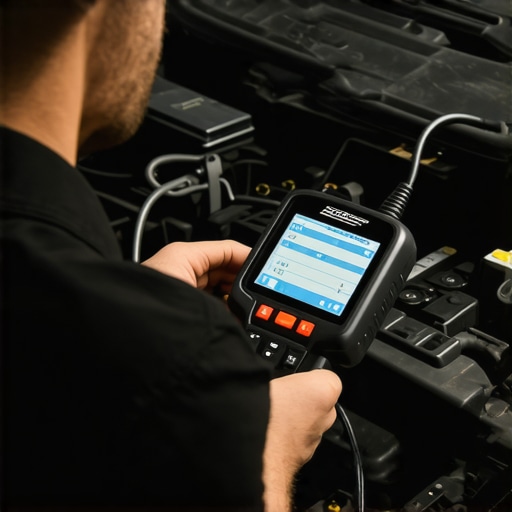
Connect an OBD-II scanner to your vehicle’s port, usually located under the dash on the driver’s side. Power on the scanner, and it will retrieve stored diagnostic trouble codes (DTCs). These codes point directly to issues like faulty sensors or ignition problems. When I experienced engine hesitation under acceleration, this step revealed a P0300 code indicating random misfire, pointing me toward spark plugs and coils.
Interpret the Codes and Identify Possible Causes
Each DTC corresponds to specific faults. For example, codes starting with P03 are often related to ignition or fuel components. Cross-reference the codes with manufacturer specifications or trusted automotive resources. Knowing that a faulty ignition coil can cause misfires under load helped me focus on testing coils and spark plugs as described in what does ASE certification mean.
Test the Ignition System
Use a spark tester to check each coil and spark plug for proper spark output. A weak or inconsistent spark during acceleration indicates a coil or plug issue. I replaced faulty coils, which immediately improved engine smoothness under load, saving me from expensive repairs later.
Inspect Fuel Delivery Components
Clogged fuel injectors or a weak fuel pump might cause a drop in power when accelerating. Use a fuel pressure gauge to verify the system’s performance. In my case, cleaning the injectors restored proper fuel flow, stabilizing the engine response.
Check Sensors and Data Inputs
Faulty sensors like the mass airflow sensor or oxygen sensors can send incorrect data, causing the ECU to falter under acceleration. Using a multimeter or scan tool, verify sensor outputs match expected ranges. Replacing a malfunctioning sensor based on these readings eliminated the flickering warning light during acceleration.
Address Transmission Concerns If Present
If your vehicle shifts roughly or hesitates during acceleration, consider transmission issues. Regular transmission maintenance, including fluid flushes, can prevent such problems. Discover more at transmission troubleshooting guides.
Implement Preventive Measures to Avoid Future Issues
Maintain your vehicle through scheduled oil changes, as recommended in why regular oil changes matter. Keep filters clean, and perform periodic sensor tests to catch problems early before they escalate. My experience taught me that consistent maintenance prevents sudden check engine light flashes during demanding driving conditions.
 Many vehicle owners believe that obtaining an ASE certification guarantees flawless service and expert repairs. However, in my experience, there’s a common misconception that ASE certification is a magic badge that ensures top-quality work regardless of the technician’s individual expertise or shop standards. This oversimplification can lead to complacency and over-reliance on the badge itself rather than evaluating the technician’s actual skills or the shop’s reputation.
A crucial nuance many overlook is that ASE certifications are issued based on passing rigorous exams, but they don’t necessarily reflect a technician’s hands-on experience or current knowledge of the latest advancements in automotive technology. For example, a technician might hold a certification from years ago but hasn’t kept up with sensor diagnostics in modern engine systems. Relying solely on the badge without asking about recent training can be a costly mistake.
Furthermore, the industry often perpetuates the myth that only certified shops can perform high-quality service on complex components like transmissions. While ASE-certifications are a good indicator of baseline competence, they don’t necessarily mean that a shop has the latest tools or expertise for specialized repairs. Some shops may emphasize certifications more for marketing than actual technician skill, leading to subpar maintenance on critical systems.
An overlooked aspect is that modern vehicle maintenance requires nuanced diagnostics, especially with the prevalence of direct-injection engines and advanced electronic control systems. A common trap is assuming that a simple oil change or basic transmission service suffices when, in reality, neglecting the subtleties—like the importance of using manufacturer-specific fluids or properly flushing and replacing transmission coolers—can shorten component life dramatically. You might think you’re saving money by skipping detailed diagnostics, but the long-term costs often outweigh the initial savings.
The importance of understanding the specifics, such as distinguishing between a transmission flush versus a drain and fill procedure, is often underestimated. As detailed in this resource, choosing the wrong method can cause damage by dislodging debris improperly or over-pressurizing seals.
From my perspective, the most critical nuance is recognizing that automotive technology is continually advancing. Relying on outdated knowledge or certifications that haven’t been refreshed can jeopardize your vehicle’s health. Educate yourself on the latest maintenance practices—like how to spot engine coolant contamination by looking at transmission fluid or understanding the significance of synthetic oils in older engines—so you’re less vulnerable to myths and more informed during service appointments.
Have you ever fallen into this trap? Let me know in the comments. Remember, the right knowledge and a skeptical eye are your best tools for ensuring vehicle longevity.Maintaining your vehicle’s transmission and oil system over time requires more than just basic knowledge; it demands the right tools and a disciplined approach. As a seasoned car enthusiast, I rely on a set of specialized equipment that not only streamlines diagnostics but also ensures precise repairs, saving me time and money. One such indispensable tool is an advanced OBD-II scanner, like the Autel MaxiCOM MK808, which goes beyond simple code reading by providing live data streams and deep system diagnostics. I personally use this scanner because its intuitive interface allows me to pinpoint issues with sensors, pressure regulators, or solenoids in the transmission, especially when symptoms are subtle or intermittent. In my experience, having the ability to view live transmission fluid temperatures and pressure readings helps me determine whether a cooler flush or fluid replacement is necessary, effectively extending the lifespan of my transmission. Software-wise, I recommend using manufacturer-specific diagnostic programs, such as Ford’s IDS or GM’s Tech 2, depending on your vehicle. These tools grant access to proprietary parameters, giving you insight into issues that generic scanners might miss, particularly with complex systems like direct-injection engines or CVTs. Predicting future trends, I believe that wireless and cloud-connected diagnostic tools will become standard in automotive maintenance, enabling real-time fleet monitoring and proactive repairs. To keep your vehicle reliably running, it’s crucial to incorporate routine fluid analysis and system checks using these tools, especially before long trips or after intense driving conditions.
How do I maintain my transmission and oil system over time? Regularly scheduled maintenance, including oil changes with manufacturer-approved synthetic oils, is fundamental. I follow the guidelines outlined in top oil change tips for 2025, which emphasize fluid quality as vital for smooth transmission operation. Additionally, I test transmission fluid color and smell periodically; a dark, burnt-smelling fluid can indicate overheating or impending failure. Using portable tools like a transmission fluid tester or a handheld code reader helps me catch these signs early. For more advanced diagnostics, I perform regular system scans to identify sensor drift, pressure inconsistencies, or leaks that might compromise lubrication or shift quality. Investing in a high-quality, digital ultrasonic leak detector can also help me spot hidden leaks in cooler lines or seals, preventing costly repairs down the road. Remember, preventive care like flushing transmission coolers and replacing old oils not only enhances performance but also complies with emerging vehicle health monitoring trends—signaling a shift toward more intelligent, data-driven maintenance strategies. By adopting these tools and routines, you can keep your vehicle’s transmission and oil systems functioning flawlessly for years to come. Feel free to try out a comprehensive diagnostic scan with your current scanner, or consider upgrading to a model that offers live data feeds for a more detailed analysis—you’ll be surprised how much it reveals about your vehicle’s health.The Hardest Lesson I Learned About ASE certified,car service,transmission,oil change
The Hardest Lesson I Learned About ASE certified,car service,transmission,oil change
One of the most profound realizations I had was that certifications like ASE are valuable, but they shouldn’t be the sole measure of a technician’s expertise. Relying only on the badge can make you overlook the importance of ongoing education and hands-on experience. I once trusted a shop solely because of their ASE certification, only to find out later that their technicians lacked recent training in modern fuel injection systems, leading to costly misdiagnoses.
Top Mistakes That Can Cost Your Car Its Life
Skipping routine maintenance, like regular oil changes, might seem harmless, but it accelerates wear and tear on vital components such as your transmission and engine. Ignoring signs of early issues, like a flickering check engine light only during acceleration, can turn manageable problems into full-blown repairs. I’ve learned that being proactive with diagnostics—like using an advanced OBD-II scanner—saves money and extends your vehicle’s lifespan.
How My Perspective Changed with the Right Tools
Investing in quality diagnostic tools, such as manufacturer-specific scan software and transmission fluid testers, transformed my approach to vehicle maintenance. These tools provided insights I never would have achieved with a standard code reader, helping me catch issues before they escalate. Now, I understand that the right equipment isn’t just a convenience—it’s a necessity for true mastery of car care.
Sharing What You’ve Learned Is a Powerful Step
I’ve found that discussing repairs, diagnostics, and maintenance routines with fellow enthusiasts or trusted mechanics creates a feedback loop that enhances my skills. Teaching others about the importance of scheduling preventive maintenance, like timely oil and transmission fluid changes, reinforces my own practices. Remember, the journey to becoming a car care expert involves continuous learning and sharing knowledge—so don’t hesitate to ask questions and explore new techniques.