How to check your engine oil like a professional ASE tech
It was a chilly morning, and as I reached for my car keys, I suddenly realized I couldn’t remember the last time I checked my engine oil. A quick glance under the hood revealed a neglected sight—dried grime, a slightly low oil level, and that sneaky feeling that I might have been ignoring a small but vital maintenance cue. That moment was a wake-up call. If you’re like me, busy and often distracted, it’s easy to overlook this simple yet crucial task. But here’s the truth: neglecting your oil level can lead to serious engine problems down the line—problems that could have been easily prevented with just a few minutes of inspection.
So, what’s the secret to keeping your engine happy and healthy? It’s learning how to check your oil like a seasoned ASE tech—fast, accurate, and without unnecessary hassle. Today, I promise to share exactly how you can do this, step by step, so you’ll never again be caught off guard by a low oil warning or, worse, an overheated engine.
Why Checking Your Oil Matters More Than You Think
Will You Regret Skipping the Basics?
Many car owners assume oil checks are just a chore or an unnecessary hassle. But skipping this routine can be incredibly costly. According to data from the Department of Energy, regular oil changes and inspections can extend your vehicle’s lifespan by thousands of miles and save you hundreds of dollars in repairs. Plus, engine oil acts as your car’s lifeblood—it lubricates, cools, and cleans vital components.
Early in my own car-owning days, I made a crucial mistake: I believed that as long as the engine ran smoothly, there was no need to check the oil. That led to a costly engine rebuild after a neglected oil leak caused excessive wear. Honestly, learning how to check my oil properly was a game changer. It transformed me from a clueless owner into someone who could catch issues early, saving money and preventing breakdowns.
If you’ve ever had that nagging feeling that your car isn’t performing quite right or if your dashboard warning lights suddenly flickered at the worst moment, you’re not alone. Many drivers overlook basic maintenance, especially oil checks, until it’s too late. But trust me, it’s not complicated. With a little guidance, you can master this simple task and protect your vehicle’s engine.
Thinking about getting professional help? You might want to consider how choosing the right kind of car service can make all the difference—learn more about how to choose [the right mechanic or shop](https://autofixclinic.com/choosing-the-right-car-service-for-your-vehicles-needs). Or explore our tips on [why regular oil changes are vital for your car’s lifespan](https://autofixclinic.com/why-regular-oil-changes-extend-your-cars-lifespan). Now, let’s get into the practical steps, so you’ll be checking your oil like a true professional in no time.
Preparing for the Oil Check
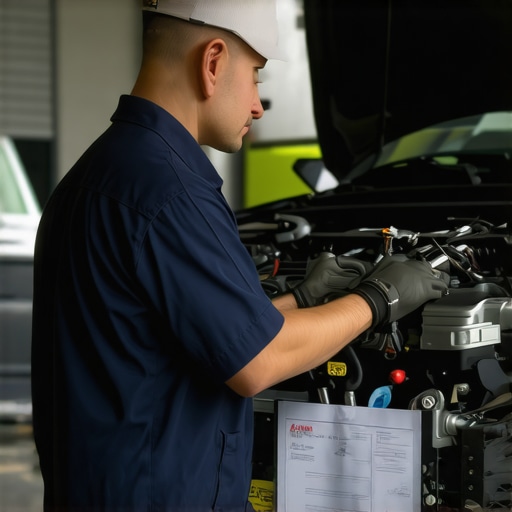
Start by parking your vehicle on a flat, level surface to ensure an accurate reading. Turn off the engine and wait at least 5 minutes for the oil to settle into the pan. Open the hood by releasing the latch inside your car, then locate the dipstick—usually a bright colored handle marked “Engine Oil.” I remember the first time I struggled to find it in my old sedan; now, after a quick glance, I spot it instantly, saving me precious time.
Extracting and Inspecting the Dipstick
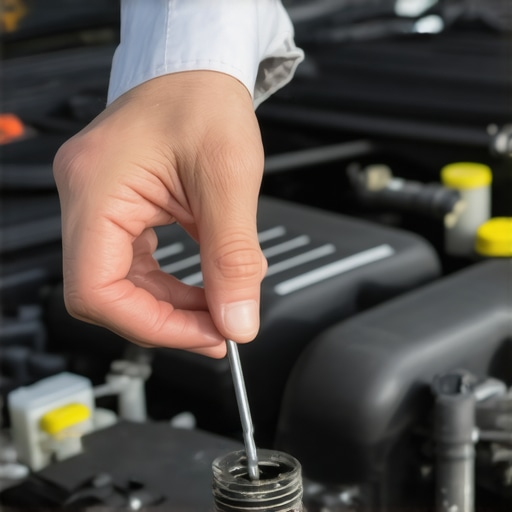
Pull the dipstick out carefully and wipe it clean with a lint-free cloth or paper towel. This removes any residual oil and gives a clear view of the current level. Once cleaned, reinsert the dipstick fully, then pull it out again to check the oil level. The oil should be between the “Full” and “Add” marks. I once skipped this step and ended up adding too much oil—causing aeration and poor lubrication—so precision here is key.
Deciphering Oil Condition and Level
Observe the oil’s color and texture. Fresh oil is amber and translucent; if it looks dark, gritty, or milky, it’s time for a change. The dipstick also reveals the oil level—if it’s below the “Add” mark, you need to top it up. Be sure to use the correct type, whether synthetic or conventional, matching your vehicle’s specifications. Remember, mixing oils can affect lubrication efficiency, so consult your owner’s manual or local mechanic for guidance.
Adding Oil Without Overdoing It
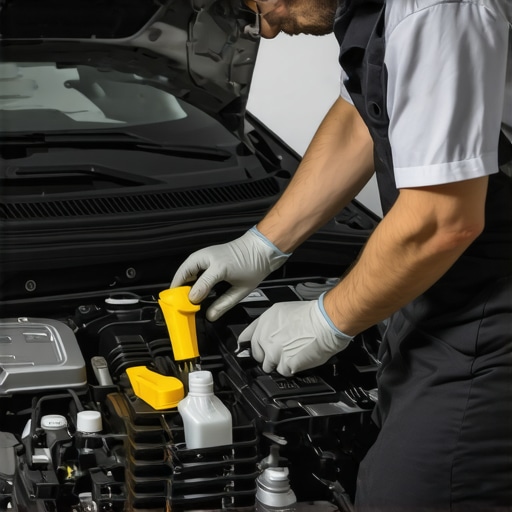
Unscrew the oil filler cap carefully, usually labeled with an oil can icon. Using a funnel, pour in small amounts—about a quarter to a half quart at a time—then wait a minute for the oil to settle before rechecking. It’s tempting to add too much, but overfilling can cause harm, similar to over-inflating a tire, which stresses the seals and components. I learned this the hard way when my car’s oil pressure gauge spiked unexpectedly, highlighting the importance of precise filling.
Final Inspection and Recording
After topping up, reinsert the dipstick and verify the level. Ensure it’s within the designated marks and the oil appears in good condition. Make it a habit to record the date and mileage each time you check—like a health journal for your vehicle, which can help spot patterns or impending issues early. Regular checks are a small investment of time that can prevent major repairs later, aligning with the advice found in Why Regular Oil Changes Extend Your Car’s Lifespan.
When to Seek Professional Assistance
If you notice persistent oil consumption, a strange burning smell, or if your oil level drops rapidly between checks, it’s time to consult a professional. Finding a certified mechanic helps ensure your vehicle receives proper care—look for shops offering ASE-certified technicians, which indicates a proven standard of expertise. For guidance on selecting trusted car service providers, visit how to choose the right mechanic.
 When it comes to vehicle maintenance, there’s a lot of misinformation and common myths that can lead even experienced car owners astray. Many believe that as long as the car runs smoothly, there’s no need to worry about transmission health or regular oil changes. However, the reality is far more nuanced. For example, a widespread myth is that transmission fluid doesn’t degrade over time—that it’s good forever. In truth, as noted in expert analyses, transmission fluid loses its lubricating properties and can develop harmful deposits, which compromise shifting smoothness and can lead to costly repairs if not addressed timely. Regularly inspecting and replacing transmission fluid, especially in high-mileage vehicles, is crucial. Don’t fall into the trap of neglecting this vital maintenance step.
A common mistake I see is car owners waiting for warning signs before servicing their transmission or changing the oil. This reactive approach often results in engine or transmission failure that could have been prevented through proactive care. Remember, transmission repairs can cost thousands, so preventive measures — like adhering to recommended service intervals outlined by your vehicle manufacturer — are a wise investment. Be aware that using the wrong type of fluids—be it synthetic vs. conventional or incompatible formulations—can accelerate wear. Studies and expert guidelines emphasize using manufacturer-approved lubricants to avoid irreversible damage.
Why is it that many drivers rely on unverified sources or hearsay when tackling essential maintenance? Sometimes, even certified mechanics can be misled by outdated practices or overlooked nuances. For example, choosing ASE certification as the sole indicator of quality might be misleading if the technician hasn’t updated their knowledge on latest technological developments. To truly understand what sets a professional apart, learn about what ASE certification entails. It’s not just a badge; it represents a commitment to ongoing education.
Pay attention to the subtle signs of transmission issues such as shuddering, slipping, or unusual noises—these are often early indicators of deeper problems. Regular oil analysis and fluid checks can reveal particles or discoloration that point to imminent failure. Moreover, ensuring your service provider specializes in transmission diagnostics—like those featured in transmission troubleshooting guides—can save you significant money and stress.
Now, you might wonder, how can a seemingly simple maintenance task like an oil change impact the longevity of such complex components? The answer lies in understanding the nuances of fluid quality and change intervals. Over time, oil becomes contaminated with dirt, metal particles, and combustion by-products, which can cause abrasion and damage to engine and transmission parts. Expert opinions and recent studies underscore the importance of sticking to the right oil change schedule—something often neglected. For detailed guidance, check out why regular oil changes matter.
Equip Yourself for Reliable Maintenance
Maintaining your vehicle over time demands the right tools—nothing beats quality, precision, and durability. Personally, I rely on a high-grade digital multimeter like the Fluke 115. Its accuracy allows me to diagnose electrical issues swiftly, avoiding unnecessary trips to the mechanic. For oil changes, I swear by a calibrated digital oil extractor; it provides exact volume measurements, which is essential when topping off or replacing oil, especially when working with synthetic blends. Using such tools ensures I don’t overfill or underfill, both of which can cause engine problems. When dealing with transmission troubleshooting, I use a professional-grade scan tool, like the Autel Maxisys MS908, because it offers detailed diagnostic codes and live data streams, greatly simplifying complex issues. These tools aren’t just gadgets—they’re investments in your vehicle’s long-term health.
Future Trends in Car Maintenance Equipment
Looking ahead, the integration of IoT and AI into vehicle diagnostics promises smarter, more proactive maintenance. Imagine a device that continuously monitors your transmission health and alerts you before any noticeable problem arises. As technology advances, I predict cost-effective smart diagnostic tools will become mainstream for everyday drivers, not just professionals. This shift will enable us to catch issues early, saving money and preventing breakdowns.
How do I maintain transmission health over time?
Regular fluid exchanges aligned with manufacturer recommendations, usually every 30,000 to 60,000 miles, are key. Use a high-quality, OEM-approved transmission fluid—like those specified in service guidelines—to prevent wear. Incorporating a dedicated transmission cooler, especially if you tow frequently, helps manage heat and prolongs component life. Don’t forget to perform periodic diagnostic scans—many affordable OBD-II scanners today can provide early warnings of shifting troubles, as highlighted in transmission troubleshooting guides. Consistency is vital, and leveraging modern tools will keep your transmission performing at its best for years to come.
Streamlining Oil Changes with Advanced Tech
When it comes to oil maintenance, accurate measurement and choosing the right oil are critical. I recommend using a digital oil monitor that interfaces with your smartphone via Bluetooth. This allows real-time tracking of oil levels, viscosity, and contamination indicators, providing peace of mind between oil changes. For those in fleet management, investing in automated oil extraction systems can save hours and improve consistency across all vehicles. Moreover, selecting certified, high-quality oils—like the latest synthetic blends recommended by top oil change tips for 2025—ensures optimal engine performance. Expect that in future, integrated systems will automatically notify you when an oil change is due, based on driving patterns and vehicle diagnostics.
Climb the Maintenance Ladder
If you’re serious about long-term results, consider scheduling semi-annual professional inspections that include software diagnostics and fluid analysis. Certified, ASE-approved shops employ tools capable of detecting subtle issues that might escape regular checks, such as microfractures in engine components or early-stage transmission wear. Remember, adopting a proactive mindset with daily or weekly checks using personal diagnostic tools drastically reduces the risk of costly repairs down the line. Get hands-on with your car’s health—start by trying an advanced diagnostic method today, like testing fluid quality with a multimeter and visual inspection. It’s a small step toward peace of mind and longevity.
The Hardest Lesson I Learned About Transmission and Oil Maintenance
One eye-opening moment for me was realizing that proper transmission care isn’t just about mechanic visits—it’s about developing a keen understanding and routine. I once ignored subtle hints like slipping gears, thinking they were minor glitches. It wasn’t until I experienced a sudden shift failure that I grasped how essential regular checks are. That taught me to trust my instincts and stay proactive, rather than reactive, about vehicle health.
Gear Up: Essential Tools That Transformed My Maintenance Routine
Investing in quality diagnostic tools, such as a reliable scan tool and a digital multimeter, revolutionized how I approach car care. These tools provided clarity beyond what the dashboard signals, revealing issues early. Trusting brands like Autel or Fluke gave me confidence, knowing I could prevent costly repairs by catching problems before they escalate.
Dont Wait for the Warning Light—Prevention Is Key
One thing I wish I had embraced sooner is the power of routine, like scheduled oil and transmission fluid changes. Waiting for a dashboard alert often meant damage was already done. Learning to follow manufacturer recommendations and using specialized tools to analyze fluid condition helped me extend my vehicle’s lifespan and save money, turning maintenance from a chore into a confidence builder.