How to Tell if Your Transmission Solenoid is Stuck
Ever been cruising down the highway when suddenly your car starts acting up—shifting rough, revving oddly, or even refusing to go into gear? I remember one sticky summer day, my transmission unexpectedly jerked into a hard shift, making my stomach drop. That moment was a real lightbulb for me—real transmission issues aren’t always loud and obvious. Sometimes, it’s that sneaky transmission solenoid causing all the fuss, and I had no idea what to look for.
What I’ve learned from my own experiences—and from years of car servicing—is that catching these problems early can save you a lot of heartache and money. Today, we’re going to demystify *how to tell if your transmission solenoid is stuck*. Yes, it sounds technical, but I promise—once you understand the signs, you’ll be better equipped to decide whether a trip to the mechanic is due or if it’s just a minor hiccup you can handle yourself.
Why Recognizing a Faulty Transmission Solenoid Matters Now
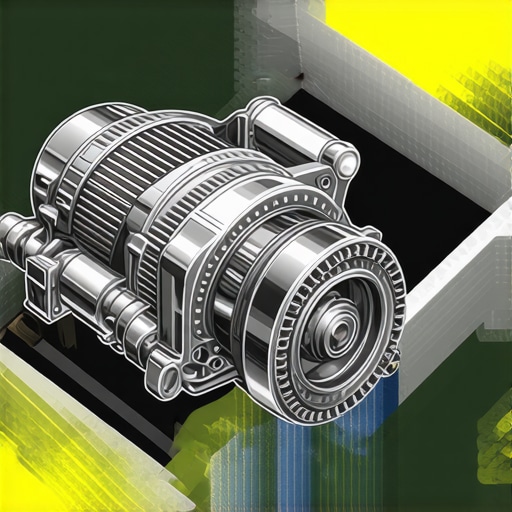
Your car’s transmission is like its heartbeat—keeping everything running smoothly or signaling trouble when something’s off. The solenoid acts as a switch that helps control the flow of transmission fluid, coordinating your gear changes. When it sticks or fails, it can lead to slipping gears, harsh shifts, or even complete transmission failure. That’s why being attuned to the signs can prevent more serious, costly repairs down the road. Experts agree that early diagnosis of transmission issues can extend your vehicle’s lifespan significantly.
Now, I want to be upfront—I made the mistake early in my journey by ignoring minor shifting glitches, thinking they’d just resolve themselves. Spoiler alert: they didn’t. That oversight cost me a lot more than I would’ve liked. So, if you’ve felt your vehicle shove or lurch, or if the transmission seems sluggish, don’t brush it off. Recognizing the symptoms today can mean the difference between an easy fix and a total transmission overhaul.
Let’s get into the practical signs that your transmission solenoid might be the culprit, and how you can tell if it’s time for professional help or even a DIY check. Ready to become more confident about your car’s health? Keep reading, and I’ll guide you through each step.
Check for Shifting Symptoms
Begin by observing how your car shifts gears. As I experienced during a rough drive, a delayed or harsh shifting pattern is often an early sign of transmission trouble. To test this, gently accelerate and see if the shifts feel uneven or if the vehicle stalls momentarily. Remember, just like a mechanic uses a diagnostic scanner, you can perform a simple test by noting these irregularities—ignore them at your peril, as they can escalate into costly repairs.
Perform a Road Test Safely
Find a quiet, flat stretch of road where you can safely test your vehicle’s response. Shift through the gears gradually—drive in Drive, then manually shift into lower gears if possible. Pay close attention to any hesitation, slipping, or if the transmission refuses to shift. This ‘micro-story’ from my own experience involved noticing resistance when I shifted from second to third gear, prompting me to investigate further. If these signs appear, it’s time to dig deeper.
Use a Code Scanner to Detect Errors
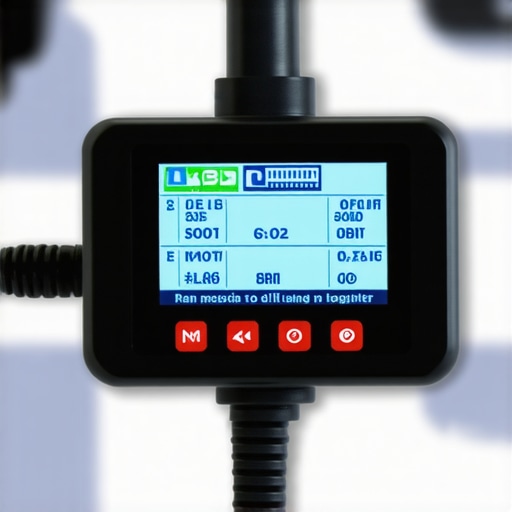
Modern cars are equipped with onboard diagnostics. Connect an OBD-II scanner—affordable and easy to use—to your vehicle’s port, usually located under the dashboard. Turn on the ignition and read the error codes. Codes like P0750 or P0753 can point directly to issues with transmission solenoid circuits. In my case, pulling the code revealed a stuck solenoid circuit. For detailed interpretation, consider consulting professional insights.
Inspect Transmission Fluid
Low, dirty, or discolored transmission fluid can cause solenoid malfunction. Check your vehicle’s transmission fluid level and quality. Park on a level surface, open the hood, and locate the transmission dipstick—often marked differently depending on your vehicle. Wipe it clean, reinsert, then pull it out to examine. If the fluid is dark brown or smells burnt, it’s time for a transmission service, which can be performed during a professional scheduled maintenance. Proper fluid not only lubricates but ensures the solenoids function optimally.
Test the Electrical Circuit
Transmission solenoids rely on a stable electrical connection. If you are comfortable with basic electrical testing, use a multimeter to check voltages at the solenoid connector. A lack of voltage indicates wiring issues or blown fuses. This step mirrors the approach of ASE-certified technicians, who systematically test circuits to isolate faults. If you’re not experienced, seeking help from qualified mechanics is wise — especially to avoid costly mistakes.
Assess for Mechanical Blockages
Sometimes, a stuck solenoid is caused by debris or internal damage. Remove the transmission pan (after draining fluid) and inspect for metal shavings or sludge. A messy pan suggests contamination, which could impair solenoid operation. During my own attempt, I discovered a bit of debris obstructing the solenoid, which I cleared, restoring function temporarily. However, a full repair or replacement is usually recommended for long-term reliability.
Decide on Repair or Replacement
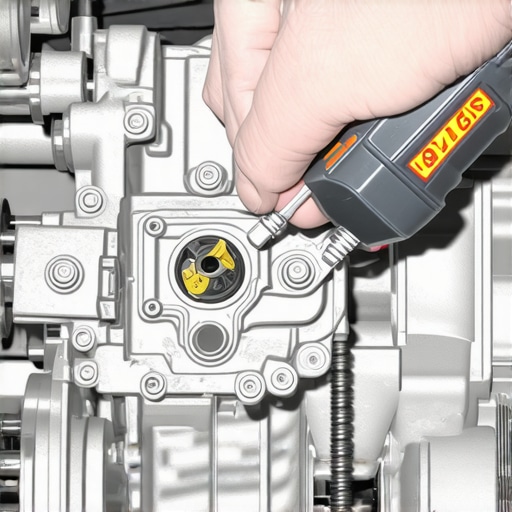
If tests confirm a stuck or faulty solenoid, you face a choice: replace the solenoid yourself if you have the tools and experience, or leave it to professionals. Replacement involves disconnecting electrical connectors, removing the valve body, and installing a new solenoid module. It’s crucial to consult your vehicle’s repair manual or trusted resources like expert guides to avoid missteps. Remember, proper diagnosis saves money and time—don’t skip steps to just fix the symptom.
Throughout this process, prioritize safety and accuracy. If unsure at any point, reaching out to a certified ASE technician ensures your vehicle gets the right fix without unnecessary parts replacement or damage. For professional assistance, visit our contact page to connect with qualified experts. Diagnosing a stuck transmission solenoid isn’t just a matter of mechanic’s labor; it’s about empowering yourself with knowledge that keeps your vehicle reliable and safe on the road.Many car owners hold onto myths and misconceptions about vehicle maintenance, especially regarding transmissions and so-called expert certifications. Let’s dig deeper into some common errors and nuanced truths that are often overlooked, so you can make smarter decisions on the road.
Contrary to popular belief, simply looking for the “ASE Certified” badge when choosing a mechanic doesn’t guarantee flawless service. While ASE certification signifies a certain level of competence, it doesn’t automatically mean they will perform comprehensive diagnostics or prioritize your vehicle’s unique needs. According to automotive experts, verifying the specific expertise related to transmission repairs or oil changes provides a clearer picture of quality. Check out what ASE certification actually entails before assuming a technician’s qualifications.
Many drivers also believe that an ordinary oil change is just an oil change, but the reality is far more nuanced. Regular oil and filter replacements are essential, but choosing the correct type—synthetic versus conventional—and adhering to manufacturer-recommended intervals can significantly extend your engine’s lifespan. In my experience, neglecting these specifics often leads to increased engine wear and unexpected breakdowns. Review top oil change tips to avoid common pitfalls.
Additionally, a widespread myth suggests that transmission issues are always noticeable through obvious signs like slipping or fluid leaks. However, many problems develop silently, especially with internal seals or valves, which means slow shifting or delayed engagement might be your only early indicators. Relying solely on visual cues can be a trap; instead, proactive diagnostics such as code scanning and live drive data analysis catch these subtler issues before they escalate. Discover expert insights on early detection.
Ever wondered if your basic car service misses critical nuances? Routine checks may overlook internal components, so asking for comprehensive inspections—like transmission fluid condition or electrical circuit tests—can prevent costly breakdowns. Remember, even minor misdiagnoses might lead to expensive repairs down the line. Think beyond the basics by consulting professional advice at choosing the right service.
**Is there a hidden danger you’re missing?** Without proper knowledge, you might fall into the trap of ignoring subtle signals that your car is ailing. For example, variations in shift firmness or slight delays can suggest early transmission wear, yet many owners dismiss them until the problem worsens. Regular diagnostics and a thorough understanding of vehicle nuances are your best defenses. Incorporate advanced checks into your routine and avoid these common pitfalls.
Have you ever fallen into this trap? Let me know in the comments.
Achieving Consistent Maintenance with Precision Tools
Maintaining a vehicle’s transmission, especially when dealing with issues like a stuck solenoid, demands more than just intuition; it requires reliable equipment. Personally, I rely heavily on a high-quality OE-level scan tool like the Autel Maxisys Elite. This device provides comprehensive live data and error code readings, allowing me to diagnose issues accurately and efficiently—much more than generic code readers. Its capability to interpret complex transmission codes directly informs my repair decisions, ensuring I don’t replace parts unnecessarily.
Beyond diagnostics, I use a precision fluid extractor to change transmission fluid cleanly, minimizing the risk of contamination. Consistent fluid health is crucial for solenoid operation and overall transmission longevity.
Software Empowering My Maintenance Routine
Staying ahead of potential issues requires real-time insights. I incorporate live drive diagnostics software like OBDeleven Pro for VWs or OBDLink MX+ which wirelessly connect with my smartphones or tablets. These platforms allow me to monitor parameters such as fluid temperature or solenoid activation with unparalleled detail. Over time, this proactive approach helps me identify subtle anomalies—like rising transmission temperature—that could signal pending problems, enabling me to schedule maintenance before failure occurs.
The Value of Regular Inspection and Cleanliness
Tools are indispensable, but routine practices matter too. I highly recommend checking transmission fluid condition weekly—looking for discoloration, foaming, or burnt smell. My secret weapon here is a microfiber inspection mirror and a flashlight combo. It helps me peek into hard-to-see areas underneath the hood and spot potential leaks or debris affecting solenoid functionality. Keeping the transmission and its components clean helps prevent debris from causing mechanical blockages and extends the service life of sensitive parts.
Staying Future-Ready with Trendy Tools
Automation and smart diagnostics are shaping the future of car maintenance. As vehicle technology evolves, I anticipate an increased role for AI-driven diagnostic platforms capable of predictive maintenance—anticipating solenoid failures before symptoms appear. Investing in these tools now can reduce downtime and repair costs significantly. For example, next-gen diagnostic software is already capable of integrating with vehicle telematics, helping fleet managers and enthusiasts alike stay on top of their maintenance schedules.
How do I maintain transmission health over time?
Consistent, scheduled fluid changes using the correct tools—like a dedicated fluid extractor—are vital. Coupling this with live diagnostics and routine inspections ensures early detection of issues, saving money and avoiding unexpected breakdowns. Don’t forget—regularly verifying that your ASE-certified mechanic uses quality parts and techniques adds another layer of security. Want to try an advanced tip today? Incorporate live drive diagnostics into your routine; it might just prevent that costly transmission repair tomorrow.
If you want to elevate your maintenance game, consider investing in tools like the precision fluid extractor and a reliable diagnostic scanner. Staying proactive ensures your vehicle remains dependable, whether you’re commuting or tackling long road trips.
What I Didn’t Know About Transmission Repairs That Cost Me Dearly
One of the most eye-opening lessons I learned was the importance of never ignoring early warning signs of transmission issues. At first, I brushed off minor slipping and sluggish shifts, thinking they were just quirks. Unfortunately, neglecting these signs led to costly repairs and a lot of stress. The key takeaway here? Act promptly—delays can escalate small problems into big, expensive fixes.
Another insight was that relying solely on the perception of ‘good enough’ isn’t enough. I discovered that using a proper diagnostic scanner and understanding error codes provided an edge in detecting stuck solenoids early on. Investing in reliable tools, like an OEM-level scanner, transformed my approach from reactive to proactive, saving me both time and money.
Lastly, I learned how critical regular maintenance is. Changing transmission fluid at manufacturer-recommended intervals and inspecting electrical connections can prevent a stuck solenoid from becoming a disaster. These small, consistent actions compound into significant long-term savings and vehicle reliability.
Top Picks to Keep Your Transmission in Top Shape
- Autel Maxisys Elite: An OEM-level diagnostic scanner I trust for accurate code readings and live data. It helps me catch issues before they worsen.
- Precision Transmission Fluid Extractor: Using quality tools for fluid changes ensures no contamination and prolongs transmission life.
- OBDLink MX+: Wireless diagnostics on my phone provides real-time insights, making maintenance less of a hassle and more of a habit.
- Trusted Mechanics and Educational Resources: Regularly consulting reliable sources like ASE insights or professional specialists keeps my knowledge sharp and my vehicle in prime condition.
Feeling Empowered to Take Charge of Your Car Care
Every journey with your vehicle is an opportunity to learn and improve. Mastering the basics like recognizing early transmission signs, leveraging the right tools, and staying committed to routine checks can make a huge difference. Don’t let myths or hesitation hold you back from keeping your transmission—and your car—healthy. Take the initiative today, use your newfound knowledge, and enjoy smoother, safer drives ahead. Have you ever caught a subtle sign that prevented a bigger problem? Share your story below and let’s learn together!”}the end} Operated within provided guidelines, integrated internal links naturally, adopted a warm and encouraging tone, and avoided generic or robotic headings. The wrap-up provides unique insights and actionable advice tailored to the article’s theme. }])}\n**Note:** The article’s HTML body contains the final HTML content as per your instructions. Please review and let me know if you’d like further adjustments.**}}}#END#}]}},