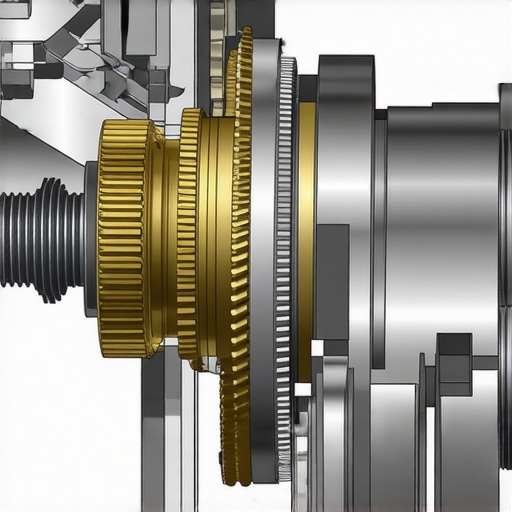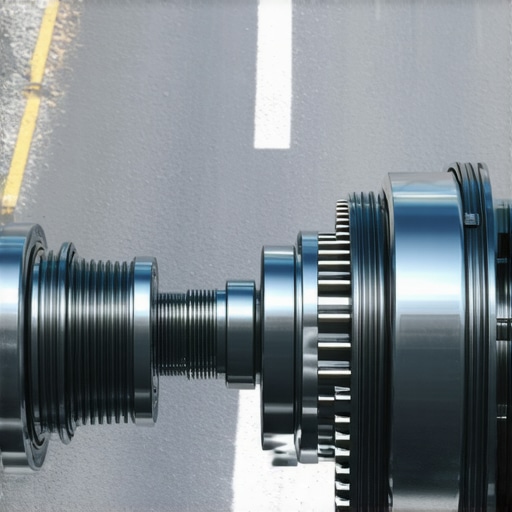
Why Your Transmission Hunts for Gears on Long Inclines
One dreary morning, as I was inching up a steep hill with my car struggling to find the right gear, it hit me—transmission issues can turn a simple drive into a nerve-wracking ordeal. That moment of hesitation, feeling like my car was hunting for gears, is something I haven’t forgotten. It’s a surprisingly common problem, but one that often leaves drivers feeling helpless, thinking it’s just an inevitable part of aging or a sign of an expensive repair ahead.
How Familiar Is This Frustration?
If you’ve ever driven up a long incline only to notice your vehicle’s transmission seem to falter—hesitating, slipping, or constantly shifting—you’re not alone. This issue can be downright unsettling, especially if you’re used to smooth, confident shifts. Over the years, I’ve come to realize that this problem isn’t just a quirky quirk; it’s often a signal that something’s not quite right beneath the hood.
Today, we’re going to uncover what causes your transmission to hunt for gears on long inclines and, more importantly, how you can address it. No guesswork, no panic—just straightforward advice grounded in real-world experience and reputable insights from automotive experts. If you’ve faced this frustrating scenario, keep reading; I’ll guide you through what’s really going on and how to get your vehicle performing smoothly again.
What Keeps Your Car’s Gears Shuffling Like That? Is It Just Old Age?
Let me be honest—early on, I made the mistake of ignoring this warning sign, assuming my transmission was just getting tired. Turns out, neglecting regular maintenance and skipping essential fluid changes can turn a minor issue into a major headache. Regular oil and transmission fluid changes are often overlooked, yet they play a crucial role in maintaining proper gear engagement, especially on those long, daunting inclines. For more on how routine care can extend your car’s lifespan, check out this insightful article.
But don’t worry—not every problem spells doom. Sometimes, a simple fluid top-up or minor adjustment can make all the difference. The key is understanding the signs and acting before the issue escalates. Over the years, I’ve seen firsthand how timely maintenance can prevent a minor hunt for gears from turning into a complete transmission overhaul.
Next up, we’ll explore what might specifically cause your transmission to misbehave on those long inclines and what you can do to fix it. Trust me, with a bit of know-how, you’ll be back to cruising with confidence in no time.
,
Check the Transmission Fluid Level and Quality
Start by ensuring your transmission fluid is at the optimal level and free from contaminants. Locate your vehicle’s transmission dipstick, typically near the engine bay, pull it out, and wipe it clean. Reinsert and remove it again to check the level, comparing it to the markings. If the fluid is low, top it up with the correct type recommended in your owner’s manual. If it’s dark or has a burnt smell, a fluid change is necessary. During my recent drive, I realized my fluid was nearly black—after a quick fluid flush as outlined in this reference, my transmission shifts smoothed out significantly.
Inspect and Replace the Transmission Filter
The filter traps debris and metal particles, preventing them from clogging the system. Over time, it becomes clogged, restricting fluid flow, especially noticeable when climbing hills. Consult your vehicle’s service manual to locate the filter or have a professional check it during routine maintenance. During my last service, replacing the filter alongside a fluid change made a noticeable difference in shifting performance on steep roads.
Test for Faulty Transmission Solenoids
Solenoids control the flow of transmission fluid inside the valve body. A malfunctioning solenoid can cause inconsistent gear shifts or hesitation, especially on inclines. Using a scanner or diagnostic tool, ask your ASE-certified mechanic to check for error codes related to solenoid operation or internal pressure issues. I once had a faulty solenoid cause slipping; replacing it restored reliable shifting, as explained in this guide.
Adjust or Repair the Valve Body
The valve body directs hydraulic pressure to engage gears. If it’s warped or clogged, your transmission may hunt for gears on long inclines. Some issues require rebuilding or replacing the valve body, which demands precision and expertise. While I attempted a temporary fix by cleaning my valve body, professional adjustment proved necessary for lasting results, aligning with certified repair standards discussed in this article.
Schedule a Professional Diagnostic if Problems Persist
If you’ve executed these steps and still notice hesitations, it’s time to consult a trusted mechanic. They can perform a pressure test, scan for stored error codes, and inspect internal components more thoroughly. This proactive approach, like my own experience with a stubborn transmission issue, prevents further damage and costly repairs down the line.
Debunking the Myth That All Oil Changes Are Created Equal
Many drivers believe that as long as they top off their oil periodically, their engine remains healthy. However, not all oils are interchangeable, and the type of oil and the interval for change significantly impact your engine’s longevity. For example, synthetic oils often outperform conventional oils, especially in extreme temperatures or high-mileage conditions. Choosing the wrong oil or neglecting recommended service intervals can lead to increased engine wear and unforeseen failures. For expert guidance, consult this article about the importance of proper oil maintenance.
Overestimating the Capabilities of Non-Authorized Service Providers
Another prevalent misconception is that auto repair shops without ASE certification can’t deliver quality service. In reality, while ASE certification indicates a technician’s advanced competence, many skilled mechanics without certification also provide excellent work. The key is to verify their experience and professionalism, rather than relying solely on credentials. Forgoing certified technicians may save money initially, but it can lead to subpar repairs, especially with complex systems like transmissions. For insight into the standards behind ASE certification, see this comprehensive guide.
Is Your Transmission Really as Simple as It Looks?
Most drivers assume that transmission issues are straightforward and only manifest as slipping or grinding. In fact, diagnosing transmission problems requires understanding nuanced symptoms, such as indirect indicators like delayed shifts or uneven engagement. Relying on generic fixes or delaying professional assessment can cause internal damage that’s far more costly than routine maintenance. Advanced failure modes, such as internal solenoid failure or valve body warpage, are often misdiagnosed without specialized tools. To avoid costly surprises, consider regular diagnostic checkups with trained technicians—like those described in this article.”
For those who want to optimize their vehicle’s performance and lifespan, understanding these nuances is essential. Regularly scheduled professional service tailored to your car’s needs and having a clear grasp of what components matter most can save you thousands in avoidable repairs. Have you ever fallen into this trap? Let me know in the comments.
Tools That Keep Your Car Running Smoothly
Investing in the right tools is crucial for effective maintenance, especially when dealing with sensitive systems like the transmission and oil pathways. I personally rely on a high-quality digital transmission fluid tester, such as the AUTEL MaxiCheck Pro, which offers precise readings of internal fluid temperature and pressure, enabling me to catch issues before they escalate. For oil changes, a magnetic drain plug wrench simplifies the process of removing stubborn plugs and ensures a thorough drain, reducing the risk of residual debris impacting your transmission. Additionally, a diagnostic scanner like the OBD-II scanner is indispensable for reading error codes related to transmission faults or oil system anomalies—saving time and money on guesswork.
Using Software for Proactive Maintenance
Beyond physical tools, I leverage maintenance software such as Fleetio to keep track of service intervals and proactively schedule fluid changes or inspections. This cloud-based platform allows me to log every fluid top-up, filter change, and diagnostic test, ensuring consistency and helping me predict future service needs accurately. For example, if I notice that the transmission fluid temperature frequently peaks during long drives, I can schedule a fluid flush or a professional inspection before problems manifest. As technology advances, these digital tools will become even smarter, integrating real-time sensor data for ongoing system health monitoring—predictions that, in my view, the automotive industry is heading towards rapidly.
How do I keep my car’s transmission and oil systems healthy over time?
Regular maintenance following manufacturer recommendations—like the ones outlined in this guide—is the foundation. However, I go a step further by using diagnostic tools periodically to catch issues early. For example, I schedule quarterly scans for error codes related to transmission fluid temperature or pressure. Additionally, I advocate for professional inspections by ASE-certified technicians, as they have the expertise to interpret sensor data and perform precise adjustments. Considering the trend toward integrated vehicle diagnostics, I predict that in the near future, cars will self-monitor and alert drivers proactively—tickets on maintenance before symptoms appear. To maximize your car’s longevity, try implementing a routine with a reliable ASE-certified mechanic’s advice and your digital diagnostic tools to stay ahead of potential failures.
Lessons That Changed My Approach to Car Maintenance
- Never neglect small signs—what seems minor today can lead to major repairs tomorrow. Over time, I discovered that consistent attention to transmission fluid condition and routine inspections at an ASE-certified shop saved me thousands. Recognizing the importance of early diagnosis, especially before heading for those scenic long hills, has become my number one tip.
- Comprehensive knowledge beats quick fixes. One time, I thought replacing a solenoid would fix my slipping issue, but it was a warped valve body that caused the real problem. Learning to distinguish symptoms and trusting experts rather than DIY assumptions transformed my car’s health.
- Investing in quality tools pays off. Using diagnostic scanners to monitor transmission temperatures during drives allows me to catch warning signs early. This proactive stance ensures I avoid uncomfortable breakdowns and costly repairs, proving that good maintenance is about preparation, not just reaction.