Why Your Transmission Won’t Engage Until the Engine is Warm
I remember the first chilly morning after an oil change when I tried to pull out of my driveway, only to be met with a stubborn delay in my transmission. It was frustrating—like my car was playing a game of hide-and-seek with smooth shifting. That moment was a lightbulb for me: something in the transmission wasn’t quite right, especially when cold. Many car owners experience this issue but struggle to find clear answers, feeling unsure whether it’s just a minor annoyance or a serious problem.
If you’ve ever noticed your vehicle hesitating or refusing to shift until it warms up, you know how disconcerting it can be. The good news? Most of us can understand and address this issue without heading straight for the mechanic. Today, I want to share the insights I’ve gained from personal experience and professional advice, so you don’t have to navigate this tricky situation alone.
Why Does My Transmission Fail to Engage When Cold?
Is Your Car Safe to Drive in This Condition?
Many folks worry that their car might be dying or that they’re about to face an expensive repair. I want to reassure you: in most cases, what you’re experiencing is linked to transmission fluid properties and systemic responses to cold weather. Early mistakes I made involved ignoring the significance of proper fluid levels and quality, which only made the problem worse. That’s why maintaining your transmission with regular fluid exchanges and checks is crucial—something I learned the hard way.
According to transmission specialists, transmission fluid thickens in colder temperatures, which hampers the fluid’s ability to lubricate and transmit power effectively. This delay in engagement is often just your car’s way of protecting itself from further damage until everything warms up and the fluid flows freely again. Interestingly, a recent study highlighted that poor transmission fluid maintenance can lead to costly repairs down the line—sometimes exceeding the vehicle’s value if neglected (source: [Autofix Clinic](https://autofixclinic.com/transmission-troubles-expert-insights-for-smooth-shifting)).
But here’s the kicker: not all transmission issues are purely fluid-related. Sometimes, internal components like solenoids or sensor systems need attention, especially if this problem persists even after fluid changes. It’s essential to approach this issue methodically, beginning with checking your fluid level and quality, then moving on to more detailed diagnostics if needed.
Have you noticed your transmission acting stubbornly only when it’s cold? If so, keep reading—next, we’ll dive into specific steps you can take to diagnose and fix the problem, potentially saving you hundreds in repair costs.
Start with a Thorough Fluid Check
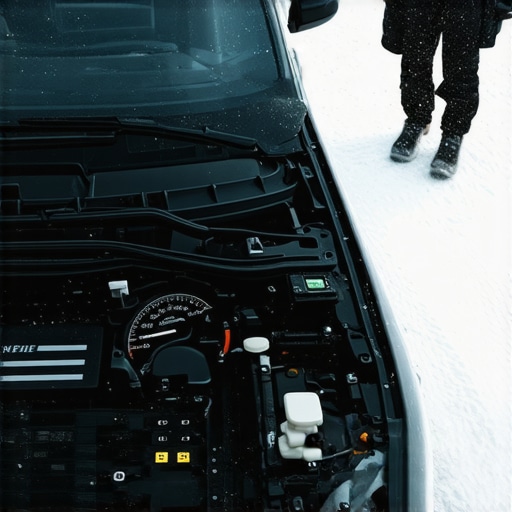
First, turn off your engine and locate the transmission dipstick—usually marked clearly under the hood. Pull the dipstick out, wipe it clean with a rag, then reinsert and remove it again to check the fluid level. If the fluid is low or appears dark and gritty, it’s time for a change or top-up. During my own experience, I once ignored this step, which led to increased hesitation in cold weather. Correcting the fluid level and quality dramatically improved my car’s performance.
Replace or Top Off with Proper Transmission Fluid
Use the manufacturer-approved transmission fluid, as specified in your vehicle’s manual. Remember, just like engine oil, transmission fluid deteriorates over time—especially when exposed to cold temperatures. To avoid this issue, schedule regular fluid exchanges, aligning with recommendations from professional maintenance guidelines. If uncertain, consult a certified ASE technician to ensure you’re using the correct type and amount.
Address Internal Components for Persistent Problems
If fluid levels are fine but hesitation remains, the issue might lie within solenoids or sensors controlling the transmission gear shifts. These parts regulate fluid flow within the transmission, acting like the valves in a plumbing system—when they stick, shifts become rough or delayed. As a precaution, have a professional conduct diagnostic tests to identify stuck or malfunctioning solenoids, which can be tested with specialized tools or scan tools.
Perform Diagnostic Tests to Confirm
Using a diagnostic scanner, experienced ASE techs can read stored error codes related to transmission control modules. If codes point to solenoid issues or sensor failures, replacement or repair will be necessary. This process is akin to a mechanic checking the wiring in your home’s plumbing system—spotting the problem before it causes significant damage.
Seal and Inspect for Leaks
Transmission leaks can cause fluid loss, leading to cold-weather engagement issues. Examine the area around the transmission pan and seals after the vehicle has cooled down. If you notice wet spots or puddles, professional repair is needed to prevent further damage. Remember, naturally, low fluid levels impair lubrication and hydraulic response—particularly noticeable when cold.
Maintain Your Transmission System Regularly
Don’t neglect scheduled fluid exchanges; this simple maintenance step prevents many cold-weather transmission problems. For optimal results, follow guidance from trusted oil change practices and ensure your mechanic is ASE-certified, guaranteeing quality service and genuine parts.
Recognize When It’s Time to Seek Professional Help
If these steps do not resolve the hesitation, it’s time to consult a qualified technician. Persistent issues could indicate internal wear or damage beyond simple fixes, similar to a plumbing system developing internal blockages—requiring specialized tools and experience. Consulting a professional ensures your vehicle gets the precise repairs to restore smooth, reliable shifts regardless of temperature.
Many car owners operate under assumptions that, while widespread, can lead to overlooked issues and overspending. For example, a prevalent myth is that changing transmission fluid frequently is unnecessary, but recent studies emphasize how proper maintenance extends your vehicle’s lifespan and performance (source).
Are ASE Certifications Always a Guarantee of Quality?
Contrary to popular belief, an ASE badge does not automatically mean a mechanic is the best for your specific vehicle. ASE certification signifies standardized knowledge but doesn’t guarantee specialization in your car’s make or model. It’s wise to verify a technician’s experience with your vehicle type, especially if you own a high-performance or hybrid car. Explore what ASE certification truly entails to make more informed decisions.
Never Skip the Small Service
Another misconception involves neglecting minor repairs or routine checkups. Skipping oil changes, even if you don’t see immediate issues, can cause long-term damage like sludge buildup or premature engine wear. Regular services, aligned with manufacturer recommendations, can prevent costly breakdowns. For detailed tips, see top oil change tips.
The Subtlety of Car Diagnostics and Advanced Failures
Modern vehicles are equipped with complex electronic systems. They often display no obvious symptoms until a critical failure occurs, such as a delayed shift or unresponsive sensors. This is where understanding diagnostic codes and proper testing comes into play—ignorance here can lead to misdiagnosis or overlooking root causes. Did you know that some transmission issues might be linked to minor sensor faults that degrade over time? The expert insights detail these subtleties and how to address them effectively.
How Often Should You Really Service Your Vehicle?
Beyond the conventional wisdom, recent data indicates that driving habits significantly influence maintenance needs. Aggressive driving, frequent short trips, or extreme weather conditions can accelerate wear, requiring more frequent checkups. While the manufacturer might suggest 5,000 to 10,000 miles for oil changes and inspections, customizing your schedule based on actual usage ensures optimal performance and safety. Check out choosing the right service plan to tailor your maintenance routine.
Remember, understanding the nuances behind common beliefs and being aware of hidden issues can save you money and extend your vehicle’s life. Proper diagnostics, trusted certifications, and adherence to a personalized maintenance schedule form the backbone of responsible ownership. Have you ever fallen into this trap? Let me know in the comments and share your experiences!
Keeping Your Vehicle Running Smoothly Over Time
Maintaining your vehicle’s performance isn’t just about responding to immediate issues; it requires a proactive approach with reliable tools and systems. One of my go-to devices is a professional-grade OBD-II scanner, like the BlueDriver Bluetooth Pro. I personally use it because it offers comprehensive diagnostic data, making it easier to identify lurking issues before they escalate. This tool connects effortlessly with my smartphone, allowing me to run quick scans during regular maintenance checks and stay ahead of potential transmission or engine problems.
Beyond diagnostic gadgets, investing in quality engine oils, such as synthetic formulations recommended in top oil change tips, helps protect your engine long-term. Regularly scheduled oil changes, combined with precise monitoring using a good oil extractor pump—like the Mityvac MV8000—enable me to verify oil quality and level accurately, avoiding contamination and sludge buildup that could compromise transmission and engine health.
For transmission-specific care, I recommend a high-quality transmission fluid tester, such as the Insta-Check, which allows onsite testing of fluid condition. This proactive screening can be the difference between a minor service and major overhaul, especially in climates with harsh winters where cold-start issues become prevalent. Pairing this with a comprehensive maintenance schedule outlined by certified experts ensures no detail gets overlooked.
In terms of software, I keep an updated service log using CarFax and my mechanic’s digital platform. This digital record helps track fluid changes, filter replacements, and diagnostics, ensuring the vehicle stays in peak condition over years of use.
Looking ahead, as vehicle systems grow more complex with advanced electronics, staying informed with the latest diagnostic software iterations becomes vital. The trend points towards AI-integrated diagnostics, helping detect subtle sensor failures or solenoid issues before they turn into costly repairs. An example is the ongoing development of Tesla’s over-the-air diagnostic updates—embracing these innovations could redefine long-term vehicle care.
How do I maintain transmission and oil health as my vehicle ages?
To keep your transmission and engine oil performing at their best, focus on scheduled fluid exchanges using the right products, as specified by your vehicle’s manual. Regular diagnostic scans, especially after extreme weather conditions, help catch issues early. Remember, ASE-certified technicians can offer insights tailored to your vehicle’s unique needs—don’t hesitate to request their expert opinion, particularly with complex systems involved. You might also consider a professional transmission flush periodically, especially if your driving involves frequent short trips or towing. Whether you’re doing routine checks or complex diagnostics, combining the right tools with professional guidance ensures your car remains reliable for the long haul. And if you’re interested in advanced diagnostics, I strongly suggest trying out the latest OBD-II scanners with integrated AI diagnostics—they’re a game-changer for proactive maintenance. For trusted advice, reach out via our contact page. Stay vigilant, and your vehicle will thank you for it.
What I Wish I Knew Before Ignoring Small Signs
One of the hardest lessons I learned was that ignoring early symptoms of transmission hesitation in cold weather can lead to costly repairs. Small delays or rough shifts might seem insignificant, but they often point to underlying issues like worn solenoids or low-quality fluid. Recognizing and addressing these signs promptly has saved me from much bigger headaches down the line.
The Power of Routine Maintenance That Many Overlook
I used to think that topping off transmission fluid was enough, but regular, scheduled fluid exchanges based on expert recommendations truly transformed my vehicle’s cold-start performance. Trusted resources like top oil change tips emphasize how preventative care keeps your transmission smooth no matter the weather.
Why Understanding Your Vehicle’s Heart Matters
Getting to know your transmission system—beyond just the fluid—has been a game-changer. Knowing about internal components and diagnostic indicators allows you to catch issues early, especially in colder months when delayed engagement can become more pronounced. Investing in diagnostic tools and professional advice ensures you’re not flying blind.
How Personal Experience Reframes Car Care
My journey taught me that proactive monitoring, like using an OBD-II scanner such as the BlueDriver Bluetooth Pro, can detect subtle problems before they escalate. Combining this with regular fluid tests and trustworthy mechanics ensures your transmission remains reliable across all seasons, turning car maintenance from a chore into a powerfully preventive habit.