Why Your Engine Vibrates When You Turn the Air Conditioning On
It was a scorching summer day, and I was cruising down the highway, enjoying the cool breeze from my AC—until I hit a bump and suddenly felt a violent shudder through the steering wheel. My heart sank. Turns out, that familiar vibration was a sign my engine was struggling to handle the added load when the AC compressor kicked in. I’ve been there, and I know how unsettling it can be. Today, I want to share my experience and help you understand why your engine might vibrate when you turn on the AC—and most importantly, how to solve it.
Is Your Car Shaking When the AC is On? Here’s Why It Happens
Many drivers notice their engine shuddering or vibrating every time they activate the air conditioning system. While it might seem like a minor nuisance, it can be a symptom of underlying issues that, if left unchecked, could lead to more serious problems. When you switch on the AC, the compressor engages, demanding extra power from your engine. If the engine isn’t running smoothly or is poorly maintained, this added stress can make vibrations more pronounced.
In my case, I initially thought it was just a quirky experience. However, after consulting a trusted mechanic, I learned that wobbly engine mounts, worn belts, or even a dirty throttle body could be culprits. These issues reduce your engine’s ability to absorb the extra load, causing vibrations that make your steering wheel or entire vehicle shake. The good news? Most of these problems are fixable, and catching them early can save you money and prevent breakdowns.
Understanding why this happens is half the battle. Regularly scheduled maintenance, like oil changes (check out [top oil change tips for safe driving in 2025](https://autofixclinic.com/top-oil-change-tips-for-safe-driving-in-2025)), ensures your engine runs smoothly and can handle the additional demands of accessories like the AC. Neglecting routine upkeep is a common mistake I made early on—so learn from my slip-up and stay proactive.
If you’ve been puzzled by this issue, keep reading. In the next sections, I’ll walk you through real-world diagnostic steps and simple fixes that will help you restore a smooth, vibration-free ride. Your engine doesn’t have to shudder every time you cool down—let’s get to the bottom of it together.
Check the Engine Mounts
Start by inspecting your engine mounts, which are like the shock absorbers for your engine. Worn or broken mounts can’t absorb the extra vibration when the AC compressor engages, leading to noticeable shaking. To evaluate their condition, open your hood and observe if the engine moves excessively during startup or acceleration. I once faced this issue; after replacing a cracked mount, the vibrations disappeared instantly, restoring smooth operation. Regularly inspecting these mounts, especially if your car is over five years old, prevents unexpected vibrations. If you’re unsure, a certified mechanic can perform a thorough check, and you can learn more about how ASE certification ensures quality service.
Assess the Belts and Pulleys
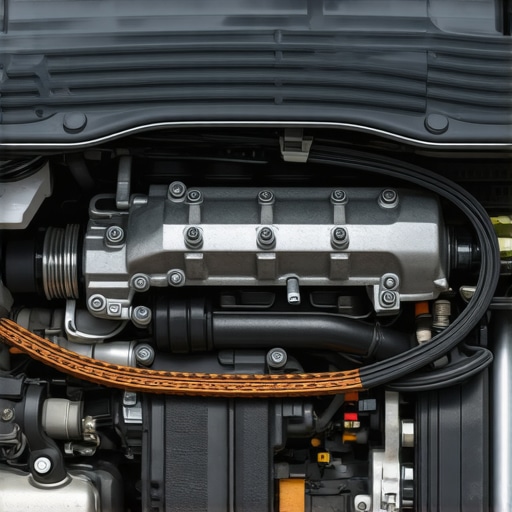
Worn or slipping belts can cause engine vibrations when the AC kicks in because they struggle to transfer power smoothly. Look for signs of fraying, cracks, or glazing on your serpentine belt. To inspect, turn off the engine, open the hood, and visually examine the belt’s surface and tension. If it appears shiny or cracked, it’s time for a replacement. A loose belt can slip when the compressor engages, creating vibrations similar to a worn-out guitar string. Replacing belts is straightforward and cost-effective; however, if you’re unfamiliar, consult a professional. Regular belt checks can be part of your scheduled car service routine, which also includes oil changes to keep the engine running smoothly.
Clean or Replace the Throttle Body
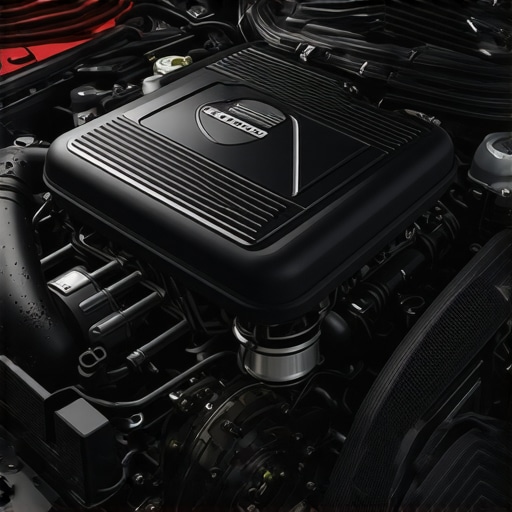
Blocked or dirty throttle bodies can cause engine misfires and vibrations under load, especially when the AC demands extra power. To clean it, locate the throttle body (usually connected to the air intake), and remove the air duct. Spray a specialized throttle cleaner onto the blades and inside the passages, then gently scrub with a cloth or soft brush. This process restores proper airflow, reducing engine stumble and vibration. I once cleared a grime build-up on my car’s throttle body and immediately noticed smoother idling. Regular cleaning prevents carbon build-up, maintaining optimal engine performance. For a comprehensive approach, consider consulting an ASE-certified technician, who can also check other engine components for signs of wear or damage.
Inspect the Voltage Regulator and Charging System
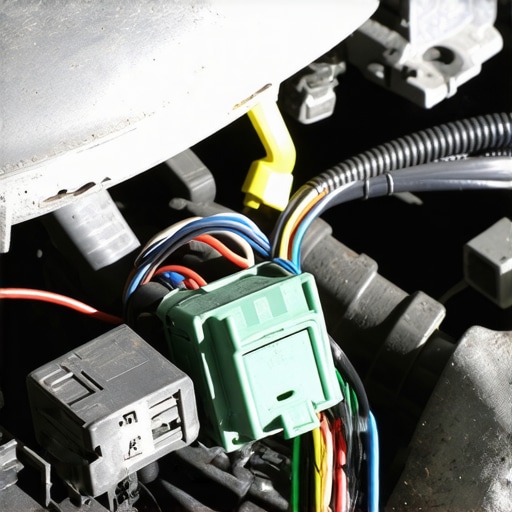
Electrical issues can cause inconsistent engine performance when the AC is on. Use a multimeter to check your battery’s voltage; a healthy system should produce around 13.8 to 14.4 volts with the engine running. If voltage fluctuates wildly or drops below that range, it indicates a problem with the alternator or voltage regulator. Such electrical instability can manifest as engine vibrations. To diagnose, start the engine and observe the voltage gauge or use a multimeter directly on your battery terminals. If you’re unfamiliar with electrical diagnostics, visiting a professional ensures accurate assessment. Maintaining a healthy charging system is vital; learn more about professional oil checks and electrical diagnostics to keep your vehicle in top shape.Many car owners believe that maintenance tasks like oil changes and transmission care are straightforward, but the reality is often more nuanced. A common misconception is that simply following the manufacturer’s interval guarantees everything is fine. In truth, the quality of service and understanding of underlying issues matter more than just timing. For example, relying solely on mileage markers without considering driving habits or engine conditions can lead to overlooked problems. Moreover, many assume that ASE certification instantly assures expert service; however, certification indicates a technician’s trained knowledge but doesn’t guarantee exceptional workmanship if the shop isn’t diligent. An often-ignored nuance is that regular oil changes involve more than just replacing the filter and oil—it’s about checking for contaminants, wear particles, and the engine’s overall health. Skipping deep inspections can leave hidden issues to develop unnoticed.
Are You Overlooking the True Condition of Your Transmission and Oil System?
Many drivers focus on the routine aspect of oil changes but forget that transmission health deserves comparable attention. Transmission issues like slipping or harsh shifts are often misunderstood as mere wear, but they can stem from small leaks or fluid contamination that degrade performance and damage components over time. Visiting a trusted car service shop with properly trained, ASE-certified technicians ensures that these subtleties are addressed. Remember, ASE certification reflects a technician’s proficiency, but ongoing maintenance and vigilant inspections define real vehicle longevity. A warning to watch out for: neglecting transmission fluid checks or delaying fluid exchanges can accelerate wear, leading to costly repairs. Studies show that timely fluid servicing can extend the lifespan of transmissions significantly.
Additionally, many car owners get complacent about oil quality, assuming once it’s changed, the engine is trouble-free. However, oil degradation, contamination, and sludge buildup can silently impair engine functioning even if the oil hasn’t yet hit the recommended change interval. Regularly reviewing the quality during oil service appointments and choosing the right oil type, as highlighted in top oil change tips for 2025, is vital for engine health.
Misunderstandings about these fundamental yet complex aspects can lead to unexpected failures. Deep knowledge of the nuances—like the importance of proper fluid levels, quality components, and certified expertise—makes all the difference. Don’t fall into traps of complacency, and always question whether your service provider truly understands the intricacies of your vehicle. Have you ever fallen into this trap? Let me know in the comments and share your experiences!
Keeping It Working: Tools and Techniques for Longevity
Maintaining your vehicle’s health over the years requires more than just routine oil changes; it demands the right tools and a systematic approach. One of my go-to items is a high-quality digital multimeter, such as the Fluke 115, which I’ve relied on for years to diagnose electrical issues efficiently and accurately. Using this device, I can quickly verify voltage levels coming from the alternator or check battery health without the need for a professional scan.
Another indispensable tool is a comprehensive OBD-II scanner, like the BlueDriver Pro. Beyond reading generic codes, this scanner provides specific live data streams—crucial for diagnosing intermittent problems that often trouble even seasoned technicians. I often use it during routine checks to ensure my vehicle’s sensors and modules operate within optimal ranges, reinforcing the importance of proactive diagnostics.
For mechanical maintenance, I recommend investing in a quality set of socket wrenches and a torque wrench. Precision is key when tightening critical components such as wheel lugs or transmission mounts. A calibrated torque wrench, like the Tekton 1/2 inch Drive, ensures you apply the correct forces, preventing damage from over-tightening or loosening due to under-tightening. Regularly verifying your tools’ calibration guarantees consistent, reliable results over years of use.
In the future, advanced diagnostic tools integrated with AI may revolutionize how we approach car maintenance, providing real-time alerts and predictive repairs before issues even become noticeable.
How do I maintain my vehicle’s electrical system over time?
Electrical components are often the unseen heroes of your vehicle. To ensure longevity, routinely inspect and clean the battery terminals with a wire brush and a mixture of baking soda and water, removing corrosion that can impede current flow. Additionally, using dielectric grease on connectors helps prevent moisture intrusion. Regular testing of battery voltage with your multimeter and keeping the charging system in check by verifying the alternator’s output using your scanner contribute significantly to reliable performance. Remember, adhering to a proactive maintenance routine, as recommended in top oil change tips for 2025, keeps all systems harmonious. Try scheduling quarterly electrical checks—this simple step can save you from unforeseen breakdowns and costly repairs, especially as your vehicle ages.Throughout my journey in vehicle maintenance, I’ve uncovered lessons that took me from confusion to confidence. One of the biggest realizations was how often we overlook the subtle signs our cars give us, especially regarding engine vibrations when the AC kicks in. I remember initially shrugging off these shaking moments, thinking they were just quirks—until a trusted mechanic explained how worn engine mounts or small electrical issues could silently degrade performance. That revelation changed my entire approach, reminding me that the real key is proactive care and understanding the nuanced language of your vehicle. Genuine insights come from experience, not just reading manuals, and I’ve learned that watching for small clues helps prevent bigger, costlier problems down the road.