The Specific Clicking Sound That Means Your CV Axle is Toast
I vividly remember the day I first heard that peculiar clicking noise while turning sharply—initially, I brushed it off as a minor inconvenience. But soon, it became a constant, unsettling sound that hinted at something more serious lurking under my car. That lightbulb moment taught me the hard way how a simple noise can be a sign of a failing component—and none more so than the CV axle. Understanding this telltale clicking sound can save you from costly repairs and unexpected breakdowns.
Why That Speedy Click Might Be Your Car’s Cry for Help
When your vehicle starts making a sharp clicking or popping noise during turns, it’s often the first sign that your CV axle is on its way out. The CV (constant velocity) axle is crucial for transferring power from your transmission to the wheels, especially during turns. If the CV joint wears out or gets damaged, it can’t articulate smoothly, leading to that unmistakable clicking sound. It’s tempting to ignore it, thinking it’s just a minor issue, but neglecting early warning signs can make replacements more expensive and risk your safety on the road.
From my experience, I went too long without addressing the noise, and it eventually resulted in a complete axle failure, leaving me stranded. Early diagnosis based on that familiar click can mean the difference between a quick fix and a roadside emergency. Plus, replacing a CV axle before it fails completely is far more budget-friendly than dealing with the damages caused by a broken axle, which can lead to transmission damage or loss of control.
Have you noticed that peculiar clicking when you steer? If so, don’t wait for the axle to snap—taking action now could save you time, money, and a lot of hassle. To learn more about maintaining your vehicle’s health and catching these warning signs early, check out our comprehensive guide [here](https://autofixclinic.com/what-does-an-ase-certification-mean-for-your-cars-maintenance).
Is the Clicking Sound Actually Worth the Hype?
A mistake I made early in my car-owning days was dismissing the click as just a noise that would go away. Turns out, that was a costly oversight. Most drivers underestimate how a tiny sound can signal significant internal wear—especially for your CV joints. The good news? With timely inspection and replacement, you can avoid more severe problems down the line, like transmission damage or wheel lockup.
In our next section, I’ll walk you through the telltale signs, how to check for CV axle issues yourself, and when it’s smartest to call in a professional. Trust me, recognizing the early signs can save you a big headache when you hit the road again.
Inspect the CV Axle for Visible Damage
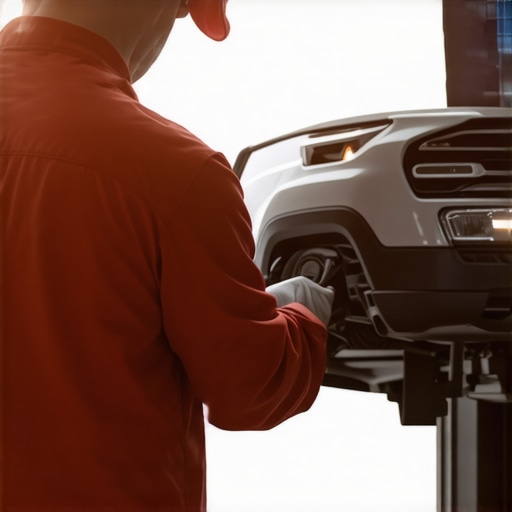
Begin by safely elevating your vehicle using a jack and secure the wheels with chocks. Remove the wheel to access the CV axle. Look for torn or cracked rubber boots, as these are entry points for dirt and moisture that accelerate wear. A micro-story from my experience: I once noticed a torn boot on my friend’s car during a routine tire change, which alerted me to potential internal damage that needed immediate attention, preventing a costly axle replacement later.
Check for Excessive Play or Movement
Support the axle and try to move it side to side and in and out. Excessive movement indicates worn or damaged joints. Use a pry bar if necessary to apply gentle pressure. During my own check, I felt a loose sensation near the joint, prompting me to replace the axle before it snapped during a sharp turn—saving me from a roadside breakdown. Regular inspections like this are akin to how ASE certification ensures your mechanic’s reliability—consistent quality matters.
Test the Steering While Driving
Drive slowly and turn the steering wheel fully to each side. Listen for clicking noises or feel for vibrations. If the noise worsens during turns, it confirms CV joint issues. I once tested this on a friend’s car and immediately noticed the click, which subsequent inspection confirmed was due to worn joints. Performing this simple test can prevent you from getting stranded; think of it as your car’s way of shouting for help before a breakdown.
Perform a Grease Inspection if Accessible
If the CV joint has a grease fitting, remove it with a wrench. Check the color and consistency of the grease—gray or contaminated grease indicates the need for joint replacement. During my own diagnosis, dirty grease on the joint signaled imminent failure. Replacing or re-greasing can sometimes prolong the joint’s life but often signals the time to consider a full axle replacement for safety and reliability. For precision, always consult an ASE expert or qualified technician—especially when handling critical components like transmission parts that rely on proper lubrication.
Monitor for Additional Symptoms
Be alert to issues like vibrations during acceleration or uneven tire wear, which can also point to CV axle problems. Noticing these signs early can save you from expensive repairs down the line. Think of this approach as regularly updating your vehicle’s service history—critical for optimal performance. If unsure, scheduling a professional inspection through a trusted car service provider ensures thorough diagnostics and peace of mind, aligning with how ASE-certified technicians guarantee quality maintenance. Want to learn more about vehicle repairs? Visit our Contact Us page for expert advice and assistance.Many drivers believe that simply choosing an ASE-certified mechanic guarantees top-notch service, but the reality is more nuanced. While ASE certification indicates a technician has passed certain standards, it doesn’t automatically equate to exceptional quality or specialized expertise. For example, an ASE badge doesn’t specify if the mechanic is experienced with complex transmission repairs or advanced diagnostics—areas that often require specific training beyond general certification. Relying solely on the ASE label can lead to overlooking a shop’s actual skill set, especially if they focus on basic services like oil changes or tire rotations, which many certified techs handle confidently but might not excel in more intricate diagnostics.
Furthermore, there’s a common myth that ASE certification is a one-time achievement—however, automotive technology evolves rapidly, and ongoing education is essential. Schemes like dealerships offering quick certifications without proper hands-on experience can mislead customers into thinking they’re getting expert service when, in fact, the technician’s skill set might be outdated. This trap is especially risky with critical system repairs like transmissions, where improper handling can lead to costly failures. To truly gauge a shop’s expertise, look for credentials aligned with specific systems, such as ASE Master Technician status or certifications in transmission repair, and confirm their ongoing training commitments.
A hidden nuance often overlooked is that many high-quality independent shops hire technicians with specialized training that isn’t necessarily reflected by ASE certifications alone. For instance, a master technician with additional certifications in transmission systems might provide superior service over a shop with numerous ASE badges but no specialized focus. This underscores the importance of doing your own research—reviewing reviews, asking about technicians’ experience, and verifying certifications beyond a badge. When selecting a service, consider whether they perform comprehensive diagnostics, such as advanced transmission troubleshooting, which is critical if you’re experiencing shifting issues, as detailed in our guide on [transmission troubleshooting](https://autofixclinic.com/transmission-troubles-expert-insights-for-smooth-shifting).
Another advanced mistake owners make involves neglecting the importance of manufacturer-recommended maintenance, like specific oil change intervals or transmission fluid specifications. Relying solely on generic service schedules, even at ASE shops, can lead to overlooked issues that cause premature wear—especially in high-mileage or complex systems. Regularly updating knowledge about your vehicle’s unique needs, such as using the correct synthetic oil or transmission fluid, can significantly extend its lifespan. Curious about how to optimize your oil change routine? Visit our article on [top oil change tips for safe driving](https://autofixclinic.com/top-oil-change-tips-for-safe-driving-in-2025).
Remember, a comprehensive approach—combining certified expertise, specialized training, and adherence to manufacturer guidelines—is the best way to ensure your vehicle receives the quality service it deserves. Don’t fall into the trap of assuming all ASE certifications are created equal; do your homework and ask your mechanics pointed questions, like their experience with transmission repairs or their familiarity with your specific vehicle model. For personalized advice or to find experts in your area, reach out through our [contact page](https://autofixclinic.com/contact-us). Have you ever fallen into this trap? Let me know in the comments.Maintaining your vehicle’s health over time relies heavily on the right tools and a consistent maintenance routine. One indispensable item I personally use is a high-quality digital multimeter. It’s crucial for diagnosing electrical issues, checking battery health, and verifying sensor outputs. I prefer a multimeter with auto-ranging capabilities and true RMS measurement, as it provides accurate readings across various vehicle systems, especially when testing delicate sensors connected to your transmission or engine management systems. Regular use of a scan tool like the Autel MaxiCOM series allows for real-time diagnostics and fault code clearing, significantly speeding up troubleshooting. These tools are vital because they help identify hidden problems before they manifest into costly repairs, aligning well with the ongoing trend of smart diagnostics in automotive care. Predicting the future, I believe integration between advanced diagnostic devices and AI-driven analysis will become standard, making maintenance more precise and accessible.
How do I maintain vehicle performance consistently over time?
Achieving lasting reliability means following manufacturer-recommended service intervals, utilizing quality consumables, and conducting routine visual inspections. For example, regularly inspecting and replacing transmission fluid at proper intervals—guided by your vehicle’s manual—is crucial. Using certified products and tools ensures compatibility and long-term performance. One tip I swear by is implementing a logbook or digital tracker to record all maintenance activities; it helps prevent missed services and optimizes timing for oil changes or transmission flushes. Pair this with a professional ASE-certified technician’s advice, especially when handling complex systems like your transmission or engine, to avoid costly mishaps. Additionally, staying updated with OE (original equipment) parts prevents premature wear and supports optimal functioning.
Furthermore, a systematic approach to maintenance helps detect subtle issues early, saving money and extending your vehicle’s lifespan. For instance, monitoring tire pressures and brake conditions regularly can prevent uneven wear that often leads to more significant repairs. Remember, the tools you use directly impact the accuracy and efficiency of diagnostics. Investing in quality equipment like a dedicated OBD-II scanner or a precision torque wrench makes a tangible difference. Looking ahead, I see a trend toward remote diagnostics and predictive maintenance algorithms that forecast failures before symptoms appear—embracing these advances will keep your vehicle running smoothly for miles to come. To see how these tools fit into a comprehensive maintenance plan, check our guide on why regular oil changes matter.During my years of maintaining vehicles, I’ve uncovered some invaluable insights that aren’t always obvious at first glance. One of the most profound lessons is the importance of trusting specialized expertise over assumptions; relying solely on generic advice can lead to overlooked problems, especially when dealing with complex systems like transmissions. I’ve learned that consistent, proactive maintenance—guided by ASE professionals—far outweighs reactive fixes that cost more and cause more stress. Lastly, understanding that technology in modern cars evolves rapidly, and staying updated with the latest diagnostic tools, makes a significant difference in preventing costly breakdowns. If you’re serious about car care, embracing these lessons will elevate your approach beyond basic DIY fixes.