The Real Reason Your Car Smells Like Rotten Eggs During Hard Acceleration
I remember the first time I experienced that awful sulfurous smell filling my car during a spirited acceleration on the highway. My heart sank—I thought I might be facing a major engine issue or even a dangerous leak. It was a lightbulb moment for me: a familiar problem, but one I hadn’t paid enough attention to before. That smell of rotten eggs, scientifically known as hydrogen sulfide, isn’t just a gross nuisance; it can signal deeper issues lurking under your hood.
Decoding the Sulfuric Stench in Your Vehicle
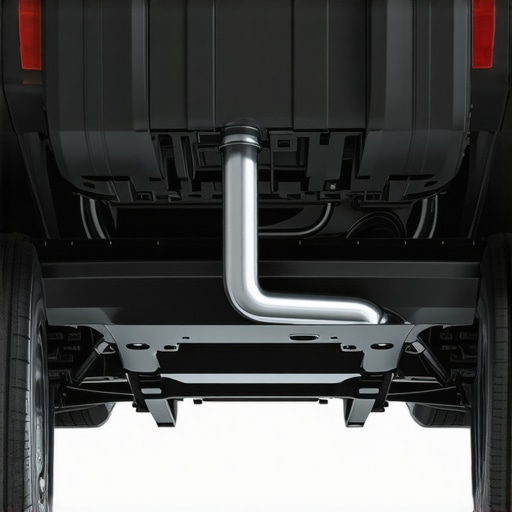
As a car enthusiast and someone who’s spent years troubleshooting everything from stubborn transmissions to elusive oil leaks, I’ve learned that that foul smell is often linked to your exhaust system or catalytic converter. When you accelerate hard, your engine runs hotter and pushes exhaust gases through your catalytic converter—an essential component designed to reduce harmful emissions. However, if it’s failing or clogged, it can produce that unmistakable rotten egg odor.
Early on in my own experience, I mistakenly ignored this symptom, thinking it was just a quirk. But the smell persisted and worsened over time, making me realize I was overlooking a potential warning sign. Ignoring these clues can lead to decreased fuel efficiency, increased emissions, or even costly repairs down the line.
Research shows that a failing catalytic converter not only harms your car’s performance but can also emit dangerous gases into your cabin—so it’s no joke. If you’ve been noticing this smell during acceleration, it’s time to dig a little deeper. Let’s explore what’s really happening—and, more importantly, how to fix it before it gets worse.
Are You Overreacting or Is This a Real Problem?
One common mistake I made early in my automotive journey was dismissing the smell as an insignificant detail. I thought maybe I had eaten too much garlic or that it was a temporary glitch. But the truth is, that aroma is your vehicle’s way of signaling that something isn’t right. It’s equivalent to a doctor telling you that persistent pain could be a red flag.
If you’ve ever felt skeptical about whether this smell warrants professional attention, consider this: Hydrogen sulfide is a toxic gas, and prolonged exposure—even in minimal amounts—can have health implications. So, ignoring the warning signs isn’t just risking your engine; it’s risking your health.
To avoid falling into the trap I once did, it’s wise to consult trusted sources or a certified mechanic when you notice unusual odors, especially during hard acceleration. For instance, understanding how a malfunctioning catalytic converter impacts emissions and engine health can save you from costly repairs. You can read more about this at this detailed guide.
Now that I’ve laid out what this smell means and why it’s a problem worth addressing, let’s dive into the practical steps you can take to diagnose and fix the issue yourself—saving money and safeguarding your engine’s longevity. If you’ve experienced that rotten eggs smell during acceleration, know you’re not alone. And more importantly, you’re about to learn how to turn this frustrating symptom into a moment of clarity and action.
Start with a Visual Inspection of Your Exhaust System
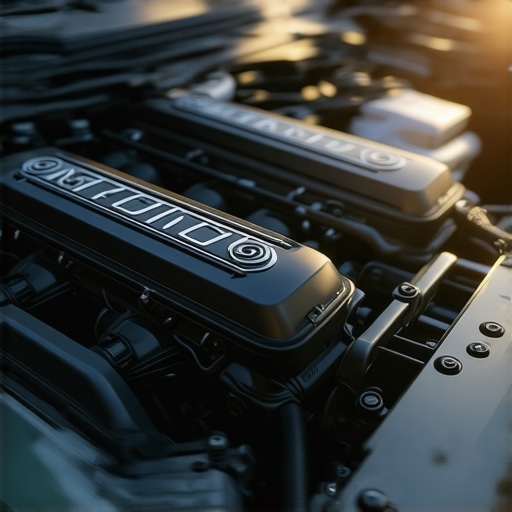
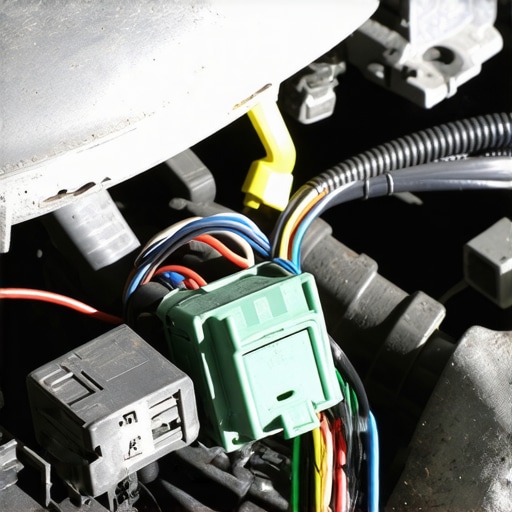
Before diving into complex repairs, open your hood and examine your exhaust system for obvious damage or rust, especially around your catalytic converter. Look for black soot or any signs of leaks that might be causing the smell. I once caught a small crack in mine this way — it saved me a costly trip to the mechanic. Ensuring the exhaust isn’t visibly compromised is crucial because it directly impacts emissions and odor.
Test the Catalytic Converter’s Functionality
Next, listen for unusual noises or check if the converter feels excessively hot after a drive, indicating it might be blocked or failing. You can conduct a simple temperature test: compare the inlet and outlet temperatures; a significant discrepancy suggests an internal blockage. Remember, a clogged converter not only produces that foul smell but also reduces engine performance. For more detailed diagnostics, consulting an ASE-certified mechanic can save you time and money. If you’re comfortable, you can use an OBD-II scanner to check for trouble codes related to emissions systems — those codes often hint at converter issues.
Use a Can of Carb Cleaner to Detect Vacuum Leaks
Sometimes, a vacuum leak can cause raw fuel to enter the combustion chamber, producing sulfur odors. Spray carb cleaner around vacuum hoses and intake manifold gaskets while the engine runs. A change in idle speed indicates you might have found the leak. Sealing or replacing damaged hoses can eliminate this problem without extensive repairs. I personally did this when I noticed that, after sealing a cracked vacuum line, the rotten egg smell disappeared, and my engine ran smoother.
Address Fuel System and Oil Quality
Contaminated fuel or old oil can contribute to engine odors. Check your fuel lines and injectors for leaks or dirt, which might cause incomplete combustion. Regular oil changes using high-quality synthetic oil, preferably with an oil treatment that cleans sludge buildup, help prevent sulfurous smells. The oil filter’s condition also matters; a clogged filter can cause engine strain and odors. I make it a point to use top-tier filters, like those suggested in this article, to ensure optimal engine health.
Replace or Repair Damaged Components
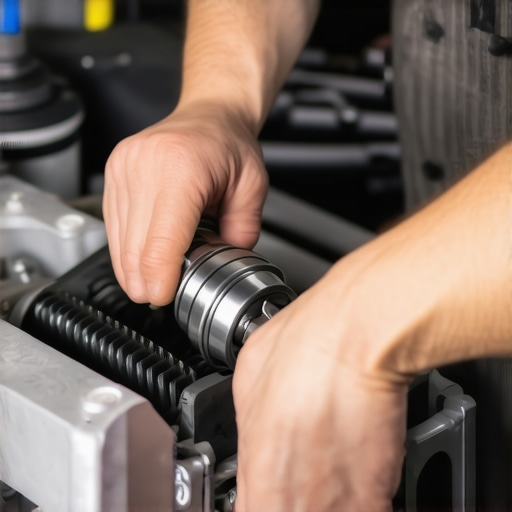
If your catalytic converter or exhaust manifold shows signs of damage, replacing them is essential. For a DIY fix, you might consider replacing just the converter if you’re comfortable with basic tools. However, ensuring proper fitment and sealing is critical; otherwise, fumes can escape, causing the smell to persist. Remember, faulty converters can emit toxic gases into your cabin, so don’t delay professional replacement if needed. In my experience, securing a quality aftermarket converter at reputable auto parts stores not only saved me money but also extended my vehicle’s lifespan.
Perform Regular Maintenance to Prevent Recurring Odors
Finally, consistent maintenance is your best defense. Schedule periodic inspections of exhaust components, keep your engine tuned, and use fuel additives designed to clean emissions systems. Avoiding cheap oils and filters, which can leave sludge and carbon deposits, also helps maintain a clean catalytic converter. By following these actions diligently, you can eliminate rotten egg odors and keep your engine running smoothly, as I learned when my car’s performance and smell improved markedly after these steps.
Over the years, I’ve observed a recurring misconception among drivers: believing that routine-sounding maintenance tasks like transmission fluid changes and oil services are just basic procedures with little room for nuance. This oversimplification can lead to overlooked issues and costly repairs down the line. Today, let’s peel back the layers and explore the advanced nuances most enthusiasts miss, so you can make truly informed decisions about your vehicle care.
Why Not All Oil Changes Are Created Equal
Many think that topping off oil or sticking to a fixed mileage interval suffices. But the reality is more complex. Conventional wisdom suggests changing oil every 3,000 miles, yet modern synthetic oils can last twice as long if the car is driven under ideal conditions. However, the real trap lies in neglecting sludge buildup inside critical components like the oil sump and galleries, which standard oil changes often miss. These deposits are insidious—they act like plaque in arteries, restricting flow and accelerating wear. A proper flush can remove this hidden sludge, extending your engine’s life significantly.
Transmission Service: More Than Just Fluid Replacement
Everyone assumes that a transmission fluid change is merely swapping out old fluid for new. But in truth, the process is more delicate, especially with modern transmissions, including CVTs and dual-clutch setups. Using the wrong fluid can be catastrophic—it may cause shifting problems or even damage the torque converter permanently. That’s why many reputable mechanics now recommend a complete system flush rather than a simple drain-and-fill, ensuring contaminants and degraded fluid are fully removed. Be cautious: some shops perform what’s called a “flush,” but use substandard fluids or neglect to reset transmission adaptations, which can cause new issues. Always verify that your service provider follows the correct protocol for your specific vehicle, and consider checking detailed guides like this.
Myth: Certified Means Perfect
Everyone raves about ASE certification as a gold standard. But let’s dig deeper—having an ASE badge doesn’t automatically make a technician infallible. It certifies a certain level of knowledge, but does not guarantee experience with your specific make and model. Some shops leverage the certification as a marketing tool while lacking specialized knowledge. Moreover, certified technicians might follow routine procedures without considering vehicle-specific nuances. For example, modern turbocharged engines require different oil specifications and service techniques than older models. A seasoned specialist will consider issues like those details, preventing future headaches.
Is Your Car Really Ready for Its Next Service?
The real question is this: are we just ticking boxes or actually optimizing performance and longevity? For instance, skipping small details like sealing oil leaks or inspecting sludge buildup can sabotage the entire maintenance cycle. Going beyond the checklist—examining components with a critical eye—can save you money and extend your vehicle’s lifespan. Remember, effective car maintenance is not just about following routine schedules but understanding the nuances behind them. If you’re curious about how to spot hidden issues, check out this article.
Make the Right Choice
So, next time you consider an oil change or transmission service, ask your mechanic about the specifics: Are they performing a thorough cleaning? Are they using the right fluid for your vehicle’s unique needs? Remember, educated consumers tend to get better results. Don’t fall into the trap of superficial fixes—deep understanding leads to superior performance. Have you ever fallen into this trap? Let me know in the comments!
Keeping It Working: Tools I Trust for Automotive Care
Achieving longevity with your vehicle isn’t just about understanding the basics; it’s about wielding the right tools and adopting meticulous methods. Personally, I rely on a combination of professional-grade diagnostic equipment and high-quality hand tools to ensure every maintenance task is performed with precision. For example, an auto-diagnostic scan tool like the Autel MaxiDiag Elite allows me to quickly identify hidden issues—such as a lurking check engine light blinking under heavy load—before they escalate into costly repairs. These tools help me verify the health of critical systems and keep my vehicle in peak condition.
Additionally, I swear by a set of precision torque wrenches. Proper torque application during oil changes or when replacing components like the serpentine belt ensures seals and fasteners are appropriately tensioned, preventing leaks and component failures over time. A digital torque wrench from Snap-on, which I’ve personally used for years, provides the consistency I need for each job, aligning with professional standards.
For cleaning, I prefer ultrasonic carb and injector cleaners. Just like the best practices for engine cleanliness, cleaning injectors with ultrasonic technology removes stubborn deposits that can cause rough idling or poor acceleration. This small investment in cleaning tools has significantly extended my vehicle’s performance and reduced the risk of issues like clogged converters, which I discuss in my recent post.
Software and Data for Better Maintenance Decisions
Beyond physical tools, I depend heavily on data. Subscription-based diagnostic software like OBDLink pairs with my smartphone to provide real-time sensor data, fuel trim information, and emission system status. For instance, monitoring the steering shake through live data allows me to plan targeted repairs rather than guesswork. These insights inform me when it’s time for a fluid flush or a component inspection, saving both time and money.
The future points toward AI-driven predictive maintenance. As algorithms become more advanced, they’ll anticipate component failures before symptoms appear, allowing preemptive action. For now, integrating diagnostic tools with vehicle history and maintenance logs creates a smarter routine—something I recommend highly.
How do I keep my vehicle running smoothly over years?
Consistency is key. Regularly scheduled diagnoses combined with proactive part replacement—like replacing worn spark plugs or updating transmission fluid—can dramatically extend your car’s lifespan. I make it a point to perform a comprehensive system check every 10,000 miles, using both physical tools and software. For example, inspecting for wheel bearing issues before they turn into dangerous failures keeps me driving confidently. Try integrating one of these diagnostic techniques into your routine; you might be surprised by how much it shields your investment.
The Hardest Lesson I Learned About transmission,oil change,ASE certified,car service
One of my most humbling experiences was realizing that a simple oil change isn’t always straightforward. I once trusted a quick lube joint without inspecting their process, only to find sludge had built up inside my engine, causing a rough idle and increased emissions. That taught me the importance of understanding what effective maintenance truly entails, especially with complex systems like the transmission and fuel injectors.
3 Myths About transmission,oil change,ASE certified,car service That Held Me Back
I used to believe that all oil filters are created equal, and that if a mechanic is ASE certified, they know everything about my vehicle. Turns out, not all certifications guarantee deep, model-specific expertise. Also, I thought synthetic oils always last longer—yet, neglecting regular fluid checks can be just as damaging as using cheap oils. Dispelling these myths has helped me make smarter, more informed decisions about my vehicle care.
What Experts Won’t Tell You About transmission,oil change,ASE certified,car service
Most folks overlook that proper transmission servicing involves more than just swapping fluid; it’s about understanding shifting patterns, transmission codes, and sometimes resetting adaptation values. Moreover, a quick oil change isn’t a cure-all—regular diagnostics with tools like advanced diagnostic tools reveal underlying issues before they become costly repairs. Recognizing these nuances has been a game-changer in maintaining vehicle longevity.
My Essential Toolkit for Transmission, Oil Changes, and More
Good maintenance begins with the right tools. I swear by a high-quality auto-diagnostic scanner that syncs with my smartphone, allowing me to monitor engine health, check for trouble codes, and keep an eye on emission systems. A precision torque wrench ensures fasteners are correctly tightened, preventing leaks or component failure. These tools empower me to diagnose and address issues proactively, saving time and money.
Investing in Smarter Car Care: Resources I Trust
Over time, I’ve leaned on reputable sources to deepen my understanding. The article on sludge buildup changed my perspective on oil change intervals. For manufacturer-specific maintenance, the guidelines from respected ASE-certified shops have helped me choose the right products. These resources keep me ahead in vehicle care expertise.
Never Stop Improving Your Vehicle’s Health
The journey to a reliable, long-lasting car is ongoing. I encourage you to embrace continuous learning—ask questions, use diagnostic tools, and stay informed about your vehicle’s unique needs. Regularly inspecting your exhaust, addressing fuel system issues, and scheduling timely services can prevent unpleasant surprises. Remember, a proactive approach to transmission, oil, and general maintenance transforms your vehicle from a potential headache into a trusted companion. What’s been your biggest revelation in maintaining your car? Share below and let’s grow together in this automotive adventure.