Why Your Engine Makes a Rattling Sound for Two Seconds on Cold Start
Every morning, I’ve been greeted by that familiar but unsettling jingle from my car — a quick rattling for just a couple of seconds after I turn the key. At first, I ignored it, thinking it was just the usual cold start creak. But soon, I realized that this tiny quirk was hiding a more nuanced story about my vehicle’s health. This lightbulb moment made me dive deep into diagnostics, and I want to share what I uncovered.
Understanding Your Engine’s Rattle: Why the Cold Start Is More Than Just Noise
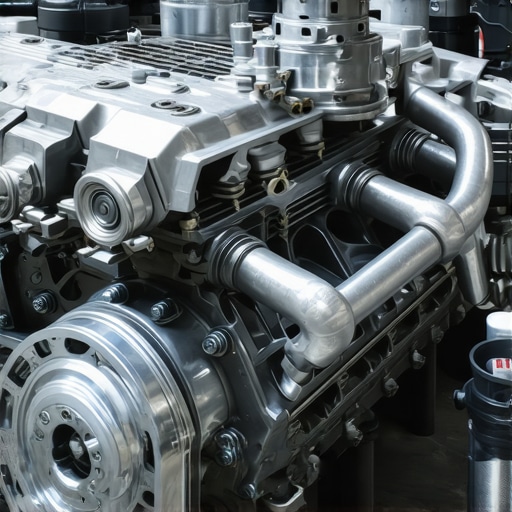
That initial clatter isn’t random; it’s a sign that something in your engine’s starting process needs a closer look. Often, this brief rattling stems from components like the timing chain, belt, or even the oil circulation system struggling to find their rhythm in the cold mornings. People tend to dismiss these sounds as harmless, but according to automotive industry experts, minor engine noises can sometimes be early indicators of more serious wear or impending failure. In fact, a study published by the Society of Automotive Engineers reports that early signs like these rattles can, if ignored, lead to costly repairs down the line.
I made a mistake early in my own car maintenance journey — assuming that quick noises like these were nothing to worry about. That assumption nearly cost me hundreds when my engine’s timing chain required urgent replacement. Trust me, I’ve been in your shoes and learned that catching small signs early is essential.
So, if you’ve ever experienced that quick, sharp sound after a cold start, you’re not alone. And it’s not just about the noise — it’s about understanding what it reveals about your engine’s condition. By the end of this post, I’ll show you how to identify whether it’s a minor issue or something that needs professional attention. Want to avoid costly repairs and keep your ride smooth? Keep reading, and let’s get to the root of that rattling.
Remember, a little attention now can save you a lot later. If this sounds familiar, or if you’ve already faced a similar problem, I’d love to hear your story! Feel free to reach out or check out our comprehensive guide on [transmission troubles](https://autofixclinic.com/transmission-troubles-expert-insights-for-smooth-shifting) for related insights. Now, let’s explore what causes that mysterious two-second rattle and how you can address it before it’s too late.
Check the Engine Oil First
Start by verifying your engine oil level and condition. Remove the oil filler cap, wipe the dipstick, and assess the oil’s color and consistency. If the oil is dark, gritty, or hasn’t been changed recently, schedule an oil change. Regular oil changes, as detailed in our oil change tips, are critical to lubricate engine parts effectively and prevent rattles caused by insufficient lubrication.
Inspect the Timing Chain and Belt
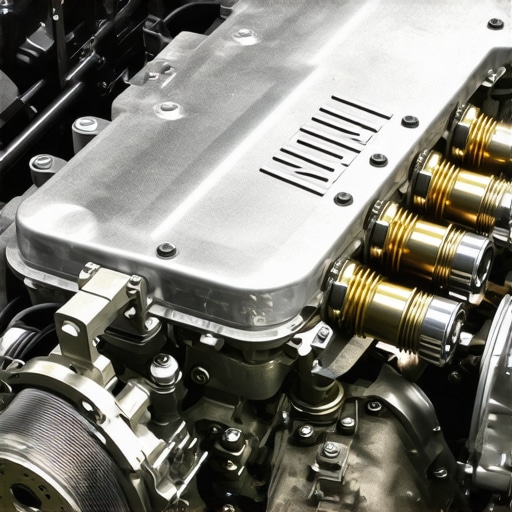
Next, examine your timing components. A worn or loose timing chain can cause brief rattles during startup. If you’re comfortable, consult your vehicle’s service manual to locate the timing chain; otherwise, consult a professional. When searching for a trusted car service, look for technicians with ASE certification, which indicates they have undergone stringent training and testing, ensuring quality diagnostics.
Perform a Visual Belt and Hose Inspection
Look for cracks, fraying, or slack in accessory belts and radiator hoses. Replace any damaged components promptly to prevent further engine issues. Using a certified technician to perform this inspection can save time and avoid potential engine damage.
Assess Oil Circulation and Pump Function
During startup, listen for irregular noises indicating poor oil circulation. If the oil pump is failing, it may cause initial engine noise and eventual damage. Applying a diagnostic approach similar to oil circulation checks can identify these problems early. For complex issues involving internal pump failure, professional servicing is essential.
Listen for Persistent Noises and Seek Diagnostics
If rattling persists beyond initial startup, it could signal deeper issues like piston slap or valve train wear. Recording the sound and consulting a qualified technician who carries out precise diagnostics—preferably with tools that meet ASE standards—is your best move. Proper diagnosis prevents unnecessary repairs and extends your engine’s lifespan.
Practice Preventive Maintenance
Finally, keep up with service intervals, including regular oil changes and component inspections. Proper maintenance habits, supported by the latest oil change tips, help your engine run smoothly and avoid unexpected noises. Early intervention not only conserves your vehicle’s health but also saves money over time.
Many car owners accept conventional wisdom without question, leading to costly mistakes. For instance, the belief that “cheap” oil filters are just as good as premium ones can backfire; studies show that OEM or OEM-approved filters help maintain engine health better, reducing the risk of contaminants bypassing filtration systems.
One prevalent misconception is that getting your oil change at any service station suffices. In reality, timely and quality oil changes are crucial. Skipping or delaying them accelerates wear and can cause sludge buildup, impairing engine performance. It’s a nuanced process that involves monitoring oil viscosity, contaminants, and engine age, not just ticking the calendar.
Are ASE-Certified Technicians Always the Best Choice?
Many assume ASE certification guarantees a mechanic’s expertise, but that isn’t always the case. Certification indicates a technician has passed certain tests, but ongoing training and practical experience matter just as much. Some shops with ASE-certified techs may still cut corners, especially if they lack transparent standards. Always verify their previous work and ask for detailed diagnostics, especially for complex issues like transmission repairs.
For example, a common pitfall is relying solely on “certified” labels without reviewing shop reviews or requesting detailed estimates. According to industry experts, certification is a baseline, not a guarantee of superior service.
What Advanced Mistakes Do Owners Usually Make?
One often-overlooked mistake involves neglecting the importance of transmission fluid maintenance—many owners overlook that dark, seemingly burnt-smelling fluid isn’t always a sign to panic immediately, but ignoring it can lead to sluggish shifts or costly replacements. Regular checks and understanding nuances, such as fluid color and smell, help prevent severe damage.
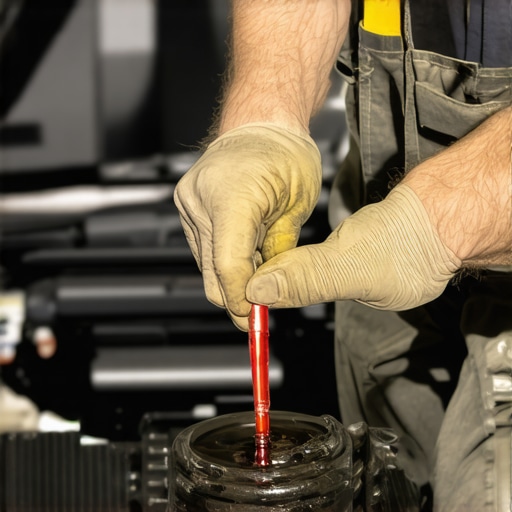
Engine maintenance isn’t just about routine tasks; it’s about understanding the intricacies. Misinterpreting oil change intervals or overestimating a shop’s certification can compromise vehicle safety and longevity. Remember, investing in knowledge and choosing the right service providers make all the difference. Have you ever fallen into this trap? Let me know in the comments, and stay tuned for more expert insights to keep your car running smoothly.Maintaining your vehicle effectively requires more than just routine oil changes and inspections; it hinges on using the right tools and adopting proven methods to ensure longevity. Personally, I rely on diagnostic scan tools like the Autel MaxiSys MS909, which provides comprehensive insights into engine, transmission, and electrical systems with precision only available to certified technicians. This tool’s ability to perform in-depth diagnostics and preset service routines helps me catch issues early, saving money and preventing breakdowns.
Another indispensable resource is a high-quality ultrasonic leak detector. I use the Ultrasonic Leak Finder, which pinpoints tiny leaks in A/C systems or vacuum lines that visual checks might miss. This not only speeds up repair times but also ensures your vehicle remains in optimal condition, preventing small leaks from turning into costly failures.
Investing in professional-grade oil analysis kits is also a game-changer. They offer detailed information about engine oil contamination, wear particles, and additive levels, guiding more informed oil change schedules tailored to your driving habits and environmental conditions. Regularly analyzing your oil can reveal underlying engine stress or parts nearing the end of their service life.
When it comes to software, I utilize the manufacturer-specific diagnostic software provided by Mercedes-Benz or BMW, depending on the vehicle. These softwares give access to proprietary system data and calibration updates, which generic tools cannot provide. Such capabilities are critical for fine-tuning performance and ensuring your car’s electronic systems operate flawlessly over time.
Looking ahead, I predict that the integration of AI-powered predictive maintenance platforms will revolutionize car care. These systems will analyze data from connected vehicles to anticipate failures before they happen, prompting scheduled maintenance and reducing unexpected downtime.
How can you maintain your vehicle effectively long-term? The key is adopting a proactive approach with the right equipment. For instance, regular use of diagnostic tools like the MaxiSys can uncover potential issues early, saving your wallet and prolonging your vehicle’s life. I encourage you to try out a diagnostic scan on your car and see what insights can be gained—it’s easier than you think and well worth the effort for peace of mind. Additionally, exploring reliable leak detection methods can prevent small issues from escalating.
Remember, consistent maintenance with the right tools not only preserves your car’s value but also ensures safety and reliability on the road. If you’re seeking trusted advice, be sure to review the benefits of working with ASE-certified technicians, since their training ensures familiarity with advanced tools and techniques, ultimately offering you superior service. For more detailed strategies, visit our guide on what ASE certification signifies—a foundation for choosing quality service providers.
Lessons Only Experience Can Teach
One of the toughest realizations I faced was understanding that not every engine noise is harmless. The brief rattle I dismissed early on nearly led to an expensive repair because I had ignored that gut instinct. Now, I know that *listening carefully* and trusting your ears can be the first line of defense in vehicle maintenance. Additionally, I learned that relying solely on a mechanic’s word without understanding the basics can leave you vulnerable—being informed empowers you to ask the right questions and make better decisions. Lastly, I’ve seen firsthand that a small investment in quality tools and ongoing education pays off more than any quick fix; staying proactive is the secret to longevity and peace of mind on the road.
Tools That Transformed My Approach to Car Care
Over time, I’ve come to trust essential tools like the Autel MaxiSys MS909 for comprehensive diagnostics—it’s packed with features that reveal hidden issues before they escalate. Pairing that with a trusty ultrasonic leak detector has saved me from costly surprises related to A/C or vacuum leaks. Regularly analyzing my engine oil through specialized kits helps me catch early signs of internal wear. Also, manufacturer-specific diagnostic software, especially for brands like Mercedes-Benz and BMW, ensures I get accurate data tailored to my vehicle. These tools make proactive maintenance achievable, turning guesswork into precise action. I encourage every car owner to explore these resources; they’re game-changers in maintaining vehicle health and avoiding unexpected breakdowns.
Your Next Move Toward Smarter Car Maintenance
Embracing a mindset of constant learning and smart tool investment is your best strategy for long-term vehicle care. Don’t wait for warning lights or strange noises—use diagnostic tools regularly, develop a good relationship with ASE-certified technicians, and stay informed through trusted resources. Your car is a valuable partner; treating it with proactive attention not only extends its lifespan but also offers peace of mind every time you turn the key. Ready to take charge of your car’s health? Start with one small diagnostic check today and see the difference it makes.
Have you ever experienced a moment when a simple car noise led to a major repair? Share your story below—I’d love to hear your lessons learned and triumphs!