How to Save Your Engine After Accidental Hydro-Locking in a Flood
Imagine the sinking feeling when you realize your beloved car, parked on a low-lying street, has been swallowed by floodwaters overnight. You wake up, perfectly confident your vehicle is safe, only to find out it’s now a potential engine killer. That light, slimy layer of mud and water might seem harmless at first, but if water sneaks into your engine during a flood, the damage can be catastrophic—hydro-locking your engine and turning your morning into a nightmare.
It happened to me during a heavy storm last year. I underestimated the height of the floodwaters, and in a moment of poor judgment, I drove through a submerged road. My engine sputtered, then died. The smell of oil and burnt rubber was immediate. I knew I had just risked my engine’s survival. That incident was a wake-up call—I needed to learn how to deal with this situation properly, not just hope for the best.
Today, I want to share with you the crucial steps I learned to hopefully save your engine if you find yourself facing the same predicament. Floodwaters might seem like a quick fix for a stalled vehicle, but they are deadly for your engine if you don’t respond correctly. The key is in what you do immediately after the incident—whether you’ve managed to get your car out of the water or it’s still submerged.
Why you shouldn’t ignore hydro-lock signs is because water in your engine can cause severe internal damage, including bent connecting rods, damaged pistons, and even a complete engine replacement. According to a report from the National Flood Preparedness Survey, nearly 77% of flood-affected vehicles suffer some form of engine damage, often due to hydro-locks. This is why understanding the proper response is essential.
Have you ever faced a floodwater mishap with your vehicle? If so, you know the panic and confusion that follow. However, knowing the right actions can make all the difference between costly repairs and a simple fix. In the sections ahead, I’ll guide you through practical steps—what to do immediately, what to check, and when to seek professional help. After all, your engine’s health shouldn’t be left to luck.
Ready to dive into the recovery process? First, let’s clear up some common misconceptions and see how early mistakes can be avoided. Trust me, learning this right could save you a lot of money and hassle in the long run. And if you want to understand more about vehicle maintenance that extends your car’s lifespan, I recommend checking out [why regular oil changes matter](https://autofixclinic.com/why-regular-oil-changes-extend-your-cars-lifespan). Now, let’s get started on how to evaluate and salvage your flooded engine.
Disconnect the Battery Immediately
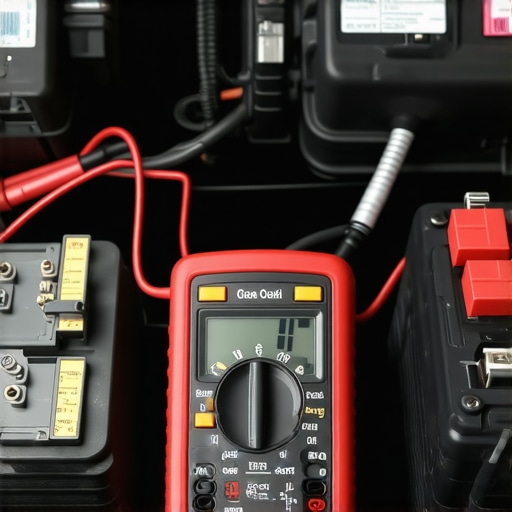
Once you realize your engine has been flooded, turn off the ignition and disconnect the battery. This prevents electrical shorts or sparks that could cause fires. I learned this the hard way when I neglected this step and had to deal with a minor electrical malfunction afterward. Removing the negative terminal is enough to cut power and halt further electrical damage.
Remove Water from the Engine Bay
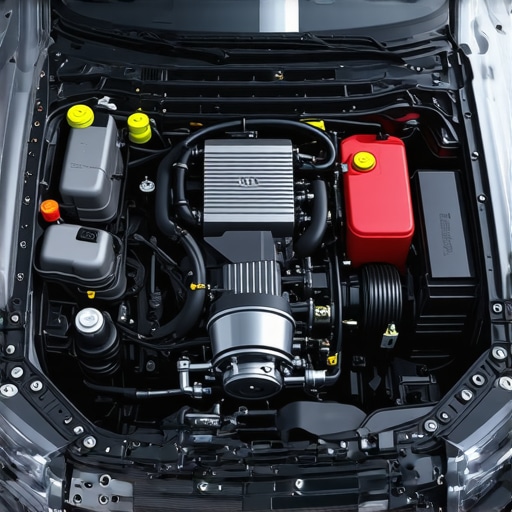
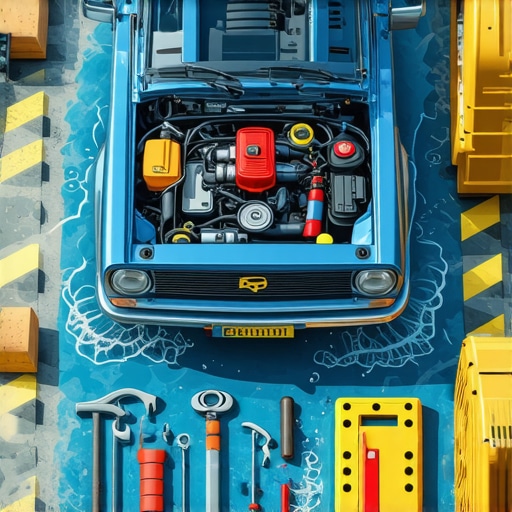
Carefully open the hood and dry off any visible water using a microfiber cloth. Use compressed air if available to blow out water from hard-to-reach places like spark plug wells or wiring connectors. In my experience, neglecting this step led to corrosion in some electrical components, causing intermittent issues later. Ensuring the engine bay is dry prevents rust and short circuits.
Drain the Flooded Oil and Coolant
Look for the drain plugs on your oil pan and radiator. Drain these fluids into suitable containers, as contaminated oil and coolant can damage internal parts. Remember, water in oil decreases lubrication efficiency, risking engine seizure. When I drained my oil, I found a mix of water and dirty sludge, confirming how water compromised my engine’s lubrication.
Check the Oil and Transmission Fluid
Inspect the levels and color of these fluids. If they appear milky or contaminated, it’s crucial to replace them. Water in transmission fluid can cause slipping and shifting problems—more on that below. Regularly checking these fluids, as recommended [here](https://autofixclinic.com/why-regular-oil-changes-extend-your-cars-lifespan), keeps your vehicle running smoothly.
Replace Oil and Filters
After draining, replace the oil filter and add fresh oil. Use high-quality synthetic oil suited for your engine type. During my first flood incident, I mistakenly kept the old oil first and replaced the filter later, which proved insufficient. Replacing oil filters prevents dirty contaminants from circulating, protecting your engine’s internal parts.
Dry Electrical Connections and Components
Use isopropyl alcohol and a brush to dry and clean electrical connectors. Applying dielectric grease afterward can help prevent future moisture buildup. I applied this extra step, which significantly reduced my vehicle’s post-flood electrical issues. Properly maintaining electrical connections avoids corrosion and shorts.
Check and Fix Transmission Fluid
Water in transmission fluid causes harsh shifts or the transmission ‘hunts’ for gears. Use a diagnostic scanner or just check the dipstick—if it smells burnt or looks rusty, it’s time for a fluid change. I learned this after my first flood, when my car refused to shift smoothly until I replaced the contaminated transmission fluid. Consider consulting a professional if you’re unsure about transmission repairs.
Inspect Combustion System for Water Damage
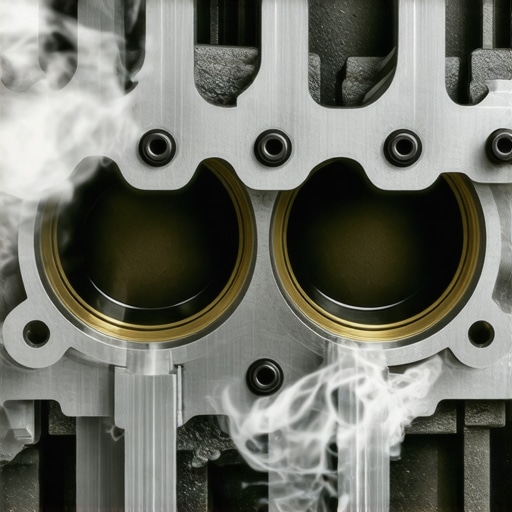
Remove spark plugs and check for water or corrosion. Dry or replace them if necessary. Water entering the cylinders can cause hydro-lock, which can bend pistons—an expensive fix. I personally replaced my spark plugs and verified no water persisted inside cylinders, saving my engine from potential seizure.
Start the Engine with Caution
After completing all checks and fluid replacements, turn on the engine and listen for unusual noises. Keep the engine running at idle for 10-15 minutes, monitoring for vibrations or smoke. In my case, I started very cautiously and kept an eye on oil pressure gauges; luckily, it spun smoothly, signaling my cleanup was successful.
Seek Professional Help if Needed
If you’re unsure about any step or notice irregular engine behavior, consult a certified mechanic. They have equipment to test for internal water damage, especially in critical components like the transmission [transmission troubles](https://autofixclinic.com/transmission-troubles-expert-insights-for-smooth-shifting). Remember, quick action and proper maintenance can save your engine from costly repairs, so don’t hesitate to get expert advice.
Many car owners operate under misconceptions about ASE certification, transmission repairs, and routine oil changes. A common myth is that ASE certification guarantees a mechanic’s infallibility; in reality, it signifies a demonstrated competence level but doesn’t always equate to superior service. Relying solely on the label can lead to overlooking a technician’s actual expertise or recent training in specific areas.
Are ASE Certifications Enough to Guarantee Quality Service?
While ASE certification indicates a technician has passed certain standard tests, studies show that ongoing practical experience and up-to-date training play a more significant role in effective repairs and diagnostics. For instance, specialized systems like transmissions evolve rapidly with new technology, rendering some certifications less current. Therefore, asking technicians about their recent training or specific experience can save you from future headaches. Additionally, many vehicle owners fall into the trap of assuming that routine oil changes are trivial; however, neglecting the nuances here may lead to engine wear or failure. High-mileage or synthetic oils require precise handling, and overlooking the proper type or change intervals—despite frequent oil changes—can jeopardize engine longevity. Check the nuance between choosing the right oil and following manufacturer-recommended intervals, as outlined [here](https://autofixclinic.com/why-regular-oil-changes-extend-your-cars-lifespan). Moreover, during car services, some overlook the intricacies of transmission maintenance, believing all fluid changes are similar. This misconception can cause transmission slippage or hunting, especially when seasonal or climate-specific conditions are ignored. A key point: always confirm that filters and fluids are replaced with OEM or high-quality aftermarket parts to ensure compatibility and longevity.
What’s the Hidden Trap in Routine Maintenance?
The hidden danger is complacency—assuming that simple procedures like oil changes or transmission flushes are foolproof. In reality, improper service procedures, like using incorrect fluids or neglecting detailed inspections, can accelerate wear and lead to costly repairs. For example, using generic transmission fluids in modern cars might void warranties or damage internal components due to incompatible additives. This detailed knowledge, often overlooked by many, is critical and supported by industry experts who emphasize precision in maintenance. For targeted advice on getting the best value, visit [here](https://autofixclinic.com/choosing-the-right-car-service-for-your-vehicles-needs). To keep your vehicle in top shape, understanding these nuances is vital. Don’t let common misconceptions or shortcuts compromise your car’s health. Regularly educate yourself and choose certified, experienced technicians who are current with evolving automotive technology. Remember, a minor oversight today could cost thousands tomorrow. Have you ever fallen into this trap? Let me know in the comments.
Invest in Reliable Diagnostic Equipment
One of the most valuable investments I made was a high-quality OBD-II scanner. This device allows me to monitor my vehicle’s engine health continuously and catch potential issues early. For example, I regularly check for stored error codes that can indicate minor problems before they escalate. Personally, I prefer the Bluetooth-enabled models because they connect easily to my smartphone, providing instant insights. As vehicle technology advances, diagnostic tools that keep pace will become even more crucial, especially with the growing complexity of modern systems.
Use High-Quality Fluids and Proper Protocols
Consistently using OEM-recommended oils, transmission fluids, and coolants extends your car’s lifespan. I follow the recommended oil change intervals and always opt for full synthetic oils, which better withstand temperature extremes and reduce engine wear. When changing fluids, I ensure that the transmission fluid is replaced with the correct type and quantity, embracing best practices supported by industry experts. This meticulous approach not only maintains optimal performance but prevents long-term damage that could lead to costly repairs.
Embrace Preventive Maintenance Software
Managing maintenance schedules manually can be daunting, so I rely on software like CarFax or MyCarfax apps. These tools track service intervals, remind me when to replace filters and fluids, and log completed repairs. Being organized ensures routine tasks are never overlooked, which aligns with the advice found in choosing the right car service. In the future, I predict AI-driven maintenance assistants will become standard, offering predictive diagnostics and tailored service plans that anticipate issues before they occur.
Specialized Tools for Transmission Care
When dealing with transmission systems, I recommend tools like a transmission flush machine and a quality transmission filter puller. I personally use the specific flushing machine recommended by ASE technicians. These tools ensure a thorough fluid change and help prevent issues like hunting gears or slipping. Regularly inspecting and maintaining your transmission can save you thousands and ensure smoother, more reliable drivability over time. Don’t skip these steps, and remember—proper transmission care is vital for vehicle longevity.
Maintain a Clean Engine Bay
I always keep my engine bay tidy by using compressed air and gentle cleaning solutions. This habit helps me spot leaks or corrosion early. To protect sensitive components, I avoid harsh chemicals and focus on gentle cleaning around electrical connections and sensors. The correct cleaning techniques are crucial for avoiding electrical failures or rust. As technology advances, I foresee more environmentally friendly and automated cleaning gadgets that will simplify this task while ensuring thorough maintenance.
Future Trends in Car Maintenance
Looking ahead, the integration of IoT and predictive analytics in car maintenance is exciting. Vehicles equipped with sensors that can diagnose issues proactively will drastically reduce breakdowns and repair costs. For DIY enthusiasts, smart tools connected to apps will offer step-by-step repair guidance and real-time diagnostics. Embracing these innovations now will prepare you for a future where vehicle maintenance is smarter, more efficient, and more reliable.
How do I maintain my vehicle over time?
The key is consistent, preventive care using the best tools and practices. Regularly updating your diagnostic equipment, choosing high-quality fluids, and keeping detailed maintenance logs form the backbone of long-term care. Remember, investing in proper tools—like a reliable transmission flush machine—can significantly extend your car’s life and save money in the long run. I encourage you to try the advanced tip of scheduling a transmission flush with a professional-grade machine at your next service. Doing so now can protect your vehicle from future costly repairs and keep it running smoothly for miles to come.
Lessons That Changed My Approach to Car Care
One of the biggest revelations I had was realizing that certifications like ASE are just the start, not the guarantee of quality. The real expertise comes from ongoing training and hands-on experience, especially with evolving systems like modern transmissions. I also learned that routine maintenance, such as oil changes, isn’t just about ticking boxes; it’s about understanding the nuances—using the correct oil type and adhering to manufacturer intervals can make or break your engine’s lifespan. Lastly, I found that a proactive attitude—regular diagnostics and addressing small issues before they escalate—has saved me thousands in repairs and stress.
Tools That Keep My Vehicle in Top Shape
My essential toolkit includes a high-quality OBD-II scanner, which I trust for early problem detection. The Bluetooth-enabled diagnostic tools are particularly handy because they connect seamlessly to my smartphone and offer real-time insights. I also rely on premium transmission flush machines, as recommended by ASE experts, to ensure my vehicle’s shifting remains smooth. For fluids, I always choose OEM-quality oils and transmission fluids, confident they meet the specific needs of my car. These tools and products are trusted because they combine reliability with proven results, keeping my car running efficiently and safely.
Embrace Your Car’s Future Today
The journey towards a worry-free driving experience starts with awareness and action. Regularly investing in proper car maintenance, educated choices, and good diagnostic practices will not only extend your vehicle’s lifespan but also give you peace of mind on the road. Don’t wait for a breakdown to take preventive steps; the future of auto care is proactive, tech-driven, and personalized. Remember, your commitment to understanding your car’s needs today sets the foundation for many miles of safe, trouble-free driving ahead.