The Simple Reason Your Car Pulls Toward the Curb When Braking
One rainy afternoon, as I was pulling into my driveway, I suddenly felt my car veer sharply toward the curb whenever I hit the brakes. It caught me off guard—I thought I was doing something wrong, or maybe my tires were just worn out. But that little incident turned into a lightbulb moment that kickstarted my journey into understanding a surprisingly common yet overlooked car trouble.
The Real Reason Your Car Doesn’t Stay Put When You Brake
If you’ve ever experienced your vehicle tugging unexpectedly while stopping, you’re not alone. That feeling of uneven braking or pulling to one side can be unnerving, and honestly, it’s often a sign of underlying issues that could grow more serious if ignored. Today, I want to share what I’ve learned from personal experience and the experts, so you can diagnose and tackle this problem before it causes more damage or safety concerns.
The Sceptic’s Question: Is This Really a Big Deal or Just Annoying?
I joked with myself that maybe my car just didn’t like to park straight—until I realized that this wasn’t just a quirk; it was a sign I needed to pay attention. Early on, I made the mistake of dismissing it as normal wear-and-tear, only to find out that uneven braking can be linked to worn-out brake pads, faulty calipers, or even suspension issues. Ignoring such signs can lead to more costly repairs, or worse, accidents on the road. A shocking fact from a study by the National Highway Traffic Safety Administration indicates that nearly 23% of vehicle accidents involve braking problems—something to take seriously.
In our next sections, I’ll walk you through the steps I used to identify the root cause of my car’s pull and how you can do the same, no mechanic’s degree required. If this sounds familiar or if you’ve been brushing off that sensation each time you brake, stick around — because understanding this issue could save you not only money but also your safety.
Check Your Brake Pads and Rotors
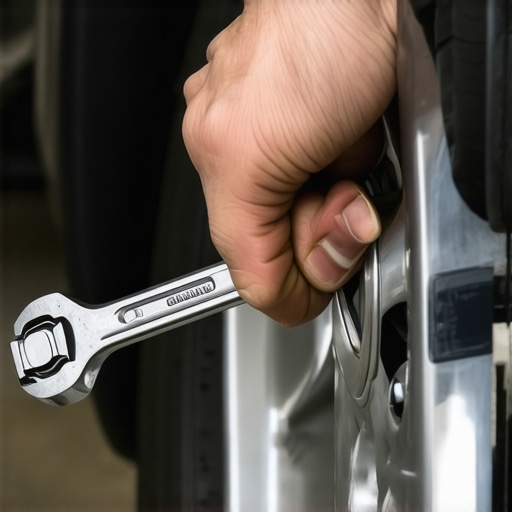
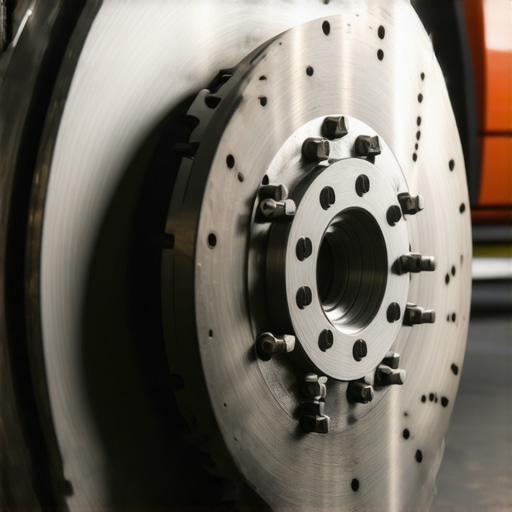
My first step was a visual inspection of the brake pads and rotors. During a short test drive, I noticed uneven pad wear and slight warping on the rotor surface. To confirm, I jacked up the car and spun each wheel by hand, feeling for roughness or wobbling. If you detect uneven wear or vibration, it’s time to replace those components. Remember, worn brake pads can cause pulling and squealing, indicating they need immediate attention. For guidance on identifying worn pads, you can review this detailed guide.
Inspect Brake Calipers and Brake Fluid
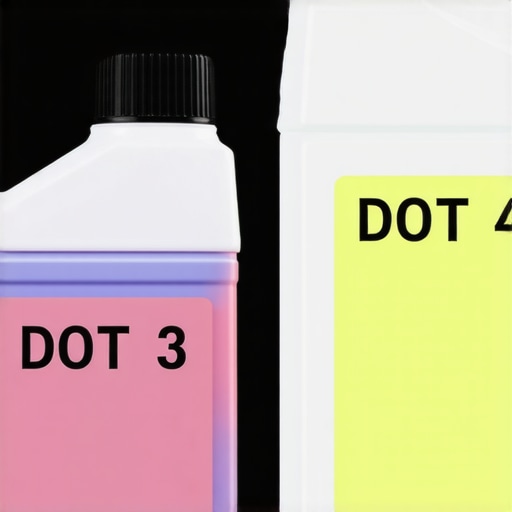
Next, I checked the calipers for sticking or leaks. I pressed the brake pedal several times to see if the pedal felt spongy or if the calipers were seizing. Caliper pistons can corrode or become sticky, leading to uneven braking. Additionally, I checked the brake fluid level and clarity—dirty or low fluid can affect braking performance. If calipers are sticking, replacing or rebuilding them is necessary. This process is similar to diagnosing brake issues linked to caliper sticking. Regular brake fluid flushes also prevent this problem and ensure consistent brake response.
Assess Suspension and Wheel Alignment
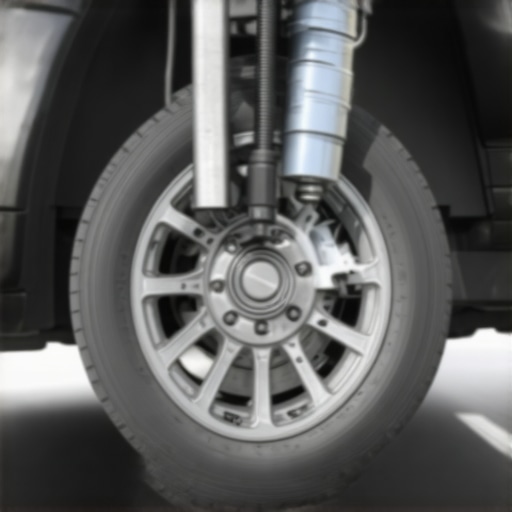
Uneven wear might also stem from suspension faults. I examined the shocks and struts for leaks or damage. A failed suspension component can shift the wheel alignment, causing the car to pull when braking. To verify, I performed a simple test drive on a straight road, noting if the vehicle veered towards one side during braking. For a precise diagnosis, a professional wheel alignment can reveal misalignment angles, and replacing worn suspension parts restores proper steering and braking. This step is crucial because, like with fleet suspension issues, neglecting suspension health increases repair costs over time.
Test the Brake Hydraulic System
I also considered the hydraulic brake system, ensuring all components function correctly. Bleeding air from the brake lines removes compressibility that causes sponginess or uneven stops. I used a brake bleeder kit to extract air and old fluid, following a step-by-step protocol. This process is similar to flushing other vehicle systems; proper fluid exchange prevents issues like dark brake fluid indicative of contamination. If the pedal remains soft after bleeding, it suggests caliper or master cylinder problems that require professional repair.
Observe Driving Dynamics and Consider Professional Help
After completing these steps, I tested the vehicle again, noting improvements. When issues persisted, I took the car to a certified ASE mechanic for in-depth diagnostics. ASE certification indicates a qualified technician who can perform comprehensive tests, such as inspecting wheel bearings or master cylinders that might cause brake pulling. If your vehicle exhibits persistent problems despite your efforts, consulting a professional saves time and avoids misdiagnosis. For tips on choosing qualified shops, check this guide.
By following these tangible steps—visual inspections, component testing, fluid management—you’re effectively becoming your own detective. When in doubt, remember that neglecting brake issues can compromise safety. Addressing these core areas ensures your vehicle stops straight and smooth, keeping you and your passengers safe on every trip.
Many car owners believe they understand the basics of transmission, oil changes, and ASE certification, but there’s often more beneath the surface that can trip you up if you’re not careful. For instance, a widespread misconception is that all engine oils are interchangeable, but modern engines demand specific types, especially as technology evolves. Relying on outdated advice or generic service routines can lead to accelerated wear or even engine failure. Discover how choosing the wrong oil filter, like a cheap, low-quality option instead of a genuine one, can cause your engine to gradually starve for proper filtration, impacting performance and longevity. Additionally, many assume ASE certification guarantees flawless service, but actually, it indicates a technician’s proficiency in certain areas, not their entire skill set or honesty. It’s vital to understand the nuances of what ASE certified truly means, so you can select reputable shops and avoid being misled. One advanced mistake many overlook involves the importance of regular transmission fluid checks, especially on models like CVTs where fluid degradation occurs faster than traditional types, often causing slipping only when hot—underscoring the need for specific maintenance procedures. According to automotive expert John Paul, many service providers neglect these subtleties, which can result in costly repairs down the line. Be wary of shops that promote unnecessary service or pressuring you into frequent fluid replacements without evidence of issues, as this can erode your vehicle’s lifespan. So, the next time you’re scheduling your routine maintenance, dig a little deeper: question the type of oil, the certification of your mechanic, and the specific needs of your transmission. Doing so ensures you’re not just following myths but making informed decisions that preserve your vehicle’s health. Have you ever fallen into this trap? Let me know in the comments.
How do I keep my car running smoothly over the years?
Maintaining a vehicle’s optimal performance isn’t just about quick fixes; it involves a combination of the right tools, consistent routines, and understanding upcoming trends. Personally, I rely heavily on a premium scan tool like the OBDLink MX+. It’s compact, versatile, and provides real-time data that helps me catch issues before they escalate. For example, monitoring engine load, coolant temperature, or transmission slip can save thousands, especially as vehicles age. As technology advances, integrated diagnostic tools with cloud connectivity will become standard, enabling proactive maintenance rather than reactive repairs.
To ensure long-term durability, I also recommend investing in quality lubricants and conducting periodic fluid analyses. For instance, regularly checking your oil pressure can reveal impending engine issues. Using specialized equipment like the MagnaScope allows me to perform detailed inspections of internal engine components without teardown, giving me peace of mind that everything stays in top shape.
How do I maintain vehicle systems over time?
Consistency in maintenance is vital. I establish a schedule based on manufacturer recommendations but also tailor it based on my driving habits. For example, if I frequently tow or drive in harsh conditions, I increase the frequency of fluid replacements and inspections. To measure the health of my transmission, I monitor the temperature profile during operation; excessive heat can cause slip issues, especially in hot conditions. Having a infrared temperature gun handy allows me to spot anomalies early.
Furthermore, I utilize software like AutoEnginuity, which interfaces with OEM modules for deeper diagnostics. This helps me identify subtle error codes that could indicate impending failures, especially with modern hybrid or turbocharged engines that require specialized checks. As these systems evolve, so will the tools, integrating AI to forecast maintenance needs based on usage patterns.
Future trends that will shape vehicle maintenance
Looking ahead, predictive maintenance powered by machine learning and IoT sensors will become commonplace. Vehicles will continuously transmit health metrics to manufacturers or third-party diagnostics, alerting owners before problems occur. This shift not only minimizes downtime but also extends vehicle lifespan significantly. I predict that, in the future, workshops will be equipped with portable diagnostic pods that can instantly analyze a car’s entire system without needing a bay full of tools.
Scaling your maintenance routine for long-term success
One crucial aspect is documentation. I use maintenance log apps like RepairPal or even simple spreadsheets to track parts, fluid changes, and repairs. Over the years, this database helps identify recurring issues and plan upgrades proactively. When it comes to tools, quality trumps quantity—investing in reliable, professional-grade equipment ensures your maintenance efforts are effective and safe.
If you’re serious about keeping your vehicle in peak condition, I highly recommend starting with a comprehensive diagnostic scan every few months, especially if your car is over five years old. As automotive expert John Paul explains, catching problems early is essential to avoiding costly repairs down the line. Don’t delay—try out a diagnostic tool like the OBDLink MX+ and see the difference it makes in your maintenance routine.
The Toughest Lessons I Learned About Transmission, Oil Changes, and ASE Certification
- Real expertise isn’t just ticking boxes; it’s knowing when a quick fix is a temporary patch versus a genuine repair, especially when dealing with complex systems like transmissions or hybrid engines.
- Assuming that all oil filters are created equal can lead to engine wear down the line. It took me years to understand that using the right filter isn’t just recommended; it’s vital for longevity.
- Getting ASE certification is a mark of proficiency, but trusting a shop that leverages that certification appropriately is what truly makes the difference—never settle for just a badge.
- How I once overlooked subtle signs of a slipping transmission in my fleet—and paid a hefty price—taught me that proactive diagnostics, instead of reactive repairs, save thousands and headaches.
- Technology moves fast. Investing in real-time diagnostic tools like the OBDLink MX+ transformed my ability to catch issues early, avoiding major failures.
Gear Up with the Right Resources for Car Maintenance Success
- AutoFixClinic Guides: In-depth articles like the one on brake pad wear helped me understand the nuances beyond basic inspection—these are gold for serious DIY enthusiasts.
- Diagnostic Tools: The MagnaScope and OBDLink MX+ continuously save me from costly shop visits by providing real-time insights.
- Trusted Mechanics and Certifications: Knowing that an ASE-certified technician is well-versed doesn’t guarantee perfection—building that relationship is key, especially for complex issues like hybrid system diagnostics.
- Community and Forums: Engaging with passionate car care communities often reveals hidden tips, such as spotting a genuine ASE badge or understanding the subtle signs of transmission trouble.
Your Next Move Starts Now
Embracing these lessons, tools, and resources transforms your approach from passive car owner to proactive maintainer. Each step you take towards understanding transmission quirks, choosing the correct oil filters, or investing in reliable diagnostic gear ensures your vehicle runs longer and safer. Remember, the journey of mastering car care is ongoing, and your commitment today sets the stage for smoother rides tomorrow. Ready to take the next step in elevating your car maintenance routine? Share your experiences or ask your burning questions below—let’s learn together and keep our vehicles in peak condition!
Have you ever faced a tricky transmission issue that tested your DIY skills? Let me know in the comments!
.