Why Your Oil Pressure Drops Only After the Engine Warms Up
Ever been stranded in your driveway, staring at the oil pressure warning light flickering on after a warm engine, feeling a mix of frustration and confusion? I remember my own light going off during a hot summer afternoon, and I thought, “Great, another expensive repair.” Turns out, that moment opened my eyes to a common but often misunderstood issue. Many drivers experience oil pressure dropping only after the engine has warmed up—an annoying pattern that can lead to bigger problems if ignored. I’ve been there, and I want to help you understand what might be behind this strange behavior.
The Real Reason Your Oil Pressure Follows a Temperature Pattern
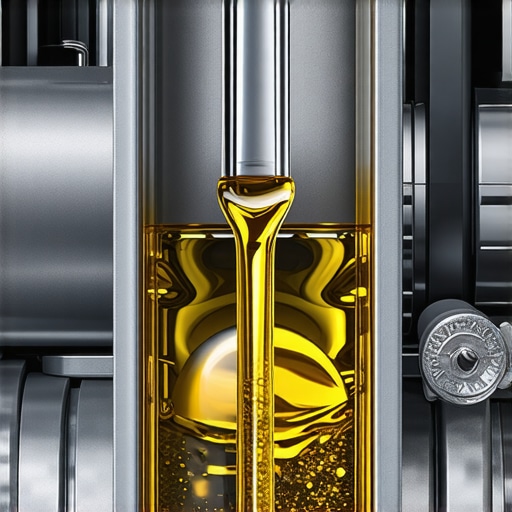
When I first started noticing my oil pressure dip when my engine hit its normal operating temperature, I was convinced it was just a faulty sensor or a warning system glitch. But soon, I discovered it could be a sign of underlying issues with the oil pump, worn bearings, or contaminated oil. The interesting part? As engines warm up, the oil thin out, changing how it lubricates internal components, which directly impacts oil pressure. According to automotive experts, oil viscosity plays a huge role—thicker oil at lower temperatures offers better pressure, but as it warms and thins, pressures can drop if the pump or passages aren’t functioning properly. This phenomenon is especially common in older engines or those with neglected maintenance schedules.
Have you noticed your oil pressure gauge behaving differently after your engine warms up? If so, you’re not alone. The key is to pinpoint whether it’s a pressure sensor malfunction, oil viscosity issue, or something more serious like worn bearings or a failing oil pump. Addressing this early can save you from costly repairs down the road. In the next sections, we’ll dive into common causes, easy diagnostics, and practical solutions to keep your engine happy and healthy.
Is Fixing Oil Pressure Drop Truly Worth It?
One mistake I made early on was ignoring the warning signs, thinking it was just normal engine behavior. But delaying diagnosis led to more severe engine wear and a significant hit to my wallet. Should you do the same? Absolutely not. Recognizing the importance of proper oil pressure maintenance can extend your engine’s lifespan and boost performance. For related issues, you might want to explore how to tell if your transmission needs a simple fluid top-off or a full rebuild. Want to learn more about maintaining your vehicle’s vital systems? Check out this guide on transmission health.
Now, let’s get into the nitty-gritty of what causes oil pressure to drop only after your engine warms, and how you can troubleshoot it yourself.
Perform a Visual Inspection of the Oil Level and Condition
Start by checking the oil dipstick after the engine has cooled down. Ensure the oil level is within the recommended range and inspect its color and consistency. Thick, dark, or gritty oil indicates contamination or overdue changes, which can cause pressure drops. Remember, old or contaminated oil thins out when warm, reducing pressure. I once neglected this step and initially thought my sensor was faulty, only to find my oil was overdue for a change. Replacing or topping off the oil often restores normal pressure if contamination was the issue.
Test the Oil Pressure Sensor and Gauge
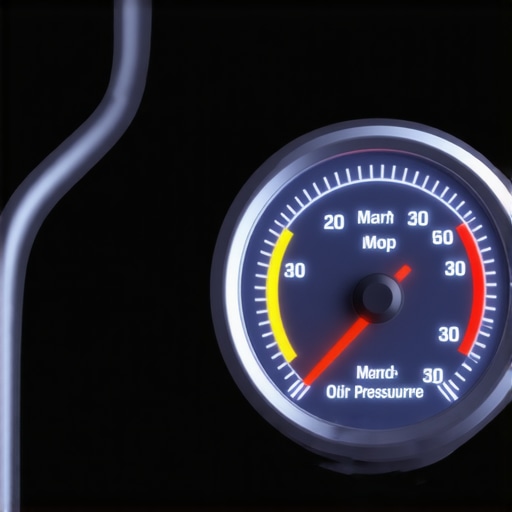
Next, verify if the warning light or gauge reading is accurate. Use a mechanical oil pressure tester, which can be borrowed from auto parts stores or performed with ASE-certified tools. Locate the oil pressure sender, usually near the oil filter or valve cover, disconnect it, and connect the gauge. Start the engine and observe the reading at idle and higher RPMs. If the pressure is normal on the gauge but the warning persists, the sensor may be faulty. I learned this firsthand when a faulty sensor kept triggering warnings despite healthy pressure, leading me to replace it and clear the false alarms.
Assess the Oil Pump and Internal Components
If both oil level and sensor are fine, the issue might be internal. An engine running with worn bearings or a failing oil pump often exhibits pressure drops at operating temperature. Conduct a more thorough inspection by removing the oil pan; look for excessive wear, scoring, or debris. Checking for metal shavings during oil changes can reveal abnormal bearing wear. Alternatively, perform a mechanical pressure test with a dedicated gauge fitting, which provides a more direct measurement of oil pressure at various speeds. In my case, replacing worn-out bearings restored proper pressure and prevented engine damage.
Address Oil Viscosity for Consistent Pressure
Ensure you’re using the correct viscosity grade recommended by your vehicle manufacturer. Using too thin an oil in a high-mileage engine can lead to pressure issues once warmed up. For example, switching from 10W-30 to 5W-30 in summer improved pressure stability. Remember, modern synthetic oils provide more stable viscosity across temperature ranges, aiding in maintaining consistent pressure. If unsure, consult your owner’s manual or an ASE-certified technician for tailored advice.
Consider a Professional Diagnosis for Complex Cases
If these steps don’t resolve the problem, it’s wise to seek expert help. ASE-certified technicians can perform detailed diagnostics, including testing the oil pump pressure bypass valve, inspecting oil galleries, and analyzing oil pressure sensor calibration. Sometimes, overlooked issues like clogged oil passages or failing control valves cause pressure drops only after engine reaches operating temperature. Doing so prevents costly engine damage and ensures your vehicle runs smoothly long-term. You can also explore related topics like transmission fluid issues or automatic transmission troubleshooting for holistic vehicle maintenance.
Many car owners operate under the assumption that sticking to basic maintenance routines guarantees long-term vehicle health. However, this oversimplification can lead to overlooked issues and costly mistakes. A notable example is the widespread belief that frequent oil changes alone will prevent engine problems, but in my experience, this ignores the importance of understanding oil quality and the nuances of engine wear. The misconception is that as long as you change the oil on schedule, your engine remains protected—yet, modern engines demand more sophisticated care, especially regarding transmission health and component compatibility.
Myth Busting: The True Role of ASE Certification
Many think ASE certification guarantees a technician’s expertise, but this isn’t always the case. According to industry experts, ASE certification signifies proven knowledge, but it doesn’t necessarily reflect ongoing training or practical skill with specific vehicle makes and models. For instance, a technician might excel in electrical diagnostics but lack in-depth experience with hybrid or advanced emissions systems. This nuance emphasizes the need for vehicle owners to ask targeted questions or seek specialists for complex tasks—like evaluating whether your transmission fluid needs a simple top-off or a full rebuild, information you can find here.
AVOID This Trap When Servicing Your Car
One common mistake is neglecting to verify whether the mechanic’s recommended service is appropriate for your specific vehicle condition. For example, some shops push for full system flushes when a simple drain-and-fill would suffice, potentially stripping out critical additives or introducing air into delicate hydraulic components. An advanced tip is to always request a detailed diagnostic before agreeing to major repairs, especially for transmission components where improper service can lead to early wear or failure. Keep in mind that overusing certain products, like generic lubricants or low-quality filters, can accelerate component degradation, as discussed in articles about engine seals and oil quality here.
Does Your Car Exhibit Subtle Signs of Hidden Damage?
A sophisticated question many seasoned owners ask is how to detect early internal issues that are not obvious through routine checks. For example, subtle vibrations at specific speeds or slight hesitation during acceleration could indicate developing problems within the transmission or valve train. Recognizing these signs early requires awareness of the vehicle’s normal behavior and understanding advanced diagnostics. Implementing regular professional inspections, especially for vehicles with high mileage or irregular service histories, can uncover issues like dry valves or internal leaks before they escalate. Remember, ignoring these nuanced signals often results in more extensive repairs later, emphasizing the importance of attentive maintenance and expert assessment.
By challenging common assumptions and understanding the nuanced realities of vehicle maintenance, you can avoid costly pitfalls and extend your car’s lifespan. Have you ever fallen into this trap? Let me know in the comments—your experience might help others steer clear of similar mistakes.
Keeping Your Vehicle Running Smoothly: Essential Tools and Practices
Maintaining your car over time requires a combination of proper tools, consistent habits, and a proactive approach. As someone who has spent years working on vehicles, I can attest that the right equipment not only makes repairs easier but also ensures that you catch issues early before escalating into costly repairs. One tool I rely on heavily is a high-quality automotive scan tool, such as the Autel MaxiScope, which provides comprehensive live data and diagnostic trouble codes for a wide range of makes and models. This device enables me to identify subtle sensor malfunctions or wiring issues that could otherwise go unnoticed, especially in the case of complex systems like transmissions or engine management modules.
Another indispensable item is a mechanical oil pressure tester. While many car owners simply watch the warning lights, physically measuring oil pressure during different engine speeds gives a clearer picture of internal health. I prefer the Genuine Engine Oil Pressure Tester, which connects directly to the sensor port—allowing me to verify sensor accuracy or diagnose actual pressure problems. Regularly checking oil viscosity and contamination with a dipstick test and a portable refractometer helps maintain optimal lubrication, extending engine lifespan.
In addition to hardware, software tools like OEM-specific diagnostic platforms (e.g., Bosch KTS series) offer deeper insights, especially for manufacturers with advanced electronic systems. While these are more expensive, they are invaluable for ASE-certified technicians or serious DIY enthusiasts committed to long-term engine health. Looking ahead, I believe the trend towards integrated OEM diagnostic tools will grow, making it even easier to perform comprehensive vehicle health checks at home or in small shops.
Thinking about scaling your maintenance efforts? Investing in a quality torque wrench, such as the GearWrench electronic torque screwdriver, ensures that bolts—especially critical ones like oil pan or valve cover fasteners—are tightened accurately, preventing leaks and damage. Furthermore, long-term results come from establishing a routine: schedule bi-annual inspections, fluid replacements, and system calibrations, especially for complex elements like your transmission or emission controls.
How do I maintain my vehicle over time?
The key is consistency and informed interventions. For instance, verifying transmission fluid levels with a dedicated scanner, rather than just relying on visual inspection, can prevent early wear of delicate components. Regularly inspecting and replacing cabin filters can improve HVAC performance and cabin air quality, which is often overlooked but vital for driver comfort. For example, a clogged cabin filter can make your AC system seem weak or noisy, which you can troubleshoot yourself by inspecting and replacing it—more details on which can be found here.
Lastly, embracing a mindset of preventive care means scheduling annual professional inspections. An ASE-certified technician can detect subtle signs—like slight vibrations at specific speeds—that hint at underlying issues such as drive shaft imbalance or differential wear. This proactive stance not only extends your car’s life but also saves money in the long run. Now’s the perfect time to try calibrating your own oil pressure sensor if you haven’t yet—it’s a game-changer for diagnostics and peace of mind.

The Unexpected Lessons Oil Pressure Taught Me About Car Care
One of the most surprising realizations I had about automotive health is how a seemingly minor fluctuation in oil pressure can reveal deeper issues, especially post-warm-up. It taught me to look beyond the gauges and understand what’s really happening inside my engine. Recognizing these subtle signs has saved me from costly repairs and has deepened my appreciation for thorough vehicle maintenance.
Tools and Tips That Changed My Approach to Engine Health
Equipping myself with a reliable mechanical oil pressure tester and a high-quality diagnostic scan tool revolutionized how I diagnose engine issues. These tools, combined with a good understanding of oil viscosity and internal components, empowered me to address problems proactively. I’ve come to trust these resources as essential parts of my automotive toolkit, especially when dealing with complex issues like oil pump performance or internal wear.
Your Next Step Towards Confidence Under the Hood
Understanding and monitoring oil pressure isn’t just about diagnostics; it’s about empowering yourself to catch problems early. Whether you’re a DIY enthusiast or simply a vehicle owner eager to learn, taking the initiative to perform regular checks and seeking professional diagnosis when needed can drastically extend your engine’s lifespan. Remember, a little knowledge and the right tools can make all the difference—so why not start today? What’s one oil pressure tip that changed your car maintenance game? Share below and let’s learn together.