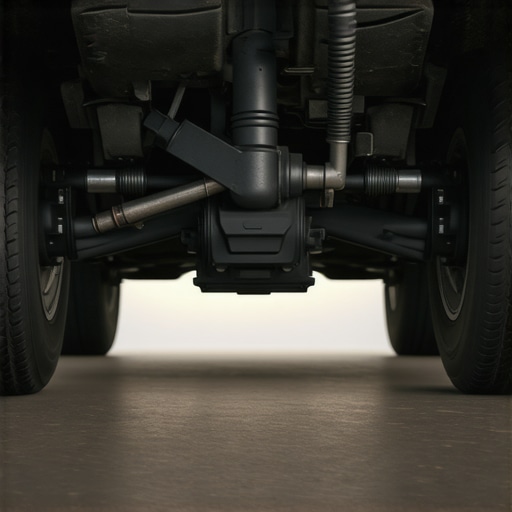
The Fast Way to Identify a Leaking Strut in Your Driveway
It was a gloomy Saturday morning when I noticed something was off with my car, but I couldn’t quite put my finger on it. As I rolled out of bed, I heard a strange groan from the driveway—my car’s suspension had become suspiciously bouncy. At first, I thought it was just the usual wear, but then I realized it might be something more urgent. That lightbulb moment hit me hard: could my strut be leaking? I instinctively knew I needed a quick way to confirm without heading straight to the mechanic.
Why Spotting a Leaking Strut Early Could Save You Big Bucks
Modern suspensions are critical—not just for a smooth ride but for your safety too. A leaking strut can compromise handling, increase tire wear, and even lead to total suspension failure if ignored. I learned that delaying a proper diagnosis can escalate into costly repairs—and let’s be honest, nobody wants that surprise bill when they’re just trying to get to work or run errands. This experience inspired me to find a reliable, quick method to identify leaking struts right in my driveway, saving time and money.
Is it Really That Easy to Detect a Leaking Strut?
Initially, I thought that needing special tools or lifting the car would be unavoidable. But I made a classic mistake early on: I underestimated how detectable the leak actually was with just a simple visual check. After some research and scratching my head, I discovered that many car owners overlook the signs at first—they assume it’s just a rough ride or normal wear. Now, I want to share the straightforward technique I used to spot a leaking strut—because not checking could mean letting a minor issue turn into a major headache. According to automotive experts, addressing suspension issues early not only prolongs the lifespan of your vehicle but also keeps you safe on the road. And if you’re unsure about your vehicle’s maintenance, you can learn more about what an ASE certification really means for your car’s upkeep.
Stay with me, because I’m about to walk you through a simple, effective way to identify that sneaky leak—no fancy lifts or mechanic visits required, just a keen eye and a little know-how. Trust me, once you master this technique, you’ll be better equipped to handle suspension issues before they lead to bigger problems. So, have you ever faced this kind of mysterious car problem in your own driveway? Let’s dive into how you can spot it yourself and save money in the process.
Locate Suspicious Areas for Leaks
Start by parking your car on a flat surface and engaging the parking brake. Use a flashlight to inspect the top and bottom of each strut. Look for any oily or greasy spots—these are classic signs of a leak. A practical tip from my own experience: I used an old toothbrush to gently scrub the area, revealing hidden oil traces that might otherwise be missed. This simple step can save you from unnecessary guesswork and help pinpoint the exact suspect.
Check for Physical Damage and Bushing Wear
Next, examine the strut for visible damage such as dents, cracks, or bent components, which can also contribute to leaks. Pay close attention to rubber bushings; cracked or deteriorated bushings can allow fluid to seep out or worsen existing leaks. During my inspection, I found a worn bushing that could have been the culprit, prompting me to replace it before further damage occurred—saving me money in the long run.
Perform a Bounce Test to Assess Suspension Response
Press down firmly on one corner of your vehicle and then release. The vehicle should bounce once and settle. If it continues to bounce or feels overly soft, your strut may be compromised. I remember doing this on a rainy morning— the excessive bouncing told me I definitely needed to inspect further. This quick test provides a good initial indication but isn’t definitive.
Utilize Your Hands to Feel for Leaks and Looseness
Carefully press along the strut and surrounding components to feel for wetness or greasy residue. Also, try to wiggle the strut slightly—excessive movement suggests worn mounts or mounting hardware. Personal experience taught me that feeling for looseness helps confirm the visual signs and gives you confidence in your diagnosis. If the strut feels loose or you detect oil, it’s time to consider professional replacement.
Use a Simple Paper T Trace Oil Leak
Place a clean piece of paper underneath the suspect area for an hour or so. If oil seeps onto the paper, it’s a clear indication of a leak. This is an easy, low-tech method that I employed during a weekend DIY repair— it provided undeniable evidence that my strut was leaking, guiding me toward the proper replacement steps. Remember, detecting a leak early can prevent further damage to your suspension system and avoid costly repairs.
Maintain Regular Inner-Check Routine
Make a habit of inspecting your suspension components during routine oil changes or tire rotations. Regular checks can catch issues before they become serious. Before my last oil change, I took a few extra minutes to inspect the struts using these methods, saving me from unexpected breakdowns. For comprehensive car maintenance, consider reviewing tips on top oil change tips and other essential practices.
By following these straightforward steps, you empower yourself to identify a leaking strut promptly. This proactive approach not only saves money but also enhances your safety on the road. For more detailed advice on car diagnostics and maintenance, visit our contact page.
Many car owners assume that an ASE certification automatically guarantees a mechanic’s expertise and reliable service. While ASE certification is a reputable credential, relying solely on it can be a trap. In my experience, some shops display ASE logos prominently, leading customers to believe their vehicle is being handled by the best technicians—yet, behind the scenes, individual skill and ongoing training truly matter. According to automotive expert Mike Allen, “Certification indicates a baseline competence, but continuous education and practical experience differentiate good mechanics from the rest.” Therefore, it’s essential to dig deeper than just ASE logos when selecting a service provider.
Are All Oil Changes Created Equal, or Is There More to It?
Common myths suggest that an oil change is just draining old oil and refilling with new. However, many overlook the importance of the oil filter, quality of the oil used, and proper torque on drain plugs. Skimping on these details might save a few dollars initially but can lead to engine wear, reduced fuel efficiency, or even long-term damage. For instance, synthetic oils provide better protections for modern engines—especially turbocharged or GDI (Gasoline Direct Injection) motors—making the choice of oil more critical than most realize. Check out this guide to ensure your oil change maintains engine health.
Unveiling the Truth About Transmissions and Maintenance
Many believe that transmission issues only surface when it’s too late, but in reality, early signs are often overlooked. A common mistake is to ignore sluggish shifting or slipping, assuming they’re minor or caused by driver habits. Advanced mechanics know that these symptoms might indicate low or contaminated transmission fluid, worn clutch material, or failing solenoids. Regular transmission service, including fluid changes and inspections, can prevent costly repairs. For more insights, visit this article on maintaining smooth shifting.
Another misconception involves the idea that DIY transmission fluid changes are straightforward. In reality, using the wrong type of fluid or failing to properly flush and refill can cause more harm than good. Always verify your vehicle’s specifications and consider professional assistance—especially for complex transmissions. To learn how to properly care for your transmission, see our comprehensive maintenance tips.
Ultimately, understanding the nuances behind ASE certification, oil changes, and transmission maintenance can save you money and extend your vehicle’s lifespan. Don’t fall for oversimplified myths—equip yourself with accurate knowledge and ask questions before trusting your vehicle’s care. Have you ever fallen into this trap? Let me know in the comments below or reach out via our contact page.
Keep It Running: Essential Tools for Modern Car Care
Maintaining your vehicle over the years requires more than just routine visits to the mechanic. I personally rely on a set of specialized tools that make ongoing maintenance manageable and precise. A high-quality digital multimeter is my first go-to. It’s indispensable for diagnosing electrical issues, testing battery health, and checking sensor outputs—saving me from unnecessary trips to the repair shop. I prefer models with auto-ranging capabilities and backlit displays, which I’ve found streamline troubleshooting even in low-light conditions.
Next, I swear by a good code reader compatible with my vehicle’s makes and models. Not all OBD-II scanners are created equal; I use one that provides real-time data, freeze frame information, and the ability to clear codes. This has been invaluable for catching issues early, especially those elusive transmission faults that might not trigger a check engine light right away. If you’re serious about proactive maintenance, investing in a reliable scan tool can pay for itself in saved repairs and better vehicle performance.
Why a Torque Wrench Is a Must-Have
Proper torque application is crucial when working on critical components like oil drain plugs, wheel lug nuts, or transmission bolts. I prefer a calibrated torque wrench that clicks at the precise setting—I’ve found this ensures safety and prevents damage from over-tightening. Regularly verifying the calibration of your torque wrench, especially if you use it frequently, maintains its accuracy over time. This small step can prevent costly repairs caused by improper assembly or component failure.
Making Maintenance Routine Smarter with Software
Beyond physical tools, I utilize maintenance management software to track service schedules, record repairs, and set reminders for upcoming oil changes or transmission fluid replacements. For example, my chosen app integrates with vehicle-specific data, providing tailored maintenance checklists and alerts—helping me stay ahead of potential issues. The future of car care clearly points toward automated, intelligent systems that sync with your vehicle and your smartphone for seamless upkeep. To maximize your vehicle’s lifespan, consider adopting digital tools that align with your driving habits and vehicle needs.
How do I keep my car maintenance practices effective over time?
Consistency is the secret weapon for long-term car health. Establishing a regular inspection routine, such as checking fluid levels, tire pressures, and belts, keeps small problems from escalating. I recommend setting annual or biannual appointments to review critical components with your trusted mechanic or even performing some diagnostics yourself using your tools. Staying informed about your vehicle’s condition helps you identify wear patterns early—like noticing a particular sensor acting up, which can be a warning sign of transmission trouble or other issues. Remember, my advice on reliable tools and software is just part of a broader strategy. Regularly updating your knowledge through trusted resources and logs can ensure your car remains a dependable partner for many miles.
Looking ahead, the integration of AI-driven diagnostic tools and predictive maintenance algorithms will revolutionize how we care for our vehicles. These advancements will predict failures before they happen, allowing you to preempt costly repairs. For now, taking small but consistent steps—like using a quality code reader or maintaining your torque wrench—gives you a significant edge. For more on choosing the right service and tools, check out this guide.

Less Is More: Overcoming the Myth of Perfect Fixes
One of the hardest lessons I learned about ASE certification and car service is that trusting simply the label isn’t enough. Early in my journey, I thought a technician’s badge guaranteed flawless work, but I soon realized real expertise comes from ongoing learning and genuine care for your vehicle. I once skipped detailed inspections, assuming quick fixes would suffice, but that cost me dearly when a minor leak worsened. Now, I know that understanding the nuances—like the importance of proper transmission fluid changes—is what truly ensures longevity.
My Go-To Arsenal for DIY Success
Over the years, I’ve curated tools that empower me to maintain my vehicle confidently. A reliable digital multimeter helps me catch electrical quirks early, while a top-rated code reader keeps me ahead of hidden faults. I trust my calibrated torque wrench for precise assembly, knowing that safety depends on proper tightness. For keeping track of maintenance, I rely on intuitive management apps that send timely reminders. These tools aren’t just gadgets—they’re my partners in extending my car’s lifespan and avoiding costly repairs.
Moving Beyond My Comfort Zone: Action-Driven Advice
Don’t wait for a warning light to start caring for your vehicle. Make regular inspections part of your routine—check for oil leaks when you change oil, perform bounce tests after tire rotations, and stay alert for odd sounds or vibrations. Embracing a proactive mindset means you can address issues like a leaking strut before they snowball into expensive repairs. It’s all about empowerment—taking control now ensures your car performs reliably tomorrow. Curious about deeper insights? Our comprehensive guide on how regular oil changes extend your vehicle’s life offers valuable tips to keep your ride smooth.
Connecting the Dots: When Routine Checks Save the Day
Perhaps the most eye-opening realization was that simple annual or semi-annual checkups—like inspecting struts, bushings, and fluid levels—serve as investments, not expenses. These small steps, integrated into your maintenance schedule, catch problems early and preserve your car’s performance. I found that even during routine oil changes, a quick visual inspection of suspension components revealed wear that could have led to costly repairs. Remember, your vehicle’s health isn’t just maintained by mechanics; your observant eyes and proactive actions make all the difference.
Why Relying on Surface Signs Can Betray You—And What to Do
One mistake I often see among car owners is attributing every noise or shake to typical aging, ignoring underlying leaks or damaged mounts. Digging deeper—like placing a paper tray beneath suspect areas to catch oil leaks, or gently wiggling parts to detect looseness—can reveal issues before they escalate. This approach saved me from an unexpected breakdown years ago. If you’re unsure, consulting trusted resources or qualified technicians can bring peace of mind. For example, understanding what a failing suspension feels like helps distinguish between normal wear and urgent problems. For more expert insights, explore this transmission troubleshooting guide.
Final Thoughts: Small Steps, Big Gains in Car Care
The most valuable takeaway is that knowledge combined with the right tools transforms how you care for your vehicle. The minor investments—whether in a good set of tools, informative resources, or establishing a regular maintenance habit—pay dividends in safety, performance, and cost savings. Remember, mastering these skills isn’t about being a mechanic; it’s about caring more deeply for your car than just trusting others blindly. As technology advances—think AI-driven diagnostics and predictive maintenance systems—the future promises even smarter ways to keep our vehicles in top shape. But for now, focus on what you can do today, and let your proactive approach drive your vehicle’s longevity.