Why Your Transmission Slips Only When the Engine is Hot
I remember the moment clearly — it was after a routine oil change at my local mechanic. As I pulled out, the transmission felt a bit hesitant. Nothing alarming at first, but then, as the engine warmed up during my commute, the slipping started. That frustrating, almost sneaky issue that only manifested when the engine was at its hottest. I felt a wave of frustration because I thought I knew my car well enough. Turns out, I was wrong. And that realization led me down a path of discovery that might just save you from a costly mistake or, worse, being stranded with a car that won’t behave.
The Real Reason Your Transmission Fights You When the Engine’s Heat Is Up
Many car owners overlook the significance of understanding how heat affects transmission performance. It’s not just about comfort or engine longevity — it’s about recognizing the subtle signs your vehicle gives us when something’s amiss. That strange slipping only when the engine is hot is a clear signal that your transmission might be on the brink of trouble. I’ll show you what I learned through my own experience and how to address the issue head-on before it becomes a major headache.
What If You Ignore These Signs? Is It Dangerous?
Initially, I thought it was just a minor glitch, maybe some fluid becoming thinner when warm. But ignoring it could lead to serious damage, like transmission failure. One important thing I learned early on: not all car problems are obvious, and some symptoms only show up under specific conditions. For example, I once misdiagnosed a slipping transmission as a simple fluid issue. It turned out I’d overlooked a small, almost invisible crack in my transmission fluid lining, and that mistake nearly cost me thousands in repairs. Avoiding common pitfalls like assuming everything’s fine when it’s not is critical. For more insights on transmisson issues, check out this helpful article on [the importance of proper transmission fluid](https://autofixclinic.com/why-your-transmission-shifts-late-only-when-the-engine-is-cold).
Start with a Visual Inspection of Transmission Fluid
Before jumping into complex diagnostics, check the transmission fluid level and condition. Park your vehicle on a level surface, engage the parking brake, and locate the transmission dipstick — usually marked clearly near the engine. If your car lacks a dipstick, you’ll need to follow manufacturer-specific procedures or consult a professional. Pull out the dipstick, wipe it clean, reinsert it fully, then remove to check the fluid level. Ensure it’s within the recommended range. Look at the fluid’s color and smell — dark, burnt-smelling fluid indicates degradation, which can cause slipping when hot. If the fluid appears dark or smells burnt, plan to replace it promptly, and consider a fluid flush if it’s been over 30,000 miles since the last change.
Drain and Replace Transmission Fluid Properly
Drain the Old Fluid and Replace the Filter
Replacing the transmission filter and fluid is crucial when experiencing heat-related slipping. Start with a safe, elevated position; secure the vehicle on ramps or lifts. Locate the transmission pan, then carefully drain the old fluid into a suitable container. Remove the pan, unclog the filter, and install a new one if accessible. Clean the pan thoroughly, removing any debris or metal shavings. This process is akin to giving your transmission a health check — a clean filter and fresh fluid help maintain proper shifting performance and prevent overheating. Remember, a professional ASE-certified mechanic is best suited for this task, but experienced car owners can handle it with proper tools and safety precautions. For detailed steps, review this guide on [transmission fluid and filter replacement](https://autofixclinic.com/the-difference-between-a-transmission-flush-and-a-drain-and-fill).
Perform a Transmission Flush for Optimal Results
After draining the fluid and replacing the filter, consider a full transmission flush. This process involves replacing all remaining old fluid, ensuring no degraded fluid remains. Use a transmission fluid exchange machine, which pushes new fluid through the system, displacing the old. This technique is particularly effective for addressing heat-induced slip issues, as it restores proper hydraulic pressure and lubrication. When doing this yourself, be cautious about overfilling, which can cause damage — refer to your vehicle’s specifications. Regularly scheduled flushes, approximately every 30,000 miles, prevent heat-related breakdowns and extend transmission life. Many DIY enthusiasts have successfully performed fluid exchanges using home kits, but for best results, rely on a professional with ASE certification. If you suspect your serpentine belt is compromised during this process, avoid using degreaser on it, as it can weaken the rubber [learn more about serpentine belt care](https://autofixclinic.com/why-you-should-never-use-degreaser-on-your-serpentine-belt).
Test Drive with a Focus on Heat and Shifting
Once the fluid has been replaced or flushed, take your car for a test drive in conditions that previously caused slipping — ideally on a warm day or after enough driving to bring the engine and transmission to operating temperature. Drive through a variety of speeds and gear changes, paying close attention to how smoothly the transmission shifts. If slipping persists, check the transmission fluid again after the drive; a fresh, clean fluid should perform better. If issues continue, the problem might be mechanical or electronic, requiring diagnostics from an ASE-certified technician. Remember, persistent heat-related slip can also be connected to cooling system inefficiencies, so inspecting the radiator fan operation is advisable. For additional insights into common triggers of heat-related transmission problems, explore [how to spot a failing alternator or wiring issues](https://autofixclinic.com/how-to-spot-a-failing-alternator-before-your-battery-dies), which could contribute to electrical performance affecting transmission control systems.When it comes to car maintenance, many enthusiasts and everyday drivers alike believe they understand the essentials, but there’s often a hidden layer of nuance that gets overlooked. For instance, the common myth that all oil changes are created equal can lead to significant engine issues. Regularly changing your oil is crucial, but the type of oil, the quality of the filter, and adherence to manufacturer intervals matter more than many realize. Moreover, many assume that ASE certification guarantees a technician’s expertise across all vehicle brands and models—when in fact, ASE certifications cover specific areas, and ongoing specialization is key for modern vehicles.
Are All Car Services Equally Reliable, or Is There a Better Approach for Complex Systems?
Deeply understanding your vehicle’s advanced systems, such as transmission electronics or hybrid powertrains, requires more than just routine checks. A common mistake is neglecting the condition of components that aren’t traditionally seen as maintenance items, like the transmission control module or driver’s electronic interfaces. Research suggests that neglecting these nuances can accelerate component wear and lead to costly repairs—so knowing when and how to upgrade or service these parts is essential. Don’t fall into the trap of complacency; consult your vehicle’s specific service guides and seek out technicians with specialized training. An ASE certification might open the door, but continuous education and experience with your make and model truly define a mechanic’s capability. And if you’re unsure whether your oil filter was replaced correctly, check out this practical guide on how to tell if your oil filter was actually replaced. Stay vigilant about these hidden factors to keep your vehicle running smoothly, efficiently, and safely. Have you ever fallen into this trap? Let me know in the comments.
Keeping Your Vehicle in Prime Condition with the Right Tools
Maintaining a vehicle, especially one with a complex transmission system, demands more than just a basic toolkit. As an ASE-certified technician, I rely on specialized equipment to diagnose and address issues effectively. A digital scan tool, like the Autel Maxisys series, allows me to access OEM-specific codes and sensor data, ensuring precise diagnostics—crucial when symptoms manifest only under certain conditions, such as heat-related slipping. For fluid management, a quality transmission fluid funnel with a built-in filter saves time and prevents contamination during fluid exchanges, which I highly recommend for thorough maintenance routines. Additionally, a infrared thermometer helps monitor surface temperatures—vital when troubleshooting heat-sensitive components like transmission lines or engine parts—helping me prevent problems before they escalate. In the future, I predict these DIY diagnostics tools will become more intuitive, integrating AI for real-time troubleshooting, thus empowering vehicle owners to take timely action. How do I maintain my vehicle over time? Regularly scheduled, professional maintenance paired with proper tools ensures longevity and safety, especially for critical components like the transmission system, which is sensitive to overlooked heat stress and fluid condition.
To verify the quality of your service, check if your mechanic has recently performed a proper oil and filter change.
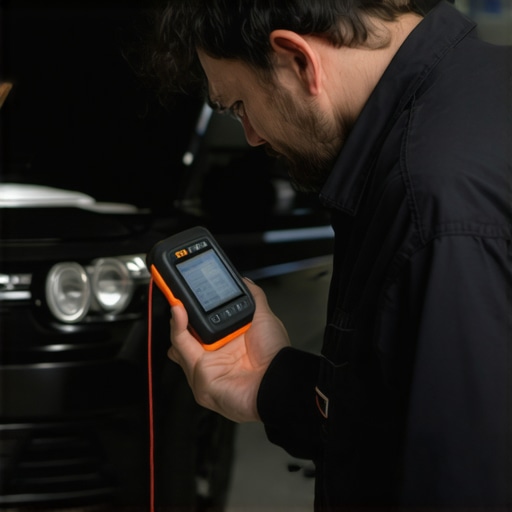
For those looking to take control, investing in a high-quality scan tool like the Autel Maxisys can transform your DIY capabilities, providing insights previously only accessible to professionals. This, combined with routine checks like inspecting transmission fluid condition and temperature, helps you catch issues early and extend your vehicle’s life. As technology advances, these tools will become even more integrated into personal maintenance routines, reducing reliance on costly repairs and increasing vehicle reliability.
What I Wish I Knew About Heat and Transmission Performance
One of the most eye-opening lessons I learned is that heat is not just an annoyance but a silent enemy of your transmission. Early on, I underestimated how quickly heat could degrade transmission fluid and cause slipping issues. It made me realize that paying close attention to fluid condition during hot weather can save you a lot of money and stress.
Misjudging Symptoms Can Lead to Costly Mistakes
I once thought a simple fluid top-up would fix my slipping problem, but it was just a band-aid on a deeper issue. Overlooking symptoms like burnt smell or dark fluid can mask underlying mechanical problems, leading to expensive repairs down the line. Now I know that proactive maintenance and accurate diagnostics are essential for longevity.
My Top Tools for Savvy Transmission Care
Investing in a reliable digital scan tool, like the Autel Maxisys, changed how I approach vehicle diagnostics. It allows me to read OEM codes and monitor real-time data, which is invaluable when troubleshooting heat-related issues. Additionally, a good infrared thermometer helps me spot overheating components early, preventing bigger problems. Remember, proper tools empower you to make informed decisions rather than guesswork.
You Can Take Control and Keep Your Transmission Healthy
The journey to a reliable transmission is ongoing, but the rewards are worth it. Regular fluid inspections, professional flushes, and understanding your vehicle’s unique needs will extend its life. Don’t wait for symptoms to become emergencies—be proactive, stay curious, and treat your vehicle with the care it deserves. Have you ever underestimated the impact of transmission heat? Share your story below and let’s learn together.