How to Diagnose a Bad Wheel Bearing Before It Becomes Dangerous
I remember the moment starkly: I was on my usual Sunday drive, the road clear, the radio humming softly, when suddenly, an unsettling humming noise started faintly from the front wheel area. At first, I brushed it off as just road noise or maybe some loose debris. But as minutes ticked by, that hum grew into a relentless drone, and a strange, uneven vibration crept into the steering wheel. My stomach sank. I realized I might be facing something serious—and I didn’t want to turn it into a roadside emergency.
That experience was a lightbulb moment for me. It highlighted how easily we might dismiss early warning signs of a failing wheel bearing, only to face the risk of dangerous breakdowns or accidents later. Diagnosing a bad wheel bearing before it becomes hazardous isn’t just about avoiding inconvenience; it’s about safety, saving money, and peace of mind.
Today, we’re going to tackle the essentials of how to identify the signs of a failing wheel bearing early on—so you don’t have to learn the hard way. This isn’t about waiting for a grinding noise or a major wobble to suddenly appear. Instead, I’ll share practical tips rooted in real-world experience to help you detect issues before they escalate.
Why Detecting a Bad Wheel Bearing Early Can Save Your Life
Your wheel bearing is a crucial component that allows your wheel to spin smoothly while supporting the weight of your vehicle. When it starts to fail, the consequences can be severe, including the risk of wheel separation or loss of steering control. Recognizing early symptoms can prevent these dangerous scenarios.
It’s also worth noting that many drivers underestimate the importance of routine checks. Early signs often manifest subtly—like a faint humming or slight steering resistance—that can be mistaken for minor issues. Ignoring these signals can lead to more costly repairs or, worse, accidents.
According to a safety report from the National Highway Traffic Safety Administration, approximately 20% of vehicle crashes involve mechanical failures that could have been prevented with timely maintenance. That’s a stark reminder of how critical it is to stay ahead of potential issues.
Have you ever experienced a strange noise or vibration while driving that you ignored, only to find out it was something serious later? If so, you’re not alone. Many car owners overlook early warning signs simply because they’re not sure what to look for or fear costly repairs.
In the following sections, I’ll guide you through the telltale signs of a failing wheel bearing and share tips to diagnose the problem safely and accurately. Getting familiar with these indicators can empower you to take action before it’s too late and ensure your vehicle remains safe on the road.
Begin With a Visual Inspection of Your Wheels and Suspension
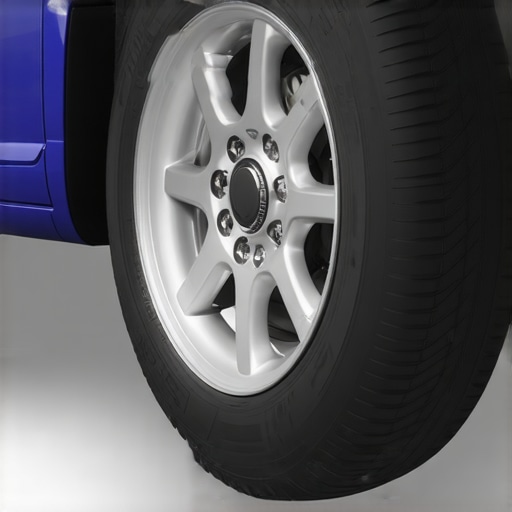
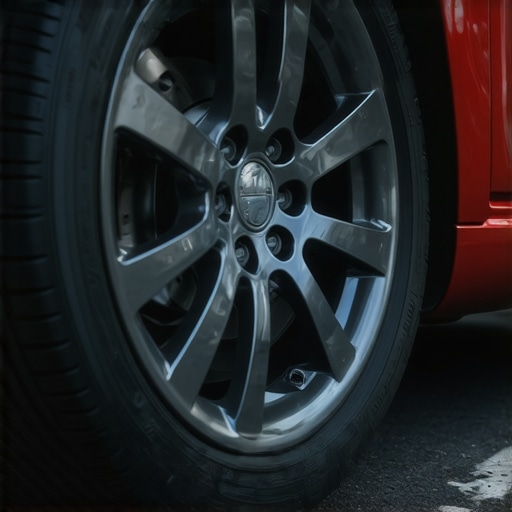
Start by parking your vehicle on a flat surface, engaging the parking brake, and jack-stands securely supporting the car. Examine the wheels for any obvious damage, cracks, or uneven tire wear, which can be early signs of bearing issues. Check the suspension components for looseness or damage, as these can mimic bearing problems. Remember, a damaged suspension impacts steering and ride quality just like a failing wheel bearing.
Listen for Early Noises During a Test Drive
Drive at low to moderate speeds and pay close attention to any humming or growling sounds emanating from the wheels. These sounds often intensify with speed. Make sharp turns and listen for noises that increase or decrease, indicating bearing play or damage. A quick test involves turning the steering wheel sharply left and right during slow driving; if the noise intensifies or you feel resistance, it indicates bearing wear. I experienced this firsthand when I noticed my steering feeling notchy after a highway drive—testing by turning sharply revealed the failing bearing that needed immediate replacement.
Perform a ‘Rocking’ Test for Play Detection
Safely lift the vehicle, support it with jack stands, and grip the wheel at the 12 and 6 o’clock positions. Try to rock the wheel back and forth with gentle pressure. If you notice any excessive movement or play, it confirms bearing wear. This method is similar to checking a door hinge for looseness—if there’s knock or wobble, it’s time for a closer look. I once found significant play in a wheel during this test, leading me to replace the bearing before it caused further damage or a roadside breakdown.
Assess Vibration and Steady Wobbling
During a test drive, feel for vibrations through the steering wheel or seat, especially at highway speeds. A subtle vibration that worsens with acceleration points to a bearing issue. Also, observe if the steering pulls or drifts without turning the wheel, signaling uneven bearing wear or imbalance. For example, I noticed my steering tugging slightly after a long highway trip, which prompted me to check the bearings—culprits often hide behind such symptoms. These vibrations resemble the wobbling of a shopping cart with a loose wheel—unsteady but not always immediately obvious.
Utilize a Probe to Detect Heating and Wear
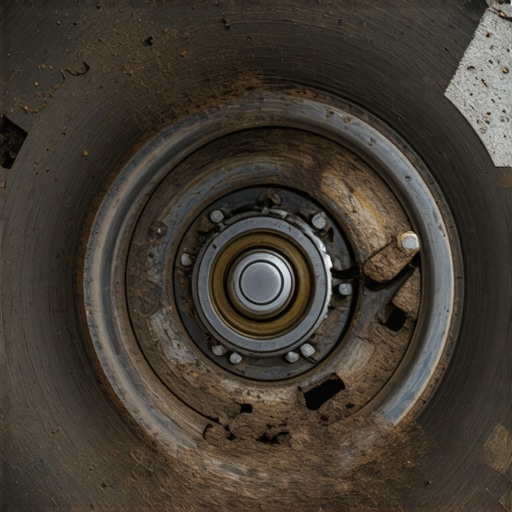
After driving, carefully touch the wheel hub area—be cautious of hot surfaces—to see if one side feels warmer than the others. Excess heat indicates friction from a worn bearing. Use a flashlight to inspect for grease leaks or metal debris around the hub, which are signs of deterioration. In my experience, noticeable warmth and leaking grease on one wheel were clear indicators to replace the bearing—avoiding a potentially dangerous roadside failure. Think of this step as checking a bicycle pedal for warping or grinding—if it’s hot or sticky, it needs attention.
In Case of Uncertainty, Consult a Professional
If your tests suggest a bearing problem but you’re unsure, or if you lack the tools, it’s wise to see a certified mechanic. They might use advanced techniques like bearing analyzers or road-force balancing, which surpass simple inspections. Sometimes, a professional’s eye can spot issues that mimic other problems, such as bad transmission behavior like [notchy gear shifts](https://autofixclinic.com/stop-ignoring-that-notchy-feeling-in-your-gearbox-after-highway-driving), so proper diagnosis is crucial.
Remember, early detection of wheel bearing issues not only saves repair costs but also ensures your safety on the road. Regular inspections, especially after long drives or off-road adventures, can prevent minor problems from escalating into catastrophic failures.
Many vehicle owners operate under the assumption that ASE certification guarantees flawless service or that standard oil changes are always routine. However, seasoned experts know there are hidden nuances that can make or break your car’s longevity and safety. Contrary to popular belief, ASE certification doesn’t necessarily mean the technician is adept at modern vehicle complexities, especially with the advent of hybrid and turbocharged engines. Studies reveal that even some ASE-certified mechanics may lack specialized training in certain high-tech systems, leading to overlooked issues during routine maintenance. Additionally, many assume that oil changes every 3,000 miles is a hard rule, but modern synthetic oils often last longer, provided the vehicle’s operating conditions are considered. Failing to adapt service intervals can result in unnecessary maintenance or, worse, engine damage.
What Advanced Indicators Do Experts Use to Detect Hidden Car Problems?
Pro preventive maintenance involves more than just visual inspections and listening for obvious noises. Technicians utilize diagnostic tools like OBD-II scanners, vibration analysis, and thermal imaging to uncover subtle signs of wear or impending failure, especially in critical components like the transmission or fuel injectors. For example, a slight delay in shift response or residual vibration might indicate transmission fluid degradation that’s invisible through standard checks. Relying solely on traditional methods can cause complacency, leading to more costly repairs later. Furthermore, some practitioners overlook the significance of revisiting and verifying service histories, which can expose patterns of neglect or recurring issues that demand a more nuanced approach. Engaging in advanced diagnostics and understanding the limitations of certifications allows you to select service providers that truly keep your vehicle in top shape. Think of it as going beyond the surface—to ensure every hidden risk is identified and addressed before turning into a major breakdown. Keep in mind that lifespan and performance depend heavily on recognizing these less obvious signs; a thorough understanding of the vehicle’s nuances really sets an expert apart from the average mechanic. Remember, proactive care today can prevent catastrophic failures tomorrow. Have you ever fallen into this trap? Let me know in the comments.
Keep It Running: Tools I Recommend for Car Maintenance
Maintaining your vehicle’s performance over time requires the right tools and a methodical approach. I personally rely on a combination of specialized diagnostic equipment and quality hand tools to ensure long-term reliability. An OBD-II scanner like the Autel MaxiAP series has become indispensable in my toolkit. It allows me to quickly read and clear diagnostic trouble codes, monitor live sensor data, and perform manufacturerspecific tests, ensuring I catch issues early—before they escalate into costly repairs. Regularly updating the device’s firmware ensures compatibility with new vehicle models, which is crucial as automotive technology evolves.
Pairing the scanner with a digital multimeter such as the Fluke 87V helps me verify sensors, check wiring integrity, and diagnose electrical issues related to oil pressure sensors or transmission control modules. For mechanical inspections, I use high-quality torque wrenches like the Stanley FatMax, which ensure fasteners are tightened to exact specifications—preventing future problems like oil leaks or transmission shuddering.
How do I maintain transmission health over time?
Consistent fluid checks and timely replacements are key to longevity. I recommend using a professional-grade transmission fluid that meets OEM specifications and performing a full transmission flush every 60,000 miles, especially for high-mileage vehicles. This prevents buildup of varnish and debris that cause shifts to become jerky or delayed. Incorporate a thermal imaging camera, like the FLIR E52, to spot overheating transmission components during regular check-ups. This proactive approach reduces wear and potential failures.
To make these routines more effective, I set reminders in my vehicle maintenance log and keep a detailed history of fluid changes, filter replacements, and diagnostics. Over time, this data helps identify patterns and predict upcoming issues, aligning with the trend toward predictive maintenance. As automotive technology continues to advance, tools that integrate machine learning and diagnostic analytics are opening new horizons for car care.
Incorporating Technology to Keep Your Car Dependable
Looking ahead, I believe that IoT-enabled sensors embedded in key drivetrain and engine components will become standard, providing real-time health reports accessible via smartphone apps. This shift will allow vehicle owners to perform maintenance based on accurate, up-to-the-minute data rather than simple mileage estimates, dramatically reducing unexpected breakdowns. For now, combining advanced diagnostic tools with routine inspections remains the best way to keep your vehicle running smoothly.
Try integrating a thermal imaging scan once a year to identify hidden heat issues—like overheating transfer cases or clogged radiators—that could compromise transmission health. These proactive steps, combined with reliable tools, can dramatically extend your car’s service life and safety. Remember, regular maintenance isn’t just about uptime; it’s about ensuring your vehicle remains a trusted companion on every journey.
One insight I wish I had grasped sooner is how much prevention relies on subtle cues that often go unnoticed; small vibrations or slight steering Resistance can indicate more than just normal wear—they’re early warnings that, if addressed promptly, can save you costly repairs and, more importantly, keep you safe on the road. Another lesson is the importance of trusting (but verifying) diagnostic tools; relying solely on visual cues or assumptions can lead to misdiagnoses, so I always advocate for combining traditional inspections with technology like thermal imaging or OBD-II scans for comprehensive diagnostics. Lastly, experience has taught me that patience matters—rushing into a replacement without thorough testing might fix one problem but create another; taking the time to understand each symptom deeply leads to smarter repairs and longer vehicle life.