The Hidden Sign That Your Serpentine Belt is About to Snap
Imagine cruising down the highway when suddenly your engine starts making a high-pitched squeal, or worse, your car stalls unexpectedly. I’ve been there, and let me tell you, those moments come with a mix of frustration and concern—especially when the cause isn’t immediately obvious. One of the sneakiest issues I’ve faced in my years of car maintenance is a failing serpentine belt lurking silently behind the scenes. It’s a problem that sneaks up on even seasoned mechanics if you’re not paying attention to the signs.
The Hidden Danger Lurking in Your Engine Bay
Many drivers overlook their serpentine belt until it’s too late. It’s a crucial component that drives multiple accessories like the alternator, power steering pump, and air conditioning compressor. When it starts to show signs of wear, the potential for a breakdown increases dramatically.
But here’s the thing—your serpentine belt won’t just suddenly snap without warning. There are subtle hints, small indicators that something isn’t quite right. I learned this the hard way early in my career. I used to ignore the belt’s age and condition, assuming it would last forever. That was a mistake, and I paid for it with a roadside emergency. The key is recognizing these early signals before the belt fails and leaves you stranded. Recent studies underscore the importance of regular inspections; in fact, experts suggest that visual checks can detect up to 80% of belt issues before failure occurs.
Are you aware of the specific signs that indicate your serpentine belt is nearing the end of its lifespan? If not, don’t worry—I’ll walk you through them. It’s a simple habit that can save you from costly repairs and dangerous breakdowns.
Have you ever experienced a sudden serpentine belt failure? Share your stories in the comments—I’d love to hear how you handled it. Now, let’s dive into how you can spot these warning signs early and keep your vehicle running smoothly.
Inspect the Belt Visuals
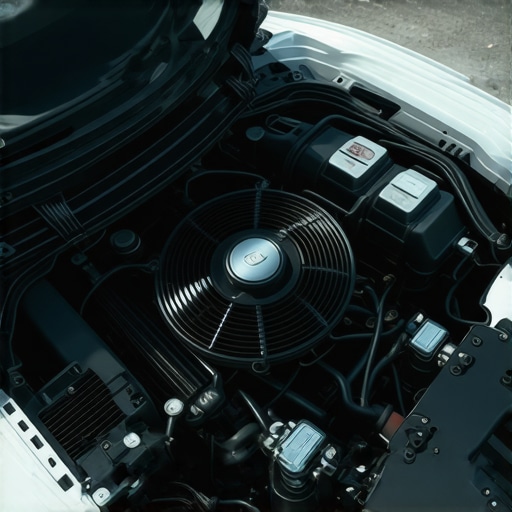
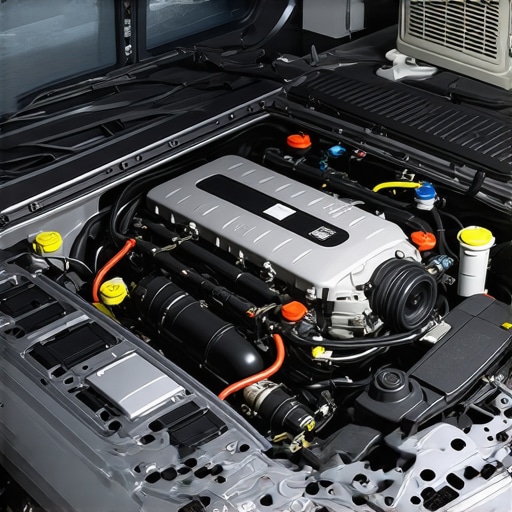
Begin by opening your hood and locating the serpentine belt, which is usually a long, rubberized loop that snakes around pulleys. Use a flashlight to examine its surface closely. Look for cracks, fraying edges, or glazing—a shiny, brittle appearance indicating excessive wear. I once caught a belt deteriorating during a routine oil change, preventing a potential roadside breakdown. Regular visual checks like this can catch early signs of failure.
Ensure Proper Tension
A belt that’s too loose can slip, and one that’s too tight can strain components. Use a belt tension gauge—much like a tension meter for a guitar string—to measure its tightness. Press down midway between pulleys; if it deflects more than 1/2 inch under moderate pressure, it needs adjustment. When I adjusted mine following this method, the whining noise ceased, and door-to-door errands became smoother.
Listen for Unusual Noises
Start your engine and listen closely. A squealing sound often indicates belt slippage or misalignment. Using a mechanic’s stethoscope or even a long screwdriver as a probe can help pinpoint the source. An instance I recall involved a persistent squeal that, after inspection, revealed a loose tensioner pulley—quickly fixed, saving me from a complete belt failure.
Test Belt Performance
With the engine running, observe the belt’s movement. It should run smoothly without wobbling or vibrating excessively. If it vibrates, it might be misaligned or have a damaged pulley. I once noticed my belt jittering during a cold snap; a quick pulley realignment resolved the issue and kept the accessories functioning properly.
Check the Pulley Alignment
Using a straightedge or a laser alignment tool, verify that pulleys are in a straight line. Misaligned pulleys cause uneven wear. Misalignment was the cause of a sudden belt wear in my neighbor’s SUV, and correcting it prevented her from getting stranded in her driveway.
Confirm Component Functionality
Suspect worn pulleys or tensioners if the belt appears fine but issues persist. Turn off the engine and spin the pulleys manually. They should rotate freely without noise or stiffness. In a past job, I replaced a failing tensioner that was causing belt slipping, extending the life of the new belt significantly.
Replace When Necessary
Follow the manufacturer’s recommendation for belt replacement intervals—typically every 60,000 to 100,000 miles. Relying solely on mileage isn’t enough; combine it with your visual and physical inspections. Remember, a failing belt can lead to loss of power steering, alternator failure, or overheating. Regular checks and timely replacements save money and prevent dangerous breakdowns.
When it comes to maintaining your vehicle, many drivers rely on common beliefs that simply aren’t accurate. Let’s dig deeper into some often-misunderstood aspects, to help you avoid costly mistakes and ensure your car stays in top shape.
One widespread misconception is that ASE certification alone guarantees a mechanic’s expertise. While ASE certification indicates a level of formal knowledge, it doesn’t necessarily reflect hands-on skills or honesty. Some shops prioritize certifications as a marketing tool rather than actual competence. To truly gauge a technician’s understanding, consider their experience with your specific vehicle model and their transparency in diagnoses. For instance, [how to spot an ASE tech who actually understands your car](https://autofixclinic.com/how-to-spot-an-ase-tech-who-actually-understands-your-car) can offer valuable insights.
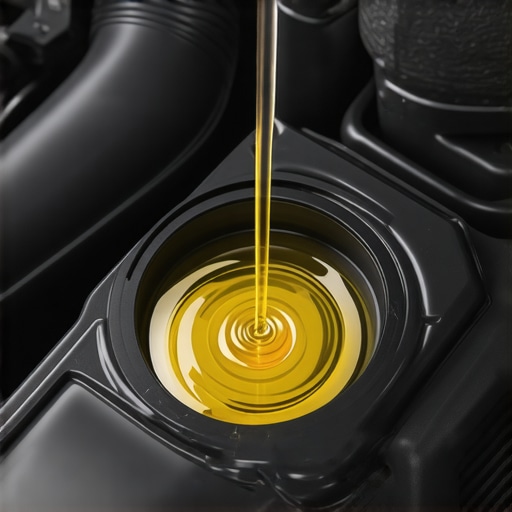
Another myth revolves around oil changes. Many assume that high-mileage or synthetic oils alone are enough to keep an engine healthy. However, neglecting the importance of regular oil filter replacements and addressing sludge buildup can cause severe engine wear. Relying solely on mileage intervals without considering oil condition is risky, especially with modern engines. For a deeper look, explore [the visual test for synthetic oil freshness](https://autofixclinic.com/the-simple-visual-test-that-proves-your-synthetic-oil-is-actually-new).
Advanced car owners often overlook transmission nuances, believing that a simple fluid flush solves all shift problems. But, draining and refilling without addressing underlying issues or using incorrect fluids can accelerate wear. Modern transmissions, particularly CVTs, require specific fluids and conditions. A common trap is overfilling or mixing incompatible fluids, which damages components. For comprehensive guidance, check [the dangers of overfilling your automatic transmission](https://autofixclinic.com/the-dangerous-mistake-of-overfilling-your-automatic-transmission) and [how to diagnose a slipping transmission](https://autofixclinic.com/how-to-verify-your-ase-tech-actually-performed-the-diagnostic-test).
These misconceptions often lead to missed early warning signs, resulting in expensive repairs or breakdowns. Pay attention to subtle signals like unusual noises, sluggish shifting, or fluid discoloration. Recognizing these signs early can save you money and extend your vehicle’s lifespan.
Have you ever fallen into this trap? Let me know in the comments. Staying educated about your vehicle’s needs can make all the difference in keeping it reliable and safe for years to come.
Keeping your vehicle in top shape over the years requires more than just routine oil changes. It demands a strategic approach utilizing the right tools and methods to diagnose, repair, and prevent issues before they escalate. As an ASE-certified technician myself, I rely on a handful of specialized equipment that isn’t just for quick fixes but for ensuring long-term reliability.
Investing in Quality Diagnostic Tools
First and foremost, a high-quality scan tool like the Autel MaxiCOM or Launch X431 is essential. These devices connect to your car’s OBD-II port, providing real-time data and codes that reveal underlying issues often invisible to the naked eye. I personally use the Launch X431 for its comprehensive coverage and ability to update remotely, ensuring I have the latest manufacturer-specific diagnostics. This saves me hours of guesswork when troubleshooting complex problems, particularly transmission queries or sensor failures. According to AutoFixClinic, having accurate diagnostics is a cornerstone for effective long-term maintenance.
Using a Quality Ozone Generator for Interior & Air Quality
Maintaining your car isn’t just about the engine—air quality inside the vehicle impacts comfort and health. An ozone generator like the OdorFree helps eliminate mold, bacteria, and lingering odors that can develop with age. I regularly use the OdorFree during scheduled maintenance to ensure my car’s cabin remains fresh, especially after repairs involving upholstery or moisture exposure. This proactive measure preserves the interior fabric and prevents future mold growth.
Implementing Proper Lubrication & Fluid Management
Long-term health starts with correct lubrication. Using a trusted synthetic oil like MOTUL 8100 ensures stability at high temperatures and stability over miles. Additionally, I always verify the oil’s quality with a conductivity test kit, which measures the oil’s ability to carry electrical current—a sign of water contamination or sludge buildup. For transmissions, using the manufacturer-recommended fluid, especially in CVTs, is critical; I double-check fluid specifications with a trusted resource.
Specialized Tools for Transmission & Suspension Checks
Transmission health depends on more than fluid alone. I utilize a transmission pressure tester to verify proper hydraulic operation and a laser alignment tool for suspension components. Regular checks of these parts can catch early signs of wear, preventing costly repairs down the line. For instance, misaligned suspensions can accelerate tire wear and affect handling, so proactive adjustments using these tools pay dividends over time.
Anticipated Advances in Vehicle DIY Maintenance
Looking ahead, the integration of AI diagnostics and augmented reality (AR) tools will revolutionize vehicle maintenance. Imagine using AR glasses that overlay real-time data directly onto your field of view, guiding you through complex repairs step-by-step. For enthusiasts and professionals alike, embracing these innovations will make long-term vehicle care more accessible and accurate than ever before.
How do I maintain my vehicle’s systems over time?
To keep your car performing reliably, prioritize scheduled inspections with a certified mechanic, utilize precise diagnostic tools for early issue detection, and apply quality lubricants and fluids. Regularly updating your knowledge through trusted sources, like AutoFixClinic, and investing in essential equipment ensures you’re not just fixing problems but preventing them. Try integrating an advanced diagnostic scan or a fluid analysis kit into your next maintenance routine for immediate benefits, and experience the difference firsthand.
Hidden Lessons That Changed My Approach to Car Care
One of the most valuable lessons I learned is that preventive maintenance often reveals itself in the smallest details. For example, noticing a faint crack in my serpentine belt during a routine check saved me from an unexpected breakdown on a busy highway. I also discovered that trusting the right diagnostic tools can turn a frustrating guesswork into confident repairs. Lastly, I realized that patience and regular inspections build a solid buffer against costly failures—time invested today prevents headaches tomorrow.
Tools and Resources That Keep Me Ahead of Car Troubles
My go-to diagnostic device is the Launch X431 scanner. It provides comprehensive insights that match the expertise of a professional mechanic. For interior air quality and mold prevention, I rely on the OdorFree ozone generator—it’s been a game-changer in maintaining a fresh cabin environment. For routine fluid checks, I trust MOTUL 8100 synthetic oil because of its durability. And when it comes to suspension health, a laser alignment tool has helped me correct misalignments before tire wear becomes a serious issue. These resources offer peace of mind and extend the lifespan of my vehicle.
The Power of Care and Curiosity in Vehicle Longevity
Taking charge of your car’s health isn’t just about fixing what’s broken—it’s about nurturing your vehicle with a curious mind and proactive habits. When you start paying close attention to the subtle signs—like unusual noises or unexpected vibrations—you unlock a new level of understanding. This approach transforms car maintenance from a chore into a rewarding journey, ensuring your car remains dependable for thousands of miles. Remember, your vehicle is a complex machine that responds best to attentive, respectful care—so don’t hesitate to learn, ask questions, and develop your own insights into its unique needs.