Why Your Car Feels Heavy and Sluggish After an Oil Change
It was a perfect Saturday afternoon when I rolled into the local shop for what I thought would be a quick oil change. The engine hummed smoothly during the drive, but as soon as I hit the road afterward, something felt off. My car was heavier, sluggish, almost like I was dragging an unseen weight behind me. I’d just had the oil replaced, so why did it suddenly feel like I was steering a tank instead of my reliable ride? That realization hit me hard—literally and figuratively. And if you’ve ever experienced the same frustrating sensation, you’re not alone.
The Unexpected Weight That Comes After an Oil Change
Is Your Car Actually Turning Into a Tank?
One of the most common questions I hear from fellow drivers is whether a new oil change can really make that much difference in how the car feels. The answer is yes—and no. The habits of your mechanic, the type of oil used, and even minor overlooked issues can turn what should be a seamless service into a source of new problems. I remember my early mistakes, like not checking if the oil filter was properly replaced or if the oil was of the right grade. These small slip-ups can lead to a surprisingly heavy and unresponsive ride. For more insights on how wrong oil choices can affect your vehicle, check out this article.
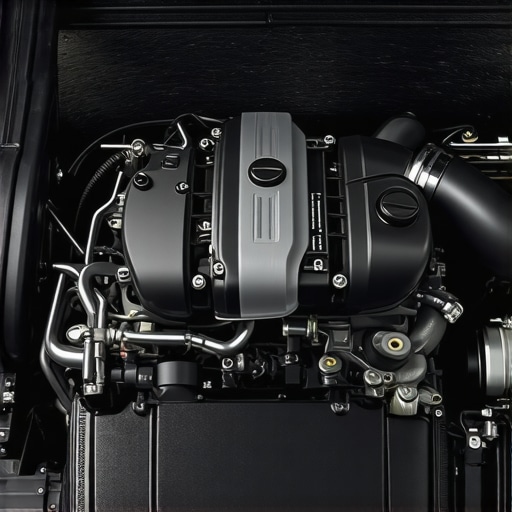
So, why does your car feel heavier after an oil change? Sometimes, it’s as simple as using the wrong type of oil that doesn’t flow properly through the engine’s tight spaces. Other times, the issue can stem from a clogged oil filter or residual debris left from previous service. And then there’s the possibility that the mechanic didn’t reset the engine’s computer, leading to inaccurate readings that simulate heavier operation. The key is understanding exactly what’s happening under the hood, which is vital for diagnosing and fixing the problem without needless worry or expense.
What We’ll Cover Today
In this post, I’ll walk you through the common reasons why your vehicle might feel sluggish and heavy after a simple oil change. We’ll explore practical steps to diagnose the root cause, how to communicate effectively with your mechanic, and when it might be time to seek a second opinion from an ASE-certified technician. By the end of this guide, you’ll know exactly what to check and how to restore your car’s smooth, lively feel—so you can hit the road with confidence once again.
.
Check the Oil Type and Compatibility
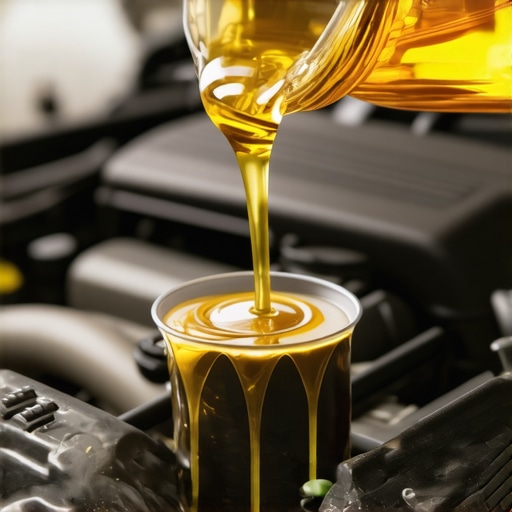
Start by confirming you have the correct oil for your vehicle—using the recommended grade and viscosity. Recall a time when I mistakenly used a thicker oil in summer, which caused sluggishness. To verify the oil’s condition, perform the simple visual test at this link. If the oil looks dirty or sludge-like, a change is needed.
Inspect the Oil Filter and Proper Installation
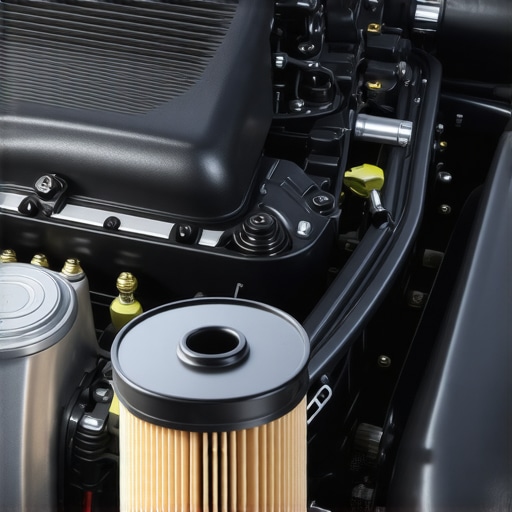
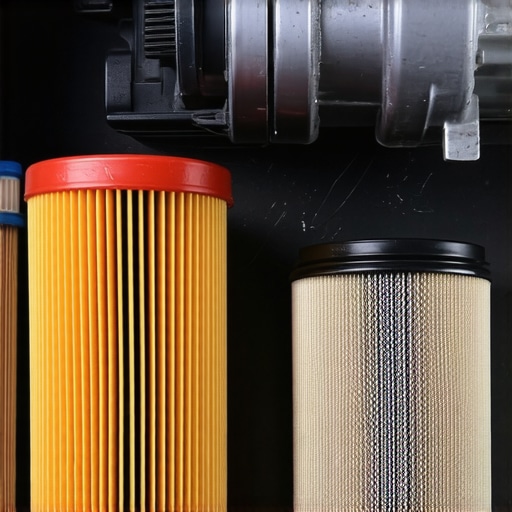
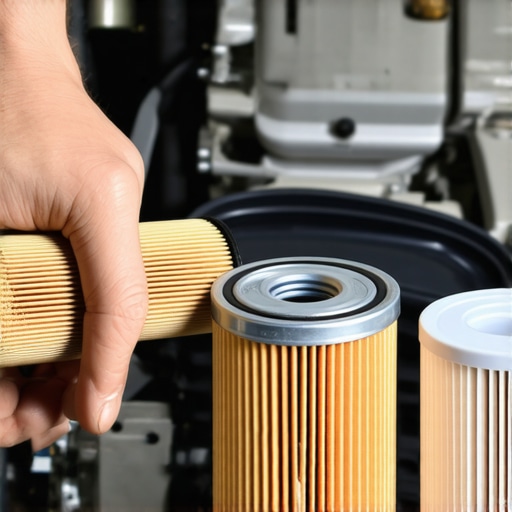
Next, examine whether the oil filter was properly replaced. A clogged filter can restrict flow, making your engine feel heavier. Remove the filter and compare it against a new one; if it’s clogged or damaged, replace it. Review this guide for detailed steps. Remember, a worn or faulty filter is a common culprit behind sluggishness post-service.
Reset the Engine Control Unit (ECU)
Often overlooked, failing to reset the ECU can lead to faulty sensor readings, mimicking heavy operation. Use an OBD-II scanner to reset it or disconnect the battery for about 10 minutes—then reconnect and start your vehicle. I’ve done this myself after a mistake in calibration; the car regained its responsiveness and weight disappeared.
Assess for Residual Debris and Sludge
Residual sludge from previous oil changes or infrequent servicing can cause flow restrictions. Perform a DIY engine flush or, better yet, have a professional do it. Check for dark, gritty oil during the filter removal—if present, a full flush might be necessary. This step often reveals why the engine feels encumbered, akin to trying to walk through molasses.
Evaluate Transmission and Drivetrain Components
Remember, heavy feels aren’t always engine-related. Shifts or clutch issues in manuals, or problems with transmission fluid, can simulate this sensation. Consider inspecting the transmission fluid level and quality—contaminants or low levels diminish responsiveness. Useful information is available at this resource for transmission health checks.
Consult a Certified Technician for Precise Diagnosis
If all else checks out but the problem persists, seek a qualified ASE-certified mechanic. They can run advanced diagnostics to identify subtle issues like sensor faults or internal engine problems. Remember, their expertise is like having a seasoned navigator during a complex repair voyage, saving you time and potential costs.
Many drivers believe that as long as their transmission shifts smoothly, everything is perfectly fine. However, this oversimplification hides critical nuances that can lead to costly mistakes. For example, a common misconception is that all transmission fluids are created equal. In reality, using the wrong type of fluid—especially mixing incompatible brands—can cause shuddering or hesitation, particularly in modern CVT and dual-clutch transmissions. Studies, such as those highlighted in automotive research literature, demonstrate that transmission fluid degradation begins well before visible symptoms appear, emphasizing the importance of adhering to manufacturer specifications.
Another widespread myth is that “lifetime” transmission fluid never needs changing. Experts, including ASE-certified technicians, warn that such claims are misleading. The truth is, all transmission fluids degrade over time due to heat and contaminants, and neglecting regular service can result in premature transmission failure. Many assume that a car’s service history is sufficient; however, without verifying whether the proper procedures, like complete fluid replacement and drain-and-fill techniques, are followed, drivers risk internal damage.
Is a quick oil change enough to keep my transmission healthy?
Blood tests and fluid analyses show that even careful oil changes might miss subtle issues like sludge buildup or small metal particles. These can erode transmission components gradually. Relying solely on visual inspection is risky—professional tests reveal the true condition of your transmission fluid. Furthermore, many assume that all ASE-certified mechanics operate at the same level of expertise. Yet, some shops cut corners by skipping essential steps, such as inspecting for debris or resetting the transmission control module correctly. Reading reviews and asking detailed questions before service can save you from these pitfalls. For more on how to ensure your mechanic truly knows your car, see this guide.
Be wary of the trap where owners think that only major driving faults lead to transmission issues. Even light, consistent driving habits—like quick acceleration and abrupt stops—wear down components subtly. Advanced diagnostics can reveal these issues earlier than traditional checks, so consider periodic transmission fluid testing, especially if your vehicle is high-mileage or subjected to heavy use. Remember, proactive maintenance often costs less than emergency repairs. Don’t fall for the myth that transmission problems are always unavoidable. Regularly scheduled service, combined with professional diagnostics, keeps your transmission reliable for years. If you want to understand more about transmission care or spotting signs of trouble early, check out this article.
Investing in the Right Equipment Pays Off
Reliability in car maintenance hinges on having the proper tools. I always recommend maintaining a quality OBD-II scanner like the BlueDriver because it quickly pinpoints sensor faults and transmission issues, saving you diagnostic time. Additionally, a digital multimeter is invaluable for checking sensor voltages and battery health with precision, especially when diagnosing stubborn starting problems or electrical anomalies. For oil changes, a full synthetic oil tester helps monitor oil condition over time, helping predict when a change is really needed rather than relying solely on mileage.
Using a proper torque wrench ensures that fasteners, especially those on transmission components or wheel hubs, are tightened to manufacturer specifications, preventing over-tightening or leaks. For fluid changes, a quality fluid pump facilitates complete transmission fluid exchange, which is critical for longevity, especially in high-mileage vehicles. Incorporate these tools into your garage setup, and you’ll deepen your understanding and control over your vehicle’s health.
Software and Methods That Make a Difference
Modern cars are wired with dozens of sensors; thus, specialized diagnostic software like OEM-specific scan tools tailored to your vehicle model can provide deeper insights than generic scanners. I often use factory software to clear transmission fault codes and perform adaptations—crucial steps for maintaining transmission smoothness and avoiding hesitations or shudders. Learning to perform ECU resets after maintenance appointments helps reset learned parameters, ensuring your vehicle operates optimally.
Moreover, regularly updating your diagnostic software ensures compatibility with the latest vehicle firmware, which is increasingly important as automated transmission controls become more complex. Investing in this technology aids in early problem detection and can extend your vehicle’s service life.
How do I maintain transmission health over time?
Routine inspection and timely fluid changes are paramount. For example, many drivers overlook transmission fluid’s subtle decline until symptoms become evident—like shuddering or delayed gear engagement. Using standardized methods such as a proper flush vs. drain-and-fill, and adhering to manufacturer-recommended intervals, protects your gearbox. Additionally, installing a transmission fluid analysis kit can indicate early signs of degradation, enabling preventative maintenance. As this field evolves, future innovations may include sensor-based real-time transmission health monitors that notify you before issues escalate, a trend I anticipate becoming standard in high-end vehicles.
Keep tabs on your transmission with advanced diagnostics
Practicing proactive maintenance, like using a transmission shudder test, can save you from costly repairs. It’s worth investing time to learn these methods or consult professionals who utilize these precise tools. For instance, a scheduled transmission fluid analysis can detect early metal wear particles, ensuring you don’t face surprises on the road. Don’t wait until symptoms become severe—try implementing regular fluid checks today, and consider upgrading to a diagnostic scanner that offers factory-level data access for the best long-term results.
Lessons That Never Made the Brochure
- One of the biggest surprises I learned was how a simple oil change can unexpectedly weigh down your engine — I realized the importance of using the correct oil grade, as cheap substitutes can brick your responsiveness, which is a trap many fall into. Learn more about synthetic oil pitfalls.
- Overlooking the oil filter’s condition can turn a quick fix into a sluggish nightmare — I found that a clogged filter mimics engine weight, leading me to always check for proper installation and wear. See how to spot a top ASE tech.
- Neglected ECU resets after servicing can cause your car to interpret data wrong — my lightbulb moment was realizing that a simple reset restores quick responsiveness. Verify your mechanic’s ASE credentials here.
- Residual debris and sludge can silently sabotage your engine’s flow — I learned that regular engine flushes can prevent accumulated grime from turning into major headaches. Discover hidden sludge issues.
Tools That Elevate Your Car Care Game
- A quality OBD-II scanner like BlueDriver is invaluable for catching transmission hiccups early — I trust it because it saves time and money.
- My digital oil tester helps me decide if my oil is still good, avoiding unnecessary changes and ensuring a light engine feel.
- Using a torque wrench when tightening transmission components is a game-changer — it prevents over-tightening that can cause unseen damage, a mistake I’ve made myself.
The Heartfelt Push to Act
Your transmission and engine are more intertwined than you think. With the right knowledge and tools, you can avoid costly breakdowns and enjoy that effortless, responsive ride you deserve. Now is the time to start inspecting, resetting, and maintaining. Your car’s lighter, livelier performance can be just a few steps away—don’t wait for the next heavy feeling or warning light to remind you. Keep your vehicle in prime condition, and you’ll thank yourself on every drive.