The Difference Between a Transmission Flush and a Drain-and-Fill
It happened suddenly one morning as I pulled out of my driveway—my car shuddered and hesitated just enough to make me question everything. As a car enthusiast with ASE certification, I thought I was doing everything right, sticking to regular maintenance schedules. But that unsettling feeling when your transmission acts up out of nowhere? That’s a serious wake-up call. I remember the lightbulb moment: understanding the differences between a transmission flush and a drain-and-fill isn’t just technical trivia—it’s crucial for any car owner wanting to keep their vehicle running smoothly.
Why Proper Transmission Maintenance Matters More Than You Think
Transmission health often gets pushed aside in routine car care. Sure, oil changes are familiar territory, but when it comes to transmissions, many folks, including myself in the early days, make mistakes that could cost hundreds of dollars later. The real kicker? A simple service mistake—like choosing the wrong type of fluid or misinterpreting what your vehicle needs—can lead to poor shifting, increased wear, or even a complete transmission failure. Knowing whether a full flush or a drain-and-fill suits your vehicle can extend its lifespan and save you money.
Is the Myth of Transmission Flush Worth the Hype?
I’ll admit, I once thought all transmission services were pretty much the same. That was my first mistake. Early on, I believed a flush was the best way to clean out old fluid and contaminants, but I didn’t realize that, depending on your car’s make and model, this might actually do more harm than good. In fact, some experienced ASE technicians warn that flushing could dislodge debris, clog screens, or damage seals if not done correctly. I learned this the hard way—and I bet you’ve probably heard stories of someone replacing a transmission after a flush gone wrong. The truth is, understanding the difference can make a significant impact on your vehicle’s health.
What I want to do next is help you decode these common services, so you can ask your mechanic the right questions and avoid costly surprises. But first, let’s touch on the biggest concern many car owners have about transmission maintenance—whether they’re actually doing the right thing for their vehicle.
Drain and Fill the Transmission Fluid Properly
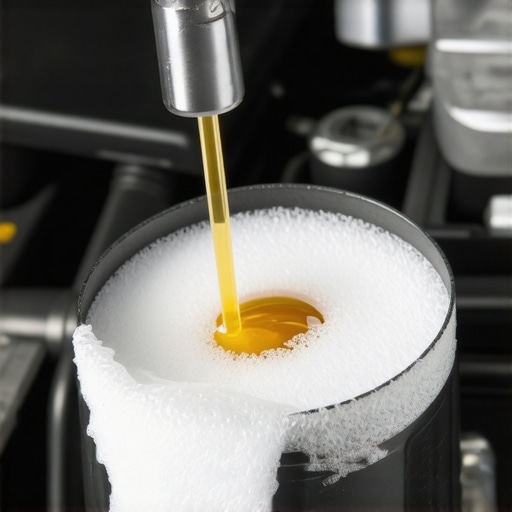
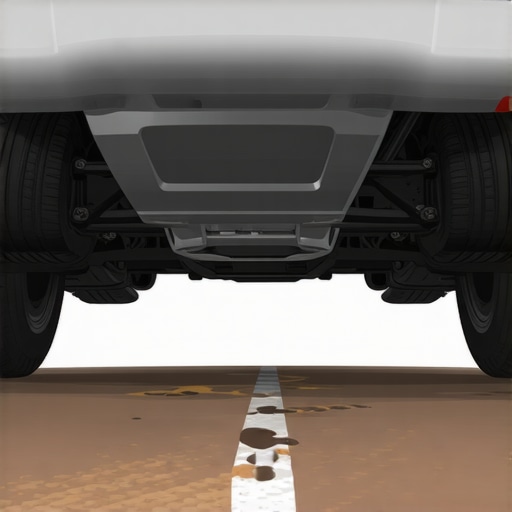
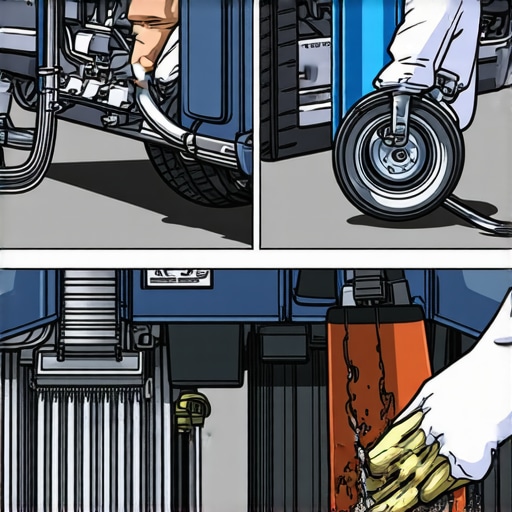
Start by ensuring your vehicle is on a level surface and the engine is warm but turned off. Locate the transmission drain plug—consult your vehicle’s manual if needed. Wearing gloves, place a drain pan beneath the plug, then carefully loosen it using a socket wrench. Expect old fluid to spill out; let it drain completely. Once empty, replace the drain plug securely. Then, locate the fill port—often accessible via a dipstick or a dedicated bolt—and use a funnel to refill with manufacturer-recommended transmission fluid, matching the fluid level to the specified mark. This process is straightforward and cost-effective, but remember to verify your vehicle’s requirements; using the wrong type can cause more harm than good. For detailed instructions tailored to your model, check out this guide.
Performing a Transmission Flush Safely
A transmission flush is a more comprehensive service, replacing nearly all fluid in the system. To do this safely, you need a professional-grade machine that connects to your vehicle’s transmission lines. I once attempted this at home with a generic flush kit and ended up dislodging debris that clogged filters, causing shifting issues—lesson learned. If you’re not trained, it’s best to leave this to ASE-certified technicians who use specialized equipment, like the ones discussed here. Before scheduling a flush, ask your mechanic whether your vehicle benefits from it or if a drain and fill suffices; unnecessary flushing can sometimes accelerate wear if done improperly.
Identify When Service Is Necessary
Pay attention to warning signs such as delayed engagement, slipping gears, or unusual noises. I noticed my transmission whine only after warm-up, prompting me to verify if my fluid levels were adequate; turns out, I needed a top-up. Regular inspections and fluid testing can prevent major failures. Using standardized tests, mechanics assess fluid color, texture, and smell—dark, burnt-smelling fluid indicates contamination needing replacement. Remember, diagnostic tools can also detect internal issues early, saving costly repairs. For a comprehensive check, visit this page for a detailed diagnostic process.
Choosing the Right Service for Your Vehicle
Every car model reacts differently to maintenance procedures. Some manufacturers prefer drain and fill due to their transmission design, while others recommend fluid exchange. As an ASE-certified professional, I always recommend consulting your owner’s manual and discussing options with a qualified mechanic—don’t just rely on generic advice. In my experience, investing in proper service, even if it costs a bit more, pays off through increased longevity and smoother operation. If you’re unsure about certification standards, learn how to spot a genuine ASE certification here. This knowledge empowers you to select technicians who truly know their craft, ensuring your transmission gets the attention it needs.
Wrapping Up Core Practices
Consistently checking transmission fluid levels, understanding the differences between a drain and fill versus a flush, and recognizing early warning signs are key steps in maintaining transmission health. My personal experience taught me that rushing or skipping these steps often leads to costly repairs. Equip yourself with knowledge, utilize trusted services, and stay proactive—your car’s transmission will thank you for it. For more tips on avoiding common mistakes, see this article.
Many car owners think they know everything about routine maintenance, but the truth is, there are subtle details that can make or break your vehicle’s performance. For instance, a common misconception is that all oil changes are created equal—yet, the type of oil, filter quality, and service method can drastically influence engine longevity. Many mistakenly believe that a quick, cheap oil change at a discount shop suffices, but often, these providers skip crucial steps like verifying proper oil filter replacement, which can lead to sludge buildup and premature engine wear.
Is Your Automotive Certification as Reliable as You Think?
While many rely on ASE certification as a hallmark of quality, not all certifications are equal. Some mechanics might display the badge, but actual expertise varies. Do you know how to verify an ASE certificate online or spot a genuine patch? [Learn how](https://autofixclinic.com/how-to-verify-an-ase-certification-number-online) to avoid the anecdotal stories of mechanics cutting corners or using low-quality parts. Relying solely on credentials without understanding their implications can lead to overconfidence and overlooked risks.
An advanced mistake many make concerns transmission service choices. A full flush might seem like the best maintenance protocol, but in some cases, it can dislodge debris and cause more harm than good, especially if performed improperly. It’s a trap that even seasoned technicians can fall into—deciding on service types based on generic advice rather than vehicle-specific needs. For example, [this article](https://autofixclinic.com/why-your-tech-hates-those-10-minute-oil-change-shops) discusses how improper procedures can accelerate wear and future failures.
The crux of the issue often boils down to understanding your car’s unique needs. Some vehicles benefit from drain-and-fill methods; others require a transmission fluid exchange—yet many owners or even mechanics choose the wrong one, risking damage that could have been prevented. It’s vital to recognize that newer synthetic oils, while superior in many ways, can also fail prematurely if a compatible filter isn’t used, as detailed [here](https://autofixclinic.com/why-your-2026-gdi-engine-carbon-clogs-faster-than-you-think).
Beyond the technical aspects, note that neglecting warning signs like slipping gears or whines after warm-up could indicate issues that proper service might address early. Regularly testing and inspecting fluid conditions, and knowing when to escalate to a thorough diagnostic, can save thousands. And remember, selecting a qualified, ASE-certified technician—verified [here](https://autofixclinic.com/how-to-spot-a-failing-alternator-before-your-battery-dies)—ensures that your vehicle is in capable hands.
Make sure your car doesn’t fall into these common pitfalls. Stay proactive, ask the right questions, and never assume standard practices are sufficient. Have you ever fallen into this trap? Let me know in the comments.Maintaining your vehicle’s transmission and ensuring long-term reliability calls for the right tools and software. As an ASE-certified technician myself, I rely on a combination of professional diagnostic equipment and trusted lubricants to keep cars running smoothly. One indispensable tool is a high-quality scan tool like the Autel MaxiCOM series, which allows me to access and clear transmission codes, monitor live sensor data, and perform adaptations with precision. This level of diagnostic insight helps me identify issues early, saving time and money. Additionally, I invest in a professional-grade transmission fluid exchange machine, which ensures a thorough flush without dislodging debris that can clog filters—an issue I encountered firsthand when attempting a DIY flush. For software, I recommend using manufacturer-specific diagnostic programs, such as Ford IDS or Subaru Select Monitor, tailored to the vehicle, which provide deeper access to transmission control modules and calibration updates. These tools empower me to perform service procedures accurately and efficiently, extending the life of the transmission. Looking ahead, the trend is shifting toward more integrated diagnostic platforms with AI capabilities that can predict failures before they happen, making maintenance proactive rather than reactive. To maintain your transmission over time, I suggest establishing a routine schedule of fluid testing—checking color, texture, and contaminants—and keeping detailed service logs. Regularly inspecting transmission fluid with a simple visual exam, like monitoring for metal flakes that signal internal wear, is crucial. For example, learning how to spot a failing alternator before it leaves you stranded can be as straightforward as using a multimeter with a Bluetooth connection to your smartphone, which I personally use for quick diagnostics. If you want to get more advanced, try implementing a proactive diagnostic approach using these tools routinely—it’s a game changer for long-term vehicle health. Remember, selecting certified technicians who possess proper equipment is essential; verify ASE credentials online to ensure your vehicle is serviced by professionals who understand the nuances of transmission care. For detailed testing procedures, check out this guide on the 4 fixes for a 2026 transmission that hesitates on hills. Consistency in maintenance, combined with the right tools, will keep your vehicle’s transmission smooth and reliable for years to come. Don’t hesitate—invest in a quality diagnostic scanner and start tracking your transmission’s health today.
Beyond the Manuals: Hard-Earned Lessons About Transmission TLC
– I realized that not all transmission flushes are suitable for every vehicle; blindly trusting a service without understanding my car’s specific needs nearly led to costly repairs. It’s crucial to have a conversation with your mechanic about what’s best for your ride.
– I’ve learned that a quick drain-and-fill can sometimes suffice, but in certain cases, a full transmission fluid exchange with the right equipment is necessary to keep the system clean and healthy.
– The importance of recognizing early warning signs, like slipping gears or delayed engagement, cannot be overstated. Addressing these promptly often means the difference between a minor fix and a full rebuild.
– Even as a seasoned ASE-certified technician, I found that staying informed about the latest service techniques and manufacturer recommendations helps prevent missteps, especially when new models come with unique transmission systems.
My Essential Tools for Transmission Success
- High-Quality Diagnostic Scanners: Devices like the Autel MaxiCOM provide detailed insights into transmission performance and help catch issues early.
- Specialized Transmission Fluid Exchange Equipment: Investing in professional-grade tools ensures thorough service without risking debris dislodgement, which I previously experienced with DIY kits.
- Manufacturer-Specific Service Manuals and Software: Access to precise repair procedures tailored to your vehicle keeps me confident that I’m doing it right.
- Reliable Educational Resources: Websites and guides that are regularly updated, such as those I follow here, help me stay ahead in best practices.
Embrace Your Role as a Car Care Advocate
Maintaining your vehicle’s transmission isn’t just about routine service—it’s about building a partnership with your mechanic and investing in your car’s longevity. When you educate yourself and ask informed questions, you’re taking control of your vehicle’s health. Remember, every bit of knowledge you gain today empowers you to make smarter decisions tomorrow. Ready to take that next step? Share your experiences or questions below—let’s learn together to keep those transmissions shifting smoothly for miles to come.