The Danger of a Spongy Brake Pedal When You Are Hauling a Trailer
It was a scorching Saturday afternoon when I realized my brake pedal was softer than usual. As I tried to control my trailer-laden truck climbing a slight hill, the pedal sank unexpectedly beneath my foot, giving me that alarming, spongy feel. My heart skipped a beat—what was going on? I had just had my brakes checked the week before, and now I was facing a potential nightmare on the road. That moment made me realize how critical it is to pay attention to the feel of your brakes, especially when hauling extra weight. If you’re familiar with that unsettling, sponge-like sensation in your brake pedal during towing, you’re not alone. Many drivers overlook this warning sign, risking serious safety hazards and costly repairs.
Why a Spongy Brake Pedal Should Never Be Ignored During Towing
When you’re hauling a trailer, your vehicle’s braking system is under extra pressure. A spongy brake pedal often indicates a loss of hydraulic pressure or air trapped in the brake lines—both dangerous issues that can significantly affect stopping power. I learned this lesson the hard way early in my automotive journey, mistakenly assuming that a soft pedal was just a minor inconvenience. But ignoring it could lead to brake failure at the worst moment, especially on steep inclines or emergency stops. The good news is, recognizing the signs early and understanding the root causes can save you from dangerous situations and hefty repairs. For more insights on vehicle safety and maintenance, check out what an ASE certification truly guarantees.
Is Your Brake Pedal Actually Worth the Hype?
Initially, I thought a little softness in the brake pedal was normal after a brake fluid change or a long drive. My mistake was dismissing that feeling as just a part of aging brakes. But I soon discovered that a spongy pedal is often a sign of underlying issues, such as moisture in the brake fluid or worn-out brake components. Overlooking this detail can be reckless, especially when towing heavy loads. It’s essential to be proactive about brake maintenance rather than waiting for a complete breakdown. After all, road safety must be your top priority, and catching these signs early can make all the difference. If you’re unsure whether your brake pedal’s feeling normal, it might be time to explore why your brakes feel like they have no bite, and how regular professional checks can prevent disasters.
Check Brake Fluid Regularly
Start by inspecting your brake fluid at least every 10,000 miles or during every oil change, as recommended in top oil change tips. Use a clear, clean dipstick and ensure the fluid level is between the minimum and maximum marks. If you notice dark, frothy, or contaminated fluid, it’s crucial to flush and replace it immediately to prevent spongy pedals and brake failure during towing.
Bleed the Brake Lines to Remove Air
Air in the hydraulic system causes spongy feel and decreased braking efficiency. To fix this, perform a brake bleed procedure: start with the wheel farthest from the master cylinder, typically the passenger rear, then move to the driver rear, passenger front, and finally driver front. Use a clear tube and a catch container to monitor fluid bubbles. This process ensures all trapped air escapes, restoring firm pedal feel. During my own garage day, I used a gravity bleed method which, after repeating the process twice, significantly improved pedal firmness, ensuring safe towing under heavy loads.
Inspect Brake Components for Wear
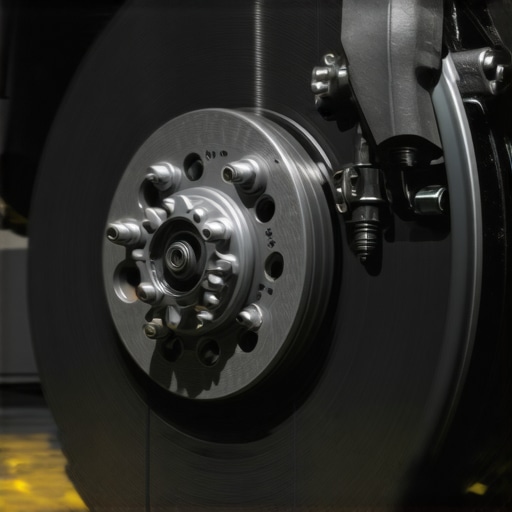
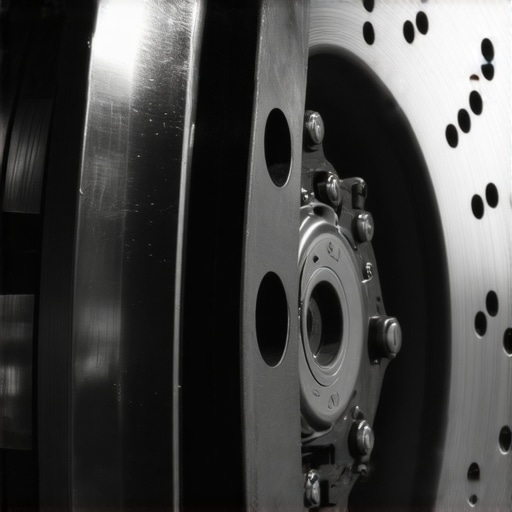
Check brake pads, rotors, and calipers for signs of wear or damage. Worn pads can cause uneven braking, while warped rotors lead to pulsing steering or squealing. Use a flashlight and a mechanic’s probe to measure rotor thickness and pad lining. Replace any parts that are below minimum specifications or show signs of cracks and hotspots. I once found a cracked rotor on my truck, which I replaced with OEM parts to prevent sudden failures during a steep descent with a trailer attached.
Adjust Brake Pedal Free Play
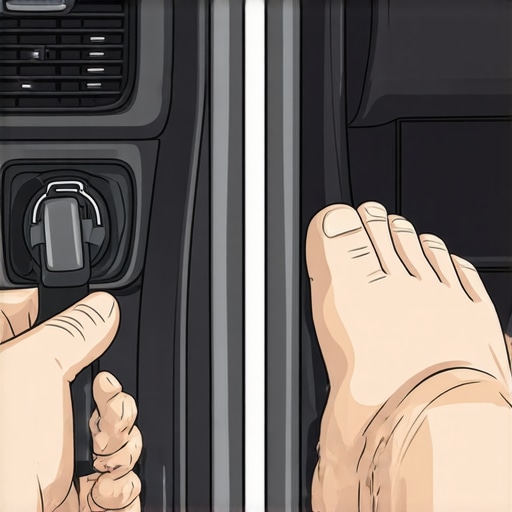
Proper free play in the brake pedal allows for optimal hydraulic pressure buildup. To check, press the pedal to the floor several times; it should have about 1 inch of free movement. Adjust the pushrod length if needed, following manufacturer specifications. During my last tune-up, adjusting the pedal free play improved braking responsiveness, especially when towing heavy loads over extended distances.
Replace Brake Fluid When Necessary
As part of routine maintenance, replace brake fluid every 2-3 years or as specified in your vehicle’s manual. Old fluid absorbs moisture, leading to corrosion and reduced boiling point, impairing braking during prolonged downhill towing. Schedule a flush at a qualified auto shop: I prefer ASE certified technicians for this task, since their expertise ensures the job is done correctly, preventing future brake issues. Regular replacement keeps your brake system responsive and safe for towing activities. You can learn more about what an ASE certification entails, ensuring peace of mind with your mechanic’s qualifications.
Many car owners believe that simply following the basic service schedules is enough to keep their vehicles in prime condition. However, this mindset often overlooks critical nuances that could make or break your vehicle’s longevity and performance, especially regarding transmission care, oil changes, and the significance of ASE certification. For instance, everyone recommends regular oil changes, but few understand that the quality of oil and the specific interval adjustments for your driving habits are crucial. Using synthetic oil in older engines without proper assessment can accelerate wear, counteracting its benefits.
Is your mechanic truly qualified to handle complex issues, or just following a checklist?
Many assume that all ASE-certified technicians are equally skilled, but in reality, ASE certification covers broad areas, and specialization within these can vary significantly. An ASE Certified Master Technician with a focus on transmission systems, for example, will diagnose and repair issues more accurately than someone with a general certification. According to a 2020 industry report, specialized ASE certifications significantly correlate with better repair outcomes, especially in complex systems like transmissions. This is where trusting your mechanic’s specific expertise becomes vital, particularly when dealing with advanced issues such as slipping transmissions or unexplained fluid discoloration. Moreover, common myths persist around oil changes, such as the belief that longer intervals always save money. Actually, extending oil change intervals beyond manufacturer recommendations, especially with synthetic oils, risks contaminants breaking down engine seals and forming deposits, which can lead to costly repairs down the line. An advanced understanding of transmission health also reveals that fluid color and smell are often misinterpreted; many owners think that dark fluid is normal, but it typically indicates oxidation or wear particles that impair shifting smoothness. Regular fluid testing and proactive flushing can prevent expensive transmission repairs. Always remember that careful attention to maintenance nuances, including the proper use of high-quality parts and diagnostics, directly correlates with vehicle reliability and safety. If you’re interested in fine-tuning your maintenance routine, I recommend exploring detailed guidelines on choosing the right car service that matches your vehicle’s needs, as explained in our comprehensive guide. Understanding these subtleties not only helps in avoiding costly mistakes but also empowers you to make smarter decisions for your vehicle’s health. Have you ever fallen into this trap? Let me know in the comments.
Keeping Equipment in Top Shape with Precision Tools
Maintaining your vehicle’s transmission, oil systems, and overall health demands the right tools. I rely heavily on a high-quality digital multimeter, like the Fluke 115, to accurately monitor electrical components, especially when diagnosing sensor issues or testing alternators. For fluid analysis, a dedicated oil test kit from Blackstone Laboratories allows me to identify contamination early—saving headaches and costs.
When it comes to brake fluid flushes or transmission service, I use a professional-grade pressure bleeder, such as the Mityvac MV6830, which ensures complete removal of air bubbles—crucial for restoring pedal firmness and smooth shifts. Regularly inspecting and replacing parts requires precision tools like a T-handle tee wrench for caliper piston retraction or a rotor thickness gauge to confirm wear is within specs. Using the proper tools not only expedites repairs but also prevents inadvertent damage that could lead to costly rework.
Adopting Software Solutions for Better Maintenance Tracking
Beyond physical tools, I recommend using maintenance management software like AutoFluent or Shop-Ware. These platforms help track service intervals, parts replacements, and diagnostic codes, which is vital for long-term vehicle health, especially if managing a fleet. They also facilitate scheduling proactive maintenance, such as timely oil changes in accordance with vehicle usage or driving conditions, reducing the risk of engine or transmission failure.
Modern diagnostic software, connected via an OBD-II scanner like the BlueDriver Pro, can identify complex issues—such as subtle transmission shudder or engine misfire patterns—that might escape manual inspection. This proactive approach aligns with the trend toward predictive maintenance, ensuring your vehicle remains reliable and safe over time.
How do I keep my car’s essential systems functioning smoothly over the long haul?
Consistency is key. Regularly scheduled fluid checks and changes, along with using equipment designed for precision and reliability, undoubtedly extend your car’s lifespan. For example, monitoring transmission fluid quality with a test kit, as recommended by industry experts, helps catch issues before they escalate into costly repairs transmission troubleshooting. Embracing advanced diagnostic tools also simplifies identifying early warning signs, allowing you to act swiftly. Incorporate these methods into your routine, and you’ll notice your vehicle’s performance remains steady for years to come.
Looking ahead, I predict that integration of AI-driven diagnostics and IoT-enabled sensors will make vehicle maintenance even more precise and personalized. Installing smart sensor packages can provide real-time data on oil degradation, brake wear, or coolant levels—empowering you to schedule maintenance proactively rather than reactively. To start applying these insights today, consider upgrading your toolkit with a professional-grade scanner and auto maintenance apps, then test one of the tips—like performing an oil analysis—to see immediate benefits.
For detailed guidance tailored to your vehicle, visit our comprehensive guide on selecting the right maintenance strategies, or reach out via contact us if you need personalized tips. Ready to boost your car’s reliability? Start with a precision diagnostic test today and keep your vehicle running smoothly for miles to come.
Lessons I Wish I Didn’t Have to Learn the Hard Way
One of the most valuable lessons I’ve acquired in my automotive journey is never to ignore subtle signs, especially those that seem minor at first. A soft brake pedal might seem insignificant, but it often hints at deeper issues that could compromise safety—reminding me to trust my instincts and stay proactive. Also, the importance of regular maintenance routines, like brake fluid checks and component inspections, can’t be overstated; neglect can turn a manageable problem into a costly repair or accident. Lastly, I’ve realized that investing in quality tools and professional certifications, such as those from ASE, truly pays off by preventing guesswork and ensuring precise repairs, especially when towing heavy loads or navigating tough terrain.