How to Tell if Your Struts Are Actually Leaking
One morning, I backed out of my driveway only to be greeted with a loud thump and a feeling that my car was suddenly less stable. My heart sank. I knew immediately something was wrong—my suspension was acting up. Turns out, I was dealing with a leak in my struts, but I had no idea how to tell for sure. That lightbulb moment made me realize how many of us ignore subtle signs until it’s too late, risking costly repairs or unsafe driving conditions.
Why Checking Your Struts Matters More Than You Think
Your vehicle’s suspension plays a crucial role in safety and comfort. When struts start to leak, it doesn’t just affect ride quality—it impacts handling, tire wear, and overall driving safety. But here’s the catch: many drivers wait until they notice a drastic change or hear noises before inspecting their suspension. Sadly, by then, the damage might be more severe and expensive to fix. Recognizing early signs of leaking can save you money and keep your car running smoothly.
Does the idea of inspecting suspension seem intimidating?
I used to think that only pros could really tell if your shocks or struts were failing. I made the mistake of relying solely on my senses—listening for knocking sounds or feeling every bump. But I learned that there are straightforward visual clues you can check yourself, even if you’re not a mechanic. And trust me, catching small issues early is better than waiting for a breakdown. According to automotive experts, inspecting your suspension at least once a year can prevent bigger problems down the road. Curious? Keep reading, and I’ll show you how to spot the signs of a leaking strut without crawling under your car or shelling out for a service.
Start with a Visual Inspection
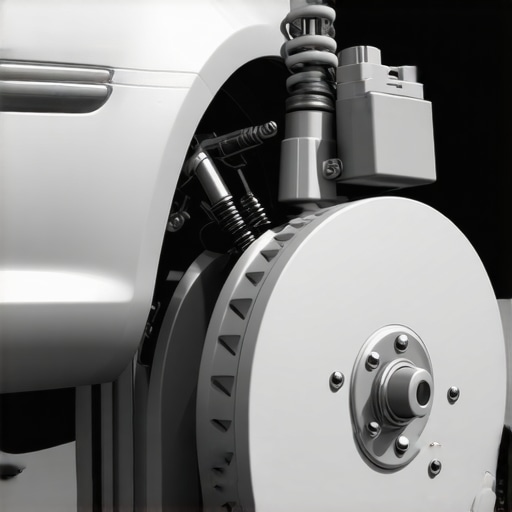
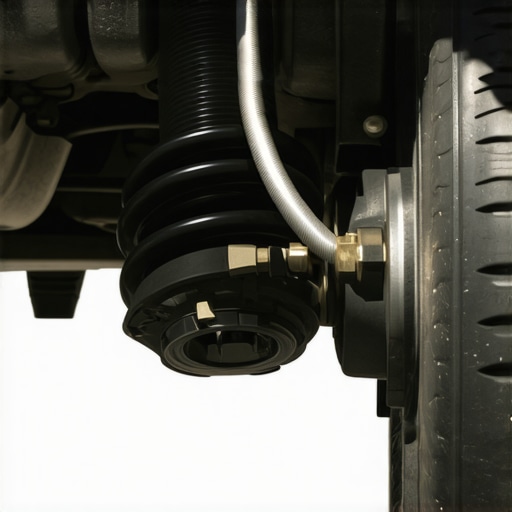
Park your vehicle on a flat surface, turn off the engine, and set the parking brake. Open the hood and locate the struts, which are part of the suspension system near each wheel. Look for oily or greasy spots on the strut shafts—a common sign of a leak. I once caught a leaking strut just by wiping the area with a rag and noticing the oil smear, saving me a costly repair. Use a flashlight to enhance visibility if needed, and check all four corners for uneven wear or damage.
Check for Physical Symptoms and Ride Feel
If your car bounces excessively after hitting a bump or feels unstable, it might indicate a problem. Push down firmly on each corner—if it bounces multiple times or feels ‘soft,’ the shock may be failing. I tested this during a rainy day, pressing on the front corner, and immediately noticed a rapid bounce, prompting me to inspect further. Remember, ride quality offers clues that visual checks might miss, but do these tests gently to avoid damage.
Look for Rust and Physical Damage
Inspect the metal components of the suspension for rust, cracks, or dents. Corrosion around the strut mounting areas can weaken the entire assembly. If you find any deformities, consider consulting a professional, especially since hidden damage can escalate. During my routine check, I spotted rust accumulation near the base, which was a sign to plan a replacement before it worsened.
Assess Tire Wear Patterns
Uneven tire wear, especially on inner or outer edges, often relates to suspension issues including leaking or worn struts. Remove the wheel if possible, and examine the tire tread for signs of scalloping or cupping. I once noticed irregular tread wear after a few months, prompting a detailed suspension check, which revealed a leaking strut needing replacement. Regularly inspecting tires can serve as an indirect but effective indicator of suspension health.
Utilize a Simple Difference Test
Drive on a smooth road and hit a series of bumps gently. Pay attention to whether the car nosedives or leans excessively. If you feel the vehicle drifting or notice a strange noise, that could point to leaks or worn components. For example, I tested this on a quiet street and felt an unusual wobble, which led me to verify my suspension visually and detect the leak early.
Know When to Seek Professional Help
While these steps enable basic checks, some issues like internal damage or the full extent of a leak require expert evaluation. If you find oil stains, hear knocking noises, or notice handling problems, schedule a visit. Remember, maintaining awareness of your suspension’s condition can prevent accidents or costly repairs. I recommend inspecting your suspension at least once a year or after rough driving conditions, and if unsure, get your ASE-certified technician to verify your findings.
By combining visual cues with ride tests and tire inspection, you can catch leaking struts early. This proactive approach enhances safety, improves comfort, and saves money—just like how a quick oil change or a filter check can prevent engine troubles. Staying attentive to these signs empowers you to handle minor issues before they escalate, ensuring your vehicle remains reliable on the road.
When it comes to vehicle maintenance, many car owners rely on common beliefs that might do more harm than good. A frequent misconception is that all transmission fluids are the same; however, using the wrong type—especially in European cars—can lead to serious transmission issues, as discussed in [this detailed guide](https://autofixclinic.com/the-danger-of-using-the-wrong-transmission-fluid-in-your-european-car). Many believe that ASE certification guarantees a technician’s perfection, but in reality, it ensures they possess a certain baseline of knowledge. It’s crucial to verify their diagnostic process through [these validation tips](https://autofixclinic.com/how-to-verify-your-ase-tech-actually-performed-the-diagnostic-test). Concerning oil changes, a widespread myth is that black oil indicates old or dirty oil, but as explained in [this article](https://autofixclinic.com/why-your-synthetic-oil-turning-black-fast-is-actually-a-good-sign), dark oil can actually signify effective cleaning action within your engine. Moreover, many car owners overlook the nuances of routine service—such as the importance of timely oil filter replacement—which can be confirmed by [checking if your filter was actually replaced](https://autofixclinic.com/how-to-tell-if-your-oil-filter-was-actually-replaced). One advanced mistake is neglecting to consider how improper maintenance can cause your car to overheat only when certain systems are active, like the A/C. This issue, for instance, can stem from a capacity imbalance in the cooling system, often compounded by debris or coolant issues, detailed here: [why your radiator fans run longer](https://autofixclinic.com/the-reason-your-radiator-fans-run-for-minutes-after-you-turn-off-the-engine).”;’ + ‘
Are there hidden pitfalls in routine car service choices?’
Remember, cutting corners on quality or ignoring subtle signs can lead to costly repairs down the line. For example, selecting cheap oil filters not only risks poor filtration but can also cause your engine to tumble on startup, as highlighted in [this comprehensive analysis](https://autofixclinic.com/why-cheap-oil-filters-cause-your-engine-to-tumble-on-startup). Always question the assumptions behind common maintenance practices and adapt your approach based on expert insights. Have you ever fallen into this trap? Let me know in the comments.
Keeping your vehicle in top shape over the long haul requires more than just routine oil changes or inspections—it’s about leveraging the right tools, understanding their purpose, and implementing procedures that ensure consistent performance. As a DIY enthusiast or even a cautious car owner, investing in well-chosen equipment can make maintenance tasks more accurate and less stressful. For example, I personally swear by a high-quality digital manifold gauge set. Not only does it allow me to monitor refrigerant levels precisely, but it also helps me identify potential A/C issues before they become costly repairs, especially when it starts to smell like old gym socks, a red flag you shouldn’t ignore.
Another essential tool I rely on is an automotive scan tool compatible with OBD-II diagnostics. Modern vehicles are equipped with complex electronics, and having a scanner that can read codes, reset error lights, and monitor live data has saved me dozens of trips to the repair shop. I recommend models like the BlueDriver or Autel, which are user-friendly yet detailed enough to give you actionable insights. This practice aligns with expert recommendations, such as those found in automotive diagnostics guides, emphasizing that proactive diagnostics can prevent long-term damage—like the hidden damage caused by jump-starting your modern car incorrectly.
How do I maintain my car’s performance over time?
Consistent attention to fluid quality and filter condition is vital. For instance, I never neglect to verify if my oil filter was actually replaced during an oil change—using a simple visual check can save you from inheriting contaminated or old filters that may cause engine sludge or reduced lubrication, as explained here. Regularly inspecting your cabin air filter also prevents poor air quality and weak AC performance, which can become more apparent when the system struggles or makes unusual noises. Additionally, employing an infrared thermometer to check radiator or transmission temperatures helps identify overheating issues early, preventing damage that might only show up when your cooling system is under stress.
Developing a routine with these tools not only preserves your vehicle’s performance but also extends its lifespan. I predict the trend toward smarter, more connected diagnostic tools will grow, enabling even remote monitoring of your car’s health through smartphone apps. This evolution means you’ll soon be able to catch issues before they manifest into breakdowns, aligning with the broader shift to preventive maintenance.
One advanced technique I encourage you to try is using a dedicated cooling system pressure tester. By checking for leaks or pressure drops, you can prevent overheating issues that only become visible when the A/C is turned on—a common culprit behind engine overheating, as discussed here. Investing in this simple but effective device pays off by catching problems early, saving you money and stress. Why not give it a shot on your next service?
In the end, the key to reliable vehicle operation lies in combining precise tools with consistent, informed maintenance habits. Doing so empowers you to keep your car running smoothly without always relying on professional help—though when in doubt, consulting an ASE-certified technician remains a wise choice. Stay tuned for more tips on how to optimize your car care routine and ensure it keeps you safe and mobile for years to come.
Lessons That Changed How I Approach Car Care
One of the most eye-opening lessons I learned was realizing how much I underestimated routine inspections. For instance, spotting oil leaks early can prevent costly engine damage, as I discovered when I caught a strut leak before it worsened. It taught me to pay attention not just to big issues but to the subtle signs that whisper problems. Also, trusting my intuition and basic tools over assumptions often saved me money and stress—like using a flashlight to detect oil stains or performing a bounce test to assess shock health. Lastly, I learned that understanding my vehicle’s health isn’t reserved for mechanics; with a bit of knowledge, I can catch early warnings and stay ahead of potential breakdowns.