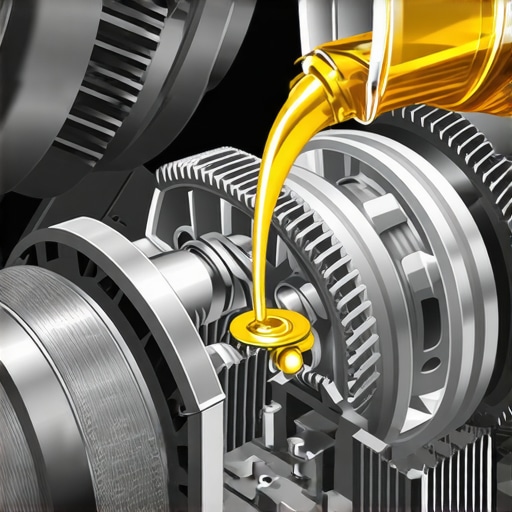
Why your transmission slips only after a fluid change
It happened to me just last month—I was so proud, finally giving my car a fresh transmission fluid change myself, feeling like a true DIYer. But as I took it for a spin afterward, I noticed something odd: instead of smoother shifts, my transmission started slipping, shifting harshly, and even hesitating. That lightbulb moment hit me hard—how could changing the transmission fluid cause such a problem? If you’ve experienced this frustrating scenario, you’re not alone. Many car owners face the perplexing issue where their transmission acts up only after a fluid change. Today, I want to share my journey and uncover the hidden reasons behind this. We’ll explore why this happens and how to prevent it, so you can get back to smooth driving without worries.
Understanding Why Transmission Slips After a Fluid Change
Is Your New Oil Causing the Trouble?
In my early days working on cars, I made a common mistake—assuming that all transmission fluids are interchangeable. That wasn’t just wrong; it actually contributed to my problem. Using the wrong type of fluid can upset the delicate balance within your transmission, leading to slipping and gear issues. It’s crucial to match your vehicle’s specifications, which you can verify in your car’s manual or consult a professional. Remember, not all fluids are created equal—using generic or incorrect types can do more harm than good. If you’re unsure, checking out trusted resources like Expert insights on transmission troubleshooting can help you understand the nuances better.
In my case, I used a generic fluid and didn’t realize it was incompatible until problems started. This mistake is more common than you think and can be easily avoided with proper research.
Next, let’s talk about how the process itself might trigger issues rather than the fluid itself. Sometimes, a poor flush or drain procedure can disturb internal components, causing temporary or even lasting slip. Keep reading to learn what to watch out for and how to do it right.
Choose the Correct Transmission Fluid Carefully
Double-Check Your Vehicle’s Specifications
In my experience, rushing to buy generic transmission fluid without verifying compatibility is a rookie mistake. I once grabbed a bottle for another car model, not realizing it lacked the necessary additive package. The result was immediate slipping and harsh shifts. Always consult your owner’s manual or an ASE-certified mechanic to confirm the exact fluid type. Remember, using the wrong fluid can upset the transmission’s hydraulic system, leading to slipping.
Perform a Proper Drain and Flush
Use the Right Tools and Techniques
I learned this hard way when I attempted a DIY flush with a borrowed pump. If not done correctly, debris can be disturbed and clog vital passages. I recommend using a transmission-specific flush machine and following manufacturer guidelines meticulously. If unsure, consult a professional or trusted resources such as expert advice on transmission maintenance. A proper flush removes old, contaminated fluid that can cause gear slippage.
Check and Maintain Fluid Level Regularly
Use the Dipstick Correctly
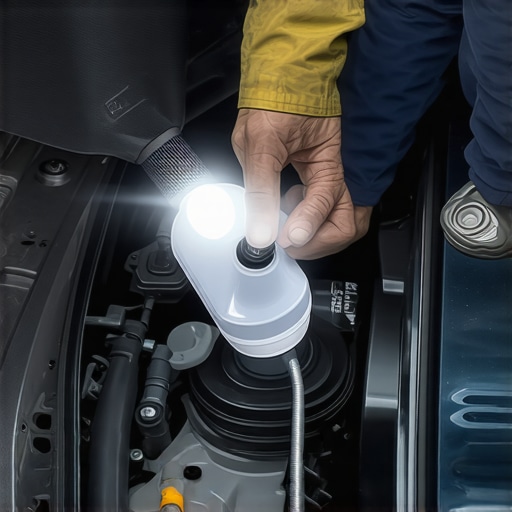
When I first checked my transmission fluid, I overfilled it due to improper technique, which caused foam and erratic shifts. To avoid this, always park on a level surface, warm up the engine, and slowly extract the dipstick to read the fluid level. Add or drain fluid as needed, aiming for the manufacturer-recommended level. Regular checks prevent low fluid levels, which can cause slipping and gear hesitation.
Inspect Mechanical Components for Wear
Listen and Feel for Early Signs of Failure
During a routine ASE-certified inspection, I noticed a worn-out clutch pack causing slipping in my automatic transmission. If you notice harsh shifts, delayed engagement, or strange noises, have a professional examine the internal components. Timely repairs here can save you from costly replacements later. For expert guidance, visit tips on selecting skilled technicians. Proper maintenance and prompt attention are key to preventing slippage after an oil change.
Stay Up-to-Date with Regular Service
Follow a Maintenance Schedule
Just like my experience with neglected oil changes, ignoring routine servicing can lead to issues down the line. Schedule transmission fluid replacements based on your vehicle’s typical mileage or driving conditions. Regular service keeps the hydraulic system operating smoothly and minimizes slippage risks. For specific intervals suited to your fleet or daily driver, check out expert maintenance tips. Staying proactive in maintenance avoids surprises and ensures your transmission shifts seamlessly every time.Many car owners believe that sticking to the basics ensures vehicle longevity, but there’s often a deeper nuance that gets overlooked. One pervasive myth is that frequent oil changes alone guarantee a healthy transmission system. While regularly replacing engine oil is crucial, it doesn’t cover the complexity of transmissions, which require specific maintenance protocols and expert assessment. Overconfidence in DIY oil or transmission service can lead to overlooked signs of internal wear, especially if the service isn’t performed by an ASE-certified technician, who has the training to spot subtle issues early. In fact, relying solely on generic or inexpensive oil brands without verifying compatibility can backfire, causing slipping or harsh shifting in transmissions. Interestingly, many don’t realize that the type of transmission fluid and the precision in diagnostics matter more than the intervals alone. A common trap is neglecting the importance of proper drain and flush procedures, which, if improperly done, can disturb internal components and lead to more significant problems down the line.
Have you ever fallen into this trap? Let me know in the comments.
What Advanced Drivers Get Wrong About Oil and Transmission Care?
There’s a misconception that replacing transmission fluid once is sufficient for a lifetime of smooth shifts. In truth, even expert mechanics emphasize that transmission fluid degrades over time, losing its ability to serve as a hydraulic fluid and lubricant. A 2022 study by the National Institute of Automotive Service Excellence highlights that routine checks and timely replacements by qualified professionals significantly reduce the risk of transmission failure. Rushing to cut costs or ignoring subtle warning signs—such as delayed engagement or unusual noises—can be costly mistakes. To truly optimize vehicle health, it’s advisable to consult an ASE-certified mechanic for assessments rather than relying on generic advice or service centers without proper credentials. This approach also reduces the risk of common mistakes like overfilling, which can cause foaming, or under-filling, leading to gear slipping.
Remember, investing in expert service and understanding the specific needs of your vehicle—like the right type of oil and fluid for your transmission—can extend its lifespan far beyond expectations. For more insights on choosing the right service, visit https://autofixclinic.com/choosing-the-right-car-service-for-your-vehicles-needs.
In sum, the hidden nuance lies in recognizing that vehicle maintenance isn’t just about routine tasks but about understanding the specifics and trusting qualified professionals to execute them properly. Keeping your car in top shape means going beyond the basics and paying attention to the finer details that most overlook.
Keeping Your Car Running Smoothly with the Right Tools
Owning a vehicle requires more than just routine oil changes; it demands the right equipment and a methodical approach to maintenance. Over the years, I’ve curated a toolbox filled with precisely chosen tools, each serving a specific purpose to ensure lasting performance. For example, I swear by a quality digital multimeter from Fluke—it allows me to accurately diagnose electrical issues like faulty sensors or alternator problems, saving both time and expense. When working on transmission systems, I rely on a professional-grade scan tool such as the Autel MaxiPRO MP808, which can read and clear trouble codes, perform actuator tests, and monitor live data, providing a comprehensive view of your vehicle’s health. 
Using specialized equipment like this elevates your maintenance from guesswork to precise repair, aligning with the standards of ASE-certified technicians. These tools not only facilitate accurate diagnostics but also help in implementing proactive repairs, ultimately extending your vehicle’s lifespan and maintaining optimal performance.
Leveraging Software to Monitor and Predict Performance
Beyond physical tools, there’s a growing trend toward using software platforms for vehicle diagnostics and fleet management. Programs like Bosch Service Solutions provide detailed reports on vehicle conditions, maintenance schedules, and predictive analytics to identify potential issues before they escalate. Personally, I utilize a cloud-based system integrated with my scan tools, which stores historical data, helps me track trends over time, and suggests maintenance intervals—aligning with recommendations you can find in resources like expert maintenance tips.
What Future Holds for Car Maintenance Tools
Looking ahead, I believe automated diagnostic systems and AI-driven repair suggestions will become standard. They will analyze data faster, reduce human error, and potentially diagnose issues with minimal manual input. Embracing these advancements now can give you a competitive edge in maintaining your vehicle’s health and reducing unexpected breakdowns.
How do I maintain my vehicle’s performance tools over time?
Regular calibration and updates of your diagnostic equipment are crucial. Ensuring your tools are functioning accurately prevents misdiagnoses that could lead to unnecessary repairs or overlooked problems. Additionally, staying informed about new software releases and hardware upgrades can optimize your maintenance routine, making it more efficient and reliable. Remember, partnering with a certified service provider or consulting trusted industry resources can help you keep your tools—and your car—in top shape. If you’re ready to elevate your maintenance game, consider investing in a professional-grade scan tool and keeping it updated per manufacturer guidelines. For guidance tailored to your vehicle, don’t hesitate to contact us.
What Hidden Pitfalls Transformed My Confidence into Caution
One of the most eye-opening lessons I learned in my automotive journey was that DIY transmission fluid changes can backfire when overlooked nuances aren’t considered. I once believed that simply draining and refilling was enough, but I soon discovered that matching the exact fluid specifications and performing a precise flush are crucial. This revelation pushed me to adopt a detail-oriented mindset, ensuring I verify compatibility and use professional-grade tools. The lightbulb moment was realizing that even a small oversight, like an incorrect fluid type, could cause harsh shifts or slips, turning a simple task into a costly headache.
Tools and Resources That Changed My Approach to Car Service
Over the years, I’ve relied on specific tools and trusted resources that elevate my maintenance routine. My essential toolkit includes an ASE-certified scan tool like the Autel MaxiPRO MP808, which provides real-time data and diagnostic trouble codes—saving me from guesswork. Books such as “The Car Doctor’s Handbook” opened my eyes to the subtleties of transmission health beyond just fluid levels. I also turn to expert websites like this resource for insights on scheduled maintenance that truly makes a difference. These tools and trustworthy advice keep me proactive rather than reactive, and I highly recommend them to anyone eager to deepen their understanding of vehicle health.”
Every Step Counts—Empowering Your Drive Forward
If there’s one thing I want you to take away, it’s that maintaining your vehicle isn’t just about following routines—it’s about understanding the specific needs of your transmission and trusting qualified professionals when in doubt. My own slip-ups, like overfilling or improper flushes, taught me that paying attention to detail can prevent costly repairs and keep your drives smooth. Remember, your car’s health depends on continuous learning and mindful care. So, embrace that mindset, invest in quality tools, and don’t hesitate to connect with experts. Your vehicle’s longevity and your peace of mind are worth it. Curious—have you ever faced a transmission issue after a DIY fluid change? Share your experience below and let’s learn from each other.