Why Cheap Transmission Fluid Is Costing You a New Solenoid Pack
I remember the moment vividly. I was under my car, toolkit in hand, ready for a quick transmission fluid change. Suddenly, I noticed the fluid looked darker than oil in a discount burger joint—cloudy, thick, and with a strange burnt smell. My heart sank. Turns out, that cheap fluid I poured in was doing more harm than good, setting me up for costly repairs like a new solenoid pack. Have you ever experienced that sinking feeling after a quick oil change gone wrong? Well, you’re not alone—and that’s exactly what I want to help you avoid today.
The Hidden Cost of Skimping on Transmission Fluid
Many car owners choose the cheapest transmission fluid at the store, thinking it’s just a quick fix. But what they don’t realize is that quality matters—especially when it comes to your car’s transmission. Cheap fluids often lack the proper additives and lubricants needed to protect sensitive components. Over time, this can lead to increased wear, overheating, and ultimately, the failure of critical parts like the solenoid pack, which controls shifting gears. This isn’t just about saving a few dollars; it’s about safeguarding your vehicle’s longevity and your wallet.
Is Investing in Better Transmission Fluid Actually Worth the Hype?
Honestly, I was skeptical at first. Like many, I thought, “It’s just fluid, how different can it be?” My mistake early on was assuming all fluids were created equal, leading me to ignore manufacturer recommendations. That oversight nearly cost me a new solenoid pack and a hefty bill. Quick research and advice from licensed ASE-certified techs showed me that premium transmission fluids contain vital conditioners that reduce friction and protect parts—making them worth every extra penny. Want a deeper dive into how quality transmission fluids make all the difference? Check out why ASE certification matters.
If you’re wondering whether your current fluid could be leading to problems, keep reading. We’ll explore how to assess your transmission fluid, spot early signs of issues, and learn practical ways to maintain it—so you won’t find yourself facing an unexpected, costly solenoid replacement. Most importantly, you’ll understand why cutting corners on this essential maintenance can cause more pain down the road.
Check Your Transmission Fluid Regularly
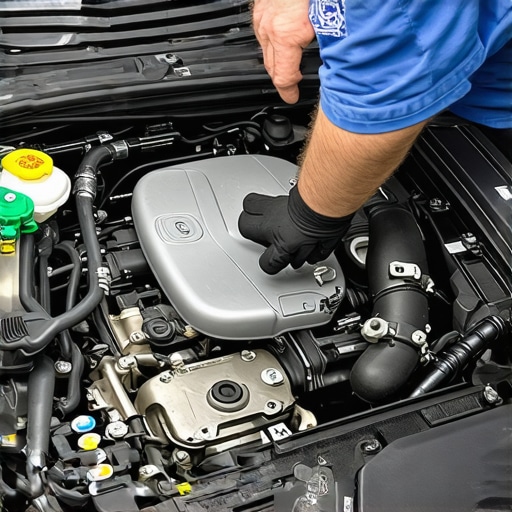
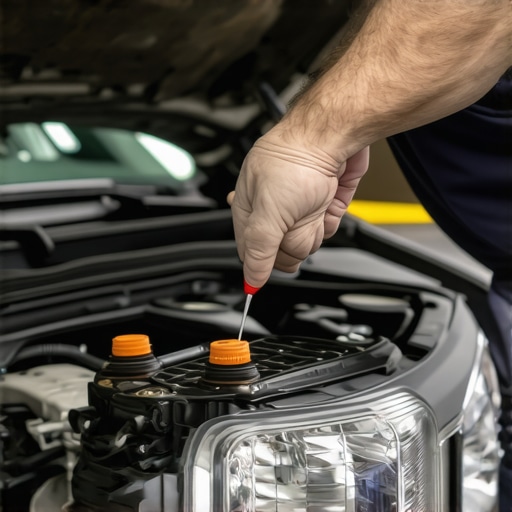
Start by locating your vehicle’s dipstick—most modern cars hide it, so consult your owner’s manual or look for the transmission fluid reservoir under the hood. Once found, park the car on a level surface and let the engine warm up to normal operating temperature. Pull out the dipstick, wipe it clean with a lint-free cloth, then reinsert it fully before pulling it out again to read the fluid level. Ensure the fluid level aligns with the marked range. I once checked mine during a road trip—it was nearly below the minimum, indicating a leak or fluid loss, which prompted me to address it before severe damage occurred. If you notice low levels, top up with the manufacturer-recommended fluid, but never overfill, as excess fluid can cause foaming and poor shifting.
Observe Transmission Fluid Color and Odor
Transmission fluid should be a clear, pinkish-red color and have a slightly sweet smell. Over time, it darkens and develops a burnt smell, hinting at contamination or degraded additives. When I neglected this, my transmission started slipping, especially during acceleration—a clear sign of fluid breakdown. To check, examine the fluid on the dipstick—the appearance tells a lot about its condition. If discolored or smells burnt, plan a fluid change promptly. Remember, burnt odor indicates the fluid is no longer protecting your transmission effectively.
Flush or Replace Transmission Fluid Properly
Deciding between a simple drain-and-replace or a full flush depends on your vehicle’s history and current condition. A simple drop drain involves removing the pan and replacing the fluid, which is easier and less costly. However, a high-mileage vehicle might benefit from a transmission flush to remove sludge and old fluid thoroughly. During my latest service, I opted for a flush because my car had over 150,000 miles. The technician connected the specialized machine, ensuring all old fluid was replaced with fresh, high-quality transmission fluid. This process is especially critical if the fluid has darkened or if shifting feels sluggish. Avoid using cheap or incorrect fluids; quality makes a significant difference. Consult your owner’s manual or trusted ASE-certified techs—remember, ASE certification guarantees competence and understanding of proper procedures.
Inspect Transmission Filter and Solenoid Pack
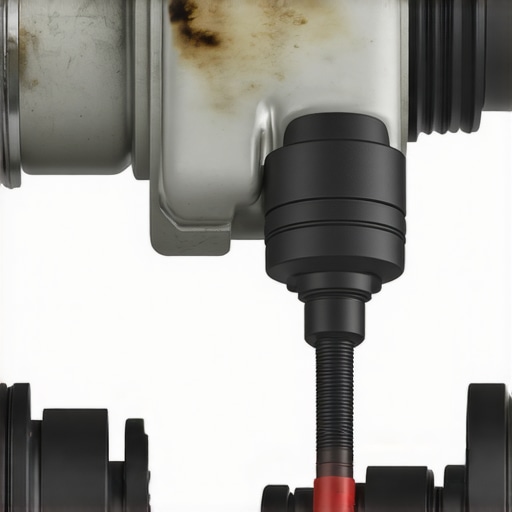
While modern transmissions often have a pan that can be dropped, some models hide the filter, making inspection tricky. If accessible, replace the filter whenever you change the fluid—this step prevents debris from circulating and causing wear. When I changed mine, I found accumulated metal shavings, a sign that the transmission was beginning to suffer. Also, pay attention to the solenoid pack, which controls gear shifts. Symptoms like hard shifting or slipping can be caused by a failing solenoid. If you notice these issues, asking your mechanic to test the solenoids can prevent costly repairs down the line. For early signs of solenoid failure, check out signs of solenoid problems.
Maintain Consistent Transmission Service Schedule
Stick to the manufacturer’s suggested intervals for transmission service—typically every 30,000 to 60,000 miles. Regularly maintaining your transmission fluid prevents degradation and extends component life. I set reminders after my last service to ensure I stay on schedule. Remember, neglecting this maintenance can lead to issues similar to ignoring a warning light, which could escalate into complete transmission failure. Think of it like changing the oil in your engine—neglect leads to unnecessary wear and costly repairs, such as replacing a solenoid pack, which could have easily been avoided with proactive care.
Monitor for Early Warning Signs
Stay alert to shifting issues, slipping, or strange noises—these are early indicators your transmission needs attention. Use a checklist of symptoms, and if any occur, consult an ASE-certified technician promptly. This proactive approach can save you from more severe damage. For example, I once ignored minor hesitation during shifts, and it turned into a complete transmission rebuild—an experience I aim to help others avoid by regular inspections and fluid checks. For specific symptoms, such as a transmission that only slips during quick acceleration, check out transmission slipping during hard acceleration.
 Many car enthusiasts and DIYers assume that having an ASE certification automatically means they understand all the nuances of vehicle maintenance. However, even certified technicians can fall into common traps or miss subtle but critical details that differentiate a mediocre repair from a truly expert one. One prevalent misconception is that all transmission fluid changes are straightforward, but in reality, the type of fluid and the service method—whether a simple drain or a full flush—can significantly impact transmission longevity. For example, a simple pan drop might suffice for low-mileage vehicles, but high-mileage or previously neglected transmissions often require a more thorough flush, emphasizing the importance of understanding the vehicle’s history and the specific procedure, as detailed in this article. An advanced mistake is underestimating the importance of diagnosing early signs of component wear, like a slipping transmission or unusual noises, which can be subtle yet indicative of impending failure. Relying solely on a visual inspection or basic codes might lead technicians to overlook issues like failing solenoids, which are known to cause delayed or erratic shifting, directly impacting safety and reliability. This is why a thorough understanding of electrical diagnostics—beyond what is often taught in basic training—is crucial, as supported by the importance of ASE L1 diagnostics. A common myth is that all oils and fluids are created equal, leading some to opt for cheapest options during oil changes or fluid top-offs. But in reality, using the wrong specification or poor-quality oil can accelerate engine wear or cause poor lubrication, especially in high-performance or turbocharged engines. Knowing when to use synthetic versus conventional oils is an advanced nuance often missed by amateurs but understood by seasoned technicians, as elaborated in this resource. An often-overlooked detail is the real significance of proper servicing intervals. Many believe that extending mileage between oil changes saves money, but numerous studies, including those referenced by industry experts, demonstrate that irregular maintenance can lead to sludge buildup, increased friction, and early component failure—costing more in the long run. Being aware of these subtleties can prolong your vehicle’s life and ensure safety. Do you think ASE certification guarantees mastery of all these nuances? Or is ongoing education just as vital? The truth is, even the most experienced technicians must continuously adapt and learn, especially about evolving vehicle technology and specialized procedures. For you as a car owner, understanding that a certificate isn’t the ultimate badge of expertise can influence the quality of service you receive. Want to learn more? Check out why ASE certification matters in diagnostics. Have you ever fallen into this trap? Let me know in the comments.
Tools That Make Maintenance Easier and More Effective
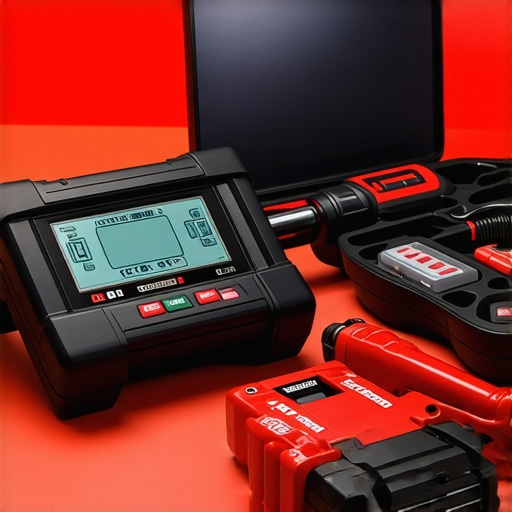
Investing in the right tools is crucial for maintaining your vehicle properly, especially when it comes to transmissions and oil changes. I personally rely on a high-quality digital scan tool like the Autel MaxiCOM Ultra, which allows me to read and clear diagnostic trouble codes, monitor live data such as transmission fluid temperature, and verify sensor operation. This tool has saved me countless trips to the mechanic by catching issues early and confirming that repairs have been successful. Additionally, a reliable torque wrench—specifically a click-type model like the Astro 2318—ensures that I tighten fasteners, including drain plugs and filter bolts, to manufacturer specifications, preventing leaks or damage. Using a magnetic pick-up tool also comes in handy for retrieving fallen bolts or clips in tight engine bays, saving time and frustration.
For fluid assessments, I keep a set of transparent mixing jars with measurement markings. These enable me to check fluid clarity and color during top-offs or flushes, ensuring I don’t inadvertently add the wrong type of oil or transmission fluid. Moreover, a digital infrared thermometer helps verify that engine and transmission components are within normal operating temperatures, identifying overheating issues before damage occurs. These tools, combined with routine checks, provide a comprehensive approach to long-term maintenance.
How do I maintain transmission health over time?
Establishing a routine schedule for fluid and filter changes, as prescribed by your vehicle manufacturer, is vital. When performing these services, I always utilize manufacturer-recommended synthetic transmission fluids, which often contain proprietary conditioners to reduce wear and friction. Incorporating a transmission fluid test strip—like the ones from Febi Bilstein—helps confirm fluid quality without costly lab analysis, allowing me to decide when a full flush is necessary. Regularly inspecting the transmission pan for debris and metal shavings also provides early warning signs of wear, enabling me to address problems before costly repairs are needed.
Future Trends in Vehicle Maintenance
Technology continues to evolve rapidly, and diagnostic tools are becoming more sophisticated. I predict that as vehicles become increasingly connected, we’ll see in-depth telematic data sharing that simplifies proactive maintenance. This will allow us to anticipate failures, like solenoid pack issues or overheating, before symptoms even appear. Enhanced software solutions, integrating real-time diagnostics with maintenance scheduling, will make it easier for car owners to keep their vehicles in top shape without guesswork.
To stay ahead, I recommend trying out advanced diagnostic features on your scan tool, such as live data monitoring during test drives. For example, checking transmission fluid temperature while shifting can reveal underlying issues before they escalate. This proactive approach not only preserves your vehicle’s longevity but also prevents unexpected breakdowns. Ready to give it a shot? Dive into your scan tool’s live data functions today and see what insights you can uncover about your transmission’s health!
< >
>
Making these investments in proper tools and maintenance routines empowers you to keep your car running smoothly and reliably for years to come. Remember, the key is consistency and understanding your vehicle’s specific needs—so stay curious, stay cautious, and keep it working!
The Hardest Lesson I Learned About ASE certified,transmission,oil change,car service
My biggest mistake was assuming that all transmission fluids are created equal, which led to premature wear and costly repairs. I realized that investing in quality fluids and adhering to recommended service intervals is crucial for longevity.
Silent Signals Your Car Is Telling You to Act Now
Worn-out transmission fluid often whispers warning signs—sluggish shifts or strange noises—that many overlook. Recognizing these early indicators can save you from a complete transmission rebuild. Staying vigilant in monitoring these signals keeps your vehicle running smoothly.
The Truth I Found About DIY Transmission Maintenance
I once thought I could handle a fluid change myself, but without proper tools and knowledge, I risked doing more harm than good. Professional service with the right equipment ensures your transmission gets the care it deserves—don’t cut corners here.
My Go-To Resources for Staying Ahead in Car Care
I trust resources like ASE-certified guides and quality diagnostic tools because they provide proven, detailed insights that make a real difference. Investing in learnings and tools empowers me to maintain my vehicle effectively.
Believe in the Power of Consistency and Curiosity
Embracing regular maintenance and continually educating myself about vehicle nuances has transformed my approach. Your dedication to understanding your car’s needs not only saves money but also ensures safety and peace of mind. Remember, the more you learn, the better you care for your transmission and entire vehicle.
What has been your most eye-opening lesson about transmission or car service? Share your story below—your experience might just help someone else avoid avoidable repairs.