The difference between a transmission flush and a simple drain
I vividly remember the first time I tried to DIY my car’s transmission maintenance. I was eager, armed with YouTube tutorials, only to realize halfway through that I was about to do more harm than good. The lightbulb moment hit me hard—there’s a significant difference between a transmission flush and a simple drain, and if you mess it up, your transmission can pay the price. This realization made me dig deeper, and what I found is that many car owners, even seasoned DIYers, often mix up these two procedures, leading to costly repairs.
Why Knowing the Difference Matters for Your Car’s Health
Understanding whether your transmission needs a flush or just a drain isn’t just about following some mechanic’s recommendation—it’s about preserving the longevity of one of your vehicle’s most vital systems. A simple drain removes the old fluid from the pan, but it doesn’t address the fluid stuck in the torque converter or the transmission’s deeper parts. On the other hand, a transmission flush involves a machine that connects to your vehicle and replaces nearly all the fluid, providing a more thorough cleaning. Failing to know which method your car needs can lead to premature wear, shifting issues, or even transmission failure down the line.
Is a Transmission Flush Overhyped and Unnecessary?
Many skeptics claim that a transmission flush is just a marketing gimmick to get more money from car owners. Honestly, I used to think that too—until I learned that if done correctly and at the right intervals, a flush can significantly extend your transmission’s life. Early on, I made the mistake of proceeding with a flush myself when my car didn’t really need it, based solely on a vague recommendation. That experience taught me the importance of knowing your vehicle’s specific needs and trusting knowledgeable sources like transmission experts.
Prepare Your Workspace and Gather Tools
Start by parking your car on a level surface and engaging the parking brake. Ensure you have all necessary tools—typically, a socket set, drain pan, funnel, and safety gloves. I once attempted this in a cramped driveway, which made maneuvering difficult, leading to a spills and a very messy garage. Planning ahead and creating a clean, spacious workspace saves time and prevents frustration.
Locate and Access the Transmission Pan
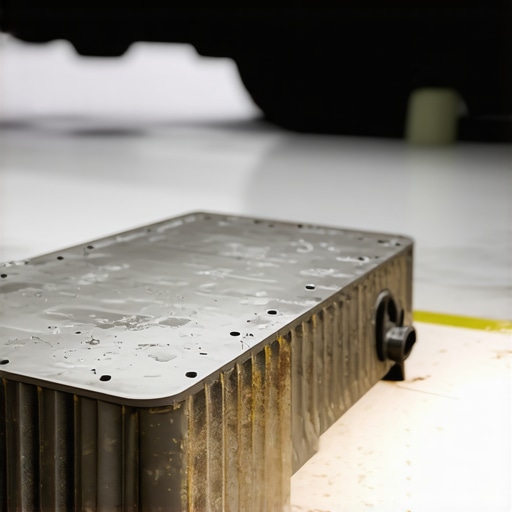
Find the transmission fluid pan underneath your vehicle, usually near the engine’s rear side. Use a creeper or lift if needed for better access. Remove the bolts around the pan carefully, letting the fluid drain into your pan. During my first DIY, I underestimated the amount of fluid—wearing old clothes saved me from staining my driveway. Once drained, clean the pan with a rag, checking for metal shavings that might indicate internal wear.
Drain and Replace the Transmission Fluid
Perform a Pan Drop
Reinstall the pan with a new gasket to prevent leaks. Then, refill with the recommended transmission fluid—it’s critical to use the right type, which you can find in your owner’s manual or on trusted automotive sites like this resource. My first attempt involved overfilling, which caused shifting issues, so I learned to measure carefully.
Use a Transmission Flush Machine (If Needed)
In some cases, a complete flush removes old fluid and debris more effectively. This involves connecting a machine that replaces nearly all transmission fluid, giving your system a thorough cleanse. I once rented a flush machine and followed the detailed procedure I found in online tutorials—becoming comfortable with this process prevented me from rushing. For complex or high-mileage vehicles, consulting a certified ASE technician can ensure proper service.
Check and Verify Transmission Operation
After refilling, start your engine and let it run in Park. Shift through all gears gradually, listening and watching for proper engagement. Use the transmission fluid dipstick or follow the ‘no dipstick’ method described here. Keep a close eye on fluid color and smell; burnt or dark fluid signals the need for attention. During my initial check, I noticed a slight delay in shifting, prompting me to revisit the fluid levels, which improved the performance.
Monitor and Maintain for Longevity
Make this process a routine—regularly inspect your transmission fluid following these tips. Proper maintenance prevents issues and prolongs transmission life. Remember, even minor neglect can lead to costly repairs, but with a disciplined approach, you can keep your vehicle shifting smoothly for years to come.Many vehicle owners operate under misconceptions about what proper car maintenance truly involves. A common myth is that an oil change is a simple task anyone can trust to the nearest quick-lube without considering the quality or type of oil used. In reality, **not all oils are created equal**, and choosing the wrong one can lead to engine wear and reduced lifespan. According to a study by the Society of Automotive Engineers, using the appropriate oil type and regular oil changes—based on manufacturer recommendations—can extend engine life significantly; for more details, visit this resource.
Another broad misconception concerns transmission maintenance. Many believe that a transmission flush is unnecessary and that a simple drain suffices, but this can be misleading. Doing a drain-only service leaves contaminants in parts like the torque converter, which can cause shifting issues over time. Professional experts recommend considering a **full transmission flush** especially for high-mileage vehicles, as it provides a more comprehensive clean—learn more from this guide.
Now, let’s challenge the assumption that ASE certification alone guarantees a technician’s expertise. While ASE certification indicates a level of competence, it doesn’t necessarily account for specialization or experience with complex or modern vehicle systems. Modern cars have electronic-controlled transmissions and advanced diagnostics that require ongoing training. Visiting a shop solely based on ASE badges might not yield the best results if they lack specific expertise in newer automotive technologies. For a deeper understanding, see this detailed explanation.
Another critical nuance is the myth that car maintenance costs are just unavoidable expenses. Instead, many overlook how **proactive maintenance** can save money long-term. Regular oil changes, timely transmission fluid replacements, and precise diagnostics prevent costly repairs. But the ‘set and forget’ mentality often leads to neglect, which can cause minor issues to become major failures. Proper maintenance routines—aligned with your vehicle’s needs—are essential. For expert tips, consider reading this comprehensive guide.
Detecting these misconceptions early can save both money and frustration. Always question assumptions and seek advice from certified professionals who stay updated on the latest vehicle technologies. Have you ever fallen into this trap? Let me know in the comments, and share your experiences or questions about car maintenance myths.
Investing in Reliable Equipment Matters for Long-Term Performance
Maintaining your vehicle’s transmission, oil system, and overall health requires more than just knowledge; having the right tools is essential. For instance, I personally rely on a high-quality digital oil extractor, like the Mityvac MV6830, which simplifies extracting old oil without making a mess. It allows me to accurately measure and refill fluids, ensuring I adhere to manufacturer specifications, such as those outlined in this resource. Having a precise tool helps prevent overfilling or underfilling, critical for transmission longevity.
Similarly, when checking transmission fluid without a traditional dipstick, I utilize a thermal imaging camera. This device lets me spot leaks or overheated components early, saving costly repairs. While mainstream tech continues to evolve, these tools give me an edge in diagnosing issues before they escalate, aligning with the future trend of integrating advanced diagnostics into routine repairs.
How do I keep my tools in optimal shape over time?
Regular calibration and cleaning are key. For example, I clean my fluid extractors after every use and periodically check their accuracy against standards. Maintaining an organized toolbox prevents misplacements and ensures that I always have the right instrument ready, which can be the difference between catching a small issue early or facing a major breakdown. Trusted brands like these ASE-certified tools are advantageous because they meet rigorous standards, giving me confidence in their reliability.
Predicting the future of car maintenance tools
The integration of AI and IoT technology is poised to revolutionize DIY and professional maintenance alike. Imagine smart diagnostic devices that communicate directly with your smartphone, alerting you to impending transmission wear or fluid degradation weeks in advance. This trend aims to democratize car care, making expert-level diagnostics accessible to everyday vehicle owners, potentially reducing the need for frequent shop visits.
Make your maintenance routine smarter today
One advanced tip I recommend trying right now is investing in a specialized transmission fluid tester. Using such a device periodically can catch early signs of degradation, helping you schedule timely service. It’s a small effort with significant payoff, ensuring your vehicle continues to shift smoothly and avoiding costly repairs. Start integrating precise tools into your routine, and you’ll notice the difference in your vehicle’s performance and longevity.
What I Wish I Knew Before Starting My Transmission DIY
One of the toughest lessons I learned was the importance of understanding your vehicle’s unique needs. Rushing into a flush without proper knowledge can do more harm than good. The moment I realized that not all cars require a full transmission flush at every service was a game-changer, preventing unnecessary expenses and preserving my car’s performance. Trust me, taking the time to research or consulting a transmission expert can save you a lot of headaches.
Tools That Transformed My Maintenance Routine
Investing in quality equipment like a digital transmission fluid tester and a reliable fluid extractor made all the difference. These tools not only increased my confidence but also ensured I followed manufacturer guidelines meticulously. For those serious about DIY, I recommend exploring brands and resources mentioned in this comprehensive guide, which emphasizes the importance of reliable tools and proper maintenance techniques.
Empowering My Car Care with Technology
Exploring advanced diagnostics and IoT-enabled tools opened my eyes to the future of car maintenance. Devices that alert you to fluid degradation or leaks before they become critical are real game-changers. If you’re curious, try a transmission fluid tester to stay ahead of issues. Embracing these innovations has made me more proactive, saving money and keeping my car in peak condition.