The simple way to check your transmission fluid without a dipstick
I remember the exact moment I realized I had a transmission trouble coming on—driving home after a long day, my car started slipping, and I felt that gut-wrenching sense of helplessness. I had no idea that my transmission fluid was already running low, and the usual dipstick method seemed like a hassle I’d rather avoid. That was my lightbulb moment—discovering there’s a smarter, less messy way to keep an eye on something so crucial to my car’s health.
The Hidden Struggle of Checking Transmission Fluid
If you’re like I was, the task of checking your transmission fluid often feels like walking a tightrope—messy, awkward, and frankly, unnecessary stress. Dipsticks are sometimes hard to reach, and the process can be intimidating, especially if you’re not a seasoned mechanic. But here’s the thing: neglecting this check can lead to major issues down the line, like slipping gears, overheating, or even transmission failure. The good news? You don’t need to crawl under your car with a rag and a flashlight every time to get reliable info.
Is Checking Transmission Fluid Without a Dipstick Really Reliable?
I made the mistake early on of trusting a quick visual inspection that only confused me more. Not knowing the right procedure, I was convinced I was fine—until my transmission started to shift roughly. That’s why I want to share the method I finally trusted. It’s simple, clean, and provides a much more accurate reading than I ever got from just opening the hood. Whether your car has no dipstick or you just want an easier way to stay ahead of trouble, this approach will become your new best friend. Want to learn the step-by-step process? Stick around, because it will change how you monitor your vehicle’s health.
Did you know that neglecting proper transmission maintenance can cost hundreds, if not thousands, in repairs? According to a recent study, many transmission failures could be prevented with regular checks and timely service, significantly extending the life of your vehicle. So, before the problem escalates, let’s delve into how you can easily check your transmission fluid level and condition—without the traditional dipstick fuss—and catch potential issues early.
Ready to get started? I’ll guide you through the simple, realistic steps that will keep your transmission in top shape—and spare you the surprise of unexpected breakdowns.
,
Gather the Right Tools and Prepare Your Vehicle
Before you start, ensure your vehicle is parked on a level surface with the engine warm, not hot. You’ll need a clean, clear container to collect the fluid, a flashlight, and possibly a pair of gloves. Remember, safety first: engage the parking brake and wear eye protection if necessary. I once attempted this in a rush, ending up with spilled fluid and a mess that took me hours to clean—so take your time to prepare properly.
Locate the Transmission Pan or Access Point
Identify the Transmission Drain Plug or Access Port
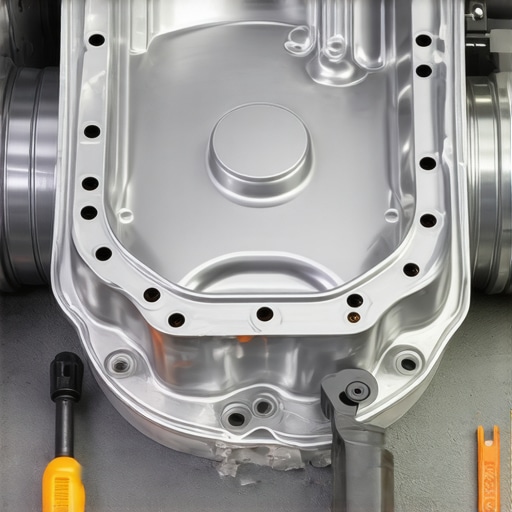
Unlike traditional dipstick models, modern vehicles with sealed transmissions require you to find the drain plug or service port. Consult your vehicle’s manual or an online resource if you’re unsure. Think of this step as finding the secret door to your transmission’s health—knowing its exact location is crucial. I remember once crawling under my car, crawling over rocks, and finally spotting just the right bolt—luckily, I found a diagram online that led me directly to it.
Drain and Collect Transmission Fluid
Remove the Drain Plug Carefully
Using the correct socket, loosen the drain plug slowly to prevent fluid from spilling too aggressively. Have your container ready below. As the fluid begins to flow out, watch its color and smell. If it’s dark, smells burnt, or contains metallic shavings, it’s a sign your transmission needs attention sooner. I once waited too long to check my fluid, and when I finally did it, I discovered a thick, strawberry-milkshake-like consistency—timely checks save money.
Check Fluid Level and Condition
Use a Clean Misting Tool or Syringe for Precise Measurement
After collecting a sample, compare the fluid level to the manufacturer’s specifications found in your manual or on the service port. Some vehicles require you to add or check fluid through a fill plug, while others may have a dip area accessible via a small inspection window. Think of it as measuring a delicate recipe—you want just the right amount, not too much or too little. I once overfilled my transmission, leading to shifting issues, so accurate measurement is key. For a reliable assessment, pay attention to the color, smell, and consistency, as these clues can indicate early warning signs.
Refill and Seal the System
If the transmission fluid level is low, add fluid slowly through the fill port until it reaches the correct level. Use the recommended type, whether synthetic or conventional, and avoid cheap, subpar fluids that can harm your transmission. Once filled, securely tighten the drain plug or cap, and double-check for leaks. This step is simple but vital—skipping it can cause more damage. After your refill, drive gently and monitor how the transmission responds, listening for any unusual noises. I’ve seen cases where a simple top-off prevented a costly rebuild—regular checks are your best defense.
Learn the Warning Signs of Fluid Degradation
Over time, transmission fluid can become contaminated or break down, even if it looks good. Periodic checks help catch issues early. If you notice a burnt smell or dark, gritty fluid on inspection, it’s time for a professional flush or fluid change. Understanding these subtle signs can extend your transmission’s lifespan significantly. For more insights, see this guide on delayed fluid changes.
Integrate Routine Checks into Maintenance Schedule
Finally, make transmission fluid monitoring a regular part of your vehicle care routine—just like oil changes. Many ASE-certified technicians recommend checking every 30,000 miles, especially in high-mileage or heavy-use vehicles. Remember, consistent attention prevents surprises that could leave you stranded. I learned this lesson the hard way after neglecting to check my fluid for over a year—costly repairs could have been avoided with a simple inspection.
Many car owners assume that basic oil changes and routine inspections are enough to keep their vehicles in top shape. However, misconceptions about automotive maintenance, especially concerning transmissions and ASE certifications, can lead to costly mistakes. Contrary to popular belief, not all service routines are created equal, and understanding the nuances is crucial for longevity and reliability.
One widespread myth is that cheap or synthetic oils are interchangeable without consequences. While synthetic oils have benefits, choosing the wrong type or neglecting manufacturer recommendations can accelerate engine wear. Many overlook that actual ASE-certified technicians undergo rigorous training to master complex diagnostics, which is vital for troubleshooting modern vehicles. Relying solely on generic repair shops without verifying ASE certifications can be a risky gamble—sometimes costing more in the long run.
What Advanced Car Owners Should Know About Transmission Care
Recent studies highlight that many transmission failures originate from neglecting fluid condition and overlooking subtle warning signs. For example, transmission fluid’s color, smell, and viscosity are often misunderstood. Dark, burnt-smelling fluid is a red flag, but many assume it’s normal if the car still shifts okay. This is a dangerous oversight because, as outlined by transmission specialists, fluid degradation accelerates internal wear, leading to slippage, delayed shifts, or even complete failure. Regularly checking transmission fluid condition and knowing the right intervals for flushes can significantly extend transmission service life—yet most drivers miss these cues.
Another misconception is that “lifetime” transmission fluids require no maintenance. However, recent automotive research suggests otherwise, especially in vehicles subjected to heavy towing or city driving. ASE-certified technicians emphasize that proactive maintenance—including timely fluid changes—prevents the buildup of debris and reduces risks associated with fluid breakdown. For specific vehicle models, the difference between a simple pan drop and a comprehensive flush can be the key to avoiding expensive repairs. Curious about which service your vehicle needs? Check out that detailed comparison.
Common Pitfalls That Can Sabotage Your Maintenance Routine
One often overlooked mistake involves neglecting the importance of using the correct tools and procedures when servicing critical systems. For example, attempting to check transmission fluid without proper equipment or knowledge can give false readings, leading to unnecessary top-offs or overlooked problems. Furthermore, relying solely on visual inspection is insufficient; testing with a quality scan tool and understanding exact manufacturer specifications is essential for accurate diagnostics. An untrained approach might temporarily mask symptoms but fail to address underlying issues, ultimately costing more when problems compound.
Implementing a routine inspection schedule integrated with professional services is vital. Many drivers mistakenly believe that minimal oil or fluid changes mean their car is fine, not realizing that progressive wear often starts long before symptoms appear. Regular consultations with ASE-certified mechanics, who stay up-to-date with the latest automotive technologies, are your best defense against hidden risks. For example, in high-mileage vehicles or fleet operations, advanced diagnostics can uncover issues like clogged filters or failing solenoids before they cause breakdowns. For comprehensive insight, see this article on transmission delays.
Remember, a well-informed car owner makes smarter decisions. By challenging common myths and understanding the intricacies of proper maintenance, you’re safeguarding your investment and ensuring smoother drives ahead. Have you ever fallen into this trap? Let me know in the comments.
Investing in Precision: Tools I Trust for Long-Term Results
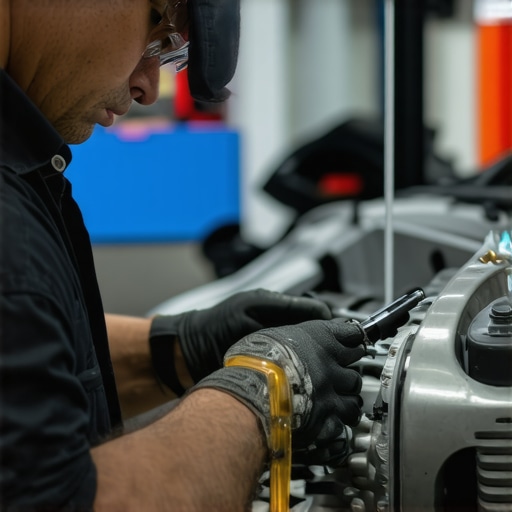
Maintaining your vehicle, especially complex systems like transmissions, requires tools that deliver accuracy and durability. One of my go-to instruments is the TEKTON Digital Torque Wrench. It’s precisely calibrated, providing me with torque measurements within 2%, ensuring that components like drain plugs are tightened to manufacturer specs without the risk of over-tightening or stripping threads. I’ve personally experienced the frustration of stripped drain bolt threads, which can lead to costly repairs—this wrench mitigates that risk.
Another critical piece of equipment is a fluorescent leak detection dye kit. I add a few drops to my transmission fluid during regular service and use a UV flashlight to scan for leaks or degraded seals over time. This proactive approach helps catch issues early, preventing minor leaks from becoming major failures, aligning with the advice from this post on transmission health.
For testing fluid condition, I rely on a portable refractometer. It quickly measures the contaminant levels in transmission or oil fluids, giving me immediate feedback on whether a fluid change is imminent or overdue. This tool saves me hours in diagnostic guesswork and supports informed maintenance decisions.
Consistency in maintenance also means software. I recommend using OEM diagnostic tools or reputable scan tools like the Autel MaxiSys MS909. Not only does it allow you to read transmission trouble codes, but it also lets you monitor live parameters—like transmission temperature or solenoid operation—integral for ASE-certified diagnostics and ensuring your vehicle’s systems function correctly.
In terms of software trend predictions, automotive diagnostics are heading toward integration with AI-powered analysis, enabling even less experienced owners to diagnose issues accurately. This shift makes it easier to oversee long-term vehicle health without constantly relying on professional diagnostics, though a qualified tech’s insight remains invaluable.
How do I maintain transmission health over years of driving?
Regularly scheduled fluid checks and timely fluid swaps, especially with the latest synthetic formulations, are crucial. Implementing routine inspections with your trusted tools will help you maintain optimal transmission performance. For example, consulting this detailed guide on fluid inspection can be a game-changer. Don’t forget, ASE-certified technicians can leverage advanced testing equipment to diagnose issues before they escalate—consider investing in a good diagnostic scanner for at-home monitoring. Remember, consistency and the right tools make all the difference. Try checking your transmission fluid with a refractometer this week, and you’ll quickly see the benefits of proactive maintenance.
The Hidden Lessons That Changed How I Maintain My Vehicle’s Transmission
- Trusting quick fixes without proper diagnosis can lead to costly repairs—patience and thorough checks are essential.
- Rarely checking transmission fluid condition can turn small issues into major failures—regular inspections save money and stress.
- Relying solely on visual cues is misleading; using proper tools and knowing the right procedures makes all the difference.
- Understanding your vehicle’s specific needs and maintenance schedule is a game-changer—don’t follow generic advice blindly.
- Investing in quality diagnostic tools and learning how to interpret their data empowers you to catch problems early, before they escalate.
Tools and Resources That Keep Me Ahead of Transmission Troubles
- Refractometer: Quickly assesses fluid contamination levels, helping me decide when a fluid change is truly needed.
- TEKTON Digital Torque Wrench: Ensures drain plugs and bolts are tightened to exact specifications, preventing leaks and damage.
- UV Leak Detection Dye Kit: Detects small leaks early, saving me from more extensive repairs later.
- Autoel MaxiSys MS909: My go-to diagnostic scanner for real-time data and trouble code reading, vital for accurate diagnosis.
Embrace the Next Step in Transmission Maintenance
Empower yourself by understanding the nuances of transmission care—it’s not just about following routine, but about making informed decisions. Regularly check your transmission fluid condition, use reliable tools, and consult resources that deepen your knowledge. Keeping up with ASE-certified insights and investing in the right equipment transforms maintenance from a chore into a safeguard for your vehicle’s longevity. Take charge today, and enjoy the confidence that you’re actively preventing costly breakdowns tomorrow. What’s your next move to improve your vehicle’s transmission health? Let me know below.
,