How to Check Your Transmission Fluid Without a Dipstick
One morning, I was stuck in traffic, and I suddenly felt that weird jerking sensation in my car’s transmission. Panic set in. I realized I hadn’t checked the transmission fluid in ages, and now I was wondering—how could I tell if everything was okay without a dipstick? That’s when I learned a crucial lesson: not every vehicle makes it easy to check transmission fluid the traditional way. If you’ve ever faced that confusing, frustrating moment, you’re not alone—and more importantly, there’s a way to stay ahead of costly repairs.
Why You Should Care About Your Transmission Fluid Status
Maintaining proper transmission fluid levels is vital for smooth gear shifts and avoiding expensive breakdowns. But here’s the kicker—many modern cars now come without a dipstick, making it trickier to perform regular checks. Ignoring this can lead to overheating, slipping, or complete transmission failure. The good news? You don’t need to be a mechanic or own fancy tools to keep an eye on your transmission health. In fact, I discovered that with a few simple methods, you can assess your transmission’s condition without ever opening a dipstick tube.
Is It Really Worth the Hype to Check Transmission Fluid Without a Dipstick?
Now, some skeptics might ask, “Isn’t it too complicated or risky to evaluate transmission health without a dipstick?” Trust me, I made this mistake early on by assuming I had to rely solely on a mechanic to diagnose potential issues. That led to unnecessary trips and expenses. Once I understood the proper techniques, I could catch problems early—saving money and preventing breakdowns. According to ASE-certified technicians, proactive maintenance is key to prolonging your vehicle’s lifespan and avoiding costly repairs [source](https://autofixclinic.com/what-does-an-ase-certification-mean-for-your-cars-maintenance).
So, if you’re tired of guessing or waiting until a warning light appears, stick around. I’ll walk you through the reliable methods to check transmission fluid levels and condition without a dipstick. Let’s keep your drives smooth and stress-free.
.
Accessing Transmission Fluid Without a Dipstick
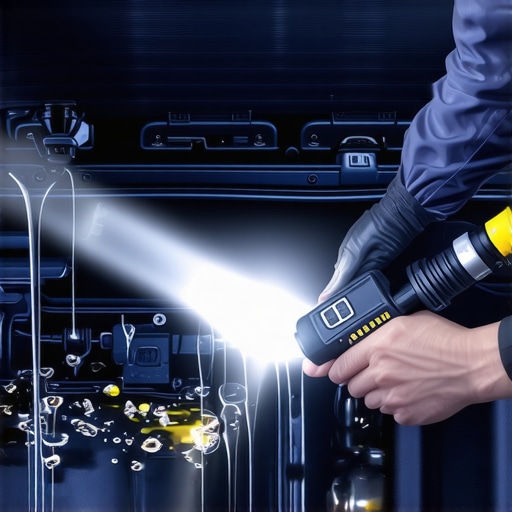
First, park your vehicle on a level surface and engage the parking brake. Open the hood and locate the transmission. In many modern cars, there isn’t a traditional dipstick; instead, you’ll find a fill plug or a scan port. Use a flashlight to inspect these access points. I remember the first time I did this — it was nerve-wracking, but with a little patience, I found the fill plug tucked away beneath the vehicle, near the transmission pan.
Using a Scan Tool to Measure Transmission Temperature
Since many cars without a dipstick require monitoring transmission temperature before checking fluid levels, connect an OBD-II scanner to your vehicle’s port. Turn the ignition on, but don’t start the engine. Read the transmission temperature from the scanner. This step is crucial because fluid levels are temperature-dependent. I purchased a basic scanner; it was inexpensive and paid for itself after a few uses. Contact us if you need assistance choosing the right diagnostic tools.
Gather the Right Tools and Safety Measures
Prepare a clean, lint-free cloth, a small syringe or squeeze bottle, and safety gloves. Wear gloves to avoid contact with hot or contaminated fluid. Keep a fire extinguisher nearby as a safety precaution. This setup ensures you can perform checks safely and accurately. Remember, working under the vehicle can be messy, so use ramps or jack stands for stability.
Measuring the Fluid Level Accurately
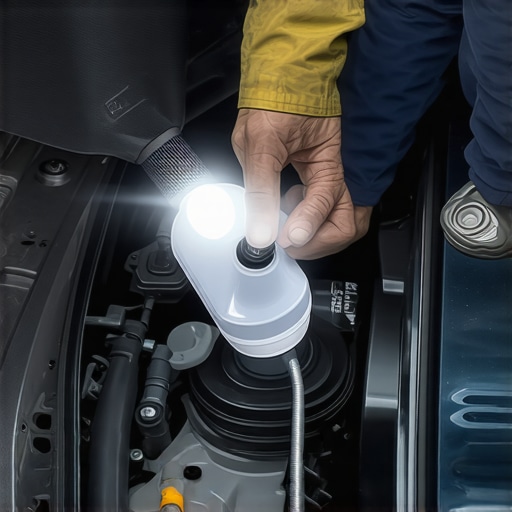
With the engine running at idle and transmission warmed to operating temperature, locate the fill plug. Carefully remove the plug using a wrench. Insert your clean syringe or squeeze bottle into the fill hole and pull out a small amount of fluid, noting the level. If you’re using a dipstick method—available on some models—ensure the reading matches your vehicle’s specifications, usually marked on the transmission case. When I did this, I was surprised how much fluid I could withdraw, revealing the condition of the transmission. ‘ alt=’Transmission fluid check under the hood’ title=’Transmission fluid check process’/>
Assessing Fluid Condition
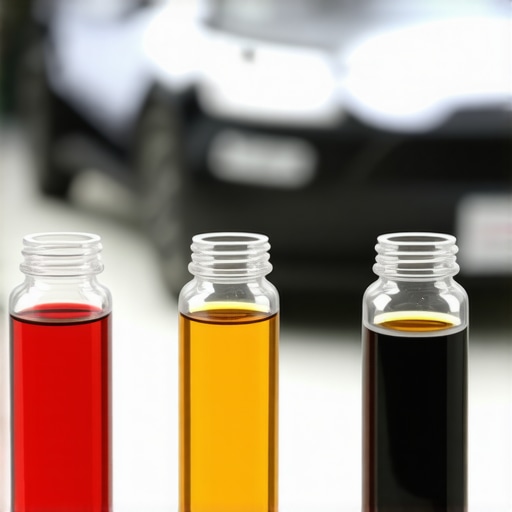
A fresh, clean transmission fluid should be clear pink or red and free of debris. If your fluid appears dark, murky, or smells burnt, it’s time for a fluid change. For detailed guidance, see top oil change tips. Never ignore the scent or appearance, as these are signs of impending transmission issues.
Addressing Low or Contaminated Fluid
If your level is below the recommended mark, top up with the manufacturer-specified transmission fluid. Use a funnel fitted with a long tube to pour fluid into the fill port slowly. Check the level periodically until it reaches the correct height. For contaminated fluid, a full flush might be necessary—better performed by professionals with ASE-certified expertise, which you can verify here learn about ASE certifications. I once attempted a flush myself; it was messy, but it gave me confidence to handle minor maintenance tasks.
Monitoring Over Time
After adjusting fluid levels, keep a log of your checks—monthly if you notice issues or every six months as preventive maintenance. Pay attention to shift smoothness and any unusual noises, which might signal transmission problems. Regular checks help you catch problems early, saving money and reducing breakdown risks. If you’re unsure, consult a professional or explore trustworthy shop options here.
Many car enthusiasts believe that following manufacturer-recommended service intervals and trusting the ASE certification equates to foolproof vehicle maintenance. However, even seasoned owners often get this wrong by overlooking the subtle nuances that can impact longevity and performance. For example, the common myth is that all transmission fluids are created equal. In reality, as highlighted in expert insights, using the wrong type or inferior quality fluids—even if labeled compatible—can accelerate wear and lead to costly repairs here’s why not all transmission fluids are equal. Additionally, many neglect the importance of transmission temperature monitoring, which is a critical factor most overlook, especially in modern sealed systems without dipsticks. Understanding these nuances can be the difference between a smooth-shifting transmission and a complete failure. The oops here is assuming that a quick service or a cheap oil change all you need, ignoring the advanced needs of high-mileage or turbocharged engines which demand synthetic oils and specialized filters, as advised by top industry standards learn more about synthetic oils. Moreover, there’s a trap many fall into: trusting an ASE badge without verifying their specialization. While ASE certification indicates a commitment to training, not all ASE certifications are equal; some technicians may lack advanced diagnostics skills necessary for complex issues like transmission shuddering or slipping. An ASE-certified technician in L1 diagnostics, for instance, can identify electronic solenoid failures that a general mechanic might miss see what ASE L1 entails. For the advanced reader wondering how to distinguish genuine expertise from superficial badges, look for shops that specialize in transmission diagnostics, preferably ones with up-to-date equipment and thorough diagnostic procedures. Remember, a quick oil change at a filthy shop can be more damaging than beneficial if the right oil and filters aren’t used or if the system isn’t properly flushed—a practice with its own pitfalls and misconceptions discover the differences here. The real trap? Relying solely on visual inspections and ignoring fluid analysis. The dark, burnt smell or the presence of tiny metallic shavings can be early signs of wear, but without professional testing, many miss these clues until catastrophic failure occurs. So, the wise owner digs deeper, invests in proper diagnostic tools, and understands that transmission health involves more than just fluid levels—it’s about nuanced care, expert knowledge, and proactive maintenance.
Have you ever fallen into this trap? Let me know in the comments.
How do I keep my transmission working smoothly over time
Maintaining your transmission isn’t just about checking fluid levels once in a while; it requires reliable tools and a disciplined approach. Over the years, I have found that investing in specific equipment and software can significantly extend your vehicle’s lifespan and save you costly repairs. One essential tool I personally rely on is an OBD-II scanner with transmission temperature capabilities. This device allows me to monitor real-time data, ensuring the transmission operates within optimal temperature ranges, which is crucial because fluid levels and condition vary with temperature. I recommend models like the BlueDriver or Innova 3160, mainly because they provide comprehensive diagnostics and are user-friendly for DIY enthusiasts.
In addition to hardware, software platforms like Torque Pro or Car Gauge Pro offer detailed insights and logs that help track transmission health over time. I use these apps regularly, especially when performing maintenance on high-mileage vehicles. They allow me to set alerts for abnormal temperature spikes or shifts in parameter readings, giving early warnings of potential issues before they escalate. Combining hardware and software tools has become a game-changer in my maintenance routine.
For practical maintenance, I measure transmission fluid levels using a syringe or squeeze bottle for precise topping-up, ensuring the fluid is within the recommended range at operating temperature. Whenever I perform a fluid change, I make sure to use the manufacturer-approved synthetic transmission fluid—an investment that pays off by reducing wear and preventing overheating, as detailed in these oil change tips. Regularly checking and maintaining fluid condition, coupled with diagnostic tools, really helps in preventing issues that can lead to costly repairs or replacements.
What future trends will shape transmission maintenance
Looking ahead, I believe the integration of advanced diagnostics with Artificial Intelligence will revolutionize how we maintain vehicle transmissions. Predictive maintenance, using AI algorithms to analyze data from sensors, will foresee failures before they happen—making proactive rather than reactive repairs the norm. Already, manufacturers are developing systems that continuously monitor transmission health and alert owners via smartphone apps. Staying updated with these technological advancements means we can ensure our cars stay reliable longer and adapt our maintenance strategies accordingly.
If you haven’t already, try firmware updates for your diagnostic tools or invest in a quality scan tool that supports transmission-specific data. This small step can provide invaluable insights, especially when combined with routine checks. Remember, consistent maintenance, backed by precise tools and current knowledge, is the secret to keeping your transmission working smoothly for thousands of miles.
For more detailed guidance on diagnosing subtle transmission issues, I recommend reviewing these expert insights. Don’t wait until your vehicle exhibits serious symptoms—start integrating advanced diagnostic tools into your maintenance routine today!
Throughout my journey with vehicle maintenance, I’ve uncovered some unconventional truths about preserving your transmission’s health that most car owners overlook. One of the most pivotal lessons was realizing that relying solely on traditional dipstick checks isn’t enough—especially with modern cars designed with sealed systems. The key is understanding how to interpret transmission health beyond simple levels, recognizing early warning signs, and using advanced tools to stay ahead.
3 Hard-Won Insights That Changed My Approach to Transmission Maintenance
- Not all transmission issues show immediate signs: I learned that subtle shifts, weird odors, or minor vibrations can indicate problems long before lights flash or dashboard warnings appear. Listening to these cues saved me from expensive repairs.
- Using diagnostic tools is empowering: Investing in an OBD-II scanner with transmission features meant I could monitor temperature and performance in real-time, making maintenance less guesswork and more precision-driven.
- Understanding fluid condition is more than levels: Clear, pink fluid isn’t just a color—it’s a sign of good health. Dark, burnt-smelling fluid signals that a replacement or flush is overdue, preventing catastrophic failures.
- Trust but verify ASE expertise: An ASE-certified technician’s skills in diagnostics and repairs are invaluable, but always ask about their specialized training. Pair that with the right tools, and your transmission will thank you.
- Maintenance is about proactive care, not reactive fixes: Regularly checking and interpreting data, understanding manufacturer recommendations, and acting early add years to your transmission’s lifespan.
Motivated to Build Your Own Maintenance Arsenal
If you’re serious about keeping your transmission in top shape, consider tools like the BlueDriver or Innova scan tools—they’re reliable and user-friendly. For learning, I recommend diving into these oil change tips and understanding how proper fluid choices and monitoring can make a real difference. Books on vehicle diagnostics can further deepen your knowledge, transforming you from a mere owner into an active participant in your car’s longevity.
Own Your Vehicle’s Future With Confidence
Every step you take to understand and monitor your transmission without a dipstick brings you closer to confident, stress-free driving. The road ahead is full of possibilities—embrace them with the right knowledge, tools, and proactive mindset. Remember, maintaining your transmission isn’t just about avoiding breakdowns—it’s about empowering yourself to keep your vehicle running smoothly for years to come.
What challenges have you faced trying to assess your transmission’s health? Share your experiences below and let’s learn together!