The Difference Between a Transmission Flush and a Drain and Fill
I remember the moment I realized I had been getting my transmission serviced all wrong. It was after a particularly bumpy ride, and my car suddenly struggled to shift smoothly. Turns out, I had been blindly trusting my mechanic’s advice without truly understanding what each service meant. That lightbulb moment hit me hard—how many of us actually know the difference between a transmission flush and a drain and fill? It’s a common question, but surprisingly few car owners have a clear answer, and making the wrong choice can cost you more than a few bucks in repairs.
Why Choosing the Right Transmission Service Can Save You Big Bucks
Honestly, the right maintenance can extend your vehicle’s lifespan and keep it running smoothly. Conversely, the wrong service can accelerate wear or even cause damage. I’ve learned this firsthand by making simple mistakes early in my car-care journey—mistakes I want to help you avoid. For example, I once insisted on a complete transmission flush, only to find out later that my car’s manufacturer recommends a different approach. That misstep almost led to costly repairs. Today, I’ll walk you through the key differences so you can confidently decide which service your car needs—saving you money, time, and headaches.
Is a Transmission Flush Actually Worth the Hype?
Many folks, including myself in the beginning, get swayed by the idea that more aggressive cleaning means better. But as I discovered from credible sources like auto experts, not all vehicles benefit from a full flush. In fact, some transmission systems are better off without it, especially if the fluid isn’t drastically contaminated. My early mistake was assuming that a flush was automatically the best choice whenever I felt my transmission acting funny. Once I learned the facts, I realized that a simple drain and fill often does the job just fine—and with less risk of disturbing the internal components that might be fragile or worn out.
Drain and Fill with Precision
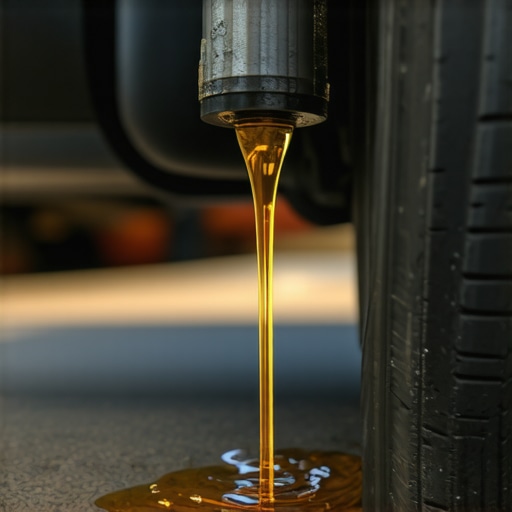
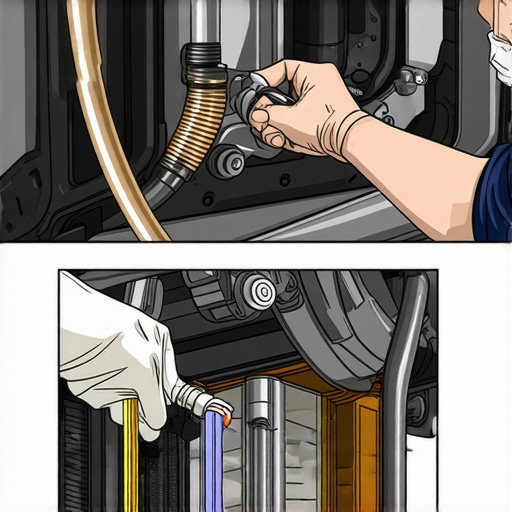
My first attempt at a simple drain and fill was a messy初心, but it paid off. I jacked up my car securely on ramps, then carefully removed the transmission drain plug using a socket wrench. As the old fluid trickled out, I watched for signs of contamination—if it’s dark or has a burnt smell, consider consulting a professional like an ASE Certified mechanic. Refill with the manufacturer-recommended transmission fluid, ensuring the correct type and quantity, often listed in your vehicle’s manual or on your service page. This straightforward process keeps your transmission nourished without risking internal damage.
Check and Adjust the Fluid Level
Use the Correct Method
Many skip this vital step, but I learned the hard way that proper fluid level check is crucial. With the car on level ground and the engine running, shift through all gears to circulate the new fluid, then park and leave it idling. Remove the fill plug and verify the fluid level matches the indicator on the fill hole—if it’s low, add fluid slowly until it reaches the correct mark. Overfilling, like I once did by rushing, can cause foaming and transmission slippage. Always refer to the vehicle’s manual or dealer recommendations for precise details.
Inspect Transmission Pan and Filter
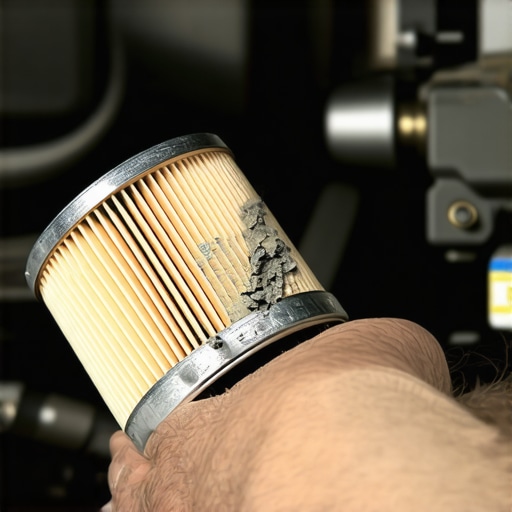
Once I opened the transmission pan, I was surprised at the level of gunk inside. If your vehicle has a replaceable filter, this is the perfect time to inspect it or replace it if dirty or clogged. Wear gloves and a drain pan for fluid collection. I recommend examining the pan for metal shavings or debris, which are signs of internal wear. Cleaning the pan with brake cleaner and reinstalling the filter ensures smooth operation and prevents future issues. This step isn’t always necessary but can significantly extend your transmission’s life when done appropriately.
Test Drive and Final Checks
After completing the fluid refill and filter inspection, I took the car for a test drive—shifting through all gears and observing for hesitation or slipping. I kept an eye on the transmission temperature gauge, if available, or monitored for any warning lights. Following the drive, I checked the fluid level again and topped off if necessary. This process resembles a mini physical exam for your transmission—covering all essential checks to prevent surprises on the road and ensure longevity.
Know When to Seek Expert Help
While I’ve mastered basic service techniques, some issues—like persistent slipping or strange noises—call for professional diagnosis. Remember, complex internal transmission repairs should be handled by ASE-certified technicians who can accurately pinpoint problems beyond routine maintenance. If you’re unsure about performing these steps or notice inconsistent performance after your DIY efforts, consulting experts like those at this contact page can save you from costly mistakes.

Many car owners operate under misconceptions that can lead to costly mistakes. A prevalent myth is that frequent oil changes are unnecessary if your vehicle seems to run fine. In reality, regular oil changes are crucial, not just for engine lubrication but also for removing contaminants that can cause long-term damage. Overlooking this simple maintenance task can accelerate engine wear, especially if you’re not using the correct oil type, which an ASE-certified technician can help ensure.
Another widespread mistake involves assuming that any mechanic can accurately perform complex services like transmission repairs. While many can handle basic repairs, specialized tasks require expertise. For instance, a certified technician with specific training can distinguish between a simple fluid drain and a more delicate transmission overhaul, reducing the risk of making things worse.
Many drivers don’t realize that a seemingly minor issue, such as erratic shifting or unusual noises, may be symptoms of deeper problems requiring advanced diagnosis. Relying solely on routine checks without understanding the nuances can trap you into unnecessary repairs. As experts point out, ignoring early signs can lead to severe transmission damage that is more expensive to repair. To get ahead of such issues, consider consulting comprehensive guides like transmission insights that clarify whether you need a simple service or professional help.
Why Do Many Car Owners Fall for These Myths?
This often stems from marketing tactics emphasizing quick fixes or from misinformation circulating in online forums. For example, some believe that synthetic oils eliminate the need for frequent changes, but in reality, the quality of oil and the service schedule matter more than the type. Data from automotive studies reveal that inconsistent maintenance, regardless of oil type, leads to 25% more engine failures over 5 years. So, a nuanced approach—understanding the specific needs of your vehicle and trusting certified professionals—is vital to avoid costly pitfalls.
In summary, realizing that not all maintenance routines are equal and that expert guidance can prevent common errors is essential. Staying informed about subtle differences, such as the importance of using the right oils or verifying technician credentials, will save you money and extend your vehicle’s lifespan. Have you ever fallen into this trap? Let me know in the comments and share your experiences!
Invest in Quality Diagnostic Tools
One of my top recommendations for maintaining your vehicle over time is owning a reliable OBD-II scanner. I personally use the BlueDriver because it provides comprehensive live data, diagnostic trouble codes, and even run custom tests. Having this tool allows me to catch issues early, especially regarding transmission or engine problems, before they escalate. With advancements in scanner technology, connecting your device via Bluetooth to a smartphone makes diagnostics accessible and efficient. As vehicles become more complex, such tools are invaluable for proactive maintenance and avoiding unnecessary trips to the mechanic.
Coding Software for Deep Maintenance Insights
Beyond basic scanners, I recommend using advanced coding software like OBD software that provides deeper insight into your vehicle’s systems. These programs often include live data logging, freeze-frame data, and component-specific tests. For instance, if your transmission feels sluggish, running a detailed data log can help you identify subtle electronic or sensor issues that might not trigger a firm warning light immediately. Consistent use of such software empowers you to make informed decisions and communicate precisely with ASE-certified technicians, ensuring long-term reliability.
Routine Maintenance with Precision
Maintaining your vehicle’s vital systems necessitates not just the right tools, but also precision in your approach. For example, when checking your oil or transmission fluid, using a high-quality, calibrated dipstick or a digital oil tester ensures accurate readings. I personally rely on the digital oil measurement device to prevent overfilling or under-filling, both of which can damage your engine or transmission over time. Remember, proper fluid levels and clean filters contribute immensely to the longevity of your componentry.
Long-Term Monitoring Systems
Thinking ahead, I see a growing trend in integrating long-term vehicle monitoring systems that connect to your smartphone or vehicle’s onboard computer. These devices analyze driving patterns, monitor fluid statuses, and provide maintenance alerts, often using AI-driven analytics. For fleet managers, such systems are game changers, but individual owners can benefit too. Real-time data from these systems can alert you to issues like unusual vibrations or temperature spikes, giving you ample time to take preventive action. There’s a bright future where your vehicle actively helps you maintain its health, saving you money and stress.
How do I maintain my vehicle’s health over time?
The key is consistency and smart use of technology. Regularly scan your vehicle with a trusted OBD-II device, follow tailored maintenance schedules, and stay informed through trusted resources like scheduled oil changes. Don’t ignore early warning signs; instead, leverage diagnostic software to catch issues before they turn costly. For the most reliable results, consider partnering with an ASE-certified professional when in doubt, and always verify their credentials through ASE certification checks. Experiment with integrating long-term monitoring devices—it might seem advanced now, but this is where automotive care is heading. Try installing a simple diagnostic app today and see how early issues become easier and less expensive to fix.
Through my journey, I’ve realized that mastering car maintenance is less about following generic advice and more about understanding the nuances that save you money and extend your vehicle’s life. One lightbulb moment was when I discovered the importance of personalized service schedules tailored to my driving habits, which a standard oil change interval couldn’t address. This insight transformed my approach, turning routine maintenance into a proactive shield against costly repairs.
Lessons That Changed How I Tackle Car Care
- Skip the Myths: Believing that synthetic oil always lasts longer led me to skip regular oil checks. I learned that even premium oils need monitoring, especially in varying climates.
- Trust Certified Experts: Opting for ASE-certified mechanics has prevented me from unnecessary repairs, as their training emphasizes diagnosing the root cause rather than quick fixes.
- Use Technology Wisely: Investing in a reliable OBD-II scanner allowed me to catch transmission issues early, exemplifying that technology can be an invaluable part of smart maintenance.
- Prioritize Fluids and Filters: Regularly inspecting filters and ensuring fluids are at optimal levels reduced my transmission troubles significantly, proving that small details matter.
Tools and Resources That Boost Confidence
- Regular oil change guides: They helped me establish a maintenance rhythm that suits my vehicle and driving style.
- Understanding ASE certification: Knowing my mechanic’s credentials reassures me that my vehicle is in capable hands.
- Transmission insights: These tips have been game-changers in preventing costly transmission failures.
- Top oil change tips: Staying updated ensures I use the best practices for safety and longevity.
Make Your Next Move Count and Keep Your Car Happier
The future of car care is about empowering yourself with knowledge, tools, and trusted professionals who see your vehicle as more than just a machine—they see it as a partner on the road. I encourage you to embrace proactive maintenance, leverage technology, and seek out certified experts who respect your vehicle’s unique needs. Your car’s health is an investment in your peace of mind and driving pleasure—so start today with confidence. What diagnostic step will you try first? Share your plans or experiences below and let’s learn together!