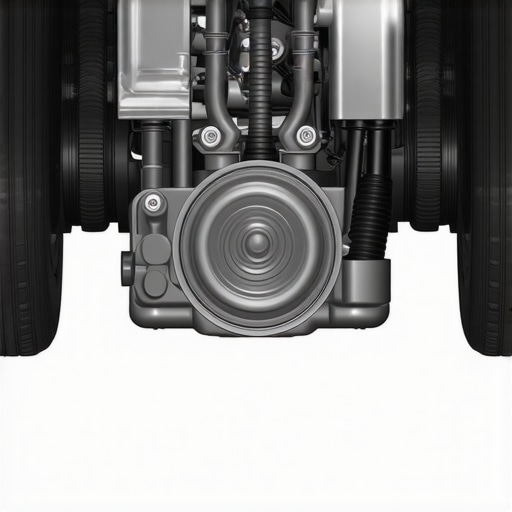
Why Your Transmission Shifts Hard Only When You Are in Reverse
It happened again—you’re backing out of your driveway, and just like that, your transmission decides to throw a tantrum. The shift from drive to reverse feels rougher than a bumpy ride, leaving you wondering, what did I do wrong? I remember the first time I experienced this: I was in a rush, trying to get to work, and my car jolted hard in reverse. It was unsettling, to say the least. That moment made me realize how crucial smooth gear shifts are—not just for comfort, but for your vehicle’s health too.
What’s Behind That Annoying Reverse Shift?
Most folks brush off a rough reverse shift as just another quirk of an aging car. But there’s usually a deeper issue lurking—something that’s often linked to the quality of your transmission fluid or internal components wearing out. When I first encountered this, I made the mistake of ignoring it for too long, thinking it was normal early-onset aging. Big mistake. Regular maintenance, including proper oil changes, can make all the difference.
If you’re tired of that sudden jolt every time you shift into reverse, stick around. We’ll explore reliable ways to pinpoint the problem and ensure your transmission stays smooth as butter.
Is It Worth Fixing or Just a Sign to Upgrade?
Honestly, I was skeptical when I first heard about transmission repairs—thought it might just be a money pit. But after some consultation and proper diagnosis, I realized that many of these problems are preventable or fixable with the right approach. One key mistake I made early on was skipping regular oil changes, which is often a simple fix that can save you hundreds. For instance, scheduling regular oil changes, like those discussed in top oil change tips for 2025, helps keep your transmission fluid clean and effective. If you’re experiencing similar issues, don’t hesitate to reach out to a trusted mechanic—more on that shortly.
Now, let’s dive into how you can tackle this problem head-on, saving yourself money and stress down the road.
Start with the Right Tools and Prep
Gather essential tools like a socket wrench, drain pan, new transmission fluid, and a funnel. Remember, using high-quality, OEM-recommended oil, as discussed in top oil change tips for 2025, is crucial to maintain transmission health. I recommend wearing gloves and safety glasses, as transmission fluid can be hot and messy. In my experience, taking a clean, organized approach prevents unnecessary spills and confusion.
Locate and Access Your Transmission Pan
Identify the drain plug on your transmission pan—it’s usually at the bottom. Jack up your vehicle safely and secure it with jack stands. I once underestimated the importance of proper support, which made a minor oil spill messier, but now I always double-check stability. Removing the drain plug with a socket wrench allows the fluid to flow into the pan below. Be prepared for a steady stream; patience is key.
Drain and Refill Transmission Fluid
Allow all old fluid to drain completely before replacing the drain plug tightly. Use the funnel to add new transmission fluid, matching the quantity specified in your vehicle’s manual. It’s vital not to overfill; too much can cause foaming and shifting issues. When I performed my first DIY change, I used a transparent container to monitor the level precisely, which proved immensely helpful.
Check Fluid Level Carefully
Start your engine and let it run for a few minutes to circulate the new fluid. Shift through all gears slowly, then park and keep the engine running. With the engine idling, check the fluid level on the dipstick—if your vehicle doesn’t have one, consult a professional on the correct procedure. For accurate results, do this while the engine is warm, following recommendations from why regular oil changes extend your car’s lifespan.
Monitor Your Transmission Performance
Test your vehicle’s shifting by moving through all gears, paying close attention to any roughness or slipping. An immediate smooth shift indicates successful maintenance. If shifts remain jerky or sludgy, it might be time for a professional diagnosis, as outlined in transmission troubleshooting tips. Remember, regular inspections and oil changes prevent issues before they escalate, saving you costly repairs later.
Schedule Follow-Up Checks
After your DIY oil change, keep an eye on fluid levels weekly for the first month. Look out for signs like delayed engagement or slipping gears. Regularly consulting with ASE-certified techs, as explained in what ASE certification signifies, helps maintain your vehicle’s health and longevity. The more attentive you are, the fewer surprises you’ll face on the road.
My first attempt was a bit messy, with spilled fluid on the driveway, but the satisfaction of doing it myself was worth it. With practice, the process becomes quick, clean, and a powerful way to extend your car’s lifespan while avoiding unnecessary trips to the shop.
While many vehicle owners follow the basics of oil change schedules or trust that an ASE certification guarantees flawless service, the reality is far more nuanced. Contrary to popular belief, not all oils are created equal, and the emphasis on regular maintenance is often misunderstood or underestimated. One common myth is that simply changing oil every 3,000 miles suffices, but as highlighted in this expert insight, modern synthetic oils can extend this interval significantly when used correctly. Overlooking this nuance can lead to unnecessary expenses or, worse, engine damage.
This leads us into the critical aspect of transmission care. Many assume that transmission issues are inevitable as a car ages, but the reality is that advanced neglect or misunderstanding plays a significant role. It’s a trap to think only high-mileage vehicles require attention. In fact, professional guidance reveals that frequent fluid checks and early diagnostics can prevent costly repairs—yet, many skip these preventative steps, often citing the misconception that transmission repairs are always expensive. Don’t fall for this trap; proactive maintenance, including proper fluid management, is key to longevity.
Now, regarding ASE certification, some believe it’s a catch-all mark of automotive excellence, but in practice, not all ASE-certified technicians possess the same level of skill or specialization. It’s a common mistake to assume that certification equates to expertise in all vehicle makes and models. According to this detailed explanation, ASE certification tests specific competencies, but it doesn’t necessarily guarantee that a technician is the best fit for your unique car. To avoid misjudgment, it’s wise to look for specialists with relevant experience or additional certifications tailored to your vehicle’s needs, as highlighted in our guide on how to choose qualified car service providers.
What advanced mistakes do car owners often overlook, and how can understanding these nuances save you money?
One subtle trap involves underestimating the importance of high-quality fluids and precise service procedures. For instance, using generic or low-grade transmission fluid might seem cost-effective initially but can accelerate wear and compromise shifts—details covered extensively in this expert analysis. Additionally, neglecting to verify a technician’s specific expertise in your car’s make can lead to improper repairs that cost more in the long run. Remember, regular maintenance isn’t just about following a schedule but about understanding the quality and appropriateness of each service step.
So, next time you’re due for an oil change or thinking about your transmission health, ask yourself: Am I relying on the right information? Have I considered the subtle factors that might be affecting my vehicle’s performance? Equip yourself with knowledge and consult reputable sources—your vehicle’s lifespan depends on it. And if you’re unsure about your current service provider, reach out to experts here to ensure your car gets the attention it deserves. Sharing your experiences can help others avoid these common pitfalls, so let me know in the comments—have you ever fallen into this trap?
How do I maintain my vehicle over time without breaking the bank?
Maintaining your vehicle for the long haul relies heavily on having the right tools and adopting effective routines. One of my top investments has been a high-quality digital scan tool like the AutoCodePro DS150E. It allows me to quickly read and clear trouble codes, monitor sensors, and ensure everything operates within normal parameters—saving time and money by catching issues early. Additionally, I use an ultrasound leak detector to identify minor transmission fluid leaks before they turn into costly repairs.
For routine maintenance, I rely on a sturdy torque wrench to ensure bolts are tightened to factory specifications, preventing issues like oil leaks or component failures. I personally prefer the Tekton 1/2-Inch Drive Click Torque Wrench because of its durability and calibration accuracy. Accurate torque application is essential because over-tightening can damage parts, while under-tightening leads to leaks or loosened components.
To stay ahead of potential problems, I also keep a wireless OBD-II scanner app on my smartphone, like the BlueDriver, which pairs with my car’s ELM327 Bluetooth interface. It provides real-time data, live sensor readings, and easy-to-understand diagnostics—making regular checks a breeze. These tools have become indispensable because they give me the confidence to perform minor repairs or identify when professional help is needed.
Looking into the future, I believe that as vehicle systems become more interconnected, smart diagnostic tools combined with AI will help vehicle owners identify issues faster and more precisely. Staying updated with the latest tech ensures your maintenance routines evolve along with your car’s complexity.
Make routine maintenance easier with reliable methods
Adopting a systematic approach to maintenance not only extends your vehicle’s lifespan but also saves money. When I perform oil changes, I prefer to use a quality synthetic oil like Mobil 1, which I find offers better protection and longer intervals between changes. Utilizing a funnel with a filter —like the Lisle 22800 Funnel with Screen—helps me pour oil cleanly and avoid spills. Precise, clean procedures prevent contamination and ensure optimal performance.
For transmission service, I always review expert insights to select the right fluids and follow recommended service intervals, which I typically check against the manufacturer’s specifications. Making it a habit to inspect fluid levels monthly, especially during seasonal changes, helps identify problems before they escalate.
Finally, trusting a certified mechanic—preferably ASE-certified—ensures that complex tasks like transmission rebuilds or computer diagnostics are handled professionally. For trusted providers, I recommend reaching out via our contact page, where expert technicians can assist with specialized diagnostics and repairs.
Regularly updating your tools and maintenance routines aligns with the evolving landscape of vehicle technology. Start by trying out a smart scan tool or a precision torque wrench today—small investments that pay off in the long run.
What I Wish I Learned About Oil Changes and Transmission Care Early On
- Not All Oils Are Created Equal—Choose Wisely: I used to think any oil would do, but discovering top synthetic oils and understanding their benefits made a huge difference in my vehicle’s longevity. The subtle quality differences can prevent costly repairs down the line.
- Regular Fluid Checks Save Money and Stress: Waiting for warning signs is a mistake. Proactively inspecting your transmission and engine fluids, as discussed in this resource, can help catch issues early.
- Myth Busting ASE Certification Efficacy: I learned that while ASE certification is valuable, it doesn’t replace choosing specialists with relevant experience for your specific make and model. Doing a little homework pays off.
- Maintenance is a Personal Investment: Taking the time and effort to learn simple DIY techniques, like oil drain procedures, empowered me and saved money. It is a skill worth developing for every car owner.
- Don’t Underestimate Small Issues: Tiny leaks or rough shifting might seem insignificant, but they often signal deeper problems. Addressing them early with guidance from these insights can prolong your car’s life.
My Toolbox for Smarter Car Care
Personal experience taught me the importance of having the right tools. My trusted kit includes a high-quality synthetic oil like Mobil 1, a reliable impact wrench for stubborn bolts, and a wireless OBD-II scanner that keeps me updated on every sensor alert. These tools make regular maintenance manageable and prevent surprises.
Your Journey Starts Now — Take Control
Maintaining your vehicle over the years is not just about following schedules but cultivating a mindset of proactive care. Small steps, like scheduling that oil change or inspecting transmission levels, build a habit that pays dividends in reliability and safety. Remember, investing in understanding your car’s needs empowers you to drive confidently into the future.
What’s your biggest takeaway from this guide? Have you uncovered a hidden gem in your routine maintenance that has made a difference? Share your stories below, and let’s learn from each other’s experiences. Together, we can keep our vehicles running smoothly for miles to come!
,