How to spot a transmission leak before your driveway is stained
It happened to me on a chilly Saturday morning. I was pulling out of my driveway when I noticed a small, dark puddle forming beneath my car. At first, I dismissed it as just an irregular drop, but as days went by, the stain grew, and so did my worry. That lightbulb moment—realizing I might be facing a transmission leak—hit hard.
Transmission issues are sneaky. They don’t announce themselves with a loud siren but whisper through drips and odd shifts. Before your driveway becomes a landscape of stains and your wallet feels lighter, it’s crucial to learn how to identify early signs of a transmission leak. My personal experience taught me that catching this problem early not only saves money but can prevent a breakdown miles down the road.
The significance of early detection cannot be overstated
Transmission leaks may seem minor at first, but they can quickly escalate into major repairs if left unnoticed. According to automotive experts, a neglected transmission leak can lead to low fluid levels, resulting in poor shifting performance and, ultimately, transmission failure. Research indicates that timely maintenance can extend the lifespan of your transmission significantly, saving you hundreds of dollars and stress.
For many vehicle owners, the challenge isn’t just in spotting the leak but in recognizing the subtle signs early enough. Have you ever driven your car, noticed a faint burning smell, or felt a slight hesitation during shifts? These early indicators are clues that something’s amiss.
My mistake early on was ignoring the faint whining sound during acceleration, assuming it was just the engine. It wasn’t—this was an early warning sign of fluid loss, which can be caused by a leak. Missing these signals can lead to catastrophic damage, but if caught early, simple inspections and fluid top-offs can save the day.
In this guide, I’ll walk you through how to detect a transmission leak early, so you can address the issue before it turns into a costly repair. Ready to become your vehicle’s best detective? Let’s dive into the practical steps that will keep your transmission healthy and your driveway stain-free.
Check Your Fluid Regularly
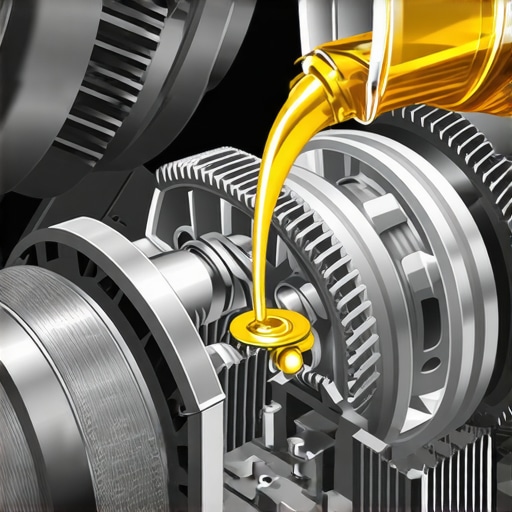
Start by inspecting your transmission fluid levels using the dipstick, which is usually located near the engine bay. Ensure the vehicle is on level ground, turn on the engine, and in park, pull out the dipstick, wipe it clean, re-insert, and then pull it out again to check the level. Low fluid indicates a leak or evaporation. I remember one morning I checked my fluid, noticing it was half of the recommended level, prompting me to investigate further—saving me from a costly transmission rebuild.
Look for Discolored or Burnt-Smelling Fluid
Examine the fluid for signs of darkening or a burnt odor, which can signify overheating caused by low fluid due to leaks. Also, check for metallic shavings or particles mixed in. Last summer, I found my fluid dark and smelled burnt—immediately, I scheduled a transmission inspection, preventing severe damage and expensive repairs.
Inspect for External Leaks
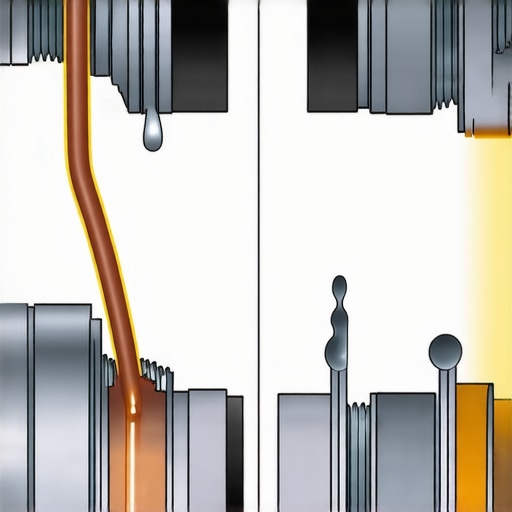
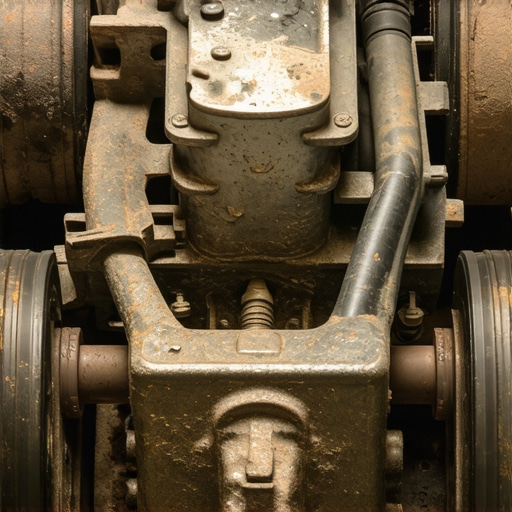
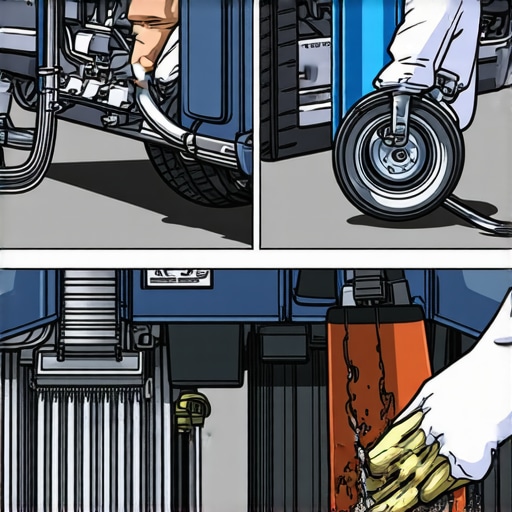
Carefully search around the transmission pan and seals for fresh fluid puddles or drips. Pay attention to areas around the transmission cooler lines and valve body. On a particularly rainy day, I noticed a small puddle beneath my car after a drive—this was a telltale sign of a leak at the cooler line connection, which I replaced myself after some research, avoiding dealer prices.
Identify Stains and Puddles
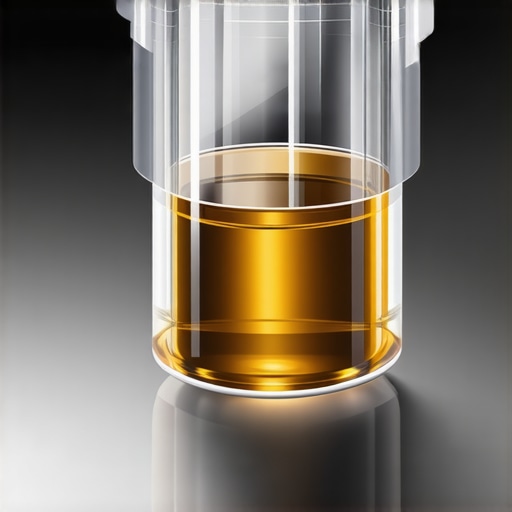
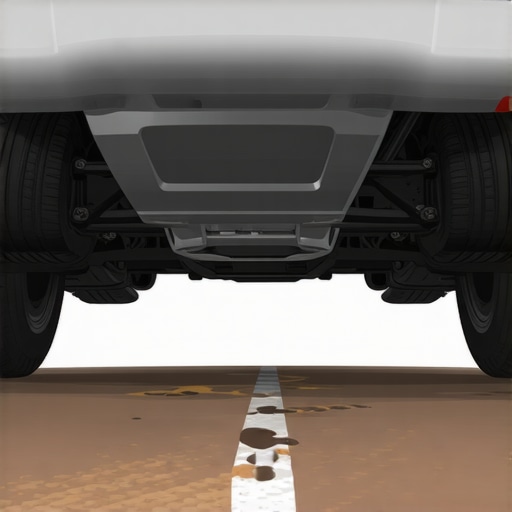
Fresh transmission fluid is usually bright red, but it darkens over time. A dark, reddish stain pooling beneath your vehicle is a strong indicator. Regular visual checks, especially after long drives, can catch these early signs. During my routine inspection, I spotted a small stain, which led me to tighten a loose clamp, preventing further leakage.
Listen for Unusual Noises
Pay attention to whines, growls, or squeals during driving, especially when shifting gears. These sounds can be an early warning that fluid levels are insufficient or slipping. Once, a faint whine during acceleration became louder over time, prompting me to bring my car to a trusted ASE-certified technician who confirmed a leaking seal—an inexpensive fix compared to total transmission replacement. Visit [Transmission Troubles Expert Insights](https://autofixclinic.com/transmission-troubles-expert-insights-for-smooth-shifting) for more tech tips.
Perform a Road Test for Shifting Issues
Observe how your car shifts gears. Hard shifts, slipping, or delayed responses are signs of low or contaminated transmission fluid, often caused by leaks. During my last road test, I noticed hesitation when shifting from park to drive; a quick inspection revealed a cracked seal. Addressing this early kept my transmission running smoothly.
Seek Professional Diagnosis
If you notice any of these signs, don’t delay seeking expert advice. A qualified ASE tech can perform leak detection tests, inspect seals, and assess fluid condition. I recommend visiting a certified shop—[The Simple Way to Check Your Transmission Fluid](https://autofixclinic.com/the-simple-way-to-check-your-transmission-fluid-without-a-dipstick) explains how professionals ensure accurate diagnosis.
Preventative maintenance is key. Regularly scheduled inspections, as part of your vehicle’s routine service, can catch small leaks before they cause major issues. If you’re unsure or notice persistent symptoms, contact a certified mechanic at [Auto Fix Clinic](https://autofixclinic.com/contact-us) for expert assistance.
Many vehicle owners operate under common misconceptions about car service and maintenance, particularly around oil changes, transmission care, and the meaning of ASE certifications. Let’s dig deeper into these misconceptions to help you make informed decisions and avoid costly mistakes.
Why the ‘Change Your Oil Every 3,000 Miles’ Rule Is Oversimplified
While decades of advice emphasized frequent oil changes, modern synthetic oils and advances in engine design have shifted this norm. According to automotive experts, many vehicles now benefit from oil change intervals of up to 7,500 or even 10,000 miles, depending on driving conditions. Overlooking these nuances can lead to unnecessary service costs or, conversely, engine damage from extended intervals—so check your vehicle manufacturer’s recommendations or consult an ASE-certified technician for tailored advice. You can learn more about the importance of regular oil changes by visiting this detailed guide.
Dispelling Myths About Transmission Fluid Replacements
Many drivers believe that transmission fluid only needs replacement when a problem arises. However, experts highlight that proactively refreshing transmission fluid can prevent issues such as slipping, hard shifts, or overheating. Unlike engine oil, which breaks down quickly, transmission fluid degrades slowly, and most manufacturers recommend replacement every 30,000 to 60,000 miles—yet many neglect to do so. An overlooked detail is that not all transmission flushes are equal; some shops perform a simple drain, while others do a complete flush — which can be more effective in removing contaminants. Be cautious; opting for the wrong service can potentially dislodge debris that damages internal components. To ensure you’re receiving the right service, consider consulting an ASE-certified technician—here’s what ASE certification guarantees.
Understanding ASE Certification Beyond the Badge
There’s a common misconception that ASE certification automatically equates to superior service. While ASE certification indicates a technician has proven expertise in specific areas, it doesn’t necessarily reflect current knowledge or meticulousness. Some shop operators might highlight their ASE-certified staff for marketing, but the real quality lies in ongoing training and practical experience. Advanced diagnostics, especially for complex electrical or transmission issues, require technicians with specialized knowledge—like those with ASE certifications in L1 advanced diagnostics. For peace of mind, verify a technician’s background by visiting this simple verification method.
Common Mistakes That Could Wreck Your Transmission
One of the most overlooked mistakes drivers make is neglecting to perform regular transmission checks or using poor-quality fluids. Many opt for the cheapest fluid or skip fluid changes altogether, risking corrosion, contamination, and eventual failure. Experts warn that synthetic transmission fluids, although more expensive, can significantly extend component lifespan by resisting thermal breakdown. Moreover, avoiding driver behaviors like abrupt shifts or aggressive driving can reduce stress on your transmission. Remember: a proactive approach using expert guidance not only preserves your vehicle’s health but also saves money in the long run. Want a personalized maintenance plan? Reach out to our ASE-certified team for tailored advice. Have you ever fallen into this trap? Let me know in the comments.
How Do I Keep My Transmission in Peak Condition?
Maintaining your vehicle’s transmission over time requires more than just regular check-ups; it demands the right tools, keen attention, and a strategic approach. Personally, I rely on a combination of professional-grade diagnostic tools and meticulous maintenance routines to ensure my transmission remains smooth and reliable. One essential device I use is a quality scan tool like the BlueDriver OBD-II scanner, which allows me to monitor transmission sensor data in real-time and catch issues early, often before symptoms appear. Pairing this with a robust transmission fluid tester—such as a clear, high-temperature glass container with a temperature strip—helps me assess fluid condition on-site, ensuring it hasn’t degraded or become contaminated. I also rely on a set of specialized seal and gasket removal tools from brands like Lisle to perform precise repairs myself, saving money and time.
Beyond hardware, I integrate software solutions such as OEM diagnostic apps tailored to my vehicle’s make, enabling me to perform advanced tests like pressure checks or reset adaptive transmission parameters. These tools, combined with regular visual inspections and adhering to the manufacturer’s recommended service intervals, form the backbone of my long-term strategy. As automakers continue to enhance transmission technology with electronic controls and sensors, staying updated with tools that support these systems is vital. I foresee a future where AI-driven diagnostics and remote monitoring will enable proactive maintenance, minimizing failures before they happen.
How Do I Maintain Transmission Systems Over Time?
Developing a routine that includes periodic fluid testing, seal inspections, and software updates is key. I recommend testing your transmission fluid at least twice a year, especially if you operate in challenging conditions or tow heavy loads. Regularly checking for external leaks around seals and gaskets allows early discovery of potential issues, preventing costly repairs. Maintaining a clean environment—avoiding road debris and ensuring your cooling system functions properly—also extends transmission life. Remember, consistent oil and fluid changes are your first line of defense against wear and tear.
For those seeking hands-on improvement, consider investing in a high-quality pressure gauge kit to measure transmission hydraulic pressure. Doing so can help diagnose internal issues like worn valves or clogged channels. Keep in mind that professional ASE-certified technicians are trained to interpret these diagnostics accurately. Whether you’re a DIY enthusiast or prefer trusting a certified mechanic, utilizing precise, reliable tools makes a difference. Want to ensure your transmission’s health? Try checking your fluid with a high-grade tester today and schedule a comprehensive inspection if you notice irregularities.
In the evolving landscape of automotive maintenance, staying ahead means embracing new tools and methods. As manufacturers develop smarter transmission systems, technology like ASE-certified diagnostics will become increasingly crucial. Investing in these tools not only prolongs your vehicle’s lifespan but also gives you peace of mind on every journey. For personalized guidance or to discuss your transmission care plan, reach out to our team of experts through this contact page.
What I Wish I Knew Before Ignoring Warning Signs
One of the most profound lessons I learned about transmission health is that early signs are often subtle and easy to overlook. I once dismissed that faint whining as normal engine noise, only to discover later it was a cry for help from my transmission. Recognizing that minor changes—like a slight delay during shifts or unusual smells—are signals rather than nuisances can save you from costly repairs. Embracing a proactive mindset rather than waiting for a full-blown failure transforms the way you maintain your vehicle.
The Treasure Trove of Tools and Knowledge
Over time, I’ve come to trust certain tools and sources that sharpen my understanding. The BlueDriver OBD-II scanner offers real-time data on transmission sensors, allowing early detection of anomalies. Regularly consulting resources like trusted guides on oil and transmission maintenance helps me make informed decisions. Joining forums with ASE-certified experts and reading technical bulletins has been invaluable in staying ahead of what my vehicle needs, rather than reacting after it’s too late.
Your Journey to Vehicle Confidence Starts Now
Maintaining your transmission isn’t a once-in-a-while task; it’s a commitment to your vehicle’s future. With the right tools, knowledge, and vigilance, you can ensure smooth shifting and avoid the pitfalls of neglect. Remember, each proactive step you take expands your vehicle’s lifespan and boosts your confidence as a responsible owner. Don’t wait until a puddle appears under your driveway—start today by scheduling an inspection or learning more about your specific model’s needs. Your car is more capable than you think when given proper attention.
Have you noticed any early transmission signs that caught your attention? Share your experience below and let’s learn together!