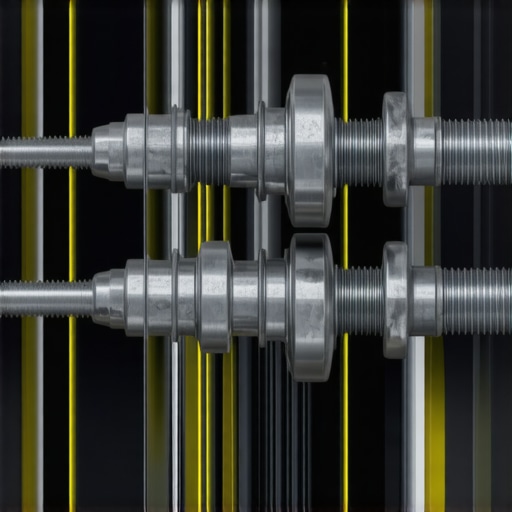
The Danger of Using the Wrong Power Steering Fluid in Your Rack
It hit me during a routine oil change—my steering suddenly felt heavier, less responsive. I brushed it off as a minor issue, but as days went on, I realized I might have made a costly mistake. That lightbulb moment made me realize just how crucial the right power steering fluid is for your vehicle’s health. Many drivers overlook this small but vital detail, and the consequences can be downright costly.
Why Choosing the Correct Power Steering Fluid Matters
When I first started working on cars, I naively thought all power steering fluids were pretty much the same. Turns out, not even close. Using the wrong fluid can lead to unexpected symptoms—noisy steering, difficulty turning, and in worst cases, complete rack failure. It’s akin to giving your car a diet of the wrong fuel; over time, the effects add up. According to industry experts, incompatible fluids can cause corrosion and damage to the seals inside your steering rack, which costs a pretty penny to repair.1
The key is understanding what your vehicle needs. Vehicle manufacturers specify a particular type of power steering fluid because it interacts with your steering components in a very specific way. When I made the mistake early on of not double-checking my owner’s manual or consulting with a trusted mechanic, I paid the price—a steering rack replacement that could’ve been avoided.
If you’re wondering whether you’re using the right fluid or not, you’re not alone. It’s common for drivers to overlook this detail, especially during DIY maintenance. But considering the potential damage and repair costs, it’s an investment in your car’s longevity to get this right from the start.
Want to avoid costly repairs and keep your steering smooth and reliable? Stay tuned. We’ll uncover exactly how you can identify the right fluid, the pitfalls of using the wrong one, and simple steps to ensure your rack stays healthy for miles to come. Ready to become more confident about your car’s maintenance?
Is the Hype Around Power Steering Fluid Actually Justified?
Many skeptics ask if all this fuss about choosing the right power steering fluid is really necessary. Honestly, I was one of them. But after my own experience, I see why it’s such a big deal. It’s easy to dismiss it as a minor detail—until your steering starts acting up. A little knowledge and attention can save you hundreds, even thousands, in repairs down the line.
In the end, paying close attention to what’s going into your car isn’t just about avoiding costs; it’s about maintaining safety and peace of mind. If you’ve ever faced steering issues after a simple fluid top-up or oil change, you know exactly what I’m talking about. Curious how to make sure you’re using the right fluids from now on? I’ll walk you through that next, along with some practical tips I’ve gathered through experience. Let’s dive in.
Select the Correct Power Steering Fluid
Start by consulting your vehicle’s owner manual to identify the recommended type of power steering fluid. During my last oil change, I pulled out the manual and double-checked, realizing I needed a specific synthetic blend. Using the wrong fluid is like trying to fit a square peg in a round hole—inefficient and potentially damaging. Make a habit of always verifying the recommended fluid type before topping off or replacing it.
Inspect and Drain Old Fluid Properly
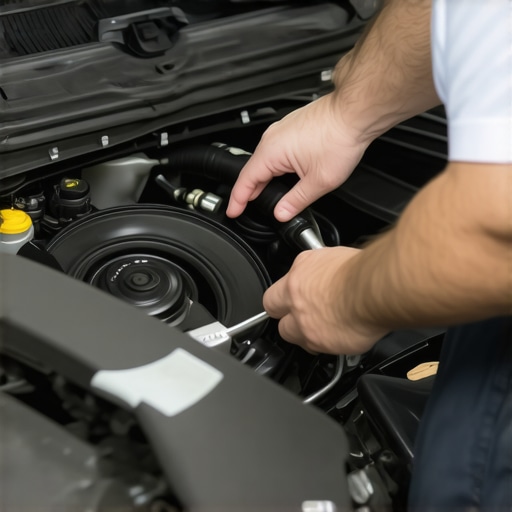
Before adding new fluid, it’s essential to remove the contaminated or degraded fluid. I use a turkey baster or a specialized fluid extractor to remove as much old fluid as possible through the reservoir opening, mimicking a mini transmission flush. For more thorough cleaning, some vehicles require a complete drain and refill, which is best performed following manufacturer guidelines or by a certified mechanic. Skipping this step can cause mixing incompatible fluids, leading to corrosion or seal damage.
Use a Clean Container and Environment
Ensure that the container you transfer or pour the fluid into is spotless and dry. Contaminants like dirt or water can compromise your steering system’s integrity. When I changed my fluid last, I took extra care to clean the funnel and container thoroughly, preventing dirt from entering the system. Remember, even small dirt particles can cause significant wear over time, so patience here is key. Keep the area free of dust and debris during the operation for best results.
Refill with Precision
Pour the new power steering fluid slowly, paying attention to the manufacturer’s specified amount. Overfilling can cause foaming and improper steering feel, while underfilling leads to insufficient lubrication. I always use a funnel to reduce spills and monitor the reservoir level closely, referencing the dipstick or markings. After filling, start the engine and turn the steering wheel lock-to-lock several times to circulate the fluid, then recheck the level—adding as necessary. This ensures that the fluid circulates properly and removes air pockets.
Beware of Mixing Fluids and Seal Compatibility
Mixing different brands or types of power steering fluids can cause chemical reactions that damage seals or reduce lubrication effectiveness. When I upgraded my fluid, I verified that the new fluid was compatible with the old one by checking the certifications and engine manual. Also, consider the type of system—some vehicles require mineral-based fluids, while others prefer synthetic blends. Always avoid mixing unless explicitly approved by your vehicle manufacturer. To deepen your understanding of vehicle maintenance standards, check out what ASE certification signifies.
Final Steps to Maintain a Healthy Steering System
After refilling, operate your vehicle for a few minutes and recheck the fluid level, topping off if necessary. Also, listen for any abnormal noises or resistance when turning, which can indicate issues. Regularly inspecting your power steering fluid and adhering to the recommended change intervals will prolong the lifespan of your steering components. For more detailed tips on extending your vehicle’s lifespan, visit this guide. Remember, proper maintenance might seem meticulous, but it pays off by preventing costly repairs down the line.Many vehicle owners believe that all ASE certifications guarantee a mechanic’s expertise, but in reality, the nuance lies in what specific certifications or experience a technician holds.
Myth of Universal Expertise: Are All ASE Certified Mechanics Equal?
Contrary to popular belief, ASE certification is a broad credential that covers various specialties. A mechanic certified in brakes doesn’t necessarily have extensive transmission knowledge. Relying solely on ASE badges can lead to incomplete assessments, especially if the technician’s specialization doesn’t match your car’s needs. Studies show that specialized experience often matters more than general certifications, especially for complex repairs like transmission issues.
Is Your Transmission Service Truly Done Right?
Many drivers assume that a routine transmission fluid change is straightforward, but in truth, improper procedures can cause more harm than good. Flushing incompatible fluids or neglecting to check for internal seals might lead to early failure. The trap here is thinking that any mechanic can handle transmission work effectively. For advanced insights, visit delayed transmission fluid change dangers.
Oil Changes: More Than Just Topping Off
One of the most common misconceptions is that topping off oil or using any synthetic blend will suffice between oil changes. But the latest research highlights that contaminants and degraded additives can reduce engine life, especially in high-mileage vehicles. The key is knowing the right oil type and change intervals, not just the brand of oil used. Skipping proper oil changes or using subpar products can lead to engine knocking, increased emissions, or worst-case engine failure. Remember, your engine’s health depends on strict adherence to manufacturer recommendations and expert advice.
Beyond the Surface: What Technical Details Are Often Missed?
For the advanced car owner, understanding internal nuances is critical. For example, some high-performance transmissions require proprietary fluids or specific service procedures. Using standard transmission fluids in these specialized systems can cause immediate wear or long-term damage. Also, new knowledge suggests that fluid temperature sensitivity may influence repair strategies. Always ask your technician about system-specific requirements rather than accepting generic answers.
In essence, the real expertise goes beyond certifications and into understanding subtleties that only seasoned professionals know. Have you ever fallen into this trap? Let me know in the comments. For comprehensive guides on choosing the right services, check out how to select the best car service. Remember, knowledge is your best tool to safeguard your vehicle’s longevity.
Maintain Your Car Without Breaking the Bank
Staying on top of vehicle maintenance requires the right tools and techniques to get reliable results while saving time and money. Personally, I rely on a calibrated digital oil temperature gun to ensure optimal oil viscosity before each change, which helps prevent engine wear caused by cold oil. For transmission care, a high-quality, dedicated transmission fluid temperature tester allows me to monitor fluid health during flushes, preventing premature failure. Investing in an OBD-II scanner with advanced diagnostics, like the BlueDriver, provides real-time insight into critical systems, enabling proactive maintenance instead of reactive repairs.
Why Use Specialized Testing Tools over Guesswork
Using precise instruments ensures that your maintenance efforts are accurate. For example, instead of just checking the transmission fluid level visually, a dedicated scanner can reveal internal temperatures and sensor data that diagnose lurking issues. This approach is especially valuable for ASE-certified technicians who aim for long-term vehicle health rather than quick fixes. With evolving vehicle electronics, tools like these will become even more essential in managing complex systems — a trend that’s only going to accelerate in the coming years.
Best Software for Tracking Car Service History
Maintaining detailed records of services, including oil changes, transmission flushes, and component replacements, is crucial. I use the Carfax Pro app integrated with my vehicle data through an OBD-II device, allowing me to log each service and receive tailored maintenance alerts. This proactive approach helps prevent overlooked issues, like fluid degradation, that could cause costly damage down the road. For those managing multiple vehicles or fleets, fleet management software such as Fleetio streamlines scheduling and documentation, aligning with industry standards and ensuring compliance with manufacturer guidelines.
Keep It Working with Proper Scaling and Long-Term Planning
The future of vehicle maintenance hinges on smart data collection and automation. Predictive analytics powered by AI, integrated with your maintenance tools, will anticipate parts failure before symptoms appear. This shift aims to preempt breakdowns and extend component lifespan—think of it as giving your car a health report before a breakdown happens. Regular oil analysis using advanced equipment, like the BlackStone Labs oil testing kit, enables me to detect early signs of engine wear or contamination, ensuring I replace oil before issues become severe. Adopting these advanced tools now will inevitably shape how we manage vehicle health in the next decade.
How do I maintain vehicle reliability over time?
Implementing a disciplined regimen with expert-grade tools is the key. Regularly scheduling transmission fluid tests and using OEM-specified oils, combined with data logging via advanced software, helps maintain optimal performance. Whether it’s performing a DIY transmission flush with the correct equipment or scheduling professional services using trusted resources like this comprehensive guide, staying proactive ensures your vehicle stays dependable mile after mile. For added security, I highly recommend trying out an oil analysis kit before the next oil change—this early insight can save thousands. Ready to personalize your maintenance routine? Start by investing in a quality transmission temperature tester and see the difference it makes in predicting and preventing failures.
The Hidden Lessons Behind ASE Certification and DIY Repairs
One of the most eye-opening truths I’ve uncovered is that not all ASE certified mechanics possess the same level of expertise. Relying solely on the badge can sometimes give a false sense of security. I realized early on that experience in specific areas, like transmission repairs, outweighs general certifications. Making assumptions about a mechanic’s skill based only on their ASE status often leads to missed nuances and potential mishaps.
Another lightbulb moment was understanding that perfect maintenance isn’t always about the highest-priced parts but about knowing when and how to perform the right service. For instance, using the right synthetic oil and following manufacturer intervals has saved me thousands, preventing premature engine wear. It’s tempting to think a quick oil top-up is enough, but the truth is, regular oil analysis can reveal hidden problems before they escalate—something I learned from test reports I now incorporate into my routine.
Lastly, I discovered that a lot of issues stem from neglecting subtle system clues—like steering vibrations or strange noises—which are often swept under the rug during quick visits. Paying attention to these signals and being proactive with tools like a dedicated transmission temperature tester can make all the difference in extending your vehicle’s lifespan.