How to get a stuck lug nut off without stripping the stud
I’ll never forget the moment I slipped with my wrench while trying to loosen a stubborn lug nut during a routine tire rotation. My hands were sweaty, and the frustration was mounting. That tiny, immovable lug nut felt like a fortress, and I feared stripping the stud or damaging the wheel. It was a lightbulb moment that sparked my interest in mastering how to tackle such nuisances without causing more harm.
Why a Stuck Lug Nut Can Turn Into a Bigger Headache
Dealing with stuck lug nuts isn’t just inconvenient; it can lead to costly repairs down the line. When a lug nut refuses to budge, many folks resort to brute force, which risks stripping the nut or even damaging the wheel studs. A stripped stud complicates future repairs and can compromise your safety on the road. That’s why knowing how to remove a stubborn lug nut properly is such a valuable skill. Trust me, it’s worth learning a few tricks to save yourself time, money, and frustration in the long run.
Is Using Excessive Force Actually Harmful or Justified?
I once tried to loosen a particularly stubborn lug nut with a longer wrench and a lot of muscle. Sure, it turned, but I also damaged the threads on the stud — an expensive lesson that could have been avoided. Early on, I thought that more force was the answer, but I learned that patience and the right tools make all the difference. If you’ve ever experienced that sinking feeling when your tool slips or the nut rounds off, you’re not alone. Understanding the proper techniques helps keep your wheels intact and your wallet happy. Curious if your current method is risking damage? Check out how choosing the right car service can prevent common mistakes like over-tightening or stripping.
Applying Penetrating Oil Like a Pro
My first true success came when I learned to use penetrating oil effectively. I soaked the stuck lug nut with WD-40 or PB Blaster, letting it sit for at least 10 minutes. It’s akin to giving it a weak coffee to loosen up the muscles. I remember one time, during a rainy weekend, I sprayed the oil and left it overnight; the next morning, the lug nut turned with barely any effort—saving my wheel from potential damage. Always aim the oil precisely at the nut’s threads for best results.
Choose Your Weapon Carefully
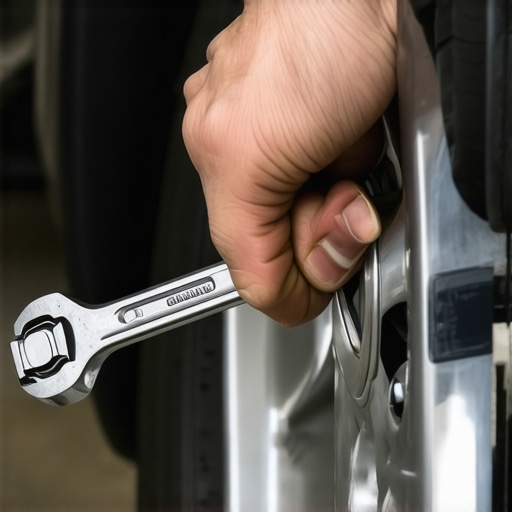
Not all tools are created equal when dealing with rusted or stuck lug nuts. A quality breaker bar provides more torque than a standard wrench, much like a crowbar amplifies your strength. I once attempted to loosen a frozen lug nut with a small ratchet; it slipped right off, round-shaped. Upgrading to a sturdy breaker bar made all the difference, especially when paired with the right socket size. Remember, using the correct socket prevents stripping—it’s your best defense against damaging the nut or studs.
Leveraging Leverage and Proper Technique
Applying the right amount of force at the correct angle is vital. I placed a pipe extension on my breaker bar, turning my simple hand strength into a high-powered lever. Think of it like a see-saw—pivot point in the middle, force applied at the end. In one instance, I used a 2-foot pipe as an extension and was able to loosen a lug nut that had resisted for weeks. But caution is essential: never exceed the tool’s limits, or you’ll risk breaking the socket or damaging the wheel stud.
Use of Heat to Break Rust Bonds
When all else fails, applying controlled heat can do wonders. I used a propane torch to warm the nut gently—just enough to expand the metal without igniting anything nearby. This method is especially effective if rust has bonded the nut tightly. After heating, I employed my breaker bar, and the nut gave way with a satisfying pop. Remember, safety first: wear gloves and eye protection, and ensure no flammable materials are close.
Final Rescue: Tapping with Precision
Sometimes, a light tap with a hammer helps to jar loose a stubborn nut. I once gently tapped around the lug nut with a brass hammer after applying penetrating oil and heat, which helped in breaking the rust bond. It’s similar to starting a stuck zipper—gentle taps can shift the rust just enough to loosen the hold. Be cautious not to hit too hard, as you might damage the threads or the wheel.
Patience Is Your Ally
Throughout my experiences, patience proved to be the most valuable tool. Rushing often led to stripped nuts or damaged studs. Repeating these steps and giving the lubricant time to work makes the job safer and more effective. Remember, this isn’t a race; a careful, methodical approach always pays off in the end.
Many car owners operate under assumptions about routine maintenance that can either lead to unnecessary expenses or overlooked issues. For example, the myth that all ASE-certified technicians are equally skilled persists, but the truth is that certification alone doesn’t guarantee expertise in specific areas like transmissions or engine diagnostics. It’s crucial to understand what ASE certification actually signifies, such as proven competence in particular repair categories, which can be verified by checking their specialization fields. Learn more about what ASE certification proves.
Why More Oil Isn’t Always Better
There’s a common misconception that topping off or overfilling your engine oil will improve performance and longevity. However, excessive oil can lead to foaming, increased pressure, and even oil leaks. Modern engines are designed with precise oil capacities, and overfilling can cause issues like crankshaft foaming or fouling spark plugs. According to a study by automotive engineers, overfilled oil can accelerate engine wear and cause unanticipated failures. For optimal results, stick to the manufacturer’s recommended oil level, which you can verify by checking your oil regularly.
Misunderstanding Transmission Care
One widespread mistake is delaying transmission fluid changes, under the misconception that it’s a ‘set-it-and-forget-it’ fluid. In reality, transmission fluid degrades over time, losing its lubricating and cooling properties, especially under high-load conditions. Many assume that the transmission is maintenance-free, but neglecting early signs of fluid deterioration can lead to costly repairs like clutch or valve body replacements. For a deeper dive into keeping your transmission in top shape, visit this comprehensive guide.
Are We Overlooking the Nuances of Car Service?
Often, vehicle owners think that routine oil changes and filter replacements are the entire scope of car service. But professional technicians, especially those with ASE certification, look for hidden issues that can cause long-term damage. For instance, neglecting to inspect transmission fluid or overlooked brake system vulnerabilities can quickly turn into emergencies. The key lies in a holistic approach—regularly scheduled comprehensive inspections help ensure your vehicle remains reliable. If you’re unsure about your current service provider’s thoroughness, learn how to choose a shop that covers all bases.
Understanding these nuances can save you money and extend your vehicle’s lifespan. Remember, routine maintenance isn’t just about changing fluids but about proactive care that addresses potential issues before they escalate. Have you ever fallen into this trap? Let me know in the comments and share your experiences!
Tools I Recommend for Reliable Car Maintenance
Over the years, I’ve discovered that having the right tools isn’t just about making the job easier—it’s about ensuring safety and achieving professional-quality results. One staple in my toolkit is a high-quality digital torque wrench. I personally prefer models like the Tekton Click Torque Wrench because of their precision and durability, which is crucial when tightening critical components like transmission bolts or oil drain plugs. Accurate torque prevents over-tightening, a common mistake that can damage threads and compromise long-term reliability.
For oil changes, I swear by a fluid extractor—specifically, a hand pump model that allows transfer of oil directly from the fill port without disturbing the filter. This minimizes mess and reduces the risk of contaminants entering the engine. Additionally, a compact scan tool such as the Autel MaxiScan MS300 is invaluable for reading & clearing OBD-II codes, helping diagnose issues early before they evolve into costly repairs.
Investing in Quality
Using premium tools might seem like a bigger upfront cost, but they pay off in longevity and reliability. For instance, I choose impact sockets made from chrome-molybdenum steel for stubborn fasteners—they resist rounding and offer consistent performance over years of use. Remember, quality tools are an investment that translates into better maintenance outcomes and safety.
Embracing Modern Methods for Long-Term Results
Beyond physical tools, integrating advanced software like ASE certified diagnostic apps can streamline troubleshooting and diagnostics, especially for transmission issues. These tools interpret sensor data and fault codes with high accuracy, helping you plan effective repairs or maintenance schedules.
For example, utilizing an app that tracks your vehicle’s transmission performance over time reveals subtle signs of fluid degradation or early clutch wear, long before symptoms become evident. Regularly recorded data can guide you to timely transmission fluid changes, which are vital for smooth shifting—something I detail in this guide. Proactive measures like these prevent breakdowns and extend the service life of your vehicle’s transmission.
Where is Car Maintenance Heading?
Looking ahead, I believe the integration of smart diagnostic systems and AI-driven predictive analytics will revolutionize long-term vehicle care. These technologies will enable vehicle owners and technicians alike to anticipate issues months in advance, much like the predictive maintenance systems already used in fleet management. Staying ahead of the curve means adopting these innovations now—your vehicle’s longevity and safety depend on it.
How Do I Maintain My Car’s Components Over Time?
The key to enduring performance lies in consistent, data-driven maintenance routines—like scheduling oil changes at the manufacturer-recommended intervals and using diagnostic tools to monitor transmission health. Implementing these strategies now can save you from expensive repairs down the line.
For those ready to take their maintenance to the next level, try calibrating your impact wrench with a digital torque adapter. This step ensures your fasteners are tightened precisely, safeguarding components and prolonging their service life. Remember, embracing the right tools and methods today sets the foundation for a trouble-free driving experience tomorrow.
Secrets No One Tells You About Car Maintenance
During my early days in auto repair, I underestimated the importance of patience and nuanced technique. I once forced a stubborn bolt, only to strip the threads and set myself back hours. That lesson taught me that a gentle touch, combined with experience, beats brute force every time. Now, I realize that every component has a story, and knowing when to listen can save you money and frustration.
Tools That Revolutionized My Approach
Investing in the right tools was a game-changer. High-quality impact sockets and digital torque wrenches have not only made my work more precise but also safer. I trust brands like Snap-on for their durability and consistency—they give me confidence that my repairs will hold up over time. Remember, tools are an investment in your knowledge and your vehicle’s longevity.
The Drive Toward Smarter Maintenance
Embracing technology, such as diagnostic apps and sensor data analysis, transformed my maintenance routine. Predictive insights allow me to address issues before they become costly repairs. For example, constantly monitoring transmission performance signs has prevented breakdowns and extended component life. Thinking ahead with these advanced methods makes servicing more efficient and reduces stress on both the mechanic and the vehicle.
Insider Wisdom About Staying Ahead of Vehicle Wear
- Prioritize consistency: Regular oil changes and transmission fluid checks are your first line of defense. Skipping scheduled maintenance can lead to silent damage that’s expensive to repair.
- Avoid shortcuts: Using cheap tools or neglecting proper technique might seem economical, but it costs more in the long run. Quality always pays off in durability and performance.
- Stay curious about your car’s story: Every strange noise or vibration is a message. Learning to interpret these signs helps prevent bigger issues down the line.
- Learn from experts: Engagement with seasoned technicians or trusted resources, like auto repair guides, can accelerate your understanding and skills.
Explore Your Options: Resources That Make a Difference
- Impact sockets and torque wrenches—these tools ensure you tighten bolts accurately, safeguarding your components. Brands like GearWrench and Tekton are reliable choices.
- Diagnostic apps and OBD-II scanners—tools like the Autel MaxiScan MS300 reveal hidden errors early, saving you money and stress.
- Professional guides and courses—consider online tutorials or local workshops that deepen your understanding of vehicle systems.
- Trusted websites—autofixclinic.com offers in-depth articles and troubleshooting tips that bridge the gap between DIY and professional repair.
Fuel Your Passion for Better Car Care
Remember, mastering car maintenance isn’t just about fixing things—it’s about forming a deeper connection with your vehicle. Every successful repair amplifies your confidence and independence. So, get curious, invest wisely, and always keep learning. Your car’s health depends on your dedication, and the rewards are roads full of smooth, safe journeys.
What’s the most valuable lesson you’ve learned from fixing your own car? Share your story below, and let’s grow together in this automotive journey!
,