Why Your Transmission Slips When the Engine is Cold
Have you ever started your car on a chilly morning, only to feel that pesky slip or delay when shifting gears? I remember the first time it happened to me: I was already running late, and my transmission decided to act up right as I turned the key. That moment felt like a slap in the face—knowing something wasn’t quite right but not sure what. It was frustrating, especially because I had just completed a routine oil change, thinking I was all set.
Understanding the Cold Transmission Conundrum
Here’s the deal—your transmission’s behavior when cold is a common pain point for many drivers. The cold affects the viscosity of transmission fluid, making it thicker and less efficient at lubricating moving parts. This change can cause your transmission to slip or shift roughly until everything warms up. I found out early on that ignoring this problem can lead to more serious issues down the line, like accelerated wear or even costly repairs.
Now, I promise to guide you through why this happens and, more importantly, how to fix it. By the end of this, you’ll feel more confident about whether your transmission is just cold and stubborn or screaming for professional attention. We’ll look at simple maintenance tips, signs of deeper problems, and when to call in an ASE-certified mechanic. Remember, I learned the hard way—skipping proper diagnosis can turn a minor annoyance into a major headache. For a quick primer on why regular vehicle checkups matter, check out why regular oil changes extend your car’s lifespan.
Is Trans Issues When Cold Really Worth Worrying Over?
Early on, I made the mistake of dismissing my transmission slip as a normal cold-weather glitch—big mistake. Each time I ignored it, the problem got worse. If you’re like me and have faced this, you know how unsettling it is. So, let’s break down why this happens and what steps you can take to keep your transmission smooth, no matter the weather. Stay tuned for practical tips and insights to get your car shifting like new, even when the engine’s still chilly.
Start with a straightforward diagnosis
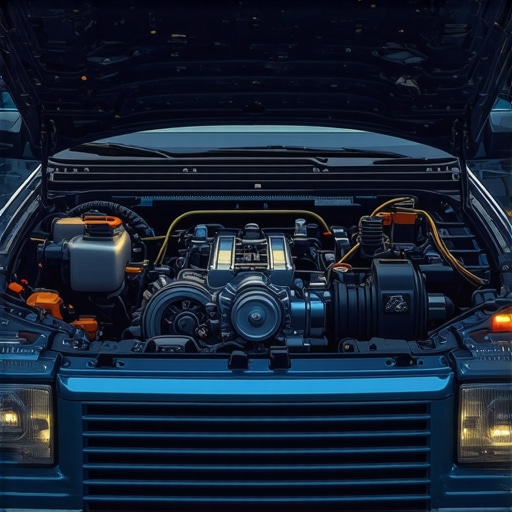
My first fix involved checking the transmission fluid level and condition. I made sure the car was on level ground, then opened the hood and located the transmission dipstick. Unlike your engine oil, transmission fluid dipsticks are often labeled clearly or found near the engine. I pulled the dipstick, wiped it clean, reinserted it fully, then checked the level and color. If the fluid is low or darkened, that’s a sign it’s time for a change or top-up. Remember, older or burnt-smelling fluid can cause slip issues when cold, and replacing it may solve the problem without costly repairs. For a detailed process, see transmission troubleshooting.
Ensure proper transmission fluid maintenance
If the fluid is low, topping it up might be your quick fix. Use the manufacturer-recommended transmission fluid — using the wrong type can worsen slipping or cause damage. To top up properly, locate the filler tube, then add fluid slowly with a funnel, checking the level periodically. Afterward, run the engine and shift through gears to circulate the new fluid, then recheck the level. This simple step can often restore smooth shifting during cold mornings. Regularly checking your transmission fluid aligns with expert advice—consider scheduling a regular oil change to keep all fluids in check.
Warm up your transmission with a test drive
Once the fluid level is correct, take the car for a controlled drive, avoiding aggressive acceleration. Gradually warming the transmission helps thin the fluid as it reaches operating temperature. During this phase, shift through all gears slowly, paying close attention to how smoothly the transmission engages. If the slip persists, it may be time to schedule a professional inspection—especially if the fluid appears contaminated or the issue worsens. I remembered a time I drove gently for ten minutes, and the shifting improved substantially, saving me from premature repairs. For additional maintenance tips, see top oil change tips.
Inspect the transmission filter and internal components
If after these steps your car still slips when cold, I recommend checking the transmission filter, which can become clogged over time, restricting fluid flow. Accessing this filter varies by vehicle model, but generally, it’s located inside the transmission pan. You’ll need to drain the fluid, remove the pan, and inspect or replace the filter. While draining, look for metal shavings or debris—these could indicate internal wear. This process is akin to changing an oil filter, but be prepared for possible complexities; if you’re unsure, consult an ASE-certified mechanic, whose credentials mean they have passed rigorous standards here.
Address internal transmission issues professionally
If all DIY steps fail to resolve the slip, it’s time to get a professional diagnosis. Some internal parts, like solenoids or clutches, may be worn out or malfunctioning, especially in cold weather. An ASE-certified technician can perform advanced diagnostics to pinpoint problems that simple fluid fixes can’t. Remember, timely professional intervention can prevent further damage and costly repairs, keeping your transmission in top shape. You can locate qualified mechanics through trusted sources or contact a local shop for a comprehensive assessment here.
Many drivers believe that an oil change is a simple, straightforward procedure, but in reality, misconceptions continue to circulate, leading to costly mistakes. One common myth is that topping off oil or using generic, inexpensive products suffices for engine health. However, I’ve found that failing to follow manufacturer-specific oil types and change intervals can accelerate wear and reduce your engine’s lifespan, as detailed in studies on lubricant performance here. Another widespread misunderstanding relates to transmission maintenance. Many assume that transmission fluid is a do-it-once, forget-it component, neglecting the nuanced importance of proper timing and fluid quality, which experts say significantly impact transmission longevity. When it comes to ASE certification, there’s a myth that all certified technicians are equally skilled—nothing could be further from the truth. ASE credentials represent passing specific standards, but specialization matters; for complex systems, an advanced certification like L1 can make a critical difference here. One major trap drivers fall into is believing that all car services are interchangeable or unnecessary. Skipping regular inspections or relying on quick-lube shops without verifying certifications or equipment can lead to hidden issues like neglected brake pads or worn suspension components. This is especially risky when considering advanced issues that only proper diagnostics can uncover, which emphasizes choosing the right shop based on proper credentials. Have you ever fallen into this trap? Share your story in the comments. Remember, understanding the hidden nuances in vehicle care not only saves money but also keeps you safe on the road.
Invest in Quality Diagnostic Equipment
One of the most valuable tools I use regularly is an advanced automotive scan tool, like the Autel MaxiSys. It provides comprehensive onboard diagnostics, allowing me to read and clear trouble codes quickly, monitor live sensor data, and perform component actuation tests. This precision helps identify issues before they escalate, especially related to transmission or engine problems. I personally rely on this device because it saves time and reduces unnecessary trips to the shop. When paired with software updates, it ensures I stay ahead of evolving vehicle systems, especially in modern cars with complex electronics. In the future, diagnostic tools will become even more sophisticated with AI integration and cloud-based diagnostics, making vehicle maintenance more predictive than reactive.
Standardize Maintenance with Detailed Record-Keeping
Keeping meticulous records of oil changes, transmission fluid replacements, and other services is crucial. I use tools like a maintenance logging app, which syncs with my mechanic’s records and helps me track when each component was last serviced. This way, I avoid forgetting critical intervals and maintain optimal vehicle health. Your ASE-certified technician can also utilize digital service histories to tailor recommendations—like those for transmission care—to your specific driving habits. Regular updates on fluid condition and component wear prevent costly breakdowns and extend your vehicle’s lifespan.
Choose the Right Products and Continue Learning
Whenever I perform maintenance, I emphasize using manufacturer-approved products. For instance, synthetic transmission fluids designed for specific models often outperform generic options, providing better lubrication and thermal stability. I always double-check compatibility charts and consult trusted sources like OEM manuals or expert blogs, such as this guide. Additionally, I recommend subscribing to industry updates—like the latest from ASE certification standards—to stay updated on best practices. A good tool in this area is the ASE Blue Seal locator, helping you identify certified specialists, which is essential for complex tasks like transmission repairs or fluid flushes.
Maintain and Scale Your Car Care Arsenal
As your vehicle ages, upgrading tools becomes integral. For example, investing in a portable infrared thermometer allows quick assessment of transmission or engine component temperatures during service. Scaling your toolkit also involves learning digital inspection techniques, like using a borescope to examine internal components without disassembly. I anticipate that remote diagnostics and mobile service technology will grow, enabling you to manage maintenance from home—imagine scheduling a professional for a transmission evaluation via an app. Staying proactive with proper tools and knowledge ensures your car remains reliable for miles to come.
How do I maintain my transmission over time?
Regularly checking fluid condition and level with a quality dipstick like the OEM-approved AutoLine or similar products is essential. Performing periodic flushes based on your manufacturer’s schedule prevents sludge buildup and ensures smooth shifts, especially in cold weather. Also, scheduling professional inspections—preferably with an ASE-certified mechanic—can catch internal issues early, saving you money and frustration. Remember, staying on top of these tasks isn’t just about longevity—it’s about peace of mind during every drive. Try setting reminders to perform a transmission fluid test every 30,000 miles, and use diagnostic tools to spot developing problems early, like detailed this expert guide recommends.
Lessons That Changed My Perspective on Car Maintenance
- One of the biggest misconceptions I held was believing that transmission slip during cold weather was harmless. It turned out that ignoring early signs can accelerate internal wear, costing much more down the line. Realizing this made me more vigilant about prompt diagnostics and fluid checks.
- I used to think that a quick top-up of transmission fluid was always enough. Now, I understand the importance of using the correct fluid type and performing regular flushes to prevent sludge buildup, especially in colder months when viscosity issues are more pronounced.
- My experience with DIY troubleshooting taught me that sometimes, simple fixes like warming up the vehicle or checking fluid levels can resolve minor issues—but internal problems require professional expertise. Recognizing the limits of DIY saved me from causing further damage.
Tools and Resources That Elevated My Approach to Car Care
- I trust the transmission troubleshooting guide for its detailed, step-by-step advice, saving me time and money during minor maintenance.
- For identity verification and deep diagnostics, I rely on an advanced scan tool like the Autel MaxiSys, which makes complex electronic troubleshooting straightforward and less intimidating.
- The OEM manuals and expert blogs, including these oil change tips, have been instrumental in maintaining my vehicle’s health over the years.
- Lastly, I value the ASE Blue Seal locator to find certified technicians for complex issues — this keeps my car in the best hands and ensures quality repairs.
Embrace Proactive Maintenance and Stay Inspiring on the Road
Humans are naturally curious and capable of learning, especially when it comes to caring for their vehicles. By applying these insights and trusting reputable resources, you can extend the lifespan of your transmission and enjoy smoother drives even in cold weather. Remember, knowledge paired with proactive action transforms car maintenance from a chore into a rewarding journey. Your car’s longevity and performance depend on your commitment—so keep learning and stay motivated to care for your vehicle the right way.