Why Your Transmission Fluid Smells Like Burnt Toast
Imagine cruising down the road when suddenly, you catch a strange smell lingering in your car—hot, burnt toast. At first, you might dismiss it as some food-your kid left behind in the back seat or a passing bakery. But then, it hits you—this smell seems to be coming from your transmission area. My first reaction was panic—was I about to blow a gasket?
That moment of realization was eye-opening. I had ignored some small signs before, hoping they’d just disappear. But that peculiar burnt smell was a clear warning sign that something was seriously wrong with my car’s transmission system. And let me tell you, I learned the hard way that neglecting this issue can lead to costly repairs.
Today, I want to help you understand why your transmission fluid might smell like burnt toast and what it signals about your vehicle’s health. If you’ve ever experienced that odd aroma while driving, you’re not alone. Many drivers overlook this indicator, assuming it’s just a minor inconvenience. But, in reality, it can be a symptom of underlying problems that, if addressed early, can save you hundreds—or even thousands—of dollars.
So, what exactly causes this burnt smell? Typically, it’s a sign that your transmission fluid is overheating or breaking down. When fluid deteriorates, it loses its lubricating properties, leading to increased friction and, ultimately, a burnt scent. According to automotive experts, a strong burnt smell can indicate that your transmission is under stress or even on the brink of failure. This is why catching the problem early is critical.
Before I dive into the practical steps to diagnose and fix this issue, I want to share a mistake I made early on—ignoring that smell and hoping it would go away. That was a costly oversight. It’s always best to consult a qualified technician, especially if you’re uncertain about what you’re facing. If you want to learn more about how ASE-certified technicians diagnose and troubleshoot transmission woes, check out [this article](https://autofixclinic.com/what-does-an-ase-certification-mean-for-your-cars-maintenance).
Now, let’s explore how you can identify the root cause of that burnt toast aroma and get your vehicle back to smooth, safe operation.
Check Transmission Fluid Levels and Condition
The first step is to inspect your transmission fluid. Park your car on a level surface, turn on the engine, and locate the transmission dipstick, usually labeled. Pull it out, wipe it clean, reinsert, and then remove again to check the level and color. If the fluid is low, topped with dirty or dark fluid, it indicates issues that might cause overheating and a burnt smell. During my own experience, I noticed the fluid looked surprisingly dark, prompting me to plan a scheduled transmission flush. Maintaining proper fluid levels ensures lubrication and prevents excessive heat buildup.
Replace or Top Up Transmission Fluid
If the fluid is low, add the manufacturer-recommended transmission fluid to the proper level. If it’s dark and has a burnt smell, consider a complete fluid change. This is crucial because old, degraded fluid can’t effectively lubricate or dissipate heat, leading to smells and potential damage. When I changed my fluid, I used a high-quality synthetic transmission fluid, which improved shifting smoothness and reduced overheating. Always consult your vehicle’s manual or a trusted mechanic for the right fluid type.
Inspect the Transmission Filter and Pan
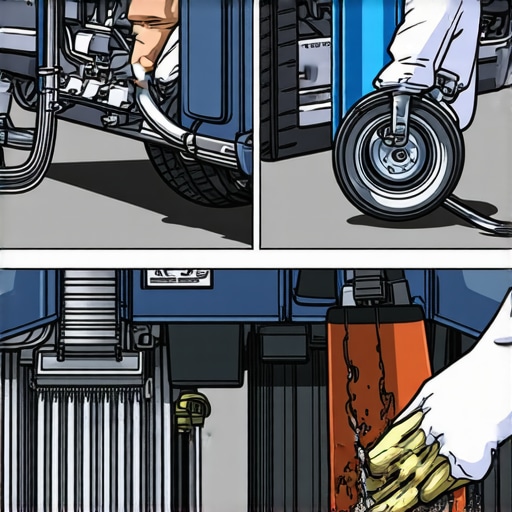
Many transmissions have a filter that traps debris, helping maintain fluid cleanliness. Locate the transmission pan—accessible under the vehicle—and carefully drain the fluid into a container. Remove the pan bolts, gently take out the pan, and examine the filter and fluid for metal shavings or debris. A clogged filter hampers fluid flow, causing increased temperature and odors. I once found metal shavings in my transmission pan, indicating accelerated wear. Replacing the filter during a fluid change prevents future issues.
Clean or Replace the Transmission Filter
If the filter is clogged or damaged, replace it with a new one that matches your transmission model. This step can significantly improve the system’s performance and reduce overheating, preventing that burnt smell from returning. Be sure to torque the pan bolts to the manufacturer’s specifications to avoid leaks.
Inspect for Transmission Leaks and Damage
Leaks can lead to low fluid levels, causing friction and heat. Look underneath your vehicle for puddles or stains, especially around seals and gaskets. Check transmission lines for cracks or corrosion. During my inspection, I noticed a small leak from a cracked hose; replacing it immediately restored proper fluid levels and cooled the system. Addressing leaks early prevents more severe damage and costly repairs.
Use Proper Seals and Line Replacements
If you find damaged seals or hoses, replace them with OEM parts for a perfect fit. Seal failure can allow contaminants and air into the system, contributing to overheating and burnt smells. Remember, neglecting leaks compounds problems, so routine inspections are vital for vehicle health.
Test Drive and Monitor Transmission Performance
After completing inspections and repairs, take your car for a test drive. Shift through all gears smoothly and listen for unusual noises or vibrations. Pay attention to smells; if the burnt odor persists, it could indicate more severe issues like worn clutches or internal damage. In my case, a proper fluid change and leak repair eliminated the burnt smell, restoring confidence in my vehicle.
Seek Professional Help if Needed
If problems continue despite your efforts, it is wise to consult an ASE-certified mechanic. They can perform advanced diagnostics, including electronic system checks, to identify hidden faults. Proper transmission maintenance—including timely fluid changes and inspections—can extend your vehicle’s lifespan and prevent costly breakdowns. For guidance on finding trustworthy service providers, visit this resource.
Many car owners believe that simply choosing an ASE-certified mechanic guarantees quality work, but in reality, there’s more to it. ASE certification indicates a technician’s knowledge level, but it doesn’t necessarily reflect their experience with specific vehicle systems or their approach to diagnostics. For example, some technicians might hold a certification yet rely heavily on diagnostic codes without thorough component testing, leading to missed underlying issues. This misstep can result in incomplete repairs, especially with complex systems like transmissions, where symptoms such as shifting hesitation or unusual noises may stem from multiple interacting factors. According to industry insights, engaging with a technician who combines ASE credentials with extensive hands-on experience ensures more reliable diagnostics and long-lasting solutions.
Why is a diagnostic approach that relies solely on codes sometimes misleading in transmission repairs?
Because transmission issues often involve mechanical wear, fluid condition, sensor accuracy, and internal component health, focusing only on diagnostic trouble codes can overlook critical mechanical faults. External factors like contamination or internal damage might not trigger specific codes but still cause symptoms like slipping or shuddering. Therefore, a comprehensive diagnostic process, including fluid analysis, mechanical inspection, and sensor testing, is essential for accurate diagnosis. This nuanced approach surpasses the common myth that codes tell the full story. Industry experts emphasize that understanding these subtleties can save time and prevent unnecessary part replacements, ultimately reducing repair costs. Furthermore, a frequent mistake among car owners is substituting a fluid change or minor repair with a complete overhaul too early, based on common misconceptions about transmission lifespan. Maintaining proper fluid levels and quality with regular oil changes, as explained in articles about regular oil changes, can prevent many transmission problems from escalating. Don’t fall into the trap of believing that certifications alone guarantee superior service. Instead, look for transparency in diagnostics and a demonstrated track record. Want to learn how to select the best service provider? Check out this guide to make informed decisions and avoid costly mistakes.
Investing in Precision Equipment for Long-Term Reliability
My personal approach to maintaining my transmission emphasizes the use of high-quality diagnostic tools and consistent service routines. One indispensable tool I rely on is the OBD-II scanner. I prefer models like the BlueDriver because it provides detailed error codes and live data streams, allowing me to catch minor issues before they escalate. This proactive strategy aligns with industry best practices, especially for those aiming for ASE-certified standards, where having precise diagnostic information can make all the difference.
Harnessing Software Solutions for Deeper Insights
Complementing physical tools, I use specialized software such as TechStream for Toyota or AutoEnginuity for broader vehicle compatibility. These programs enable me to perform module-specific tests, clear codes, and monitor real-time data during test drives. Investing in such software not only saves me money by avoiding unnecessary repairs but also enhances my understanding of complex systems, making me more confident during routine service or troubleshooting.
Routine Checks and Preventive Maintenance
Besides digital tools, I emphasize routine physical inspections—checking transmission fluid levels, evaluating the fluid’s color and smell, and inspecting for leaks. Regular oil changes, guided by insights from top oil change tips, help prevent fluid breakdown, which is often the root cause of burnt odors and overheating. Scheduling transmission fluid changes at manufacturer-recommended intervals keeps the system lubricated and reduces the risk of long-term damage.
Future Trends in Transmission Maintenance
Looking ahead, I predict that the integration of AI-based diagnostic systems will become standard, enabling even faster and more accurate troubleshooting. Vehicles may soon self-report issues with detailed diagnostics via connected apps, making maintenance more predictive than reactive. Staying ahead involves investing in compatible tools now and adopting a mindset of continuous learning and adaptation.
How do I maintain my transmission over time?
Consistency is key. Regularly check and replace transmission fluid, use advanced diagnostic tools for early detection, and stay informed on software updates for your vehicle’s ECU. These practices, combined with professional ASE-certified services, ensure your transmission remains smooth and reliable for years to come. For finding experts who combine top-tier diagnostics with expert maintenance, explore this resource. And if you’re ready to take your maintenance routines to the next level, try syncing your diagnostic tools with real-time data monitoring—not only will it give you peace of mind, but it might also save you from expensive repairs down the line.
Unveiling My Biggest Blunder in Maintenance
One eye-opening moment I had was ignoring that burnt smell and assuming it would go away. That silent neglect cost me dearly. It taught me that small signs often carry the most weight, and missing them can spiral into major repairs. Always trust your instincts and pay attention to your vehicle’s warnings—early detection saves money and stress.
Tools and Resources That Made a Difference
I rely heavily on the OBD-II scanner, especially models like BlueDriver, for precise diagnostics. Additionally, software like AutoEnginuity deepens my understanding of complex transmission issues. These tools help me catch problems early and ensure my repairs are accurate, avoiding unnecessary expenses. Remember, investing in quality diagnostics pays off in long-term vehicle health.
Fuel for the Heart: Embracing a Proactive Mindset
Maintaining your transmission isn’t just about fixing problems—it’s about cultivating a habit of attentiveness and proactive care. Recognize that your vehicle’s warning signs are valuable signals—not nuisances. Every proactive step, from regular fluid checks to professional inspections, extends your vehicle’s lifespan and enhances safety. It’s about forging a partnership with your car, built on knowledge and vigilance.
Have you ever caught a warning sign early that saved you from a costly repair? Share your experience below and let’s learn from each other’s journeys toward better car maintenance.
,