The difference between a transmission leak and an oil leak
It was a chilly Sunday morning when I noticed a puddle forming beneath my car as I headed out for a quick errands run. At first, I thought it was just spilled coffee or rainwater, but as I looked closer, my stomach sank—this was something different. The liquid was dark, slick, and pooling right under my engine, and suddenly, I realized I was dealing with more than just a minor mess. That lightbulb moment hit me hard—was it an oil leak, or was my transmission giving me trouble?
Honestly, during my early days of car maintenance, I often confused transmission leaks with oil leaks. To me, it all looked like grease making a surprise visit on my driveway. But one mistake I made early on was assuming all leaks are just simple oil drips and ignoring the signs that point to transmission trouble. That misstep could have led to costly repairs or worse, a breakdown with no warning.
So, what’s the real difference, and how can you tell them apart before it’s too late? That’s exactly what I want to help you with today. I’ll walk you through the key signs that distinguish a transmission leak from an oil leak, sharing personal experiences and expert insights along the way. Whether you’re a seasoned mechanic or just a car owner trying to keep your vehicle in shape, understanding these differences can save you a lot of stress and money.
But why does it matter whether you can tell them apart? Well, because these leaks can severely impact your vehicle’s performance and safety. A transmission leak could lead to slipping gears, hard shifts, or even complete transmission failure if left unaddressed. On the other hand, an oil leak primarily affects your engine’s health, potentially causing overheating or severe engine damage. Recognizing which leak is which can help you prioritize repairs and avoid sudden breakdowns.
If you’ve ever found yourself staring at a mysterious puddle after a car wash or in your garage, wondering whether it’s a critical problem or just a minor annoyance, you’re not alone. Many car owners overlook these leaks until they become emergencies. That’s why I’ve also included some practical tips for preliminary diagnostics—so you can understand what’s happening under your hood and decide whether it’s time to visit your mechanic.
Thinking about getting more confident in car repairs? Check out our guide on [transmission troubles and expert insights](https://autofixclinic.com/transmission-troubles-expert-insights-for-smooth-shifting). It delves into common transmission problems and how to spot them early, saving you money and headaches.
Now, let’s dive into identifying those leaks and understanding the telltale signs that differentiate a sluggish transmission from an engine oil mess. Ready to become more proactive about your car’s health? Let’s go.
Check the Puddle Location and Consistency
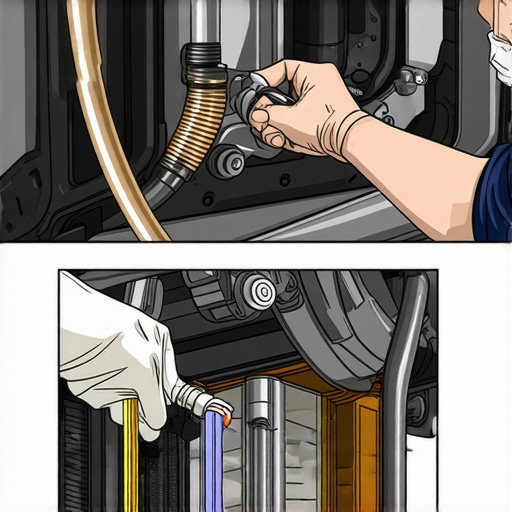
Start by inspecting where the fluid is pooling under your vehicle. Transmission fluid tends to collect on the driveway directly beneath the transmission area, which is around the middle or slightly towards the back of the engine bay. Oil leaks are more common at the front of the vehicle under the oil pan. Transmission fluid is typically reddish or pinkish and slippery, while engine oil is usually brown or black. During my first oil leak identification, I noticed a red puddle near the driveway’s edge, which immediately hinted at transmission fluid. Recognizing these color cues saved me from unnecessary engine repairs.
Perform a Visual Inspection Under the Hood
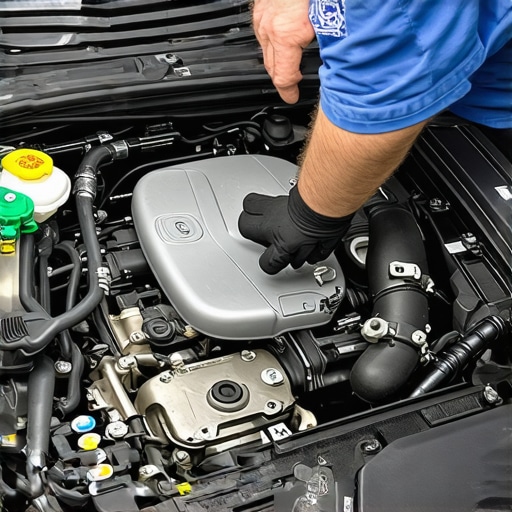
Open your hood and check the fluid levels with the dipstick. Transmission fluid is commonly checked with a dedicated dipstick, often located towards the back of the engine bay, near the transmission. If the fluid level is low and the fluid appears reddish and thin, that indicates a transmission leak. Engine oil dipsticks are usually marked separately. In my experience, a quick visual check revealed dark, thick oil on the oil dipstick, confirming I was dealing with an engine issue, not transmission. Consistency and color are vital clues here.
Recognize the Smell and Texture
Transmission fluid has a distinct smell, often sweet or chemical-like, whereas engine oil smells more like burnt toast. The texture of transmission fluid is slick and smooth, while engine oil can feel slightly grittier if contaminated. Once, I noticed the puddle had a sweet smell, reinforcing it was transmission fluid. Doing a sniff test can be surprisingly effective, but always exercise caution to avoid contact with eyes or skin. This method helps quickly narrow down the leak source without the need for immediate mechanic intervention.
Assess Vehicle Behavior and Symptoms
Pay attention to how your car drives. Slipping gears, hard shifts, or delayed engagement often point toward a transmission leak causing low transmission fluid. Conversely, engine overheating, knocking sounds, or oil consumption issues suggest engine oil problems. For example, I once neglected to notice my slipping gears and thought it was just a rough ride. A simple check of fluid levels later confirmed the transmission was starved for fluid, guiding me to the right repair. Symptoms are the vehicle’s way of warning you about leaks.
Check for Residual Stains and Leak Trails
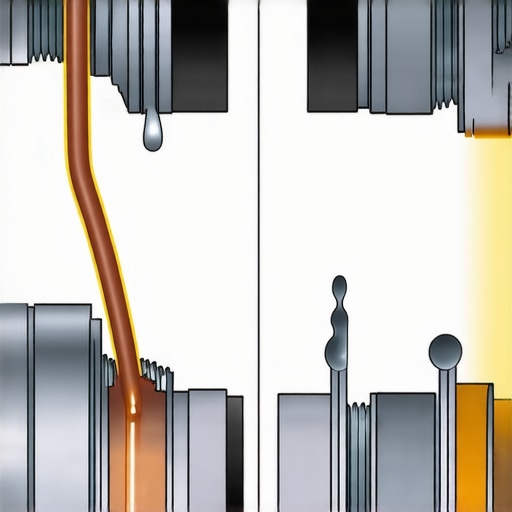
Follow the trail of fluid if it’s still leaking. Transmission fluid leaks often leave a reddish trail from the pan seal or lines, while oil leaks may drip from the valve cover gasket or oil filter area. During another repair, I traced the leak back to a loose transmission line fitting. Identifying exactly where the fluid originates helps logistics—deciding whether a simple tighten or a full component replacement is needed.
Use Proper Diagnostic Tools and Expert Help
If uncertainty persists, use a paper towel or absorbent pad to absorb a small sample of the fluid and compare it with known samples or seek professional diagnostics. An ASE-certified technician can quickly perform pressure tests and identify leaks accurately. Remember, quick identification not only saves money but also prevents further damage. Regular vehicle inspections and understanding your car’s leak signs can reduce unexpected breakdowns, as explained in our guide on what ASE certification means for your vehicle’s maintenance.
Many car owners assume that earning an ASE certification instantly guarantees expert-level repairs or that an oil change is just a routine task with no deeper implications. However, the reality is far more nuanced and requires a closer look at the hidden factors that influence vehicle maintenance quality. One common misconception is that all ASE-certified technicians adhere to the highest standards every time. While ASE certification is a mark of competence, it doesn’t account for experience, ongoing training, or the quality of tools used. According to a study by the National Institute for Automotive Service Excellence, ongoing education is crucial as automotive technology rapidly evolves, and some technicians may rest on their laurels after initial certification. So, trusting credentials alone may be a trap, especially as newer systems like advanced driver-assistance features become standard.
Another myth revolves around oil changes. Many believe that frequent oil changes always extend engine life, but some overlook the importance of using the right oil type or adhering to manufacturer recommendations. Overusing synthetic oils or performing unnecessary changes can cost more without providing tangible benefits. Conversely, neglecting oil quality can lead to sludge buildup, engine wear, or unexpected breakdowns. Understanding the importance of proper oil maintenance is vital for maximizing your vehicle’s lifespan.
When it comes to general car service, a prevalent mistake is ignoring the significance of comprehensive diagnostics before major repairs. Many drivers opt for quick fixes instead of a detailed analysis, leading to recurring issues. For example, a slipping transmission might be mistaken for a simple fluid issue, but a deeper problem could stem from worn clutch belts or internal valve damage. Rushing into repairs without proper diagnostics often results in higher costs later. Choosing the right service involves understanding that proper assessments prevent unnecessary replacements.
Speaking of transmissions, a common pitfall is assuming that replacing transmission fluid alone will fix shifting issues. While fluid replacements are routine, neglecting signs of internal damage—such as worn solenoids or damaged clutch packs—can give a false sense of security. Additionally, many owners overlook the importance of transmission cooling systems; overheating can cause severe damage even with fresh fluid. Regular diagnostics, including pressure tests, reveal the true health of your transmission. Learn more about transmission troubleshooting and expert insights to spot issues early.
The Maintaining your car’s transmission, oil system, and overall engine health requires precision tools and consistent practices. One indispensable piece of equipment I rely on is a high-quality scan tool like the Autel MaxiSys series. These devices provide real-time data, diagnostic trouble codes, and live sensor outputs that help pinpoint issues before they escalate. For example, when dealing with transmission concerns, a diagnostic scanner can quickly reveal slipping codes or sensor malfunctions, saving you time and unnecessary repairs.
Alongside hardware, software solutions such as OEM-specific diagnostic programs ensure that you’re viewing the correct data for your vehicle model. I prefer using manufacturer software like Toyota Techstream or Ford IDS for their accuracy in reading internal modules. These tools allow for detailed transmission parameter checks and calibration of components—crucial steps in ASE-certified maintenance.
Practically, I also use ultrasonic leak detectors for tracing elusive transmission or oil leaks. The device amplifies hissing or dripping sounds that are inaudible to the naked ear, guiding precise repair efforts. Regular inspections with these tools have consistently prevented minor leaks from becoming major failures.
Future trends suggest that automotive diagnostics will become increasingly integrated with AI and machine learning, enabling predictive maintenance. Imagine receiving alerts not only when your car’s systems malfunction but also suggestions for early fixes based on patterns. This proactive approach is on the horizon, promising to reduce downtime and extend component life.
How do I maintain transmission health over time? The secret lies in consistent fluid checks, using ASE-approved methods to confirm fluid condition and level. Regularly replacing transmission fluid with proper OEM-recommended lubricants—rather than the generic options often found at quick-lube shops—can significantly prolong transmission lifespan. Experts advise that a transmission fluid analysis every 30,000 to 50,000 miles can catch issues early; tools like lab testing kits make this feasible even at a DIY level.
Adopting these tools and routines ensures your vehicle remains reliable for the long haul. Don’t forget, when considering maintenance, always opt for certified professionals who use state-of-the-art diagnostic gear, as highlighted in our guide on what ASE certification means for your car’s maintenance. Try integrating an ultrasonic leak detector into your routine to catch minor issues before they turn into costly repairs—your engine and transmission will thank you for it.
The Unexpected Wisdom From My Own Repairs
One of the most eye-opening lessons I learned was how crucial it is to trust your senses and instincts when dealing with leaks. I once ignored a faint smell of burnt rubber, thinking it was just a minor issue, only to discover later that my transmission was overheating due to a neglected leak. The ultimate benefit? Developing a keen observation habit has saved me thousands in repairs and prevented roadside breakdowns. Remember, minor clues often hide major problems if you know what to look for.
Tools That Revolutionized My Approach to Car Maintenance
Over the years, I’ve come to rely on specific diagnostic tools that bring clarity to complex issues. An ASE-certified scan tool like the Autel MaxiSys series has been a game-changer, allowing me to read live data and pinpoint leaks without guesswork. Additionally, ultrasonic leak detectors help trace elusive leaks hidden beneath layers and paint, saving time and avoiding unnecessary part replacements. These tools are invaluable for proactive maintenance and ensuring your vehicle remains reliable. For example, consistent use of such tools uncovered early signs of transmission line wear, preventing a costly rebuild.
Embracing the Mystery: Why Not All Leaks Are Equal
One lesson I wish I had grasped sooner is that not every leak demands immediate panic. Some transmission leaks are minor and manageable with simple fixes like tightening fittings or replacing seals. Conversely, an unnoticed oil leak can silently cause engine damage over hundreds of miles. It’s vital to differentiate the urgency by understanding each leak’s nature—color, location, and smell can tell you a lot. Take time to observe, test, and consult reliable resources. Learning to prioritize repairs can help you extend your vehicle’s life and keep repair costs in check.
What Lies Ahead in Vehicle Leak Detection
The future is exciting for DIY enthusiasts and professionals alike. Emerging diagnostic technologies, backed by AI and machine learning, may soon predict leaks before they even manifest visibly. Imagine sensors integrated into your vehicle warning you of fluid loss during regular drives, helping you act early. I encourage you to stay engaged with advances like these—regular inspections with smart tools and a proactive mindset can drastically reduce breakdowns. Want to be a step ahead? Regularly check out our guide on transmission troubleshooting and expert insights to prepare for the road ahead.
The Power of Knowledge in Protecting Your Car’s Heart
Ultimately, understanding the distinct signs of transmission versus engine oil leaks has empowered me to make smarter decisions. Routine checks, combined with the right tools, can turn you into your own best mechanic. Don’t wait for a huge puddle or a warning light—small clues today can prevent big headaches tomorrow. Remember, your car is an investment—treat it with the care and knowledge it deserves. Ready to take charge of your vehicle’s health? Dive deeper into expert resource and ensure every maintenance step counts.
Lift Your Car Knowledge Today
Have you ever missed early signs of a leak because you didn’t know what to look for? Share your thoughts below—your experience might help others prevent costly repairs and boost their confidence in car maintenance.
,