How to Clean Your Headlights So They Stay Clear for Years
I remember the moment it hit me during a late-night drive. My headlights, once Bright and sparkling, had become hazy and yellowed, turning my nightly commute into a struggle to see and be seen. It was a lightbulb moment—literally. I realized that many drivers accept foggy headlights as an unavoidable age-related issue, but in reality, a simple maintenance routine can keep them shining like new for years.
Why Clear Headlights Matter More Than Just Looks
Effective headlights are essential for safe driving, especially when weather conditions worsen or during night-time journeys. Cloudy, dim headlights don’t just look poor—they compromise visibility, increasing the risk of accidents. Plus, shiny, well-maintained lights can add to your vehicle’s overall appeal.
But here’s the kicker: many folks don’t realize the importance of regular headlight maintenance until they face reduced visibility or even a failed inspection. It’s tempting to ignore those foggy lenses, but neglecting them can lead to more costly repairs down the line. Did you know that degraded headlights can reduce light output by up to 75%, significantly impairing your ability to see and be seen? (Source: [Auto Repair & Maintenance Facts](https://autofixclinic.com/why-regular-oil-changes-extend-your-cars-lifespan))
Will DIY Headlight Cleaning Save the Day—or Backfire?
Early in my headlight journey, I made the mistake of using abrasive cleaners and heavy-duty polishes without proper research. The result? Scratched lenses and a need for costly replacements. Learning from that, I discovered that the right approach involves gentle cleaning methods and perhaps even some household items. Still, many car owners are skeptical—asking if these methods are effective or if it’s just a temporary fix. If you’ve ever wondered whether you can genuinely restore clarity at home, you’re not alone. The truth is, with the right technique, you can dramatically improve your headlights’ appearance and function without breaking the bank.
In the upcoming sections, I’ll guide you through proven steps to keep your headlights clear and bright for years, ensuring your nights aren’t a challenge but a safe, comfortable experience. Ready to see the road in a new light? Let’s get started!
Start by Gathering Your Supplies
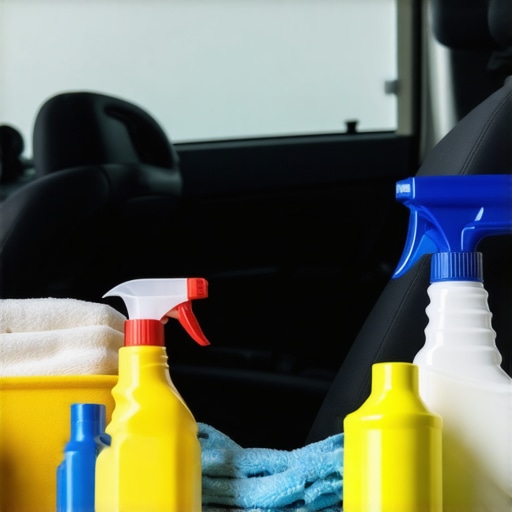
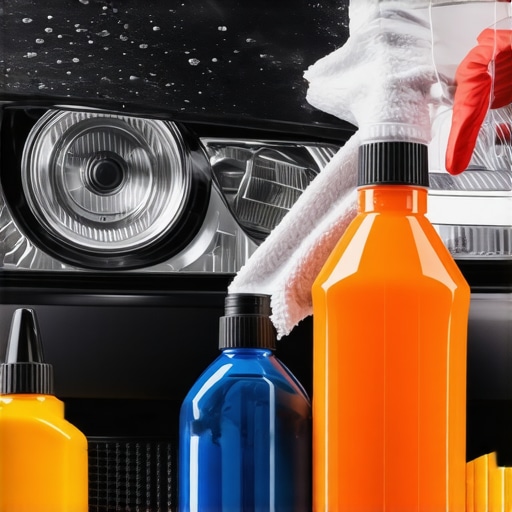
Before diving into cleaning, assemble everything you’ll need: a microfiber cloth, masking tape, automotive-grade polish, water, soap, and optionally, a headlight restoration kit. I learned this the hard way when I started with just a sponge—resulting in scratches. So, preparing the right tools is crucial for a successful restore.
Protect Your Vehicle with Masking Tape
Apply masking tape around the headlight edges to prevent scratching your car’s paint. This step is straightforward but often overlooked. A clean, specific approach—like when I carefully taped off my headlights during a cloudy weekend—ensures only the lens gets cleaned, not your paint.
Wash and Dry the Headlights Thoroughly
Use soap and water to remove surface dirt, then dry with a microfiber cloth. Dirt trapped in the haze can cause scratches if rubbed in during polishing. I fumbled here initially, using a rough cloth and making the fog worse, but switching to a soft cloth made a big difference.
Apply a Gentle Cleaning Solution
Mix water with a small amount of baking soda or use a purpose-made headlight cleaner. Gently scrub the lens with a soft pad or cloth. I tried using abrasive cleaners first, which scratched the surface. Remember, patience and gentle motion protect the lens integrity.
Polish the Headlights for Clarity
Using automotive polish or a headlight restoration product, apply a small amount to a clean cloth and buff the lens in circular motions. Think of it like polishing a coin; the more consistent and gentle, the clearer it becomes. After a few minutes, I saw my headlights go from foggy to transparent.
Use Household Items for Quick Touch-Ups
If you’re in a pinch, toothpaste can serve as a mild abrasive. Apply a small blob, buff with a microfiber cloth, and rinse—it’s a quick fix that often improves clarity immediately. I experimented with whitening toothpaste, which surprisingly worked well without harsh chemicals.
Seal and Protect the Lens
Finish by applying a UV sealant or a clear coat to protect against future haze. This mirrors the importance of regular oil changes, like those emphasized in top oil change tips. Sealing prevents UV damage, just as regular oil changes prevent engine wear.
Evaluate Your Progress and Repeat if Necessary
After the initial polish, step back and assess clarity. If haze persists, repeat the process. Consistency is key, much like maintaining transmission health—regular checks and upkeep ensure longevity and performance. If you’re unsure about your car’s maintenance routine, consult experts or explore certifications like ASE certification.
When it comes to maintaining your vehicle, there’s a lot of misinformation floating around, especially concerning transmissions, routine car service, and the value of ASE certification. Let’s dig deeper into these nuances to help you make smarter decisions. Many believe that a transmission fluid change is unnecessary unless there’s a specific problem, but in reality, regular flushes can prevent costly rebuilds and extend your transmission’s lifespan. Contrary to popular belief, not every car needs frequent, expensive service every few thousand miles; understanding your vehicle’s specific maintenance schedule is crucial—check out our guide on [choosing the right car service](https://autofixclinic.com/choosing-the-right-car-service-for-your-vehicles-needs).*
One common misconception is that ASE certification guarantees a mechanic is infallible. While ASE-certified technicians possess verified expertise, their skills are still subject to experience, ongoing training, and individual diligence. Don’t assume that certification is the sole indicator of quality—ask about specific experience with your vehicle model or issues. Also, many overlook the importance of a detailed inspection before performing repairs; jumping straight to parts replacement often leads to unnecessary expenses. A thorough diagnostic can save you time and money.
A hidden nuance often missed is the significance of choosing the right oil, especially synthetic vs. conventional, which directly impacts engine health. An improper oil choice can lead to increased wear and reduced efficiency. Regular oil analysis, especially in high-mileage or fleet vehicles, can uncover issues before they escalate—learn more about [how oil analysis saves thousands](https://autofixclinic.com/why-your-fleet-oil-analysis-is-saving-you-thousands-in-repairs). Moreover, many assume that all car service centers use genuine OEM parts, but this isn’t always the case; always request proof of quality parts when servicing.
**Are you aware of the advanced mistakes many car owners make?** For example, neglecting transmission temperature during driving can cause overheating and damage. Additional errors include postponing fluid changes too long and ignoring mild warning signs like hesitant shifting or slipping. These seemingly minor issues, if unaddressed, can develop into major repairs. In fact, [transmission troubles](https://autofixclinic.com/transmission-troubles-expert-insights-for-smooth-shifting) often start subtly but become expensive if caught late.
For the savvy car owner, understanding these nuances helps avoid pitfalls and ensures your vehicle remains reliable. Always consult credible sources and, when in doubt, get a second opinion from ASE-certified technicians who prioritize your car’s longevity. Remember, regular maintenance is an investment—skipping it can cost you far more in the long run.
Have you ever fallen into this trap? Let me know in the comments. For personalized advice or schedule a visit, contact us [here](https://autofixclinic.com/contact-us). Let’s keep your car running smoothly for miles to come!
Keeping your vehicle running smoothly over the long haul requires more than just basic knowledge—it demands the right tools, strategic techniques, and an understanding of future trends in automotive care. I’ve personally found that investing in quality diagnostic equipment and staying current with software updates can drastically reduce downtime and repair costs. For example, using an advanced scan tool like the Autel MaxiSys allows me to perform comprehensive diagnostics, including transmission troubleshooting and module coding, which are crucial for ASE-certified work.
Additionally, I rely on specialized cleaning products like Griot’s Garage Surface Prep for prep work before applying sealants or paints, ensuring maximum adherence and longevity. When it comes to routine maintenance like oil changes, I prefer synthetic oils such as Mobil 1, which provide better stability and engine protection, especially in high-mileage vehicles. Regular use of oil analysis services, as outlined in this article, helps predict future engine failures and schedule proactive interventions.
How do I maintain transmission health over time?
Preventative measures like regular transmission fluid exchanges—typically every 30,000 to 60,000 miles—are vital. Investing in a transmission flushing machine, such as the Aesculap ATI, ensures thorough cleaning without disassembly. I also recommend monitoring transmission temperature with dedicated sensors during high-load driving to avoid overheating, which can cause severe internal damage. Incorporating these tools and techniques saves money and extends a vehicle’s lifespan.
Looking ahead, the trend is shifting towards integrated vehicle diagnostic systems powered by AI and cloud computing, enabling real-time remote monitoring. Automakers are increasingly embedding telematics that transmit health data to service centers, facilitating predictive maintenance. Staying updated with manufacturer updates and learning to interpret these new data streams will be essential for technicians and proactive owners alike.
To master long-term vehicle health, I suggest integrating advanced diagnostic tools into your routine. Start by trying out a comprehensive scan and logging your vehicle’s data over a few weeks. This hands-on approach will give you insights into your car’s unique patterns and help catch issues early.
What about scaling maintenance for multiple vehicles?
If you manage a fleet or multiple personal vehicles, automating tracking with software like Fleetio or Verizon Connect can streamline service schedules. Coupled with diagnostic tools, these platforms ensure no vehicle misses critical maintenance windows, reducing downtime and repair costs significantly. Regular training for your team on these tools guarantees everyone is up-to-date with the latest tech and best practices, aligning with the ongoing evolution in automotive service.
Maintaining a vehicle’s reliability isn’t static; it evolves with technological advances. Staying informed and equipped empowers you to make better decisions, whether you’re a DIY enthusiast or a professional mechanic. For specialized advice tailored to your fleet or personal collection, don’t hesitate to reach out.
The Hardest Lesson I Learned About Transmission, Car Service, ASE Certification, and Oil Changes
- Never assume that a new noise or vibration isn’t worth investigating—small issues can escalate without proper care, especially if your transmission starts to shudder or slip.
- Trusting generic oil brands over high-quality synthetic oils might save money upfront but can cost you in the long run through increased wear and reduced efficiency—invest in proper lubrication to extend your vehicle’s life.
- Skipping routine transmission fluid changes can lead to costly rebuilds—regular service with the right tools, like a transmission flush machine, can prevent premature failure and keep your car shifting smoothly.
- Obtaining ASE certification isn’t just a badge; it’s a commitment to continuous learning and expertise that can mean the difference between a simple fix and a long-term solution.
- Regularly inspecting and understanding your vehicle’s specific service needs—like choosing the right oil or performing timely oil analysis—can be your best defense against unexpected breakdowns.
My Essential Toolkit for Transmission and Oil Maintenance
- High-quality synthetic oils such as Mobil 1 have consistently proven their worth to me, especially for high-mileage engines, by maintaining engine health and reducing long-term repair costs—learn more about why regular oil changes matter.
- Diagnostic tools like the Autel MaxiSys provide comprehensive insights into transmission health and engine performance—crucial for ASE-certified mechanics and informed car owners alike.
- Investing in a transmission flushing machine ensures effective cleaning, especially when combined with regular fluid analysis, which can uncover issues before they become expensive repairs—see these insights into transmission troubleshooting.
- Online resources and tutorials have dramatically improved my DIY skills, but knowing when to consult a certified professional can save you both time and money.
Stay Curious, Keep Improving
Managing your car’s transmission and oil health isn’t just about routine—it’s about cultivating awareness and making informed decisions. The more you learn and invest, the more confident you’ll become in keeping your vehicle running smoothly for miles ahead. Remember, regular maintenance tailored to your vehicle’s needs is an act of care that pays dividends over time. What challenges have you faced when trying to keep your transmission in top shape? Share your experiences below—I’d love to hear your stories and help you navigate the journey towards better vehicle health.
**[Contact us](https://autofixclinic.com/contact-us) if you’re ready for expert support or need tailored advice on your car’s needs. Maintaining your transmission and oil is a commitment, but with the right knowledge and tools, it becomes a manageable and rewarding process.]**